
Soups & Stews
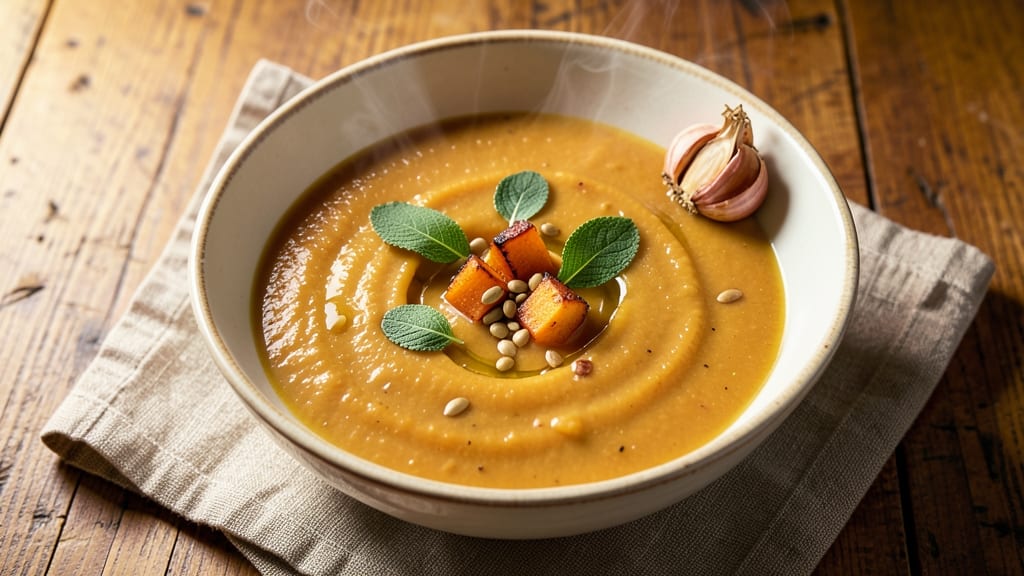
Bobby Flay's butternut squash soup recipe transforms simple ingredients into a restaurant-quality dish with roasted depth and toasted sage crunch. The secret? Roasting the squash first to caramelize its natural sweetness, then blending it with aromatic broth and finishing with crispy sage for texture and aroma.
This isn't just soup—it's a flavor experience that starts with golden, tender squash and ends with a garnish that adds both visual appeal and satisfying crunch.
What sets this recipe apart is Bobby Flay's signature technique of balancing sweet and savory flavors. The roasted squash provides a rich, caramelized base, while the toasted sage adds an herbal complexity that elevates every spoonful.
We're talking about a soup that's creamy but not heavy, sweet but not cloying, and packed with layers of flavor that make it feel like a gourmet meal. The best part? It comes together in one pot with minimal prep, making it perfect for both weeknight dinners and special occasions.
By the time you're done, you'll have a velvety soup with perfectly roasted squash at its heart, topped with crispy sage leaves that add both texture and aroma.
The broth is rich but not overpowering, and the overall effect is a harmonious blend of sweet, earthy, and herbal notes that will have everyone asking for seconds. This is the kind of soup that feels like a hug in a bowl—warm, comforting, and packed with professional-level flavor.
The beauty of this recipe is its versatility. Serve it as a starter before a main course, or make a big batch for a crowd-pleasing appetizer. The toasted sage garnish isn't just for show—it adds a satisfying crunch that contrasts beautifully with the creamy soup.
Whether you're cooking for two or feeding a family, this recipe delivers restaurant-quality results with home-cook simplicity. Let's get started on creating your own version of Bobby Flay's signature dish.
Ingredients for bobby flay butternut squash soup
Roasted squash and toasted sage create this restaurant-worthy soup's signature depth and crunch.
| Ingredient | Amount | Notes |
|---|---|---|
| Medium Butternut Squash 🎃 | 2 lb | Peeled, cubed, seeds removed |
| Extra-Virgin Olive Oil 🫒 | ½ cup | For roasting and finishing |
| Yellow Onion 🧅 | 1 whole | Diced, medium size |
| Garlic Cloves 🧄 | 4 cloves | Peeled, minced |
| Fresh Sage Leaves 🌿 | ½ cup | Whole leaves for toasting |
| Vegetable Broth 💧 | 4 cups | Low-sodium preferred |
| Heavy Cream 🥛 | ½ cup | Full-fat for richness |
| Salt 🧂 | 1 ½ tsp | Diamond Crystal preferred |
| Black Pepper 🌶️ | ½ tsp | Freshly ground |
| Brown Sugar 🍯 | 1 tbsp | Lightly packed |
| Nutmeg 🌿 | ¼ tsp | Freshly grated |
| Butter 🧈 | 2 tbsp | Unsalted, cubed |
The butternut squash is the star—look for firm, heavy squash with no soft spots. Whole Foods or Trader Joe's carry excellent organic varieties, but any grocery store's produce section should have good options. Cutting the squash? Use a sharp chef's knife and cut away the seeds first—save them for roasting later if you're feeling ambitious. The skin needs to come off for the smoothest soup, so a vegetable peeler works best. For the sage, fresh is non-negotiable—dried just won't give that same crispy, aromatic finish. Buy a bunch and use half here, half for garnish.
No heavy cream? Full-fat coconut milk works beautifully, though the flavor will differ slightly. Short on vegetable broth? Low-sodium chicken broth is fine here (just skip the chicken stock in the intro). The brown sugar adds subtle sweetness—substitute maple syrup at half the amount if you prefer. For the roasting oil, avocado oil has a higher smoke point than olive oil, but extra-virgin olive oil works perfectly fine. Want extra depth? Add a pinch of cinnamon or allspice to the roasted squash. The nutmeg is key for that warm, earthy note—pre-grated works, but freshly grated tastes better. If you're making a big batch, double the sage and roast extra leaves for garnish.
Roasted squash keeps in the fridge for 5 days if stored in an airtight container. The finished soup reheats beautifully—just warm gently on the stove with a splash of broth or water to restore creaminess. For maximum flavor, make it a day ahead—the flavors meld beautifully overnight. The toasted sage garnish should be added fresh before serving, but you can toast extra leaves and store them in a sealed container for up to 3 days. Freezes well for 3 months, though the texture may change slightly upon thawing.
Why You'll Love This Recipe
- I swear by this shortcut: roast the squash whole, then scoop out the flesh. No peeling, no messy seeds—just slice the top, microwave for 8 minutes, and you’re golden. The skin crisps up like a bonus snack, honestly.
- Roast-and-Blitz Method: I swear by this shortcut: roast the squash whole, then scoop out the flesh. No peeling, no messy seeds—just slice the top, microwave for 8 minutes, and you’re golden. The skin crisps up like a bonus snack, honestly.
- Sage-Garlic Magic: That first whiff of toasted sage and garlic in olive oil? It’s like autumn in a pot. The sage leaves caramelize at the edges while the garlic mellows out—no need for fancy herbs, just a handful from the garden or store.
- Weeknight to Party: Same recipe, different vibes. Serve it with crusty bread for a lazy Tuesday, or drizzle with crème fraîche and toasted pumpkin seeds for a dinner party that looks like you actually tried. (Between us, it’s foolproof either way.)
Step-by-step instructions for Bobby Flay's butternut squash soup
Master Bobby Flay's signature technique for caramelized squash and aromatic depth.
Roast the Butternut Squash and Aromatics
Preheat your oven to 425°F. In a large bowl, toss the 2 lb medium butternut squash cubes with 0.5 cup extra-virgin olive oil, 1.5 tsp salt, and 0.5 tsp black pepper until evenly coated. Spread the squash on a parchment-lined baking sheet in a single layer, leaving space between pieces for even browning.
In a separate small bowl, combine the 1 whole yellow onion, 4 cloves minced garlic, and 0.5 cup fresh sage leaves. Toss with 1 tablespoon brown sugar and 0.25 tsp nutmeg until the onion and garlic are well coated. Spread this mixture on the same baking sheet around the squash.
Roast for 30-35 minutes, stirring once halfway through, until the squash is tender when pierced with a fork and the edges are deep golden brown. The onions should be caramelized, and the sage leaves should be crispy. This roasting step develops the rich, nutty flavors that make this soup exceptional.
Build the Soup Base
Transfer the roasted squash, onions, garlic, and sage to a blender or food processor. Add 4 cups vegetable broth and blend until completely smooth, scraping down the sides as needed. This step ensures a velvety texture without any lumps.
Return the soup to the pot and stir in the 2 tbsp butter. Bring to a gentle simmer over medium heat, then reduce the heat to low and let it cook for 10 minutes to allow the flavors to meld. The soup should be hot but not boiling—this prevents the cream from curdling later.
Taste and adjust the seasoning with additional salt or black pepper if needed. The roasted aromatics should be prominent, with a subtle sweetness from the caramelized onions and brown sugar.
Finish with Cream and Toasted Sage
Reduce the heat to low and slowly whisk in the 0.5 cup heavy cream. Stir gently to avoid creating any lumps, and let the soup simmer for 5 minutes to heat through. The cream should blend seamlessly into the soup, adding a luxurious richness.
While the soup simmers, transfer the crispy roasted sage leaves to a dry skillet over medium heat. Toast for 1-2 minutes until fragrant, then crumble them into small pieces. These toasted leaves will add a delightful crunch and an extra layer of sage flavor.
Ladle the soup into bowls and top each serving with the toasted sage crumbles. Serve immediately while the soup is hot and the cream is still silky. The contrast of the warm, creamy soup with the crispy sage on top creates a perfect balance of textures and flavors.
Pro Tips For Making Bobby Flay Butternut Squash Soup
- CHAR THE ONION LOW: When you sauté the onion for this soup, keep the heat at a gentle simmer—not a sizzle. I used to rush this step, and the onions would turn bitter before the garlic even got a chance to sing. Let them soften completely, almost to the point of falling apart, so they blend into silkiness when you purée.
- PEEL SQUASH AFTER ROASTING: Skip the peeling before roasting—just halve the squash, scoop out the seeds, and roast it cut-side down. The skin crisps up and peels right off when cool, saving you from the mess of pre-peeling and keeping the texture creamier. (Yes, even if you’re impatient like me.)
- TOAST THE GARLIC: Add the garlic to the pot after the onion has fully softened, then let it sit in the oil for 30 seconds before stirring. This toasts the edges just enough to add depth without burning—something I learned the hard way when my first batch smelled like a campfire instead of a restaurant.
- SALT THE SAGE: Toss the fresh sage leaves in a pinch of salt before adding them to the pot. It keeps them from wilting into a sad, limp pile while they steep in the soup. Trust me, the flavor stays brighter this way—no more fishing out soggy leaves later.
Storing and reheating your leftovers
Fridge Storage Tips
The roasted butternut squash base keeps beautifully in the fridge for up to 5 days if stored in an airtight container. I use glass Pyrex containers with snap-on lids—they preserve flavor better than plastic.
Let the soup cool completely before refrigerating to prevent condensation, which can dilute flavors. When ready to reheat, remove the toasted sage garnish first and add it fresh after warming. 🥫
Freezer-Friendly Method
This soup freezes exceptionally well for up to 3 months without losing its velvety texture. I recommend using quart-sized freezer bags with the air squeezed out—this prevents freezer burn and makes thawing easier.
Leave 1 inch headspace for expansion. When reheating from frozen, add a splash of broth or water to restore creaminess and simmer gently on low heat. 🧊
Reheating Perfection
For stovetop reheating, warm the soup over medium-low heat with the lid slightly ajar to prevent skin formation. A splash of broth or water helps maintain the creamy consistency. I add 1-2 tbsp heavy cream at the end if it looks too thick.
Never microwave directly from the fridge—temperature shock can make the soup grainy. Always reheat to 165°F for food safety. 🔥
Make-Ahead Garnish
Toast extra sage leaves while making the soup and store them in an airtight container at room temperature for up to 3 days. This ensures you always have fresh garnish ready.
For a restaurant-style presentation, I like to toast fresh sage leaves just before serving and sprinkle them over each bowl. The aroma alone makes the soup taste gourmet. ✨
Broth Boost Technique
If your soup seems too thick after reheating, stir in 2-3 tablespoons of vegetable broth to restore the perfect consistency. The roasted squash base absorbs moisture differently when reheated, so don't be afraid to adjust.
For extra richness, add a pat of butter or a splash of cream when reheating. This technique works especially well if you're making a big batch for meal prep. 💡
Portion Control
Divide the soup into individual portions before freezing or storing in the fridge. This makes reheating easier and ensures everyone gets perfectly portioned servings. I use 16-ounce mason jars—they're microwave-safe and perfect for single servings.
Label containers with the date to track freshness. For best results, consume within 4 days of refrigeration. 📅
Nutrition facts
Frequently asked questions
Why does Bobby Flay roast the butternut squash instead of boiling it?
Roasting caramelizes the natural sugars in the squash, creating a deeper, more complex flavor profile than boiling. This method develops a rich, nutty sweetness that forms the base of the soup's restaurant-quality taste. The golden-brown edges also add texture contrast that's missing in boiled versions.
Can I substitute fresh sage with dried sage in this recipe?
Fresh sage is essential for the toasted garnish—it provides that signature crispy texture and aromatic punch. For the roasted aromatics, you can use 1/4 tsp dried sage (crumbled) in place of 1/2 cup fresh leaves, but the flavor will be less vibrant. The toasted garnish is where fresh sage truly shines.
What's the secret to getting the perfect creamy texture without lumps?
Blend the roasted squash and broth until completely smooth before adding cream, and always whisk the cream in slowly over low heat. Using cold cream straight from the fridge also helps prevent curdling. For extra insurance, strain the blended mixture through a fine-mesh sieve before returning it to the pot.
How can I make this soup vegan?
Replace the heavy cream with 1/2 cup full-fat coconut milk and use 2 tbsp vegan butter instead of regular butter. For richness, add 1 tbsp nutritional yeast to the blended soup base. The toasted sage garnish remains the same, providing that essential textural contrast.
Can I make this soup in a slow cooker?
Yes! Roast the squash and aromatics as directed, then transfer everything to your slow cooker with 4 cups broth. Cook on low for 4-5 hours until tender, then blend until smooth. Stir in cream during the last 30 minutes of cooking. The slow cooker method develops even deeper flavors but requires more attention to prevent overcooking.