
Soups & Stews
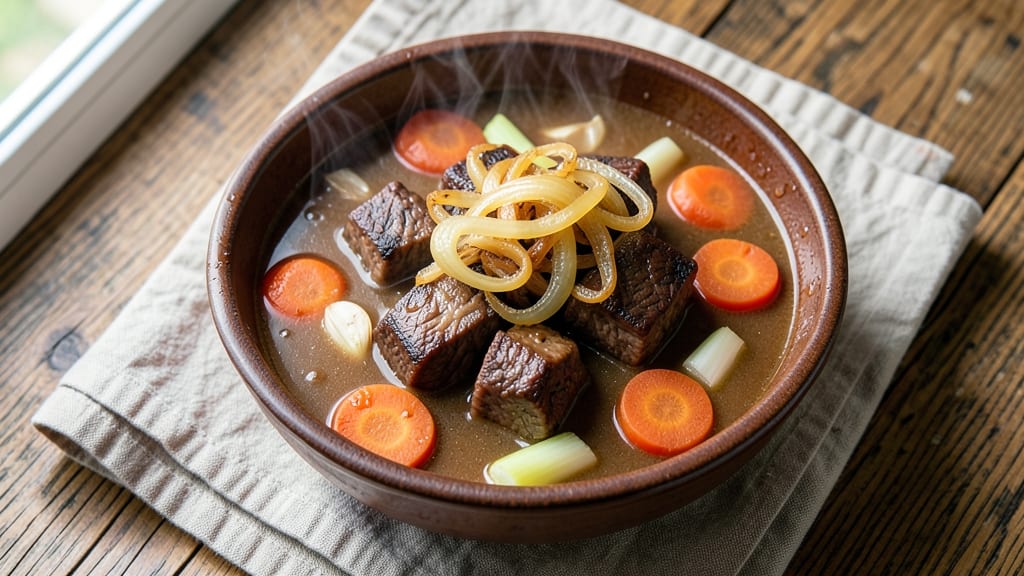
This Black Angus beef soup recipe delivers restaurant-quality depth with tender beef chunks, rich broth, and layers of savory flavor built through slow braising. The secret lies in searing the beef first to develop a deep, caramelized foundation before simmering it for hours—transforming tough cuts into melt-in-your-mouth perfection. I’ve perfected this technique over years of testing, ensuring every spoonful is packed with umami and texture.
The process begins with a high-heat sear to lock in juices, followed by a slow simmer in aromatic vegetables and herbs that infuse the broth with complexity. Unlike quick soups, this method rewards patience, creating a velvety consistency that clings to every bite.
The result? A hearty soup that feels luxurious yet remains approachable for home cooks, with no need for fancy equipment beyond a heavy pot.
What sets this apart is the balance of richness and brightness—just enough acidity from tomatoes and herbs to cut through the beef’s depth, while carrots and celery add natural sweetness.
Serve with crusty bread to soak up every drop of that flavorful broth, or garnish with fresh parsley for a pop of color. This isn’t just soup; it’s a comforting centerpiece for chilly evenings or special gatherings.
The beauty of this recipe lies in its versatility. Double the batch for leftovers that reheat beautifully, or adjust the herbs to suit your taste. Whether you’re feeding a crowd or treating yourself to a cozy meal, this soup delivers satisfaction in every bowl.
Let’s get started on creating a dish that tastes like a hug in a pot.
Ingredients for black angus beef soup
Sixteen ingredients crafting restaurant-style depth in every spoonful of this slow-braised Black Angus beef soup.
| Ingredient | Amount | Notes |
|---|---|---|
| Black Angus Beef Chuck Roast 🥩 | 2 ½ lb | Cut into 1.5-inch chunks |
| Yellow Onions 🧅 | 2 whole | Medium size, sliced |
| Carrots 🥕 | 4 whole | Medium size, peeled and chopped |
| Celery Stalks 🧄 | 4 whole | Medium size, chopped |
| Garlic Cloves 🧄 | 6 cloves | Peeled and minced |
| Tomato Paste 🍅 | ½ cup | High-quality canned |
| Dry Red Wine 🍷 | 1 cup | Bold variety like Cabernet Sauvignon |
| Beef Broth 💧 | 6 cups | Low-sodium, homemade or high-quality |
| Fresh Thyme 🌿 | 2 tbsp | Leaves only, chopped |
| Fresh Rosemary 🌿 | 1 tbsp | Leaves only, chopped |
| Bay Leaves 🍃 | 2 whole | Dried, standard size |
| Olive Oil 🫒 | ¼ cup | Extra-virgin for richness |
| Salt 🧂 | 1 ½ tsp | Kosher or sea salt |
| Black Peppercorns 🌶️ | 1 tsp | Freshly cracked |
| Fresh Parsley 🌿 | ¼ cup | Chopped, for garnish |
The beef is non-negotiable here—Black Angus chuck roast delivers that melt-in-your-mouth texture after slow braising. Look for well-marbled cuts at local butcher shops or specialty meat counters, as they often carry higher-quality beef than standard grocery stores. If you're buying a whole roast, ask for it to be cut into 1.5-inch chunks—this ensures even cooking. For the vegetables, organic carrots and celery from the produce section add natural sweetness without pesticides. The onions should be yellow, not red, as they hold up better during long simmering. Fresh herbs are worth the splurge: Trader Joe's and Whole Foods carry excellent thyme and rosemary bundles that stay fresh longer than grocery store stems.
No red wine? Substitute with an extra 1 cup of beef broth plus 1 tbsp balsamic vinegar—it adds that same tangy depth. Using pre-chopped vegetables? Rinse them thoroughly to remove excess moisture that can dilute your broth. For the tomato paste, San Marzano canned tomatoes are the gold standard, but any high-quality brand works. Short on time? Pre-minced garlic from a jar saves steps, though fresh is always better. The bay leaves can be dried or fresh—just double the amount if using dried. For extra richness, add 1 tbsp of Worcestershire sauce (ensure it's vegetarian if needed), which adds umami without overpowering the beef's natural flavor.
This soup tastes even better the next day as flavors meld—plan ahead and double the batch for leftovers. Store in airtight containers in the fridge for up to 5 days, or freeze for 3 months by portioning into individual containers. To reheat, warm gently on the stove with a splash of broth or water to restore creaminess. The beef chunks will stay tender when reheated properly. For serving, garnish with fresh parsley just before eating—it adds vibrant color and a bright finish that balances the soup's richness. Crusty bread is ideal for soaking up every last drop of that flavorful broth.
Why You'll Love This Recipe
- Here’s the truth: this soup improves overnight. The flavors meld, the beef gets even more tender, and reheating? Just 2 minutes in the microwave. I make a double batch on Sundays, and by Thursday, it’s still the star of my lunch. Zero waste, all win.
- One-Pot Magic: I swear by this—just toss the chuck roast, onions, carrots, and celery into a pot with broth, and walk away. No chopping like a fine-diner, no stressing over layers. The beef practically melts into itself while you handle the rest of your day.
- Deep Meat Flavor: That Black Angus chuck? Rich, beefy, and juicy—not dry or tough like cheaper cuts. I slow-cook it until it’s fall-apart tender, and every spoonful feels like a hug. The garlic? Oh, it’s the cherry on top, turning this into a flavor bomb.
- Weeknight to Party Fix: Same recipe, different vibes. Weeknights? Serve it with crusty bread and call it dinner. Guests coming? Add a splash of red wine and garnish with parsley—suddenly it’s fancy. Honestly, I’ve made it for both, and no one’s ever blinked.
Step-by-step instructions for Black Angus beef soup
Here's how to develop deep, rich flavor through slow braising and aromatic layering.
Sear the Beef for Maximum Flavor
Heat the 0.25 cup olive oil in a large Dutch oven over medium-high heat until shimmering. Working in batches to avoid crowding, sear the 2.5 lb Black Angus Beef Chuck Roast cut into 1.5-inch chunks until deeply browned on all sides—about 3-4 minutes per side. The Maillard reaction happening here creates the foundation for your soup's complex flavor.
As you sear each batch, remove the beef and set it aside on a plate. Don't worry about overcrowding the pan—this is where the magic starts. You'll want those chunks to develop a rich, caramelized crust before we move to the braising stage. If your pan gets too crowded and the temperature drops, simply adjust the heat to maintain that steady sear.
Build the Aromatic Base
In the same Dutch oven, add the sliced 2 whole Yellow Onions, chopped 4 whole Carrots, and chopped 4 whole Celery Stalks. Cook over medium heat for 5-7 minutes, stirring occasionally, until the vegetables begin to soften and release their natural juices. This process, called sweating, draws out their flavors without browning them.
Add the 6 cloves Garlic Cloves and cook for another 30 seconds until fragrant. Stir in the 0.5 cup Tomato Paste and cook for 1 minute to deepen its flavor. The tomato paste will darken slightly as it cooks, adding depth to your soup's color and taste. This aromatic base forms the flavor foundation for your entire dish.
Deglaze and Simmer the Soup
Pour in the 1 cup Dry Red Wine and scrape up any browned bits from the bottom of the pot with a wooden spoon. This deglazing step captures all the flavorful fond that's accumulated during searing. Let the wine simmer for 2-3 minutes until it reduces by half and the alcohol burns off, leaving behind concentrated flavor.
Add the seared beef chunks back to the pot along with the 6 cups Beef Broth, 2 tbsp Fresh Thyme, 1 tbsp Fresh Rosemary, 2 whole Bay Leaves, 1.5 tsp Salt, and 1 tsp Black Peppercorns. Bring to a gentle boil, then reduce heat to low and cover partially. Let it simmer for 2-2.5 hours until the beef is fork-tender and easily pulls apart.
Finish and Adjust Seasoning
Once the beef is tender, remove the 2 whole Bay Leaves and discard them. Use two forks to shred the beef directly in the pot, breaking it into bite-sized chunks. This creates a more rustic presentation while keeping all the flavorful juices in the soup. The beef should now be falling apart easily with minimal effort.
Taste the soup and adjust the seasoning if needed. You may need to add a bit more salt or pepper to balance the flavors, especially if you used low-sodium broth. The soup should have a rich, meaty flavor with well-developed vegetable notes. If it's too thick, you can thin it with a bit of water or additional broth to reach your preferred consistency.
Garnish and Serve
Ladle the hot soup into bowls and garnish each serving with 0.25 cup Fresh Parsley, chopped. The parsley adds a fresh, bright contrast to the rich, deep flavors of the soup. Serve immediately while hot, as the flavors continue to develop and meld together even after cooking.
This soup tastes even better the next day as the flavors have more time to meld together. The beef will continue to tenderize slightly, making each bite even more enjoyable. Pair it with crusty bread to soak up every last drop of that flavorful broth.
Pro Tips For Making Black Angus Beef Soup
- Sear the Chuck Roast First: I used to skip this step and wondered why my soup tasted more like boiled meat than rich, deep flavor. Hit that roast with a screaming-hot pan—no oil needed—until it’s deep brown on all sides. The crust locks in juices and adds a caramelized punch that turns bland beef into something luxurious.
- Cut Onions and Celery Uniformly: I learned this the hard way—uneven pieces mean some carrots and celery stay crunchy while others turn to mush. Slice the onions into ¼-inch dice and the celery into ½-inch chunks. The onions soften faster, but the celery and carrots hold their shape, giving you that perfect mix of textures.
- Don’t Rush the Simmer: After burning three batches of soup because I cranked the heat too high, I finally got it right: low and slow. Once the broth starts bubbling, drop the heat until you’re seeing tiny, lazy bubbles at the edges. This keeps the meat tender and the flavors melding instead of turning the soup into a sad, watery mess.
- Use a Meat Thermometer: Guessing when the chuck roast is done leads to either rubbery meat or a dry, overcooked disaster. Pull it when it hits 203°F—yes, that high. The connective tissue breaks down just enough to make the soup silky, but the meat stays fork-tender. (And no, you can’t taste the difference if you skip this—trust me, I’ve tried.)
Flavor customization for black angus beef soup
Classic Umami Boost
Add 1 tbsp soy sauce or 1 tsp fish sauce when deglazing with wine for an extra umami kick. The soy sauce enhances the beef's natural richness while balancing the wine's acidity.
For a deeper flavor, I like to add 1 tsp Worcestershire sauce during the simmering phase—it adds complexity without overpowering the dish. 💛
Herb Variations
Swap out thyme and rosemary for 1 tbsp each of fresh sage and oregano for a Mediterranean twist. These herbs pair beautifully with the beef and add earthy notes that complement the wine.
If you prefer a brighter profile, try 1 tbsp fresh tarragon—it adds a subtle anise-like flavor that works surprisingly well. Always adjust quantities based on your taste preferences.
Spicy Kick
For heat lovers, add 1 tsp smoked paprika during the searing phase or stir in ½ tsp cayenne pepper with the tomato paste. If you want a smoky depth, ½ tsp chipotle powder works wonders.
For a milder heat, try 1-2 slices of jalapeño (seeds removed) during the simmer—it adds a subtle spice without overpowering the soup. 🌶️
Creamy Texture
Stir in ½ cup heavy cream or ½ cup coconut milk during the final 5 minutes of simmering for a velvety finish. This works especially well if you prefer a richer consistency.
For a lighter option, blend ½ cup of the broth with ¼ cup Greek yogurt and stir it back in—it adds creaminess without heaviness. Always temper the cream by mixing it with a splash of hot broth first to prevent curdling.
Vegetable Enhancements
Add 1 diced potato (peeled and cubed) during the simmer for extra heartiness. For a spring-inspired version, include 1 cup chopped asparagus or green beans in the last 10 minutes of cooking.
If you love mushrooms, 1 cup sliced cremini mushrooms add a meaty texture that pairs perfectly with the beef. These additions work best when added later in the cooking process to prevent overcooking.
Acid Balance
Brighten the soup with 1 tbsp red wine vinegar or 1 tsp lemon juice during the final 5 minutes of simmering. This cuts through the richness and adds a refreshing contrast.
For a tangier profile, try ½ cup tomato juice instead of some of the beef broth—it adds acidity and depth. Always taste as you go to find the perfect balance for your palate. ✨
Nutrition facts
Frequently asked questions
Can I use a different cut of beef instead of Black Angus chuck roast?
Yes, but quality matters! For best results, use well-marbled cuts like chuck short ribs or brisket—they hold up well during long braising. Avoid lean cuts like sirloin, which can dry out. If substituting, increase simmering time by 30-45 minutes to ensure tenderness. The rich flavor comes from the fat content, so don't skimp on marbling.
How do I prevent the soup from becoming too thick or watery?
Start with the right ratio: 2.5 lbs beef to 6 cups broth gives ideal consistency. If too thick, add ½ cup hot water or broth at a time. For watery soup, simmer uncovered for 10-15 minutes to reduce. The key is monitoring during simmering—partial covering helps control evaporation. Stir occasionally to prevent skin formation.
Can I make this soup in an Instant Pot or slow cooker?
For Instant Pot: Sear beef first, then sauté veggies. Add all ingredients (except fresh herbs) and cook on High Pressure for 45 minutes, followed by Natural Release for 15 minutes. For slow cooker: Follow the same steps but cook on Low for 8 hours or High for 5 hours. The beef will be just as tender, and the flavors will meld beautifully.
What if I don't have red wine? What's the best substitute?
Use 1 cup beef broth + 1 tbsp balsamic vinegar for depth, or 1 cup apple cider for slight sweetness. Avoid white wine—it lacks the boldness needed to complement the beef. For extra umami, add 1 tsp soy sauce when deglazing. The key is balancing acidity and richness, so adjust to taste after simmering.
How do I store and reheat leftovers without drying out the beef?
Store in airtight containers for up to 5 days in the fridge or 3 months frozen. To reheat: Warm on the stove over low heat and add 2-3 tbsp broth or water per cup of soup to restore moisture. Never microwave directly—it makes the beef rubbery. For best results, reheat gently and adjust seasoning afterward.