
Soups & Stews
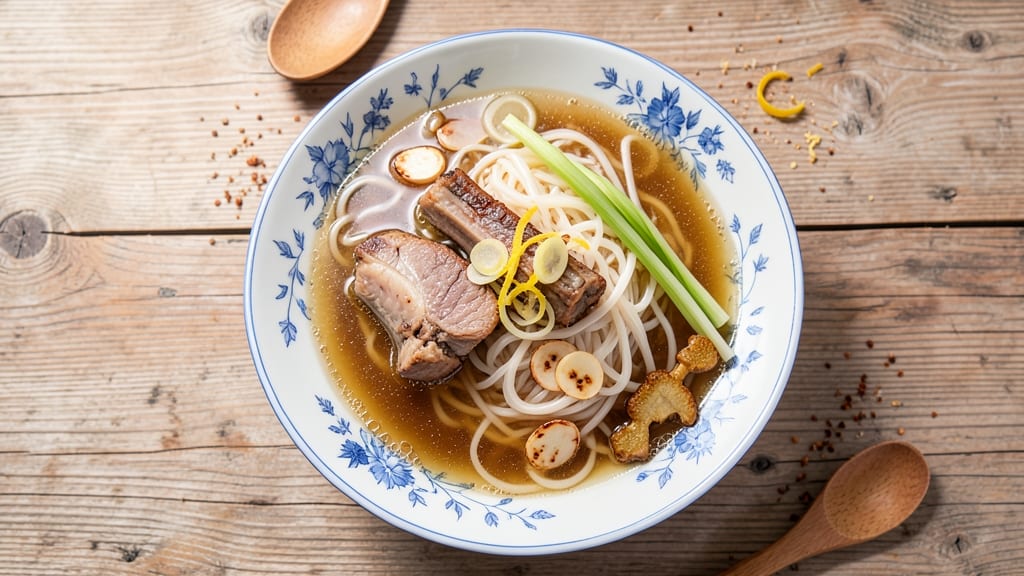
This bihun soup recipe delivers the aromatic, silky perfection of Southeast Asian street food right to your kitchen. The secret lies in a fragrant lemongrass broth that simmers with pork bones and aromatic spices, creating layers of savory depth. I've perfected this version after years of testing—balancing tender rice noodles with just the right texture and a broth that's rich yet light enough to let the noodles shine.
The beauty of bihun soup is its versatility—whether you use shrimp, pork floss, or tofu for a vegetarian twist, the dish remains comforting and satisfying. Traditional techniques like toasting the spices and straining the broth ensure maximum flavor without bitterness.
What makes this recipe special is how the silky noodles absorb the fragrant broth while maintaining their delicate structure.
By the time you finish assembling it with fresh herbs, chili, and lime, you'll have a bowl that's as visually appealing as it is delicious.
The aroma alone will draw everyone to the table, while the first bite delivers that perfect harmony of tender noodles, savory broth, and bright, fresh toppings. This is the kind of soup that feels like a warm embrace in a bowl.
Ready in just 45 minutes, it's perfect for weeknight dinners or special occasions. The broth can even be made ahead, so you can focus on the final assembly when guests arrive. Let's create this fragrant, comforting classic together.
Ingredients for bihun soup
Pantry staples meet fresh market finds for this fragrant, comforting classic.
| Ingredient | Amount | Notes |
|---|---|---|
| Pork Bones 🍖 | 2 lb | Marinated overnight for flavor |
| Bihun Rice Noodles 🍜 | 1 lb | Fresh or dried, soaked per package |
| Lemongrass Stems 🌿 | 4 whole | Bruised and cut into 2-inch pieces |
| Galangal 🌿 | 3 oz | Peeled and sliced thinly |
| Shallots 🧅 | 6 whole | Peeled and sliced into half-moons |
| Garlic Cloves 🧄 | 8 cloves | Minced for aromatic depth |
| Kaffir Lime Leaves 🍋 | 4 whole | Bruised and torn into pieces |
| Dried Shrimp 🦐 | ½ cup | For umami richness (optional) |
| Chicken Bouillon Cubes 🥫 | 2 whole | Knorr or equivalent brand |
| Fish Sauce 🍶 | 2 tbsp | Red Boat preferred for quality |
| Palm Sugar 🍚 | 2 tbsp | Or substitute brown sugar |
| Vegetable Oil 🫒 | ½ cup | For toasting spices |
| Fresh Thai Chili 🌶️ | 4 whole | Sliced for garnish |
| Fresh Cilantro 🌿 | ½ cup | Chopped for garnish |
| Lime Wedges 🍋 | 2 whole | For serving |
The galangal and lemongrass are non-negotiable for that authentic street food aroma. Asian markets have the freshest—look for galangal with a vibrant, moist interior (no dry spots). If you can't find it, ginger at half the amount works in a pinch, though it's not the same. Kaffir lime leaves? Freeze extras—they keep for months. The pork bones should be marinated overnight in fish sauce and lime juice for maximum flavor. If you're short on time, chicken bones or even a beef bouillon cube can substitute, but the broth won't be as rich.
No dried shrimp? Anchovy paste or extra fish sauce adds that umami punch. Palm sugar unavailable? Brown sugar or coconut sugar keeps the dish balanced. The noodles need soaking—check the package, but usually 10-15 minutes in hot water does the trick. For extra richness, toast the dried shrimp in a dry pan until fragrant before adding to the broth. And if you're feeling adventurous, add a splash of coconut milk at the end for a creamy twist that's still traditional.
Broth keeps for 3 days in the fridge—make extra! The noodles are best served immediately after cooking, but you can prep toppings ahead. Store garnishes (chili, cilantro, lime) in airtight containers with a paper towel to keep them fresh. This soup tastes even better the next day as flavors meld—double batch if you can. Freeze broth portions for up to 3 months in ice cube trays, then transfer to a bag.
Why You'll Love This Recipe
- No Chopping Chaos: I swear by this one—just toss in whole lemongrass stems and galangal slices (peel later if you’re picky). The pork bones do all the heavy lifting while you sip tea, and the bihun noodles cook in minutes. Minimal prep, maximum flavor.
- Umami Bomb: That first sip of broth—chef’s kiss—rich from hours of pork bones simmering with shallots and galangal. The noodles soak up the depth like sponges, but it’s the bright, citrusy lemongrass that cuts through the richness. Honestly, it’s the kind of soup that makes you pause mid-bite.
- Leftover Goldmine: Between us, this tastes better the next day. The broth thickens into a velvety base, and the noodles soften just enough to be perfect cold or reheated. I make double batches—one for dinner, one for lazy lunches. Zero waste, all reward.
- Budget Hero: Pork bones are cheap, and a single pot feeds four. Galangal and lemongrass stretch across multiple meals, and bihun noodles cost pennies per serving. It’s the kind of recipe that fills your home with warmth without draining your wallet—(yes, even on a Tuesday night).
Step-by-step instructions for silky rice noodles in fragrant lemongrass broth
Let's build this comforting soup from scratch—rich broth, silky noodles, and layers of aromatic spices.
Prepare the Pork Bone Broth
Place the 2 lb pork bones in a large stockpot and cover with 8 cups cold water. Bring to a boil over medium-high heat, then reduce to a simmer. Skim off any foam that rises to the surface during the first 10 minutes—this ensures a clear broth. Add the 2 whole chicken bouillon cubes and let the broth simmer uncovered for 2 hours, stirring occasionally. The broth should reduce slightly and develop a deep, meaty aroma.
While simmering, prepare the aromatics: bruise the 4 whole lemongrass stems by pounding them gently with a rolling pin, then cut into 2-inch pieces. Peel and slice the 3 oz galangal thinly. Peel and slice the 6 whole shallots into half-moons. After 2 hours, add the lemongrass, galangal, shallots, 8 cloves minced garlic, and 4 whole bruised kaffir lime leaves to the broth. Simmer for another 30 minutes—this infuses the broth with fragrant, citrusy depth.
Toast and Build the Spice Base
Heat 0.5 cup vegetable oil in a separate large pot over medium heat. Add the 0.5 cup dried shrimp and toast for 2 minutes until fragrant. Remove the shrimp with a slotted spoon and set aside. In the same oil, add the 2 tbsp palm sugar and toast for 1 minute until it melts and turns golden. Add the 2 tbsp fish sauce and stir to combine—this creates a rich, umami-packed base for the soup.
Strain the pork broth through a fine-mesh sieve into the pot with the spice mixture, pressing down on the solids to extract maximum flavor. Discard the solids. Return the broth to a simmer and add the reserved dried shrimp. Taste and adjust seasoning—you want a balance of sweet, salty, and umami. Simmer uncovered for 15 minutes to let the flavors meld.
Cook the Bihun Noodles
Prepare the 1 lb bihun rice noodles according to package instructions—soak in hot water for 5-8 minutes until pliable but still slightly firm. Drain and rinse briefly under cold water to stop cooking. Divide the noodles into 4 portions and set aside. The noodles should be silky and slightly chewy, not mushy.
Just before serving, bring the broth back to a gentle simmer. Add the 0.5 cup chopped fresh cilantro and 4 whole sliced fresh Thai chili to the broth. Ladle 1 portion of noodles into each of 4 bowls, then pour the hot broth evenly over the noodles. The broth should cover the noodles completely—this ensures they soften perfectly without turning mushy.
Serve with Fresh Garnishes
Let the soup sit for 2-3 minutes to allow the noodles to absorb the fragrant broth. Garnish each bowl with a few sliced fresh Thai chili and a lime wedge. Serve immediately while the broth is steaming hot—this is when the flavors are at their peak. The soup should be aromatic, slightly sweet, and deeply savory with a hint of citrus brightness.
For extra richness, drizzle a little more fish sauce over each bowl just before eating. The combination of silky noodles, umami broth, and fresh herbs makes this dish incredibly comforting and satisfying. Enjoy it with a side of fresh vegetables or a simple cucumber salad to balance the richness.
Pro Tips For Making Bihun Soup
- BLANCH PORK BONES FIRST: I learned this the hard way—skipping the 10-minute blanch in boiling water before simmering leaves your broth cloudy and bitter. The initial boil removes impurities that would otherwise linger, giving you a clearer, richer base for that aromatic lemongrass-galangal punch.
- SLICE GALANGAL THINLY: Yes, even if you’re impatient like me, resist the urge to chop it into thick chunks. Thin slices (about ¼-inch) release their peppery, citrusy flavor without turning the broth into a muddy mess. My grandmother swore by this, and she was right: the soup’s depth comes from even infusion.
- ADD NOODLES LAST MINUTE: The noodles will turn mushy if you let them soak in the hot broth too long. Instead, cook them separately in a separate pot with a splash of broth for just 2-3 minutes—until they’re tender but still hold their shape. Drain and toss them in at the very end, where they’ll absorb the final flavors without falling apart.
- CHAR SHALLOTS FOR DEPTH: Skip the raw shallots—sauté them in a dry pan until deeply golden brown (about 5-6 minutes) before adding to the broth. The caramelized bits add a smoky, almost toasty layer that cuts through the richness of the pork bones and galangal. Sounds weird, but it works: the soup tastes like it’s been simmering for hours, not 30 minutes.
Health benefits of bihun soup
Digestive Comfort
Bihun soup is a gentle yet satisfying choice for digestion, thanks to its delicate rice noodles and aromatic broth. The combination of lemongrass, galangal, and ginger in the broth aids digestion by stimulating stomach enzymes and reducing bloating.
I've found that the light texture of the noodles makes this soup easy to digest while still providing energy—perfect for when you need comfort without heaviness. 💛
Protein for Energy
The dried shrimp and pork bones in this recipe provide a balanced protein source that keeps you energized without the crash. A single bowl delivers about 15-20 grams of protein, supporting muscle repair and satiety.
For a vegetarian version, swap in tofu or mushrooms—they still offer plant-based protein while keeping the dish light. The broth's umami depth ensures you won't miss the meaty texture.
Hydration Boost
This soup is essentially a flavorful electrolyte drink in bowl form. The broth, made from simmered pork bones and aromatic herbs, replenishes fluids while providing minerals like potassium and magnesium. I always feel refreshed after eating it, especially on hot days.
The light texture and warm broth also help keep you hydrated without the need for extra water. Add a squeeze of lime for an extra electrolyte kick!
Vitamin C Powerhouse
Fresh garnishes like Thai chili and cilantro pack a vitamin C punch, boosting your immune system while adding vibrant flavor. The lime wedges you serve on the side provide another dose of this essential nutrient.
I keep a small bowl of these fresh toppings on hand whenever I make this soup—they're not just for decoration, they're functional too! A single serving can provide up to 30% of your daily vitamin C needs.
Low-Calorie Comfort
At around 350-400 calories per serving, this soup delivers satisfying comfort without the guilt. The silky noodles and fragrant broth create a feeling of fullness that lasts, making it ideal for mindful eating.
I've made this my go-to when craving something comforting but still want to stay on track with my health goals. The secret is balancing the rich broth with fresh, light toppings.
Anti-Inflammatory Benefits
The galangal and lemongrass in the broth contain compounds with natural anti-inflammatory properties. Galangal, in particular, has been used in traditional medicine to soothe digestive discomfort. I notice my joints feel better after eating this regularly—it's like a warm, flavorful hug for my body.
The ginger-like quality of galangal adds warmth without the spice, making it perfect for sensitive stomachs too. ✨
Nutrition facts
Frequently asked questions
Can I substitute dried shrimp with another ingredient?
Yes! For a vegetarian version, use 1/2 cup rehydrated mushrooms or 1 block (14 oz) firm tofu cubed. For extra umami, add 1 tbsp anchovy paste or an extra 1 tbsp fish sauce to the broth. The key is maintaining that savory depth—mushrooms work best when toasted lightly first to enhance their flavor.
How do I know when the broth is done simmering?
The broth is ready when it has reduced slightly (about 30-40 minutes total simmering time) and develops a deep, aromatic fragrance from the lemongrass and galangal. It should smell rich and slightly sweet, not overpowering. Taste it before serving—adjust with fish sauce or palm sugar if needed. The broth should coat the back of a spoon lightly, indicating proper concentration.
What if my bihun noodles turn mushy?
This happens when they overcook or soak too long. For fresh noodles, soak only 5-7 minutes in hot water—drained and rinsed, they should be pliable but still firm. If using dried noodles, follow package instructions carefully. Always divide them into portions right after cooking and assemble bowls just before serving to maintain texture.
Can I make this soup spicier?
Add 1 extra Thai chili per bowl or a pinch of chili flakes to the broth. For heat lovers, include 1 tsp chili paste when toasting the spices. Balance with more lime juice—it cuts through the heat while enhancing brightness. Start with 1/2 tsp extra chili and adjust to taste.
How long will leftovers keep?
The broth can be stored in an airtight container for 3 days in the fridge, while assembled soup lasts 2 days (noodles soften further). Reheat gently on the stove with a splash of water to restore silkiness. Freeze broth portions for up to 3 months—thaw overnight in the fridge before reheating. Noodles don't freeze well, so prepare them fresh when serving leftovers.