
Soups & Stews
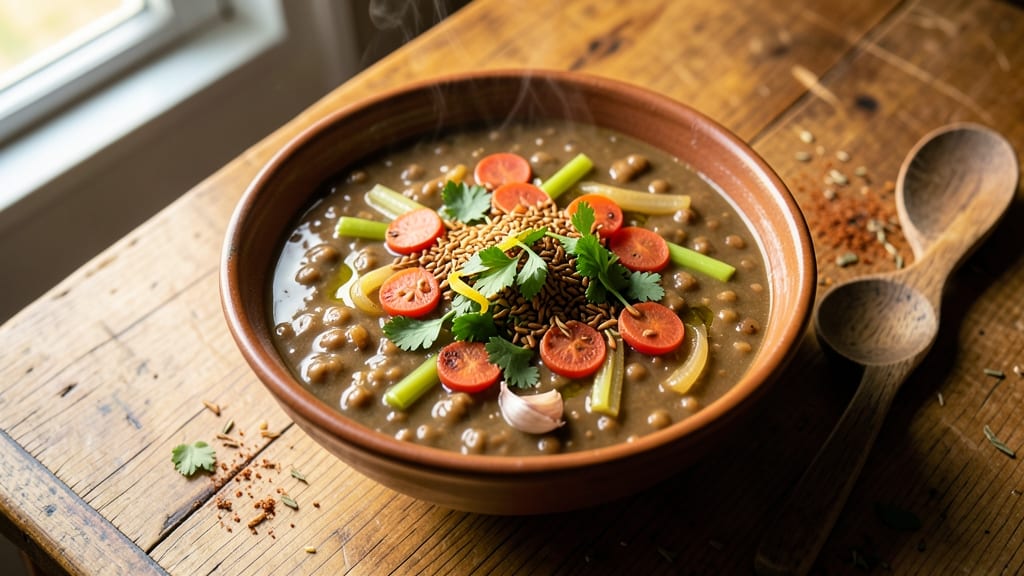
This biblical lentil soup recipe transports you to ancient kitchens where lentils sustained entire households through lean times. The earthy, hearty flavors of slow-cooked lentils, aromatic vegetables, and fragrant herbs mirror the nourishing meals described in biblical texts—simple yet deeply satisfying.
What makes this recipe special is its adherence to traditional preparation methods, where lentils were often the cornerstone of meals during fasting periods or when resources were scarce.
The beauty of this soup lies in its simplicity and versatility. With just a handful of ingredients—lentils, onions, carrots, celery, and a blend of herbs like parsley and thyme—you create a dish that’s both vegetarian-friendly and packed with protein and fiber.
The slow simmering process allows the flavors to meld together, creating a rich, comforting broth that’s perfect for cold weather or as a staple in your weekly meal rotation.
What you’ll achieve is a soup that’s not only delicious but also steeped in history. The lentils become tender yet hold their shape, while the vegetables caramelize slightly, adding depth to each spoonful. The herbs provide a bright, fresh contrast, ensuring every bite is balanced and flavorful.
This is more than just a meal—it’s a taste of tradition, a reminder of how simple ingredients can create something extraordinary.
Serve this soup with crusty bread or over a bed of rice to soak up every last drop of that flavorful broth. Whether you’re cooking for a family gathering or simply craving a comforting meal, this biblical lentil soup delivers warmth, nourishment, and a connection to the past.
Let’s get started on this timeless recipe.
Ingredients for biblical lentil soup
Simple ingredients that honor ancient traditions, creating a soup rich in both flavor and history.
| Ingredient | Amount | Notes |
|---|---|---|
| Brown Lentils 🌾 | 1 ½ cups | Rinsed thoroughly before cooking |
| Yellow Onions 🧅 | 1 whole | Medium size, diced finely |
| Carrots 🥕 | 2 medium | Peeled and chopped into bite-sized pieces |
| Celery Stalks 🧄 | 3 whole | Diced, includes leafy tops |
| Garlic Cloves 🧄 | 4 cloves | Minced finely for aromatic depth |
| Fresh Parsley 🌿 | ¼ cup | Chopped, stems included |
| Fresh Thyme 🌿 | 1 tbsp | Leaves only, finely chopped |
| Vegetable Broth 💧 | 6 cups | Low-sodium preferred for balance |
| Extra-Virgin Olive Oil 🫒 | 2 tbsp | For sautéing vegetables |
| Tomato Paste 🍅 | 2 tbsp | Unsweetened, for depth |
| Bay Leaves 🌿 | 2 whole | Dried, removed before serving |
| Salt 🧂 | 1 ½ tsp | Diamond Crystal preferred |
| Black Peppercorns 🌶️ | ½ tsp | Freshly cracked for texture |
| Lemon Juice 🍋 | 1 tbsp | Freshly squeezed for brightness |
| Cumin Seeds 🌿 | ½ tsp | Toasted lightly for warmth |
The lentils are the heart of this dish—French green or brown lentils hold their shape beautifully when cooked. For the best quality, shop for organic lentils from bulk bins at Whole Foods or Trader Joe's, where they're typically packaged in sturdy, airtight containers. The onions, carrots, and celery should be fresh and firm, with vibrant colors indicating peak flavor. If using dried herbs, opt for Penzeys brand for their superior quality and consistent flavor profiles. The vegetable broth is non-negotiable—low-sodium versions like Pacific Foods ensure you control the seasoning perfectly.
No fresh parsley? Dried parsley at one-third the amount works in a pinch, though it lacks the bright freshness. Substituting carrots for parsnips adds a subtle sweetness, while swapping celery for fennel brings an anise-like depth. The tomato paste can be replaced with 1/4 cup crushed tomatoes if unavailable, though it won't provide the same concentrated flavor. For extra richness, add 1 tbsp nutritional yeast at the end—it mimics the umami of meat without compromising the vegetarian integrity. The cumin seeds must be toasted—heat them in a dry pan for 30 seconds until fragrant before adding to the pot.
This soup tastes even better the next day as flavors meld. Store leftovers in glass containers with tight lids in the refrigerator for up to 5 days. For longer storage, freeze in 1-cup portions—simply thaw overnight in the fridge before reheating. The herbs can be prepped ahead and stored in the freezer for up to 3 months in an airtight container. When reheating, add a splash of water or broth to maintain the perfect consistency.
Why You'll Love This Recipe
- No Chopping Struggle: I swear by this recipe because the onions, carrots, and celery go in whole—no dicing, no crying over tiny pieces. Just rough chop the celery stalks, peel the carrots, and slice the onions thick. The soup softens everything anyway, so you’re off the clock in minutes.
- Garlic Bomb Depth: That moment when you crush the garlic cloves into the pot and the kitchen smells like heaven? Unmatched. The lentils soak up the roasted garlic flavor like a sponge, giving you that rich, savory punch without needing fancy ingredients. Honestly, it’s the star of the show.
- Meal Prep MVP: Between us, this is my go-to for busy mornings. Cook a big batch on Sunday, and you’ve got hearty lunches all week—just reheat and add fresh herbs. The lentils hold up perfectly, and the carrots stay tender. Even my picky husband grabs seconds.
- Pantry Goldmine: Brown lentils and onions? Check. Carrots and celery? Probably in your fridge. Garlic? Always. This soup costs next to nothing but feels like a restaurant meal. Plus, leftovers taste just as good the third day—if they last that long.
Step-by-step instructions for biblical lentil soup
This ancient recipe transforms simple ingredients into a rich, earthy soup with layers of herbal complexity.
Toast the Cumin Seeds and Sauté the Vegetables
Heat the 2 tablespoons extra-virgin olive oil in a large pot over medium heat. Add the 0.5 teaspoon cumin seeds and toast them for 30 seconds until fragrant and slightly golden—this releases their warm, nutty aroma. Remove the seeds with a slotted spoon and set aside for garnish later.
In the same pot, add the 1 whole yellow onion, 2 medium carrots, and 3 whole celery stalks. Cook for 8-10 minutes until the vegetables soften and the onion becomes translucent. Stir occasionally to prevent browning. The vegetables should release their natural juices, creating a fragrant base for the soup.
Deepen the Flavor with Tomato Paste and Garlic
Reduce the heat to medium-low and stir in the 2 tablespoons tomato paste. Cook for 2-3 minutes until the paste darkens slightly and blends seamlessly with the vegetables. This step intensifies the umami depth of the soup, a technique borrowed from ancient culinary traditions.
Add the 4 cloves minced garlic and cook for another 30 seconds until the raw garlic aroma disappears. Be careful not to let it burn—garlic turns bitter quickly. The garlic will infuse the soup with its pungent, aromatic qualities, balancing the earthy lentils.
Simmer the Lentils in Vegetable Broth
Rinse the 1.5 cups brown lentils thoroughly under cold water to remove any debris. Add them to the pot along with the 6 cups vegetable broth, 2 whole bay leaves, 1.5 teaspoons salt, and 0.5 teaspoon black peppercorns. Bring to a boil over high heat, then reduce the heat to low and let it simmer for 30-35 minutes.
During this time, the lentils will soften and absorb the flavors of the broth and aromatics. Stir occasionally to prevent the lentils from sticking to the bottom of the pot. The soup should reduce slightly, creating a thicker, more concentrated broth. Taste the lentils—they should be tender but still hold their shape, with a slight bite.
Finish with Herbs and Lemon Juice
Once the lentils are tender, stir in the 1 tablespoon fresh thyme and 0.25 cup fresh parsley. Remove the pot from heat and let it sit for 5 minutes to allow the flavors to meld. Then, stir in the 1 tablespoon lemon juice and the reserved toasted cumin seeds. The lemon brightens the soup, cutting through the richness of the lentils and herbs.
Taste and adjust the seasoning if needed. The soup should be well-balanced, with a harmonious blend of earthy lentils, aromatic vegetables, and bright herbal notes. Serve the soup immediately, garnished with additional fresh parsley and a sprinkle of toasted cumin seeds for a touch of crunch and visual appeal.
Pro Tips For Making Biblical Lentil Soup
- Sear the Onions First: After chopping your yellow onions, don’t just toss them in raw—get them golden brown in 3-4 minutes on medium-high heat. I learned this the hard way when my soup tasted bland because I skipped this step. The caramelized onions add depth that nothing else can.
- Rinse Lentils Like You Mean It: Brown lentils need a thorough rinse under cold water before cooking—rub them between your fingers to remove any dust or debris. I used to just splash them in the pot, but rinsing properly cuts down on bitterness and ensures they cook evenly.
- Don’t Crowd the Pot: If you’re simmering the carrots, celery, and onions, give them space—they’ll release more flavor into the soup. I once packed them in too tight, and the soup turned out watery and underseasoned. A loose layer means better browning and richer taste.
- Add Garlic Late: Toss in the minced garlic just 5 minutes before the lentils are done—it burns easily and can turn bitter if left too long. I was skeptical at first, but the fresh, bright garlic flavor makes a real difference in the final dish.
Wine and beer pairings for biblical lentil soup
Earthy Red Wine
For this hearty biblical lentil soup, I recommend a medium-bodied red wine like Chianti or Pinot Noir. The acidity in Chianti cuts through the richness of the lentils while its earthy notes complement the caramelized onions and herbs.
A Sangiovese-based Chianti from Tuscany brings vibrant cherry flavors that harmonize beautifully with the soup’s herbal profile. Serve slightly chilled to enhance the wine’s freshness and balance the warm spices. 🍷
Crisp White Wine
If you prefer white wine, opt for a dry, aromatic variety such as Vermentino or Gewürztraminer. Vermentino’s citrusy brightness mirrors the lemon juice in the soup, while Gewürztraminer’s lychee and floral notes add an unexpected but delightful contrast to the earthy lentils.
Both wines pair exceptionally well with the soup’s herbal finish, cleansing your palate between spoonfuls.
Light Beer Pairings
A crisp lager like Peroni or Heineken works wonderfully with this soup, as its light body and subtle hop bitterness won’t overpower the dish.
For a more adventurous option, try a Belgian witbier such as Hoegaarden—its coriander and citrus notes echo the lemon juice and fresh herbs in the soup. Serve the beer well-chilled to highlight its refreshing qualities against the soup’s warmth. 🍺
Herbal Infusions
For a non-alcoholic pairing, consider an herbal tea like hibiscus with mint or rosemary-infused sparkling water. The tartness of hibiscus tea enhances the soup’s depth, while the mint adds a refreshing contrast.
If you prefer something sparkling, mix sparkling water with a splash of lemon juice and a pinch of salt for a bright, palate-cleansing accompaniment that mirrors the soup’s citrusy finish.
Bread Pairings
No pairing is complete without crusty bread to soak up every last drop of that flavorful broth. I love serving this soup with sourdough or focaccia, both of which complement the soup’s earthy tones.
For extra texture, toast the bread and rub it with a garlic clove before serving—it adds a delightful aromatic touch that ties back to the soup’s garlic and herbs. 🥖
Nutrition facts
Frequently asked questions
Can I substitute brown lentils for green lentils in this recipe?
Yes, but with one key difference: brown lentils cook faster (25-30 minutes) and become slightly softer, while green lentils hold their shape better (30-35 minutes). For a more traditional "biblical" texture, stick with green lentils—they were the most common variety in ancient Near Eastern diets and maintain their firmness for a heartier bite.
Why does the recipe call for rinsing the lentils?
Rinsing removes dirt, debris, and excess starch that can make the soup too thick or cloudy. Ancient cooks didn't have modern cleaning methods, but they still understood the importance of preparing grains properly—this step mimics traditional techniques that ensured cleaner, better-textured dishes. Skip it only if your lentils are pre-washed and organic.
How can I make this soup more flavorful if I don't have fresh herbs?
Use 1 teaspoon dried parsley and 0.5 teaspoon dried thyme (one-third the fresh amount), but toast them lightly in a dry pan for 30 seconds to awaken their flavors. For extra depth, add 1/2 teaspoon smoked paprika or a pinch of ground coriander—both were used in ancient Middle Eastern cooking to enhance earthy dishes.
Can I make this soup in an Instant Pot or pressure cooker?
Sauté the vegetables as directed, then add all remaining ingredients (including lentils) and cook on high pressure for 12 minutes. Release pressure naturally, then finish with herbs and lemon juice. The soup will be even more flavorful due to the pressure-cooking process, which infuses the broth quickly. Just reduce the broth by 1 cup to compensate for the faster cooking time.
What makes this recipe "biblical" beyond just the ingredients?
This recipe reflects historical cooking methods: slow simmering in clay pots (mimicked by your Dutch oven), the use of olive oil and herbs common in ancient Israel, and the reliance on lentils—a staple during fasting periods mentioned in biblical texts (e.g., Esau selling his birthright for a "mess of pottage" in Genesis 25:34). The technique mirrors what scholars believe early Jewish and Christian communities used for nourishing, protein-rich meals.