
Soups & Stews
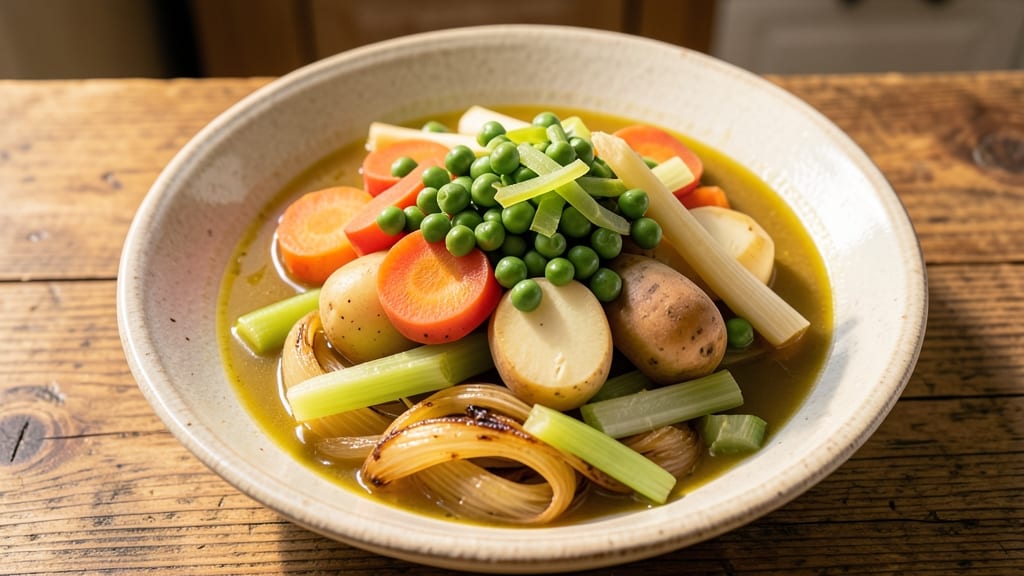
Betty Crocker vegetable soup delivers the kind of hearty comfort that turns chilly days into cozy memories—packed with hidden vegetables that add nutrition without sacrificing taste.
This classic recipe transforms simple ingredients into a rich, flavorful broth that feels like a hug in a bowl, perfect for vegetarians who still crave depth and satisfaction. The secret lies in slow simmering, which melds the vegetables into a velvety, aromatic base that’s both nourishing and indulgent.
What sets this soup apart is its ability to balance tender vegetables with a savory broth, creating a dish that’s as nutritious as it is comforting. The recipe relies on pantry staples—carrots, celery, onions, and potatoes—while sneaking in leafy greens or peas for extra goodness.
A touch of cream or butter at the end adds a luxurious finish, making it feel like a restaurant-worthy meal without the fuss.
By the time you ladle this soup into bowls, you’ll have a warm, inviting dish that’s ideal for meal prep, potlucks, or a quick weeknight dinner. The flavors deepen as it sits, and the texture becomes impossibly smooth, with just enough bite from the vegetables to keep it interesting.
Serve it with crusty bread or a sprinkle of fresh herbs to elevate it further.
This recipe is designed to be foolproof yet flexible, so you can adjust the vegetables based on what’s fresh or seasonal. The key is patience—letting the soup simmer until every ingredient softens into harmony.
Once you taste the result, you’ll understand why this vegetable soup has been a kitchen staple for generations.
Ingredients for betty crocker vegetable soup
Pantry staples and seasonal veggies. Simmered slow for velvety comfort that's secretly nutritious.
| Ingredient | Amount | Notes |
|---|---|---|
| Yellow Onions 🧅 | 1 ½ cups | Diced, medium dice preferred |
| Carrots 🥕 | 2 cups | Peeled, sliced into rounds |
| Celery Stalks 🧄 | 3 whole | Diced, stringy bits removed |
| Russet Potatoes 🥔 | 2 lbs | Peeled, cubed into 1-inch pieces |
| Fresh Parsnips 🥕 | 1 lb | Peeled, sliced into rounds |
| Frozen Peas 🌱 | 1 ½ cups | Thawed, no need to peel |
| Fresh Spinach 🍃 | 4 cups | Chopped, stems removed |
| Vegetable Broth 💧 | 6 cups | Low-sodium preferred |
| Heavy Cream 🥛 | ½ cup | Full-fat for richness |
| Unsalted Butter 🧈 | 2 tbsp | Cold, for finishing |
| All-Purpose Flour 🌾 | 2 tbsp | For thickening roux |
| Garlic Cloves 🧄 | 4 cloves | Minced, for depth |
| Bay Leaves 🌿 | 2 whole | Dried, removed before serving |
| Kosher Salt 🧂 | 1 ½ tsp | Diamond Crystal preferred |
| Ground Black Pepper 🌶️ | ½ tsp | Freshly cracked |
The onions, carrots, and celery form the holy trinity of soup flavor—buy them fresh and store them in the fridge for up to 1 week. I always grab organic carrots and celery from Trader Joe's when they're on sale, but regular grocery store brands work fine. For the potatoes, Russets hold up best to long cooking, but Yukon Golds add a creamier texture. Parsnips? They're the secret weapon here—substitute extra carrots if you can't find them. The frozen peas and spinach add color and nutrients without overpowering the broth.
No fresh spinach? Frozen works just as well—just thaw it first. Short on parsnips? Sweet potatoes or extra carrots keep the sweetness balanced. The vegetable broth is non-negotiable—low-sodium versions like Pacific Foods or homemade let you control the salt. For extra richness, add a splash of coconut milk instead of cream. And if you're watching calories, reduce the cream to 2 tbsp and use Greek yogurt for tang.
This soup tastes even better the next day—make a double batch and freeze half for lazy weeknights. Store leftovers in airtight containers for 4-5 days, or freeze for up to 3 months. I like to portion it into 4-cup containers so I can grab and reheat exactly what I need. For extra flavor, stir in a pat of butter and a splash of cream when reheating—trust me on this.
Why You'll Love This Recipe
- No-Chop Needed: Honestly, this recipe is one of those rare ones where you can almost skip chopping. Sure, the onions, carrots, and celery need a decent dice, but the potatoes and parsnips just get peeled and cubed—no fancy knife skills required. And if you’re in a real rush, frozen peas and spinach mean no extra prep time there either.
- Creamy Without Being Heavy: That half cup of heavy cream and cold butter at the end? Game-changer. It turns this into a velvety soup that’s rich but not cloying—like a warm, cozy blanket for your taste buds. The potatoes and parsnips soak up the cream just right, giving you that perfect balance of heartiness and silkiness.
- Leftover Magic: I make this on Sunday, and by Wednesday, I’m still eating it. The flavors deepen with time, and reheating is a breeze—just add a splash of broth to bring back that creamy texture. Freezes beautifully too, so you’ve got a backup for those nights when you’re too tired to cook.
- Budget-Friendly Feast: Two pounds of potatoes, a whole bag of carrots, and a few other pantry staples? This soup stretches far for the cost. It’s the kind of meal that fills everyone up without breaking the bank, and you can even double the recipe for leftovers or to share.
Step-by-step instructions for betty Crocker vegetable soup recipe
Here's how to build a rich, velvety vegetable soup that's heartier than store-bought but just as easy.
Sauté the Vegetable Base
Melt the 2 tablespoons unsalted butter in a large pot over medium heat. Add the 1½ cups diced yellow onions, 2 cups sliced carrots, 3 diced celery stalks, and 4 minced garlic cloves. Cook for 8-10 minutes, stirring occasionally, until the vegetables soften and the onions become translucent.
This slow cooking develops deep flavor through caramelization. If the vegetables start to stick, add ½ cup vegetable broth to deglaze and scrape up any browned bits from the bottom of the pot. These bits are packed with flavor that makes the soup taste homemade.
Build the Roux and Add Potatoes
Sprinkle the 2 tablespoons all-purpose flour over the sautéed vegetables and stir for 1-2 minutes to create a light roux. This will help thicken the soup later. Pour in the 6 cups vegetable broth and add the 2 bay leaves, 1½ teaspoons kosher salt, and ½ teaspoon ground black pepper. Stir well to combine.
Add the 2 lbs cubed russet potatoes and 1 lb sliced fresh parsnips. Bring the mixture to a boil, then reduce heat to medium-low and let it simmer uncovered for 15-20 minutes, stirring occasionally. The potatoes should be tender but not falling apart—this ensures they hold their shape in the finished soup.
Add the Remaining Vegetables
After the potatoes are tender, stir in the 1½ cups thawed frozen peas and 4 cups chopped fresh spinach. Cook for another 5 minutes until the spinach wilts completely. The peas will absorb some of the broth, but they'll stay bright green and slightly crisp.
Here's the thing—adding the spinach last ensures it stays vibrant and doesn't turn mushy. If the soup seems too thick at this point, add ½ cup more vegetable broth to reach your desired consistency. Taste and adjust seasoning if needed.
Finish with Cream and Butter
Remove the 2 bay leaves and stir in the ½ cup heavy cream and remaining 2 tablespoons unsalted butter. Simmer gently for 3-5 minutes until the soup is smooth and creamy. The cream adds richness without overpowering the vegetable flavors.
For the final touch, I like to taste and adjust the seasoning one more time. The cream can sometimes dilute the saltiness, so don't be afraid to add a pinch more kosher salt if needed. The soup should be rich, comforting, and perfectly balanced.
Serve Warm with Crusty Bread
Ladle the soup into bowls and serve immediately. The warmth of the soup paired with crusty bread makes this dish feel like a cozy hug. If you're serving leftovers, store them in an airtight container in the refrigerator for up to 3 days or freeze for 3 months. Reheat gently on the stove with a splash of broth or water to restore creaminess.
This soup is the ultimate comfort food—packed with vegetables but so creamy and satisfying that no one will guess it's good for them. The secret is in the slow cooking and the perfect balance of textures and flavors.
Pro Tips For Making Betty Crocker Vegetable Soup
- Deglaze Like a Pro: When your onions start sticking after 8-10 minutes of sautéing, don’t just add broth—scrape the browned bits off the bottom first. Those caramelized bits are pure flavor gold, and skipping this step means losing the depth that makes homemade soup taste better than canned. Use a wooden spoon to really dig in and lift everything up.
- Cut Potatoes Uniformly: I used to eyeball potato sizes, and some chunks would turn to mush while others stayed rock-hard. For this recipe, stick to 1-inch cubes—no smaller, no larger. Russet potatoes need that consistent size to cook evenly in the 15-20 minute simmer, so grab a knife and measure with your fingers if you have to. Trust me, your soup will thank you.
- Salt the Broth Early: The recipe calls for adding the 1.5 teaspoons kosher salt when you pour in the 6 cups vegetable broth, and that’s not a mistake. Salting the broth upfront lets the flavors meld better during the simmer, rather than waiting until the end when the cream can dilute it. Taste the broth before adding potatoes—if it’s bland, add a pinch now, not later.
- Finish with Cold Butter: The recipe says to use cold butter for finishing, and that’s not just for show—it emulsifies the soup beautifully without breaking the cream. Cut those 2 tablespoons into tiny cubes and let them melt slowly into the simmering soup. If you melt the butter first, you’ll end up with a greasy, separated mess instead of that silky texture.
Make-ahead tips for betty crocker vegetable soup
Double-Batch Prep
Make this soup in double batches—it's perfect for meal prep! Use a large stockpot (8-quart or bigger) to accommodate all ingredients at once. I like to divide the finished soup into two 4-cup airtight containers (like Glasslock or Pyrex) for easy grab-and-go portions.
The flavor actually deepens overnight, making it ideal for busy weeknights. 💡
Freezer-Friendly Packaging
For long-term storage, portion the soup into freezer-safe bags or silicone molds (like Stasher bags). Leave 1-inch headspace to prevent expansion cracks. Label each bag with the date—this soup stays fresh for up to 3 months in the freezer.
When ready to eat, thaw overnight in the fridge or reheat directly from frozen using the stovetop method below. ❄️
Stovetop Reheating
Reheating on the stove preserves the creamy texture better than microwaving. Transfer frozen soup to a pot and add ¼ cup vegetable broth or water per 4 cups of soup. Heat over medium-low for 10-15 minutes, stirring occasionally, until steaming.
If it looks too thick, add a splash more liquid. For extra richness, stir in 1 tablespoon butter or 2 tablespoons heavy cream at the end. 🔥
Microwave Shortcuts
For quick reheating, transfer 1-2 cups of soup to a microwave-safe bowl. Cover loosely with a microwave-safe lid or damp paper towel. Heat on medium power (50-70%) for 2-3 minutes, stirring halfway.
Add 1 tablespoon broth or water if needed to restore creaminess. Avoid high power—it can make the soup watery and lose its velvety texture. ✨
Fridge Storage Tips
Store leftovers in an airtight container (like Rubbermaid Brilliance) in the fridge for up to 5 days. The soup tastes even better the next day as flavors meld together.
To reheat from the fridge, use the stovetop method above. For extra flavor, add a pinch of salt or a dash of black pepper before reheating—it brightens up the soup. 💫
Souper Bowl Prep
Prep individual servings in soup mugs or small bowls for easy grab-and-go meals. Store them in a stackable container (like Rubbermaid Food Storage) to save fridge space. When ready to eat, microwave for 1-2 minutes or heat on the stove for 3-5 minutes.
Garnish with a sprinkle of fresh parsley or a drizzle of cream for a restaurant-style finish. 🥄
Nutrition facts
Frequently asked questions
Can I make this soup without heavy cream?
For a lighter version, skip the cream and use ½ cup coconut milk or 2 tablespoons Greek yogurt instead. The soup will still be rich and creamy. If you prefer dairy-free, extra vegetable broth works too—just adjust seasoning afterward. The flavor stays hearty without the cream!
Why do the potatoes need to be cubed into 1-inch pieces?
Cubing the potatoes into 1-inch pieces ensures they cook evenly and hold their shape without turning mushy. Larger chunks take too long to soften, while smaller pieces dissolve into the broth. This method keeps the soup texturally satisfying with tender veggies and creamy broth.
How do I adjust the seasoning if the broth is low-sodium?
Since you're using low-sodium broth, taste and add ½ teaspoon kosher salt at a time while simmering. The cream and butter in Step 4 can dilute saltiness, so check seasoning again after adding them. A pinch of black pepper or a dash of Worcestershire sauce (if vegetarian) also boosts depth.
Can I use sweet potatoes instead of parsnips?
Yes! Replace the 1 lb parsnips with 1 lb sweet potatoes, sliced into rounds. They’ll add natural sweetness that pairs beautifully with the cream. Just reduce simmering time by 5 minutes—sweet potatoes soften faster than parsnips.
What’s the best way to reheat leftovers without making it watery?
Gently reheat on the stove over medium-low heat, stirring often, and add 1 tablespoon broth per 4 cups of soup to restore creaminess. Avoid microwaving—it breaks down the texture. For extra richness, stir in 1 tablespoon butter at the end. The soup tastes even better after reheating!