
Soups & Stews
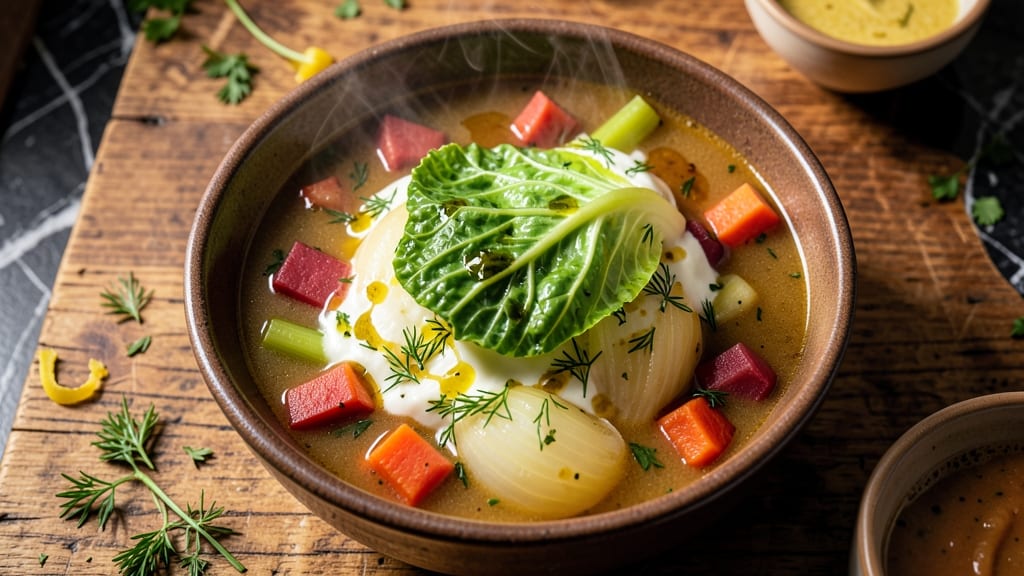
Betty Crocker's cabbage soup recipe transforms humble ingredients into a hearty, one-pot masterpiece that's as comforting as it is nourishing. This classic vegetarian soup delivers bold flavors with tender cabbage, savory herbs, and a rich broth that warms you from the inside out—perfect for chilly evenings or meal prep. The secret lies in slow simmering, which allows the cabbage to soften while developing deep, caramelized notes that elevate every spoonful.
What sets this recipe apart is its simplicity—just a handful of pantry staples and 30 minutes of hands-on time, yet the result is restaurant-quality depth.
The soup builds flavor through layered seasonings: garlic, onion, and bay leaf form the aromatic base, while a splash of apple cider vinegar brightens the broth without overpowering. The one-pot method ensures minimal cleanup, making it ideal for busy weeknights or family dinners where convenience meets comfort.
By the time you ladle this soup into bowls, you'll notice the cabbage's natural sweetness balanced by the herbs' earthy warmth, and the broth's velvety texture that clings to every bite.
The recipe's flexibility lets you customize it—add diced potatoes for heartiness or a pinch of red pepper flakes for subtle heat. It reheats beautifully too, ensuring leftovers taste just as good the next day.
Serve with crusty bread to soak up every last drop, or pair it with a simple green salad for a complete meal. This is the kind of soup that becomes a household staple, offering both nourishment and satisfaction in every bowl. Let's get cooking!
Ingredients for betty crocker cabbage soup
Pantry staples meet fresh herbs in this one-pot cabbage soup masterpiece.
| Ingredient | Amount | Notes |
|---|---|---|
| Yellow Onion 🧅 | 1 whole | Diced, medium size preferred |
| Garlic Cloves 🧄 | 4 cloves | Minced for aromatic base |
| Carrots 🥕 | 3 medium | Peeled and chopped into rounds |
| Green Cabbage 🥬 | 1 small | Shredded, core removed |
| Celery Stalks 🌿 | 3 medium | Diced, leafy parts trimmed |
| Vegetable Broth 💧 | 6 cups | Low-sodium preferred |
| Apple Cider Vinegar 🍎 | 1 tbsp | For brightness and depth |
| Fresh Thyme 🌿 | 1 tbsp | Leaves only, chopped |
| Fresh Parsley 🌿 | ¼ cup | Chopped, for garnish |
| Bay Leaves 🍃 | 2 whole | Remove before serving |
| Salt 🧂 | 1 ½ tsp | Kosher or sea salt |
| Black Pepper 🌶️ | ½ tsp | Freshly ground preferred |
| Olive Oil 🫒 | 2 tbsp | Extra-virgin for richness |
| Potatoes 🥔 | 2 medium | Optional, diced for heartiness |
The cabbage is the star—look for firm heads with crisp leaves at the grocery store, not those sad, wilted ones. Whole Foods or your local farmers market usually have the freshest. If you're using the outer leaves, trim away any bruised spots. The carrots and celery should be bright and crisp too—Wilking brand celery stays fresh longer. For the broth, low-sodium vegetable broth is key—it lets the natural flavors shine without overpowering. I always keep a box of Pacific Foods in my pantry for this recipe.
No fresh thyme? Dried works at half the amount, but fresh has that bright, piney note. Short on vinegar? Lemon juice at the same quantity gives a similar tang. The potatoes are optional but add great texture—Yukon Golds hold up best. For extra depth, a pinch of smoked paprika or red pepper flakes adds warmth. If you're prepping ahead, chop all your veggies first—they'll keep in the fridge for 3 days before wilting.
This soup keeps beautifully—5 days in the fridge or 3 months frozen. The flavors actually deepen overnight, so make extra. I like to freeze portions in quart-sized containers for quick lunches. For serving, a sprinkle of fresh parsley brightens everything up. The one-pot method means minimal cleanup—just a big pot to wash. Store leftovers covered, and reheat gently on the stove with a splash of broth if needed.
Why You'll Love This Recipe
- One-Pot Magic: I swear by this recipe when I’m too tired to scrub a million dishes—just chop the onion, celery, and carrots (no fancy knife skills needed), toss them in a pot with the cabbage and garlic, and let the broth do the work. The cabbage practically melts into tender perfection while the carrots stay just crisp enough.
- Garlic Bomb Flavor: That moment when you crush fresh garlic into the simmering broth? Pure satisfaction. The Betty Crocker version balances it with just enough savory depth so it’s never overpowering—especially when you add a splash of vinegar at the end. My husband always asks, “What’s in this?” before realizing it’s just the garlic doing its thing.
- Lunchbox Hero: Between us—this soup is my secret weapon for meal prep. I make a big batch on Sundays, and it stays fresh for days. Pack it in thermoses for work or school lunches; the cabbage holds up better than you’d think, and the carrots add a satisfying crunch. (Yes, even on a Tuesday night.)
- Pantry Cleanser: Honestly, this recipe is my go-to when I’ve got random veggies lurking in the fridge. Toss in whatever’s left—extra onion, a stray potato, or even some leftover ham—and it turns into something new. It’s the kind of soup that makes you feel accomplished without breaking the bank or your sanity.
Step-by-step instructions for Betty Crocker's cabbage soup recipe
This one-pot herb-infused soup delivers hearty flavor and comforting texture with minimal effort.
Sauté the Vegetable Base
Heat the 2 tablespoons olive oil in a large Dutch oven or deep pot over medium heat. Add the 1 whole yellow onion (diced) and 3 medium celery stalks (diced) and cook for 5 minutes, stirring occasionally, until softened. The onions should turn translucent and the celery slightly tender.
Add the 3 medium carrots (chopped into rounds) and continue cooking for another 3 minutes until they begin to soften. This foundational step builds flavor through caramelization. If the vegetables start to brown too quickly, reduce heat slightly to prevent burning.
Add Aromatics and Broth
Stir in the 4 cloves garlic (minced) and cook for 30 seconds until fragrant—this releases the garlic's full flavor without burning. Add the 1 small green cabbage (shredded) and 2 medium potatoes (diced), stirring to combine with the other vegetables.
Pour in the 6 cups vegetable broth and bring the mixture to a gentle boil. Once boiling, reduce heat to medium-low and let it simmer uncovered for 15 minutes. This initial simmer allows the vegetables to soften and the flavors to meld together before adding the finishing touches.
Season and Simmer
Add the 2 whole bay leaves, 1 tablespoon fresh thyme (chopped), 1 tablespoon apple cider vinegar, 1.5 teaspoons salt, and 0.5 teaspoon black pepper. Stir gently to distribute the seasonings evenly. The vinegar adds brightness while the herbs deepen the flavor profile.
Continue simmering for 20-25 minutes until the potatoes are fork-tender and the cabbage has softened. You'll know it's ready when the vegetables are easily pierced with a fork and the soup has thickened slightly from the natural release of vegetable starches. Taste and adjust seasoning if needed—this is your opportunity to perfect the balance of flavors.
Finish and Serve
Remove the 2 whole bay leaves using a slotted spoon or tongs. Stir in the 0.25 cup fresh parsley (chopped) just before serving to add freshness and vibrant color. The parsley should be added at the end to preserve its bright flavor and prevent it from becoming bitter during cooking.
Ladle the soup into bowls and serve immediately while hot. Each spoonful should deliver a harmonious blend of earthy cabbage, sweet carrots, and aromatic herbs. The one-pot method ensures easy cleanup while delivering restaurant-quality flavor in your own kitchen.
Pro Tips For Making Betty Crocker Cabbage Soup
- Sweat the Veggies Right: I learned this the hard way—when the Betty Crocker recipe says to sauté onions, garlic, and celery, don’t rush it. Use medium heat and let them cook for 5-6 minutes until the onions turn translucent and the celery softens. Rushing this step makes the whole soup taste raw and bitter.
- Core the Cabbage Properly: Skip the messy guesswork: Remove the cabbage core by slicing off the top, then cutting straight down to the base with a sharp knife. Twist it out cleanly—this saves time and keeps your soup from looking like a vegetable graveyard. (Yes, even if you’re impatient like me.)
- Salt the Water Generously: The soup’s broth relies on flavor from the veggies, so don’t skimp on salt when boiling the water for the carrots or cabbage. Use at least 1½ teaspoons per quart—this guarantees the veggies absorb enough seasoning before they’re added to the pot.
- Shred Cabbage Fine: The recipe might say “chopped,” but fine shreds cook faster and blend into the soup more smoothly. Use a mandoline or knife to cut them into matchsticks—this prevents a watery, uneven texture. (Your future self will thank you.)
Essential equipment for perfect results
Pot Selection
A large Dutch oven (like the Le Creuset 6-quart) is my go-to for this recipe—its deep sides prevent spills and the heavy base distributes heat evenly. If you don’t have one, a 5-6 quart heavy-bottomed pot (such as All-Clad Stainless) works just as well.
Avoid thin aluminum pots—they can’t maintain consistent heat, leading to uneven cooking. For smaller batches, a 4-quart saucepan suffices, but reduce broth to 4 cups to maintain proper proportions. 🔥
Knife Essentials
Invest in a sharp chef’s knife (I love the Mercer Culinary Genesis) for dicing onions, celery, and carrots efficiently. A mandoline (like the OXO Good Grips) speeds up shredding cabbage but requires caution—always use the safety guard.
For mincing garlic, a garlic press (such as OXO’s) is a game-changer, saving time and ensuring even texture. Keep a cutting board (I prefer teak for durability) to protect your knives and provide stability during prep.
Measuring Tools
Precision matters for seasoning—use a stainless steel measuring spoons (like OXO’s) for accurate 1.5 tsp salt and 0.5 tsp pepper. A digital kitchen scale (such as the Escali Primo) is ideal for weighing fresh herbs like thyme and parsley, ensuring consistent flavor.
For liquids, a liquid measuring cup (like Pyrex’s) with clear markings prevents overfilling the broth. Don’t skimp on these basics—they’re the backbone of repeatable results. ✨
Heat Control
A long-handled wooden spoon (like Ozeri’s) is perfect for stirring without burning your fingers. For temperature control, a thermometer (such as the Thermoworks Thermapen) helps monitor broth heat—ideal simmer range is 185-200°F.
If you’re new to Dutch ovens, a pot holder (like OwlCrate’s) protects your hands when handling the hot pot. Avoid metal utensils that can scratch the pot’s surface over time.
Optional Upgrades
For extra convenience, a slow cooker (like the Hamilton Beach 6-quart) lets you prep ingredients in the morning and return to a ready-to-serve soup by evening. A fine-mesh strainer (such as OXO’s) helps remove bay leaves cleanly.
If you love garnishes, a microplane (like Barbagiano’s) zests fresh herbs for a vibrant finish. These tools aren’t mandatory but elevate the experience for frequent cooks. 💡
Nutrition facts
Frequently asked questions
Can I make this cabbage soup without potatoes?
While potatoes add heartiness, this soup works beautifully without them. Simply reduce the simmering time to 15-20 minutes total (after adding broth) to ensure the cabbage and carrots soften properly. The flavor will still be rich and comforting—just slightly lighter in texture.
How can I make this soup spicier?
Add a pinch of red pepper flakes (½ teaspoon) when you add the bay leaves, or stir in ½ teaspoon cayenne pepper for heat. For a smoky kick, swap ½ teaspoon of the salt for smoked paprika. Taste as you go—you can always adjust more after the first simmer.
Is this soup gluten-free?
Yes, this recipe is naturally gluten-free as long as you use a certified gluten-free vegetable broth. Double-check the label, as some broths contain wheat-based additives. The rest of the ingredients (veggies, herbs, vinegar) are all gluten-free by default.
Can I prep this soup ahead of time?
This soup actually tastes better the next day! Store it in the fridge for up to 5 days or freeze for 3 months. Reheat gently on the stove with a splash of broth to restore its velvety texture. The flavors deepen overnight, making it perfect for meal prep.
What if my cabbage tastes bitter?
Bitter cabbage usually means it overcooked. To fix it, reduce simmering time to 15 minutes total (after adding broth) and check for tenderness at 10 minutes. If using older cabbage, add ½ teaspoon sugar when sautéing the base to balance the bitterness.