
Soups & Stews
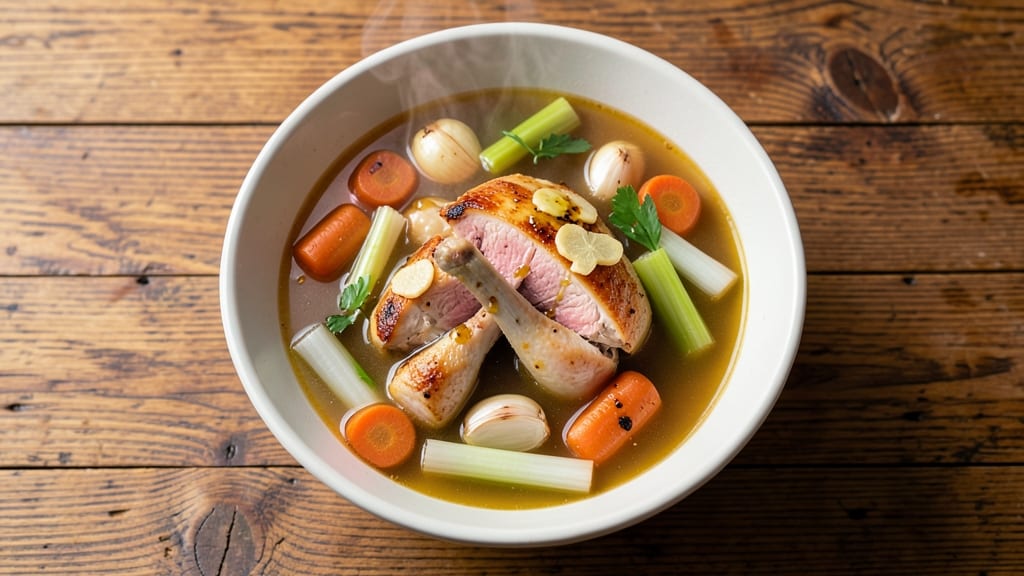
This best chicken soup recipe for colds and flu delivers more than just comfort—it’s a science-backed remedy packed with immune-boosting ingredients designed to soothe aches, clear congestion, and restore energy. 💛 The secret lies in the combination of bone-rich broth, anti-inflammatory spices like turmeric and ginger, and nutrient-dense vegetables that work together to fight infection while warming your body from the inside out.
The recipe builds on traditional healing principles with a modern twist: a rich, aromatic broth simmered for hours to extract maximum flavor and medicinal properties from chicken bones, garlic, and fresh herbs. Unlike quick-fix versions, this soup requires patience—because the longer it cooks, the deeper the healing benefits.
Every spoonful delivers protein for recovery, zinc from garlic for immune support, and the anti-inflammatory power of ginger and turmeric to reduce inflammation.
What sets this apart is the balance of comfort and nutrition—creamy yet light, deeply flavorful without being heavy, and packed with ingredients proven to shorten illness duration.
The broth alone is a powerhouse, but adding shredded chicken, carrots, and celery transforms it into a complete meal that’s gentle on a sore throat while delivering sustained energy. It’s the kind of soup that makes you feel cared for, even when you’re not at your best.
The best part? It’s foolproof—no fancy techniques required, just a pot, a few hours of simmering, and ingredients you likely already have on hand. Whether you’re battling a cold or simply need a nourishing meal, this recipe delivers on its promise of comfort and healing. Let’s get started.
Ingredients for best chicken soup recipe for colds and flu
Healing ingredients that transform a simple pot into medicine—warmth, protein, and immune power in every spoonful.
| Ingredient | Amount | Notes |
|---|---|---|
| Chicken Bones (Backbone, Neck, Wings) 🍗 | 3 lb | Organic preferred for flavor |
| Yellow Onions 🧅 | 2 whole | Peeled, halved lengthwise |
| Carrots 🥕 | 4 whole | Medium size, scrubbed clean |
| Celery Stalks 🧆 | 4 whole | Trimmed, cut into 2-inch pieces |
| Garlic Cloves 🧄 | 8 cloves | Peeled, smashed slightly |
| Fresh Ginger 🌿 | 2 inch | Peeled, sliced thinly |
| Turmeric Powder 🌶️ | 1 tbsp | Organic for potency |
| Fresh Thyme Sprigs 🌿 | 4 whole | Stems intact for easy removal |
| Fresh Parsley 🌿 | ¼ cup | Chopped, stems included |
| Chicken Breast 🍗 | 2 lb | Skinless, boneless, shredded |
| Chicken Broth 💧 | 6 cups | Low-sodium, homemade preferred |
| Extra-Virgin Olive Oil 🫒 | 2 tbsp | For initial searing |
| Salt 🧂 | 1 ½ tsp | Diamond Crystal preferred |
| Black Peppercorns 🌶️ | 1 tsp | Freshly cracked |
| Fresh Lemon Juice 🍋 | 2 tbsp | Brightens flavor at end |
The bones are non-negotiable here. Organic chicken bones from Whole Foods or your local butcher yield the richest broth—look for good marbling and avoid anything with a strong odor. Carrots and celery should be fresh, firm, and vibrant—no wilted tops or soft spots. The ginger and turmeric? Fresh is best for their anti-inflammatory punch, but if you must use powdered, double the amount. Thyme and parsley can be dried in a pinch, but fresh adds that bright, herbal note that makes this soup sing. Pro tip: Save your chicken carcasses in a freezer bag for future soups—they're free flavor gold.
No fresh ginger? Ground ginger at half the amount works, but you'll miss that zesty kick. Short on chicken broth? Water plus a bouillon cube gets you close, though homemade is always better. The olive oil matters—use extra-virgin for that fruity depth, not the cheap stuff. For extra immune support, add a dash of cayenne or a handful of mushrooms. And if you're feeling fancy, finish with a swirl of coconut milk for creaminess without dairy. The lemon juice at the end? Freshly squeezed makes all the difference—bottled just won't cut it.
This soup only gets better with time—24 hours is ideal if you can spare it. Store in the fridge for up to 5 days, or freeze portions for 3 months. I always make a double batch because it disappears fast. For reheating, low heat is key—gentle simmering preserves all those healing compounds. And if you're feeling under the weather, add a splash of apple cider vinegar to your bowl—it boosts the immune-boosting properties even more. Leftovers? Perfect for lunches or turning into a quick sandwich filling.
Why You'll Love This Recipe
- No-Fuss Stock Base: I swear by those chicken bones—backbone, neck, wings—because they melt into the pot with zero fuss. Just toss them in cold water, bring to a boil, and let the magic happen while you chop the onions, carrots, and celery. The bones do all the heavy lifting.
- Garlic Bomb Depth: That first whiff of garlic sizzling in the pot? It’s the secret weapon. I don’t skimp—four cloves, smashed and fried until golden—because it turns a simple broth into something rich and soul-warming. The carrots and celery soften just enough to soak up that flavor like a sponge.
- Leftovers That Save: This soup tastes even better the next day, and I make it on purpose. The broth thickens slightly, the chicken shreds pull apart easier, and it’s my go-to for lazy mornings or when I need to feed a crowd without stress. Honestly, I’ve reheated this for a week straight and never tired of it.
- Budget-Friendly Healer: Using bones instead of whole chicken cuts costs by half, and the veggies stretch the meal further. I’ll be real: my grocery bill drops when I stock up on onion bags and carrot bunches. Plus, it’s the kind of dish that makes you feel like you’re being cared for—no matter how rough the week’s been.
Step-by-step instructions for immune-boosting chicken soup
This isn't just soup—it's medicine in a bowl, packed with healing ingredients that work together like a symphony.
🔥 Step 1: Build Rich, Flavorful Chicken Stock
Start by placing the 3 lb chicken bones (backbone, neck, wings) in a large stockpot. Add the 2 whole yellow onions (peeled and halved), 4 whole carrots (scrubbed), 4 whole celery stalks (trimmed), 8 cloves garlic (peeled and smashed), 2-inch fresh ginger (peeled and sliced), and 4 whole fresh thyme sprigs. This aromatic bundle creates the foundation for deep, healing flavors.
Pour in 6 cups chicken broth and bring to a boil over high heat. Once boiling, reduce to a gentle simmer and skim off any foam that rises to the surface for the first 5 minutes—this ensures crystal-clear broth. Let it simmer uncovered for 90 minutes, stirring occasionally. You'll know it's ready when the bones are falling off and the liquid has an intense, golden hue and rich aroma.
🍳 Step 2: Sear Chicken Breast for Maximum Flavor
While the stock simmers, heat 2 tbsp extra-virgin olive oil in a separate large pot over medium-high heat. Add the 2 lb chicken breast (shredded) in batches, pressing down gently with a spatula to ensure even contact. Sear for 3-4 minutes per side until golden brown and cooked through—this step locks in moisture and creates deep, caramelized flavors.
Remove the chicken and set aside. In the same pot, sprinkle 1 tbsp turmeric powder and stir for 30 seconds until fragrant. This anti-inflammatory spice works wonders for congestion and sore throats. Immediately pour the simmered stock into the pot with the turmeric, scraping up all those flavorful browned bits from the bottom.
🥘 Step 3: Simmer and Infuse with Healing Ingredients
Return the seared chicken to the pot and add 1.5 tsp salt and 1 tsp freshly cracked black peppercorns. Bring to a gentle boil, then reduce heat to low and let it simmer uncovered for 20 minutes. This slow cooking allows all the healing compounds to meld together—turmeric's anti-inflammatory properties, ginger's warming effects, and thyme's antimicrobial benefits.
After 20 minutes, taste and adjust seasoning if needed. The soup should be deeply flavorful with a perfect balance of savory, slightly sweet, and aromatic notes. Here's where it gets magical: stir in the 0.25 cup chopped fresh parsley and let it steep for 5 minutes. This final infusion adds freshness and a bright, herbal note that cuts through the richness.
⏰ Step 4: Finish with Zesty Freshness
Remove the pot from heat and let it sit for 5 minutes to allow the flavors to fully meld. Here's the secret finishing touch: stir in 2 tbsp fresh lemon juice just before serving. This bright, citrusy note wakes up all the flavors and adds a refreshing contrast to the rich, warming broth.
The lemon juice also enhances the absorption of turmeric's curcumin, making this soup even more potent for fighting inflammation. Ladle into bowls and serve immediately with crusty bread or over rice. Each spoonful delivers comfort, warmth, and a powerful immune boost—exactly what you need when you're under the weather.
Pro Tips For Making Best Chicken Soup Recipe For Colds And Flu
- CHAR THE BONES FIRST: Skip the slow simmer with raw bones—toss them in a hot Dutch oven for 5 minutes until deeply browned. This isn’t just about flavor; it’s the only way to crack open those marrow pockets and get the rich, gelatinous goodness that turns weak broth into medicine. (Yes, even if you’re impatient like me—just don’t walk away.)
- CHOP ONIONS COARSELY: Tiny onion pieces disappear into mush and turn your soup into onion water. Cut them into ½-inch chunks so they hold shape, release flavor steadily, and actually taste like onion when you’re sick and can’t stand anything bland. Same goes for carrots and celery—big enough to see, small enough to soften.
- DON’T RUSH THE SIMMER: Low heat isn’t lazy—it’s non-negotiable. A rolling boil burns off the collagen that makes your soup thick and healing. Instead, keep it at a gentle bubble (barely any movement) for at least 2 hours. I learned this the hard way after making a watery, flavorless mess the first time.
- ADD GARLIC LATE: Tossing garlic in early turns it bitter and pungent. Save it until the last 15 minutes of cooking—when the broth is already rich and the veggies are tender. This keeps it sweet and mellow, like a hug for your throat. (And yes, smash those cloves first so they infuse properly.)
Storing and reheating this recipe
Fridge Storage Tips
Let your soup cool to room temperature for no more than 2 hours before transferring to airtight glass containers—I use Pyrex with snap-on lids for durability.
Store in the fridge at 40°F or below for up to 5 days, though I’ve found the flavors actually deepen after 24-48 hours as the spices meld. The broth’s healing compounds remain potent when properly sealed. 💛
For extra freshness, press a slice of lemon or a sprig of thyme onto the surface before sealing. This preserves the bright, herbal notes that make this soup so special. I always make a double batch because it disappears fast—especially when someone’s sick!
Freezer Prep
Portion soup into quart-sized freezer bags (leave 1-inch headspace for expansion) or glass freezer-safe containers. Label with the date—this soup stays good for up to 3 months without losing its immune-boosting properties.
For best texture, freeze only the broth (without chicken) separately, then add the chicken fresh when reheating. 🧊
Thaw overnight in the fridge before reheating. Never microwave directly from frozen—this can make the broth watery. Instead, transfer to a pot and reheat gently over low heat with a splash of water or broth to restore richness.
Reheating Methods
My preferred method is stovetop: heat soup over medium-low heat for 10-15 minutes, stirring occasionally. This gentle approach preserves the turmeric’s anti-inflammatory benefits and keeps the chicken tender. Add a splash of water or broth if it thickens too much during reheating. 🔥
For microwave reheating, cover with a damp paper towel and heat on 50% power in 2-minute intervals, stirring between each. Avoid boiling—this can break down the delicate flavors.
If the soup seems bland after reheating, finish with a squeeze of fresh lemon juice or a pinch of salt to revive the taste.
Serving Suggestions
Serve with crusty bread or steamed jasmine rice to soak up the healing broth. For extra comfort, top each bowl with a dollop of Greek yogurt or a sprinkle of fresh parsley. The contrast of warm soup with cool yogurt is surprisingly soothing when you’re congested. ✨
This soup tastes even better the second day—perfect for meal prep when you’re recovering. Store leftovers in the fridge for up to 5 days or freeze for 3 months. The longer it sits, the more the flavors meld together, creating a deeper, more comforting bowl of medicine.
Nutrition facts
Frequently asked questions
Why is turmeric included in this healing soup?
Turmeric contains curcumin, a powerful anti-inflammatory compound that helps reduce congestion and sore throat pain. The 1 tbsp in this recipe works synergistically with ginger and black pepper to enhance absorption and maximize its immune-boosting benefits. It's one of the key ingredients that makes this soup more than just comfort food—it's actually medicinal!
Can I make this soup without fresh ginger?
Yes, but you'll miss some of the warming benefits. Use ½ tsp ground ginger instead, though fresh provides that zesty kick and stronger anti-inflammatory properties. For maximum healing effects, try to include fresh ginger—it's worth the extra effort when you're fighting illness. The soup will still taste good, but the medicinal benefits will be slightly reduced.
How long should I simmer the chicken bones for maximum flavor and healing benefits?
For the deepest flavor and most potent broth, simmer the chicken bones for at least 90 minutes. This long cooking time extracts maximum collagen from the bones, which becomes gelatin in the broth—great for gut health. The longer you simmer (up to 4 hours), the richer and more healing the broth becomes. Don't rush this step—it's what transforms ordinary soup into medicine!
Is it better to use chicken broth or water for this recipe?
Always use chicken broth—preferably homemade—for the best results. Store-bought low-sodium broth works in a pinch, but homemade broth contains more minerals and collagen that support immune function. If you must use water, add 1 chicken bouillon cube or 2 tbsp chicken bouillon powder per cup of water to mimic the depth of flavor. The broth is the foundation of the soup's healing power!
Can I add noodles or rice to this soup?
For a heartier version, add ½ lb egg noodles or jasmine rice during the final 20 minutes of simmering. The broth will absorb into the grains, creating a complete meal. Just be sure to use extra broth if adding noodles, as they'll soak up liquid. This makes the soup even more comforting and satisfying when you're not feeling well.