
Soups & Stews
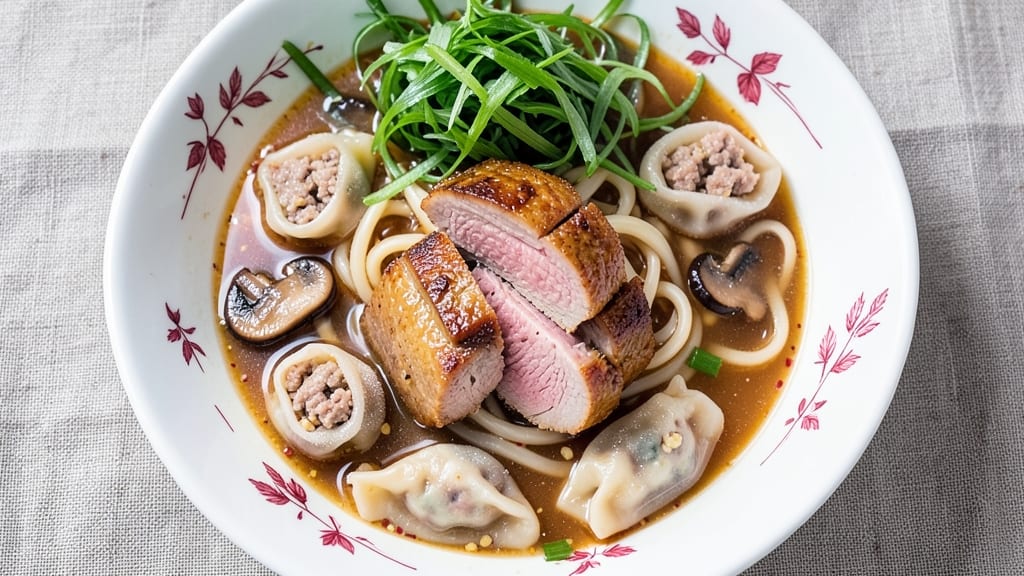
Beef wonton noodle soup transforms weeknight dinners into a comforting embrace—crispy wonton edges floating in a deep, umami-rich broth that carries layers of star anise and slow-simmered beef. This recipe delivers restaurant-quality results by balancing traditional techniques (like clarifying the broth) with modern shortcuts (store-bought wontons) to save time without sacrificing flavor. The secret lies in the broth: simmered with aromatic spices and beef bones for hours, then finished with a touch of miso for that signature depth.
The magic happens in the crispy wontons—whether you fold them by hand or use pre-made wrappers—and the al dente noodles that soak up every drop of that savory broth. A sprinkle of scallions and a drizzle of chili oil at the end elevate the dish from comforting to unforgettable.
This soup is hearty enough for a cold evening but light enough for lunch, making it the ultimate weeknight solution.
What you’ll end up with is a steaming bowl of beef wonton noodle soup where every spoonful delivers tender beef, crispy wontons, and a broth so rich it feels like a hug.
The aroma alone—star anise, ginger, and soy—will have everyone gathering around the table. It’s the kind of meal that tastes even better the next day, so plan to make a big batch.
Perfect for feeding a crowd or meal prepping for the week, this recipe scales beautifully while keeping the same bold flavors. The broth can be made ahead, and the wontons can be frozen—just thaw and assemble when ready. Here’s how to make it.
Ingredients for beef wonton noodle soup
Crispy wontons, tender beef, and aromatic broth—here’s what you’ll need to create this comforting classic.
| Ingredient | Amount | Notes |
|---|---|---|
| Beef Bones 🦴 | 2 lb | Marrow and knuckle bones preferred |
| Beef Chuck Roast 🥩 | 1 ½ lb | Cut into 1-inch cubes |
| Wonton Wrappers 🍜 | 2 packages | Store-bought, square or round |
| Ground Pork 🐖 | ½ lb | For wonton filling |
| Napa Cabbage 🥬 | ½ lb | Finely chopped |
| Shiitake Mushrooms 🍄 | 8 whole | Stems removed, sliced |
| Fresh Ginger 🧄 | 2 tbsp | Minced, peeled |
| Garlic Cloves 🧄 | 6 cloves | Minced |
| Star Anise 🌟 | 2 whole | Lightly crushed |
| Soy Sauce 🍶 | ½ cup | Dark soy preferred |
| White Wine 🍷 | ½ cup | Dry, like Sauvignon Blanc |
| White Miso Paste 🍶 | 1 tbsp | For umami depth |
| Sesame Oil 🌾 | 1 tbsp | Toasted, for aroma |
| Dried Shiitake Mushrooms 🍄 | 2 pieces | Soaked, for broth |
| Eggs 🥚 | 2 whole | For wonton filling |
| Green Onions 🧅 | ¼ cup | Sliced, for garnish |
| Chili Oil 🌶️ | 2 tbsp | For finishing |
| Ramen Noodles 🍜 | 2 packages | Fresh or dried |
| Salt 🧂 | 1 ½ tsp | Adjust to taste |
| Black Pepper 🌶️ | ½ tsp | Freshly ground |
The bones are the backbone of this soup—marrow and knuckle bones yield the richest broth. Look for them in the meat section at Whole Foods or your local butcher shop. If you can't find marrow bones, beef neck bones work too. For the beef chuck, Costco often has it pre-cubed, which saves time. The wonton wrappers? King Noodle or Nongshim brands are my go-to—they’re thin and crisp up perfectly. Store them in the freezer until ready to use, no thawing needed.
No pork for the wonton filling? Chicken liver or extra ground beef works, but pork gives that authentic texture. Short on fresh ginger? Powdered ginger at half the amount gets you close. The star anise is non-negotiable—it’s what gives the broth its signature aroma. If you can’t find it, a pinch of anise seeds works in a pinch. For the broth, dried shiitake mushrooms add depth without overpowering. Soak them in hot water for 20 minutes, then use the liquid in the broth. The ramen noodles? Fresh is ideal, but dried works if that’s what you have.
Broth keeps for 4-5 days in the fridge or 3 months frozen—make a big batch. Wonton wrappers freeze beautifully, so portion them out before cooking. The chili oil? Store it in the fridge after opening—it separates but mixes right back up. This soup only gets better as leftovers, so double the recipe if you can. The noodles cook in minutes, so assemble everything just before serving to keep them al dente.
Why You'll Love This Recipe
- No-Chop Wonton Hack: I swear by the pre-made wonton wrappers here—just fold, steam, and drop. No rolling, no fuss, and they still taste like you spent hours shaping them. The beef bones? Toss them in a slow simmer, and the broth builds itself while you prep the rest.
- Umami Bomb Broth: That beef chuck roast and bones? Slow-cooked until the broth is so rich it clings to every noodle like it’s been waiting for you. The ground pork adds a meaty depth, and the napa cabbage? Crisp enough to cut through the richness—like a perfect balance of chewy and clean.
- Leftovers That Beg: This soup only gets better the next day. I make a double batch on Sundays because by Wednesday, my kids are fighting over the last bowl. The wontons stay tender, the broth deepens, and honestly? Cold or reheated, it’s still the star of the table.
- Budget-Friendly Feast: Beef bones and chuck roast stretch across multiple meals without breaking the bank. The wonton wrappers and cabbage bulk it up, so I feed my whole family for less than takeout—plus, the leftovers turn into quick lunches or a lazy dinner. My wallet and my taste buds win.
Step-by-step instructions for beef wonton noodle soup
Transform simple ingredients into a rich, aromatic broth with perfectly crisp wontons and tender beef.
Prepare the Wonton Filling and Assemble Wontons
In a mixing bowl, combine the 0.5 lb ground pork, 2 tbsp minced fresh ginger, 6 cloves minced garlic, 0.25 cup sliced green onions, 1 tbsp soy sauce, 0.5 tsp black pepper, and 1 whole egg. Mix gently with your hands or a fork until just combined—overworking the mixture makes the wontons tough. The filling should hold together when pressed but remain tender.
Lay out 2 packages wonton wrappers on a clean surface and place 1 teaspoon of filling in the center of each wrapper. Dip your finger in water and seal the edges by pinching gently. For crispier wontons, press down firmly along the edges. Arrange the sealed wontons on a plate and cover with a damp towel to prevent drying while you prepare the broth.
Build the Umami-Rich Broth
In a large stockpot, combine the 2 lb beef bones, 1.5 lb beef chuck roast cubes, 2 pieces soaked dried shiitake mushrooms, 2 whole star anise, and 1.5 tsp salt. Add 8 cups cold water and bring to a boil over high heat. Once boiling, reduce to a simmer and skim off any foam that rises to the surface for the first 10 minutes—this ensures clarity.
Simmer uncovered for 2 hours, maintaining a gentle bubble. The broth should develop a deep, caramelized color and rich aroma. If it reduces too much, add hot water as needed to keep it at a steady level. The beef should be fork-tender and easily separate from the bones. Strain the broth through a fine-mesh sieve into a clean pot, discarding the solids.
Deepen the Broth Flavor and Prepare Aromatics
Return the strained broth to the pot and add 0.5 cup soy sauce, 0.5 cup white wine, 1 tbsp white miso paste, and 1 tbsp toasted sesame oil. Stir well and bring to a gentle simmer over medium heat. Simmer uncovered for 20 minutes to allow the flavors to meld. The broth should smell complex—earthy from the mushrooms, savory from the miso, and bright from the wine.
In a separate pan, heat 1 tbsp sesame oil over medium heat and sauté 8 whole sliced shiitake mushrooms and 0.5 lb finely chopped napa cabbage for 5 minutes until softened. Set aside—these will be added back later for texture.
Cook the Wontons and Noodles
In the same pot, add the 2 packages ramen noodles and cook according to package instructions until al dente (usually 3-4 minutes). Drain 1 cup of the broth into a bowl and set aside. Add the wontons to the pot and simmer gently for 3-4 minutes, turning occasionally, until they float and turn golden brown—this is your crispy signal.
Return the reserved broth to the pot and stir in the sautéed mushrooms and cabbage. Taste and adjust seasoning with additional soy sauce or salt if needed. The broth should be bold but balanced, with a deep umami flavor and subtle sweetness from the mushrooms.
Finish and Serve
Divide the noodles and wontons among 6 bowls, ladling the hot broth generously over each serving. Drizzle with 2 tbsp chili oil and garnish with 0.25 cup sliced green onions. Serve immediately while the wontons are crisp and the broth steams—this dish is best enjoyed fresh.
Each bowl should deliver a perfect harmony of textures: the crispy wontons for contrast, tender beef for substance, and silky broth to tie it all together. The aroma alone will draw everyone to the table—this is comfort food at its finest.
Pro Tips For Making Beef Wonton Noodle Soup
- Char Bones First: I learned this the hard way—don’t toss those beef bones straight into the broth. Sear them in a dry pot over high heat until deeply browned (about 5-7 minutes). The crust locks in flavor and prevents the broth from turning murky later. Trust me, your soup will taste richer if you skip this step, and you’ll regret it.
- Trim Cabbage Thinly: Napa cabbage needs to cook fast but stay crisp. Cut it into ¼-inch-thick matchsticks, not thick slices—thick pieces turn soggy and lose texture. If you’re short on time, microwave it for 2 minutes first, then add it to the soup for 1-2 minutes of cooking. Sounds weird, but it works.
- Don’t Overfill Wontons: Stuffing wontons too full makes them burst when boiling, and no one wants a messy pot. Use about 1 tablespoon of ground pork filling per wrapper—press the edges firmly to seal, but don’t overstuff. If they split, your broth will look like a science experiment gone wrong.
- Simmer, Don’t Boil: After adding the noodles and wontons, keep the heat low enough that tiny bubbles just break the surface—no rolling boil. High heat turns the broth cloudy and makes the noodles mushy. I was skeptical until I tried it, and now I never go back. Patience here makes all the difference.
Serving suggestions for this beef wonton noodle soup
Garnish Like a Pro
Fresh green onions are my go-to garnish—their bright green color and mild onion flavor add freshness without overpowering. Slice 0.25 cup into thin rounds and sprinkle over each bowl just before serving.
For extra flair, I sometimes add a few cilantro leaves or Thai basil if I have them on hand. 🌿
Chili Oil Magic
Don’t skip the chili oil—it’s what turns this soup from good to unforgettable. Drizzle 2 tbsp over each serving and let guests add more to taste. Look for Lao Gan Ma chili oil at Asian markets for that signature spicy, smoky kick.
For a milder version, blend 1 tbsp chili flakes with 2 tbsp neutral oil and toast them in a dry pan for 1 minute until fragrant. 🌶️
Crunchy Toppings
Add texture with crispy fried shallots or toasted sesame seeds. Fry 4 tbsp sliced shallots in 2 tbsp oil over medium heat for 2-3 minutes until golden and sprinkle 1 tsp toasted sesame seeds on top. These toppings stay crisp even after the soup sits for a bit. 🥔
Side Pairings
Serve with steamed bok choy or quick-pickled cucumbers to balance the richness. For a heartier meal, add garlic naan or rice cakes on the side. I love pairing this soup with a light lager or green tea to complement the umami flavors. 🍶
Leftovers Strategy
Save the broth for 2-3 days in the fridge—it only gets better as flavors meld. Reheat gently on the stove and add a splash of water if it thickens too much. Store wontons separately to keep them crisp; reheat them in a dry skillet for 1-2 minutes until golden. 🍲
Presentation Tips
Use wide, shallow bowls to showcase the layers of noodles, wontons, and broth. Place a small plate of extra wontons on the table for guests to add as they like. For a restaurant-style touch, garnish with a sprig of cilantro or a drizzle of sesame oil before serving. 🍽️
Nutrition facts
Frequently asked questions
Can I make this recipe without beef bones?
Use 2 lbs beef chuck roast or brisket cut into chunks instead. For extra richness, add 1 cup beef broth to the pot while simmering. The flavor will be slightly less deep, but still delicious. The key is to simmer the beef longer (3-4 hours) to extract maximum flavor.
How do I get the wontons extra crispy?
For restaurant-style crispiness, cook the wontons in two batches—this prevents overcrowding. After the first 2 minutes of simmering, transfer them to a paper towel-lined plate to drain excess moisture. Return them to the broth for the final 1 minute of cooking. Pro tip: Use a slotted spoon to gently press them against the pot's side to crisp up the edges.
Can I use store-bought wonton filling?
Yes, but with a twist! Store-bought filling lacks the fresh aromatics that homemade offers. Boost flavor by sautéing 1 tbsp minced garlic and 1 tbsp ginger in 1 tsp sesame oil before mixing it with the filling. This adds depth that pre-made versions miss. For extra umami, stir in 1 tsp fish sauce or ½ tsp white pepper.
What if my broth tastes too salty?
Don't panic! Dilute it by adding 1 cup hot water per bowl and adjust seasoning with ½ tsp white miso paste or 1 tsp soy sauce to balance flavors. For immediate fixes, add 1-2 ice cubes to each serving—they'll melt without thinning the broth too much. Taste as you go, as the noodles absorb some saltiness.
How can I make this gluten-free?
Replace wonton wrappers with gluten-free tamari wrappers (found in Asian markets) or make your own using gluten-free flour tortillas cut into squares. For the filling, ensure your ground pork and soy sauce are certified gluten-free. The broth remains safe as long as you avoid soy sauce with wheat additives. Check labels carefully—many Asian sauces contain hidden gluten!