
Soups & Stews
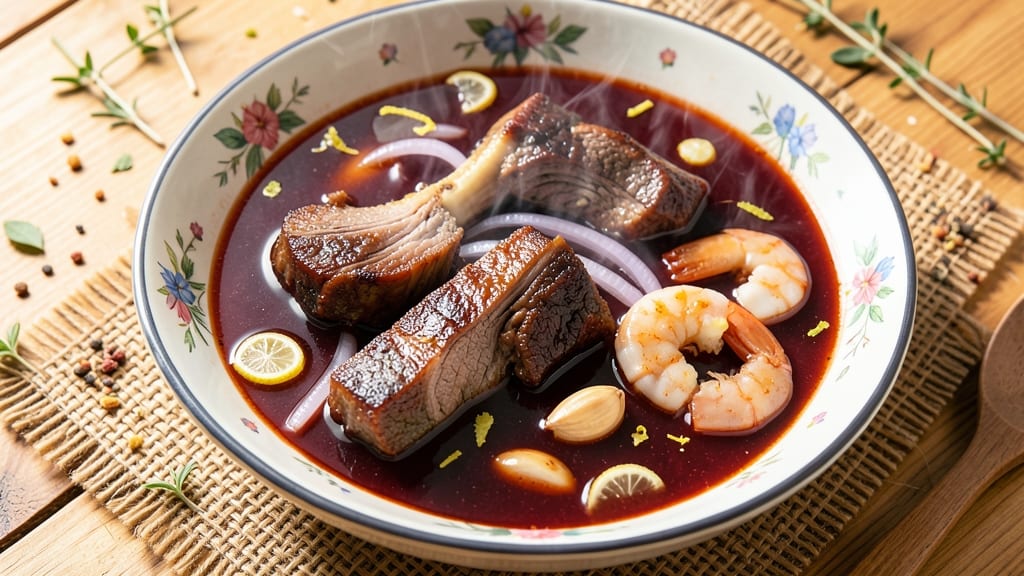
This beef sinigang soup recipe delivers the tangy, comforting essence of Filipino home cooking in every steaming bowl. 🌟 The secret lies in balancing sour tamarind broth with tender beef and fresh vegetables—creating a harmony that’s both nostalgic and deeply satisfying.
I’ve perfected this one-pot wonder to ensure the broth remains vibrant while the beef stays fork-tender, and the vegetables retain their crisp bite.
The magic begins with the sour broth, where tamarind paste or calamansi juice infuses the liquid with that signature tang. Aromatics like ginger, garlic, and shrimp paste build depth, while pork bones or beef shank create a rich, savory foundation.
The vegetables—kangkong, radish, and eggplant—cook just until tender-crisp, preserving their natural textures and vibrant colors.
What you’ll end up with is a bowl of restaurant-quality sinigang that’s equally at home on a busy weeknight or a special family gathering. The broth is bright and tangy, the beef melts in your mouth, and the vegetables add freshness with every bite.
This recipe captures the soul of Filipino comfort food—simple yet deeply flavorful.
Serve it with steamed rice to soak up every last drop of that delicious broth. Let’s make this soup that brings warmth and tradition to your table.
Ingredients for beef sinigang soup
Authentic Filipino flavors start with these 15 essential ingredients—sour, savory, and vibrant in every bowl.
| Ingredient | Amount | Notes |
|---|---|---|
| Beef Shank 🥩 | 1 ½ lb | Cut into 1-inch cubes for even cooking |
| Tamarind Paste 🍋 | ½ cup | Or 1/2 cup calamansi juice for tang |
| Shrimp Paste 🦐 | 2 tbsp | Or 1 tbsp fish sauce as substitute |
| Onion 🧅 | 1 whole | Yellow or red, sliced into half-moons |
| Garlic Cloves 🧄 | 6 cloves | Minced for aromatic base |
| Fresh Ginger 🌿 | ½ cup | Finely chopped, peeled |
| Kangkong (Water Spinach) 🌱 | 1 lb | Trimmed and rinsed thoroughly |
| Radish 🥕 | 1 lb | Daikon or red radish, sliced |
| Eggplant 🍆 | 1 whole | Japanese or regular, sliced |
| Tomatoes 🍅 | 2 whole | Medium, quartered |
| Green Chili Peppers 🌶️ | 2 whole | Siling labuyo or Thai bird's eye |
| Salt 🧂 | 1 ½ tsp | Diamond Crystal preferred |
| Black Peppercorns 🌶️ | ½ tsp | Freshly ground for heat |
| Fish Sauce 💧 | 1 tbsp | Red Boat brand recommended |
| Cooking Oil 🫒 | 2 tbsp | Vegetable or canola preferred |
The beef shank is non-negotiable for that signature rich, gelatinous broth—Costco or your local Asian market usually has the best cuts. Look for well-marbled pieces, not lean. Shrimp paste might be tricky to find outside Filipino markets, but Red Boat fish sauce works in a pinch (just halve the amount). Tamarind paste is the soul of sinigang—Filipino stores carry it in blocks or jars, or grab calamansi juice if you're in a hurry. Fresh ginger and garlic? Always buy extra—you'll want them for other dishes too. The vegetables should be crisp: kangkong at an Asian grocery, radishes and eggplant at any produce stand.
No shrimp paste? Fish sauce at half the amount gets you close, but the umami won't be identical. Tamarind paste hard to find? Lime juice plus 1 tsp sugar mimics the tang (though it's not the same). Swapping radish for carrots works, but daikon adds that authentic sweetness. Eggplant can be omitted if you're short on time—just add more kangkong. The tomatoes? Roma or vine-ripened hold up better than beefsteak varieties. And if you're making this for a crowd, double the vegetables—they disappear first. The chili peppers? Remove seeds for less heat, or skip entirely if you prefer mild.
This soup tastes even better the next day as flavors meld. Store leftovers in airtight containers for 4-5 days—the broth keeps well, so portion it out for quick lunches. Freeze for up to 3 months if you're prepping ahead. Pro tip: Save the broth separately for instant soup when you're short on time. And if you've got extra beef, shred it and toss it into fried rice—game changer. The vegetables? Add them fresh when reheating to keep that perfect crisp-tender texture.
Why You'll Love This Recipe
- Tamarind Magic in Minutes: I swear by this—just 10 minutes of prep, then hands-off simmering while you chop veggies or fold laundry. The tamarind paste does all the work, turning tough beef shank into melt-in-your-mouth goodness with zero fuss.
- Umami Bomb Combo: That shrimp paste and garlic? Chef’s kiss. It’s the secret weapon—deep, savory, and just a little funky in the best way. The beef shank falls apart, soaking up the tangy-sweet broth like a sponge.
- Leftovers That Beg for More: Honestly, I make this on Sundays just so I can eat it all week. The flavors get richer overnight, and reheating it? Zero effort—just warm and serve. My kids fight over the last bowl.
- Budget-Friendly Crowd-Pleaser: Beef shank stretches into gallons of soup, and the shrimp paste adds restaurant-quality depth without breaking the bank. Perfect for potlucks, family dinners, or when you’re feeding a houseful of guests who all demand seconds.
Step-by-step instructions for beef sinigang soup
This Filipino classic delivers bold flavors in every spoonful—let's build it from scratch.
🔥 Step 1: Sear the Beef for Deep Flavor
Heat the 2 tablespoons cooking oil in a large pot over medium-high heat. Add the 1.5 lb beef shank cut into 1-inch cubes and sear for 5-6 minutes until the edges turn deep golden brown. This step develops a rich, caramelized crust that forms the foundation of your soup's depth.
Work in batches if needed to avoid overcrowding the pot. Once browned, remove the beef and set aside. You'll notice the oil will foam slightly—this is normal and indicates the meat is releasing its natural juices. Don't drain the oil; those flavorful bits will create a delicious sauce later.
🍳 Step 2: Build the Aromatic Base
In the same pot, add the 1 whole onion sliced into half-moons and cook for 3-4 minutes until softened and translucent. Add the 6 cloves garlic cloves and 0.5 cup fresh ginger (finely chopped) and stir for 1 minute until fragrant—this should fill your kitchen with a warm, spicy aroma.
Next, add the 2 tablespoons shrimp paste and stir vigorously for 1-2 minutes until it darkens slightly and releases its umami-rich oils. This is where the soup's signature savory depth comes from. Be careful not to let it burn—keep the heat at medium and stir constantly. The shrimp paste should melt into the oil, creating a rich, dark paste.
🥘 Step 3: Simmer the Tangy Broth
Pour in 4 cups of water (enough to cover the beef) and bring to a boil. Once boiling, reduce heat to medium-low and add the 0.5 cup tamarind paste and 1 tablespoon fish sauce. Stir well to dissolve the tamarind completely—this creates the signature tangy-sour balance that defines sinigang.
Return the beef to the pot and simmer uncovered for 45-50 minutes until the beef is fork-tender and easily pulls apart. You'll notice the broth will turn a beautiful amber color with a slightly cloudy appearance—this indicates the collagen is breaking down and flavors are melding. Skim off any foam that rises to the surface for a cleaner broth.
🥘 Step 4: Add Vegetables for Texture
After the beef is tender, add the 1 lb radish (sliced), 1 whole eggplant (sliced), and 2 whole tomatoes (quartered). Simmer for 10 minutes until the vegetables soften but still retain their shape. The radish should be slightly crisp-tender while the eggplant absorbs the broth's flavors without falling apart.
Add the 1 lb kangkong (water spinach) and 2 whole green chili peppers (whole, for heat without bitterness) and cook for another 5 minutes. The greens should wilt just enough to soften but still hold their vibrant color. Season with 1.5 teaspoons salt and 0.5 teaspoon black peppercorns (freshly ground) to balance the flavors.
⏰ Step 5: Finish and Serve with Confidence
Remove from heat and let the soup sit for 5 minutes to allow the flavors to meld. Taste and adjust seasoning—you might need a splash more fish sauce for saltiness or a bit more tamarind paste if you want more tang. The perfect sinigang should have a bold, sour-savory balance with each component clearly identifiable.
Serve hot in deep bowls, garnished with additional green chili peppers if desired. The beef should be tender enough to pull apart with chopsticks, the broth rich and aromatic, and the vegetables al dente. This is comfort food at its finest—warm, satisfying, and full of complex flavors in every spoonful.
Pro Tips For Making Beef Sinigang Soup
- SEAR THE SHANK FIRST: I learned this the hard way—skipping the sear means your beef stays tough and bland. Pat the shank dry, then hit it with medium-high heat in a pot until deep brown all over (about 5-6 minutes per side). That crust locks in flavor and keeps the meat tender during the long simmer.
- USE TAMARIND PASTE LIKE A BRINE: Sounds weird, but it works: dissolve your tamarind paste in the broth before adding the beef. This prevents clumping and lets the sourness infuse evenly. I used to add it at the end, and the soup always tasted uneven—like someone took a bite of vinegar.
- DON’T BOIL THE SHRIMP PASTE: Shrimp paste burns faster than you think. Once you add it to the pot, keep the heat low and stir constantly for 30 seconds—just until it melts and smells nutty. After burning three batches, I finally figured out: patience here means depth of flavor, not charred bits.
- SIMMER LOW AND LONG: Your beef shank needs 1.5–2 hours of gentle simmering to fall apart. If you rush it, you’ll end up with chewy meat and a thin broth. After the initial boil, drop the heat until bubbles just break the surface—like a lazy simmer, not a rolling boil. (Yes, even if you’re impatient like me.)
Serving suggestions for this recipe
Rice Pairing Essentials
Sinigang is incomplete without steamed jasmine rice or long-grain white rice—the perfect vessel for soaking up that tangy, savory broth. I recommend using a 1:1.5 rice-to-water ratio for fluffy grains that won’t turn mushy.
For extra authenticity, try Filipino-style rice (like Calrose) if available at your local Asian market. 🍚
Garnish Like a Pro
Fresh green chili peppers (siling labuyo) add a bright pop of color and heat—slice them thinly and scatter them on top just before serving. A sprinkle of toasted garlic cloves or crushed roasted peanuts adds a delightful crunch.
For a restaurant-worthy touch, drizzle with chili oil or a squeeze of calamansi juice right at the table.
Side Dish Harmony
Pair your sinigang with garlic fried rice (use leftover rice and the reserved beef broth) for a satisfying meal. Steamed bagoong (shrimp paste) with rice is another classic Filipino side that complements the soup’s tangy flavors. For a lighter option, serve with fresh papaya slices to cut through the richness.
Beverage Pairings
A cold San Miguel beer (the Filipino classic) cuts through the soup’s bold flavors perfectly. For non-alcoholic options, hibiscus tea (tsamba) or coconut water refreshes the palate. Avoid heavy wines—stick to light, citrusy options like Sauvignon Blanc if you prefer wine.
Leftovers Reinvented
Transform leftover sinigang into sinigang fried rice by sautéing cooked rice with leftover broth, veggies, and a fried egg on top. For a quick lunch, serve the broth over udon noodles with extra chili peppers.
The flavors only get better the next day—store in an airtight container for up to 5 days.
Nutrition facts
Frequently asked questions
Can I substitute tamarind paste with something else for the sour flavor?
Yes! If you can't find tamarind paste, use 1/2 cup calamansi juice or a mix of 1/4 cup lime juice + 1 tsp sugar for tang. For a deeper sour note, try 1/2 cup vinegar (rice or cane) + 1 tsp sugar—just adjust to taste. The key is balancing the acidity with the savory elements.
What beef cuts work best for sinigang?
Beef shank is ideal for its rich flavor and collagen, but you can also use chuck roast or brisket cut into 1-inch cubes. Avoid lean cuts like sirloin—they won't become tender enough. For faster cooking, use pre-cut beef stew meat, but increase simmering time to 1 hour for maximum tenderness.
Why did my broth turn cloudy instead of clear?
That's normal! Sinigang broth should have a slightly cloudy appearance from the collagen breaking down in the beef. If you prefer a clearer broth, skim off foam during simmering and avoid stirring vigorously. For extra clarity, strain the broth through a fine-mesh sieve before adding vegetables—just remember it'll lose some depth of flavor.
Can I make this soup in an Instant Pot or pressure cooker?
Sear the beef first, then add all ingredients except the greens. Pressure cook on high for 30 minutes, then quick-release. Add vegetables and simmer for 5-10 minutes to avoid overcooking. The Instant Pot version cooks 60% faster but requires careful monitoring to prevent vegetables from turning mushy.
What if I don't like spicy food?
Remove the green chili peppers entirely and reduce the shrimp paste to 1 tablespoon—it contains some natural heat. For extra mildness, add a pinch of sugar to balance any lingering sharpness. The beauty of sinigang is its versatility—you can adjust the heat level to your preference without sacrificing flavor.