
Soups & Stews
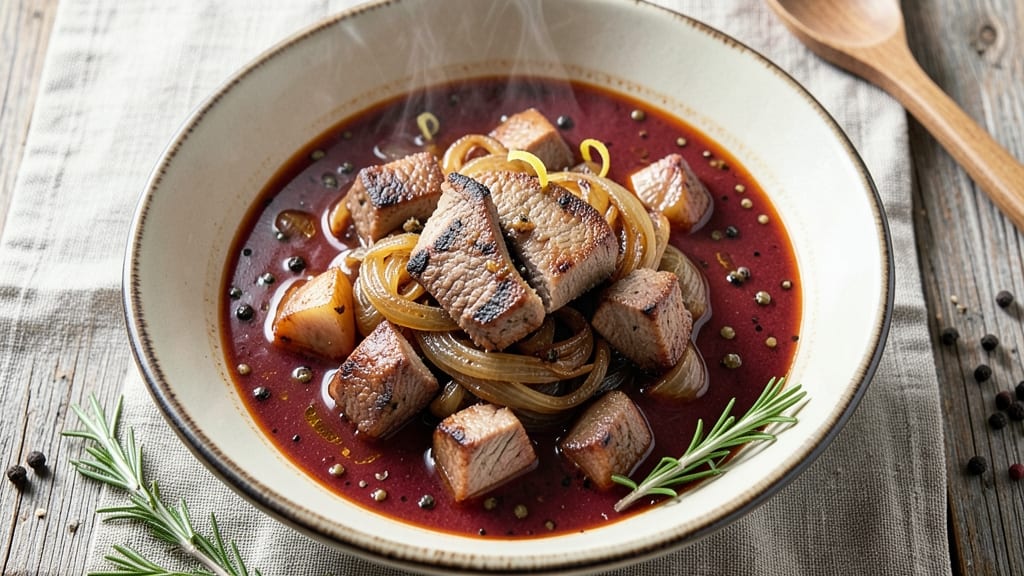
This beef roast onion soup recipe delivers restaurant-quality depth in a single pot, where tender beef and caramelized onions create a symphony of flavors. The secret lies in slow-cooking beef until fork-tender while onions develop that sweet, jammy richness—no shortcuts here.
What sets this apart is the crispy cheese topping that forms a golden crust when broiled, adding texture that transforms simple soup into a satisfying meal.
Professional techniques like searing beef before braising and caramelizing onions at low heat ensure maximum flavor extraction. The broth reduces naturally, concentrating umami while maintaining balance between savory beef and sweet onions.
This isn't just soup—it's a hearty, one-pot dinner that requires only 30 minutes of active prep followed by hands-off cooking.
By the time you serve this, you'll have perfectly tender beef chunks swimming in velvety broth, topped with a crackling cheese crust that adds both visual appeal and satisfying crunch.
The aroma alone will have everyone gathering at the table, while the first spoonful delivers that perfect marriage of beefy richness and caramelized sweetness. Every component works together to create a soup that feels like a celebration.
Perfect for chilly evenings or when you crave comfort food without the fuss of multiple dishes. The leftovers reheat beautifully, making this an ideal make-ahead recipe for busy weeks. Here's how to create this restaurant-worthy dish at home with simple techniques and professional results.
Ingredients for beef roast onion soup
Restaurant-quality beef roast onion soup begins with these carefully chosen ingredients designed for deep flavor and satisfying texture.
| Ingredient | Amount | Notes |
|---|---|---|
| Beef Chuck Roast 🥩 | 2 ½ lb | Cut into 1.5-inch chunks, trimmed of fat |
| Yellow Onions 🧅 | 4 whole | Medium size, peeled and halved |
| Beef Broth 💧 | 4 cups | Low-sodium preferred, homemade or quality store-bought |
| Red Wine 🍷 | 1 cup | Bold dry variety like Cabernet Sauvignon |
| Tomato Paste 🍅 | 2 tbsp | Smooth, not chunky |
| Garlic Cloves 🧄 | 4 cloves | Peeled and smashed |
| Fresh Thyme 🌿 | 2 sprigs | Or 1 tsp dried thyme |
| Olive Oil 🫒 | 2 tbsp | Extra-virgin for richness |
| All-Purpose Flour 🌾 | 2 tbsp | For thickening broth |
| Salt 🧂 | 1 ½ tsp | Diamond Crystal kosher preferred |
| Black Pepper 🌶️ | ½ tsp | Freshly ground for best flavor |
| Gruyère Cheese 🧀 | 1 ½ cups | Freshly grated, nutty variety |
| Baguette Slices 🍞 | 6 pieces | Crusts removed, toasted |
The beef chuck roast is non-negotiable for this recipe—its fat content renders down to create rich, velvety broth. Look for well-marbled cuts at your local butcher or pre-cut roast section at Whole Foods or Costco for consistency. Medium yellow onions are ideal for caramelization, but sweet onions work beautifully too if you prefer milder sweetness. Fresh thyme sprigs elevate the dish beyond basic seasoning, but dried thyme works in a pinch at one-third the quantity. For the red wine, any bold dry variety like Cabernet Sauvignon or Merlot will work—just avoid sweet dessert wines. The Gruyère cheese should be freshly grated from a block for optimal texture; pre-shredded varieties contain anti-caking agents that prevent proper browning.
No red wine? Beef broth with 1 tbsp balsamic vinegar provides similar depth. Fresh thyme unavailable? Dried thyme at one-third the amount maintains the herbaceous notes. The tomato paste can be skipped entirely if you dislike its intensity, but it adds subtle umami complexity. For a gluten-free option, arrowroot powder replaces the flour for thickening. The baguette slices can be substituted with sourdough or crusty Italian bread—just ensure they're toasted until golden. If you prefer a sharper cheese topping, Parmigiano-Reggiano adds a salty contrast that works beautifully alongside the Gruyère. For extra richness, consider adding 1 tbsp unsalted butter to the cheese mixture before broiling.
This soup develops deeper flavor with time—reheat gently on the stove or microwave until just warmed through. The cheese topping should be broiled until deep golden brown, about 3-5 minutes. Store leftovers in the fridge for up to 5 days in an airtight container, though the cheese topping is best added fresh before serving. For meal prep, assemble the soup without the cheese topping, refrigerate, then add the topping when ready to serve. The Gruyère and baguette should be stored separately until ready to toast, as they can become soggy if added too early. Freeze for up to 3 months by omitting the cheese topping and adding it fresh after thawing.
Why You'll Love This Recipe
- One-Pot Magic: I swear by this recipe—just toss everything into a Dutch oven and let it slow-cook. The onions caramelize right into the broth, so you’re not stuck chopping or stirring constantly. Honestly, I’ve made it while grading papers and still had time to sip the wine I added.
- Deep Umami Bomb: That beef chuck roast? It melts into the broth like butter, while the red wine and tomato paste give it this rich, slightly tangy depth. I’ll be real: it tastes like a fancy bistro soup, but with way less effort than ordering takeout.
- Leftovers That Shine: This soup only gets better the next day—thicker, richer, and perfect for reheating. I freeze half the batch immediately because it’s my go-to when I’m too tired to cook. Plus, it’s cheap enough to make twice in a row without guilt.
- Budget-Friendly Feast: A whole roast and a bottle of wine sound fancy, but the cost per serving is insane. Between us, this feeds six for under $15, and the leftovers stretch into lunches. My college student friends still beg for the recipe—it’s my secret weapon for feeding a crowd.
Step-by-step instructions for beef roast onion soup
Here's the method for developing deep, caramelized onion flavors and tender beef in one pot.
Sear the Beef Chuck Roast for Maximum Flavor
Heat the 2 tablespoons olive oil in a large Dutch oven over medium-high heat until shimmering. Add the 2.5 lb beef chuck roast cut into 1.5-inch chunks (trimmed of excess fat) in a single layer. Let the beef sear undisturbed for 3-4 minutes per side until developing a deep golden brown crust—this creates the foundation for rich flavor.
Once browned on all sides, remove the beef with tongs and set aside. You'll notice the pan releases easily when properly browned. This step is critical because those caramelized bits (fond) will dissolve into the soup later, adding depth. If the pan becomes too crowded, work in batches to avoid steaming instead of searing.
Caramelize the Onions and Build the Base
In the same Dutch oven, add the 4 whole yellow onions (halved) cut-side down. Cook over medium-low heat for 15 minutes without stirring, allowing the onions to develop a deep caramel color. This slow process creates natural sweetness that transforms ordinary soup into something extraordinary.
After 15 minutes, gently flip the onions and continue cooking for another 10 minutes. Add the 4 smashed garlic cloves and 2 sprigs fresh thyme at this stage, stirring to combine. The onions should be deep golden brown with some charred edges—this is your signal to proceed. If they brown too quickly, reduce the heat slightly to prevent burning.
Deglaze and Simmer the Soup
Pour in the 1 cup red wine and scrape up all the browned bits from the bottom of the pot using a wooden spoon. This deglazing captures all the flavor you've built. Let the wine simmer for 3-4 minutes until reduced by half, then stir in the 2 tablespoons tomato paste and cook for another 1 minute to deepen the color.
Add the 4 cups beef broth, 1.5 teaspoons salt, and 0.5 teaspoon black pepper, then return the beef to the pot. Bring to a gentle boil, then reduce heat to low, cover partially, and simmer for 1.5 hours. The soup should be bubbling gently but not vigorously—this ensures the beef becomes tender without falling apart. Stir occasionally to prevent sticking, and add water if the soup becomes too thick.
Thicken and Prepare for the Crispy Top
After 1.5 hours, remove the beef chunks with tongs and set aside. Strain the soup through a fine-mesh sieve into a clean pot, pressing on the solids to extract maximum flavor. Return the strained soup to the Dutch oven and stir in the 2 tablespoons all-purpose flour to thicken. Simmer for 5-7 minutes until the soup reaches your desired consistency—it should coat the back of a spoon but still be pourable.
Return the beef to the soup and let it warm through for 2-3 minutes. Taste and adjust seasoning if needed. The soup should be rich, slightly sweet from the caramelized onions, and deeply flavorful from the red wine and beef. This is where all the hard work pays off—every spoonful should be packed with umami and complexity.
Assemble the Crispy Cheese Topping
Preheat the broiler to high. Arrange the 6 toasted baguette slices (crusts removed) in a single layer on a baking sheet. Sprinkle each slice evenly with 1.5 cups freshly grated Gruyère cheese, dividing it as evenly as possible. Place the baking sheet under the broiler and watch closely—this step requires attention.
The cheese should melt completely and begin to bubble and turn golden brown in 3-5 minutes. You want it to be deeply browned with some areas slightly charred for that perfect crispy texture. If it browns too quickly, move the sheet slightly farther from the heat source. Once the cheese is bubbly and golden, remove from the broiler immediately to prevent burning.
Pro Tips For Making Beef Roast Onion Soup
- Sear the Chuck First: Skip the slow start—hit the beef chuck with a hot pan (no oil needed) until it’s deep brown on all sides. I used to rush this, and the soup always tasted flat; that crust is where the flavor lives. Five minutes of patience here saves you from bland broth later.
- Slice Onions Thinly: Grab a sharp knife and cut the yellow onions into paper-thin rings—no thicker than ⅛-inch. Thick slices won’t soften evenly, and you’ll end up with chewy bits. My first attempt used a food processor, but hand-slicing gives you control, and the onions caramelize better.
- Deglaze Aggressively: After browning the beef, pour in the red wine immediately and scrape every last bit of fond from the pan with a wooden spoon. That’s where the depth of flavor hides—I learned this the hard way when I wiped the pan clean first and got a weak base.
- Simmer Low and Slow: Once everything’s in the pot, keep the heat at a gentle simmer (tiny bubbles, no splashing) for at least 3 hours. Rushing it turns the broth murky and the onions rubbery. I know, I know—it’s tempting to crank the heat, but slow wins here.
Regional styles of beef roast onion soup
French Classic Approach
The French version of beef roast onion soup takes center stage with its slow-cooked beef and deeply caramelized onions, often using white wine instead of red to balance the richness. I recommend Chardonnay for its buttery notes that complement the beef.
The French technique emphasizes longer simmering times—up to 2 hours—to achieve melt-in-your-mouth beef. Add 1 bay leaf and ½ cup pearl onions for an authentic touch, caramelizing them alongside the yellow onions. Serve with crusty baguette slices and a sprinkle of fresh parsley for brightness. 🍷
Italian Rustic Style
In Italy, this soup becomes Beef and Onion Ribollita, where the broth is enriched with tomato paste and Parmigiano-Reggiano for depth. I love adding ½ cup diced pancetta to the onions during caramelization for extra savory flavor.
The Italians often include cannellini beans (about 1 cup drained) for heartiness, simmering them in the broth during the final 30 minutes. Finish with a drizzle of extra-virgin olive oil and a crack of black pepper.
For a true Italian touch, serve with garlic bread instead of the classic cheese topping. 🍝
American Comfort Twist
The American version leans into bold, hearty flavors with a stout beer (like Guinness) replacing red wine for a malty depth. I add 1 tbsp Worcestershire sauce to the broth for umami richness and swap Gruyère for a mix of sharp cheddar and mozzarella for the topping.
Many American recipes also include diced carrots and celery in the onion caramelization for extra veggie texture. Top with crispy fried onions for a Southern-style crunch. This version is perfect for game day or chilly evenings. 🏈
German Hearty Variation
German Rindfleischsuppen (beef soups) often feature dark rye bread instead of baguette for the topping, creating a crusty, nutty contrast. I recommend using dry Riesling for deglazing instead of wine, and adding 2 tbsp caraway seeds to the broth for a distinctive herbal note.
The Germans also include sauerkraut (about 1 cup chopped) in the final 15 minutes of cooking for a tangy twist. Serve with mustard on the side for those who enjoy a sharp kick. This version is ideal for cold winter nights. ❄️
Modern Fusion Take
For a contemporary twist, I blend techniques by using red wine for depth but adding smoked paprika (about ½ tsp) to the onions for a subtle smoky flavor. Swap Gruyère for aged Gouda and top with crispy prosciutto instead of baguette.
Garnish with pickled jalapeños for heat and fresh cilantro for brightness. This fusion version works beautifully as a gourmet appetizer or light dinner. The smoky-sweet balance elevates the classic recipe. 🌶️
Nutrition facts
Frequently asked questions
Can I substitute red wine with something else?
For a non-alcoholic version, use 1 cup beef broth + 1 tbsp balsamic vinegar to replicate the depth. If you prefer beer, a bold stout like Guinness adds malty richness. Just reduce the liquid by ¼ cup since beer is more concentrated than wine. The key is maintaining acidity to balance the sweet caramelized onions.
How do I make the cheese topping extra crispy?
For that perfect golden crust, use freshly grated Gruyère (not pre-shredded) and broil on high heat for 3-4 minutes until it bubbles and turns deep brown. Place the baking sheet on the middle rack and watch closely—it burns quickly! For extra crunch, sprinkle 1 tbsp breadcrumbs on top before broiling.
Can I make this soup ahead of time?
Yes! Prepare the soup up to 2 days ahead and store it in an airtight container in the fridge. Reheat gently on the stove, then add the cheese topping fresh before serving. For the best texture, store the cheese and bread separately and assemble just before broiling. The flavors actually improve overnight as the onions deepen in sweetness.
What if my beef isn't tender enough?
If the beef feels tough after 1.5 hours, it needs more time! Cover the pot and simmer for an additional 30-45 minutes until fork-tender. For faster results, increase the heat slightly (but don't boil) and add ½ cup water to prevent drying. The beef should easily pull apart with a fork when done.
Can I make this soup without flour?
Certainly! For a gluten-free option, replace the 2 tbsp flour with 2 tbsp cornstarch or arrowroot powder. Mix it with 2 tbsp cold water first to create a slurry, then stir into the simmering soup. Cook for 3-5 minutes until thickened. The texture will be slightly different but still delicious.