
Soups & Stews
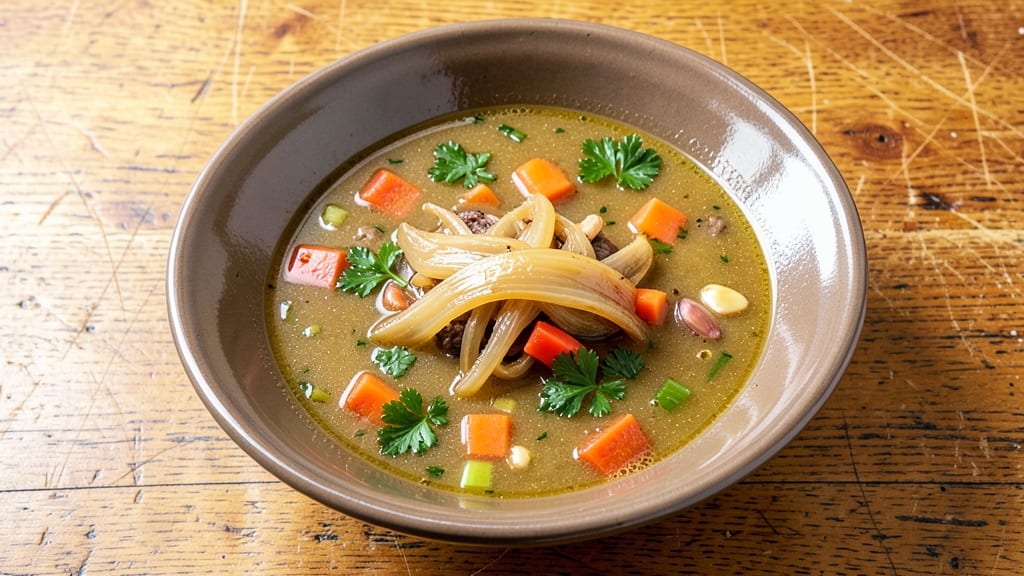
This beef marrow soup recipe transforms humble ingredients into a deeply comforting bowl of velvety richness that feels like a hug in every spoonful.
Growing up in my Boston triple-decker, I learned marrow soup was the remedy for everything—colds, bad days, and especially Nonna’s insistence that "food should nourish the body and the soul."
The secret lies in slow-simmered beef bones and marrow that melts into the broth, creating a texture so luxurious it’s almost sinful.
The process begins with roasting beef bones to deepen their flavor, then simmering them for hours until the broth becomes a golden, aromatic elixir. Marrow, extracted carefully from the bone, dissolves into the broth, adding a velvety richness that transforms ordinary soup into something extraordinary.
This isn’t just a recipe—it’s a tradition, one that delivers restaurant-quality comfort in your own kitchen.
By the time you’re done, you’ll have a soup so rich and satisfying it’ll have everyone at the table asking for seconds. The aroma alone—warm, savory, with hints of garlic and herbs—will fill your home with the kind of comfort food warmth that’s hard to resist.
Whether you’re recovering from a long week or simply craving something hearty, this soup delivers.
Ready to make it? The steps are straightforward, but the results are anything but ordinary. Let’s get started—your taste buds will thank you.
Ingredients for beef marrow soup
Rich bones, velvety marrow, and aromatic herbs—this soup is pure comfort in a bowl.
| Ingredient | Amount | Notes |
|---|---|---|
| Beef Bones 🦴 | 2 lb | Knuckle or marrow bones preferred |
| Marrow 🧈 | 1 cup | Freshly extracted from bones |
| Yellow Onion 🧅 | 1 whole | Chopped, yellow or red |
| Garlic Cloves 🧄 | 6 cloves | Peeled, smashed for flavor |
| Carrots 🥕 | 3 whole | Medium, peeled and chopped |
| Celery Stalks 🌿 | 3 whole | Chopped, including leaves |
| Fresh Thyme 🌿 | 2 tbsp | Leaves only, stems removed |
| Fresh Rosemary 🌿 | 1 tbsp | Chopped, fresh preferred |
| Bay Leaves 🌿 | 2 whole | Fresh or dried |
| Tomato Paste 🍅 | 2 tbsp | Smooth, not chunky |
| Red Wine 🍷 | 1 cup | Dry, like Cabernet Sauvignon |
| Beef Broth 💧 | 4 cups | Homemade or quality store-bought |
| Salt 🧂 | 1 ½ tsp | Diamond Crystal preferred |
| Black Peppercorns 🌶️ | 1 tsp | Freshly cracked |
| Crusty Bread 🍞 | 8 slices | For serving, sourdough ideal |
The bones are everything here. Knuckle or marrow bones from Whole Foods or your butcher give the deepest flavor—skip the chicken feet or pre-packaged bone broth kits. Look for bones with good marrow content (they’ll have that rich, yellow fat). If you can’t find marrow bones, beef shin bones work too, but roast them longer. The marrow itself? Extract it fresh—don’t use pre-packaged marrow from the store. It’s worth the extra 10 minutes to crack open the bones with a cleaver. For the herbs, fresh thyme and rosemary from the grocery store’s produce section (not the dried spice aisle) make all the difference—just snip the stems off with kitchen shears.
No red wine? Dry white wine or extra beef broth works in a pinch, but the acidity helps tenderize the bones. Short on fresh herbs? Double the dried amounts, but toast them first in a dry pan for 30 seconds to wake up the flavors. The tomato paste can be skipped if you’re avoiding umami, but I always use it—it’s the secret to that deep, savory base. For the carrots and celery, any color works, but purple carrots add a pretty twist. And if you’re making a big batch, freeze the bones first to render more fat and collagen into the broth.
This soup tastes even better the next day—reheats beautifully in 5 minutes. Store it in the fridge for up to 5 days or freeze for 3 months. I always make a double batch because it disappears fast. For serving, toasted sourdough slices are perfect—just tear them up and let everyone dip. The crust gets extra crispy when dunked into that rich broth. Leftovers? Even better for lunch the next day—just reheat with a splash of water or broth to loosen it up.
Why You'll Love This Recipe
- Here’s the secret: this soup improves overnight. The flavors meld into something even richer, and it reheats beautifully—just a gentle warm-over, no sad, rubbery texture. Five days in the fridge? No problem. Three months frozen? Even better. It’s the kind of dish you can make once and eat for weeks.
- Marrow Magic in Minutes: This isn’t some fancy, multi-hour affair—just 3-4 hours of hands-off simmering while the beef bones and marrow work their collagen magic. The hardest part? Extracting that silky marrow (which honestly, feels like a mini victory). The rest? Just toss everything in, let it do its thing, and boom—dinner’s ready.
- Richness That Hits Different: That cup of rendered marrow? It’s not just fat—it’s pure, velvety decadence that turns your broth from "meh" to "I’ll eat this every Tuesday." The red wine and tomato paste add depth, while the rosemary and thyme? They make it taste like a cozy kitchen, not a pot. Trust me, the first spoonful is a game-changer.
- Budget-Friendly Luxury: You’re spending more on the bones and marrow upfront, but let’s be real—this isn’t a splurge. A whole pot feeds six, and the leftovers? Free meals. Plus, using those knuckle bones (the ones you’d usually toss) turns trash into treasure. For the cost of a takeout run, you get a dish that’ll have everyone begging for seconds.
Step-by-step instructions for beef marrow soup
Here's how to craft a soup so rich and comforting it feels like a warm embrace in a bowl.
Extract and Render the Marrow
Begin by extracting the marrow from the 2 lb beef bones using a sharp knife or spoon. Place the marrow in a small saucepan and melt it over low heat until fully liquid—this should take about 3-4 minutes. Set aside to cool slightly while you prepare the vegetables.
The marrow will become the velvety heart of your soup, so don't rush this step. You want it silky smooth, not broken down into grease. Once cooled, strain it through a fine-mesh sieve to remove any impurities, then set it aside in a small bowl. This puree will later blend seamlessly into your broth for unmatched richness.
Build the Flavor Base with Aromatics and Wine
In a large Dutch oven or heavy pot, combine the 1 yellow onion, 6 garlic cloves, 3 carrots, and 3 celery stalks. Add 2 tablespoons fresh thyme, 1 tablespoon fresh rosemary, and 2 bay leaves. Cook over medium heat for 8-10 minutes, stirring occasionally, until the vegetables soften and the mixture becomes fragrant.
Here's the thing—you want these aromatics to caramelize just enough to deepen their flavor without burning. When they smell like a forest after a rain, you're ready for the next step. Stir in the 2 tablespoons tomato paste and cook for another 2 minutes to meld the flavors. Pour in the 1 cup red wine and let it simmer for 3 minutes until the alcohol burns off and the wine reduces slightly.
Simmer the Broth with Bones and Seasonings
Add the 2 lb beef bones to the pot, along with the 4 cups beef broth. Bring everything to a boil, then reduce the heat to low and let it simmer uncovered for 3-4 hours. Skim off any foam or impurities that rise to the surface during the first 30 minutes of simmering—this ensures a clear, clean broth.
I know it seems like a long cook, but this is where the magic happens. The collagen in the bones and marrow will break down into gelatin, creating that signature velvety texture. Add the 1½ teaspoons salt and 1 teaspoon black peppercorns about 1 hour into the cooking time. The broth should reduce slightly, intensifying its flavor. You'll know it's ready when the bones are tender enough to pull apart with a fork.
Blend and Finish the Soup
Remove the bones from the pot and discard them. Strain the broth through a fine-mesh sieve into a clean pot, pressing gently on the solids to extract every last drop of flavor. Return the broth to the pot and stir in the reserved 1 cup marrow. Simmer the soup over low heat for 10-15 minutes to fully incorporate the marrow and warm through.
Taste and adjust the seasoning if needed—this is your chance to fine-tune the balance of salt and acidity. The soup should be rich, slightly tangy from the wine, and deeply flavorful. If it's too thick, add a splash of hot water to reach your desired consistency. The marrow will give it a luxurious mouthfeel that's impossible to resist.
Serve with Crusty Bread
Ladle the soup into bowls and serve immediately with the 8 slices crusty bread, torn into pieces. The bread soaks up the velvety broth beautifully, making every bite a comforting experience. Here's the moment that matters: the contrast between the warm, rich soup and the crisp, chewy bread is what makes this dish so special.
Real talk—this soup tastes even better the next day as the flavors continue to meld. Store leftovers in the refrigerator for up to 5 days or freeze for up to 3 months. When reheating, do so gently over low heat to preserve the texture. Each spoonful delivers the kind of comfort that sticks with you long after the last bite.
Pro Tips For Making Beef Marrow Soup
- Sear Bones First: I learned this the hard way—skipping the sear means flavor floating away with the broth. Pat the 2 lb beef bones dry, then sear them in batches over high heat until deeply browned before adding to the pot. That crust locks in richness that’ll turn your broth from good to unforgettable.
- Strain Twice: The first strain removes solids; the second strain removes bitterness. After simmering, strain the broth through a fine-mesh sieve, then press the solids with a spoon. For ultra-clear soup, strain again through a cheesecloth-lined sieve—yes, it’s extra work, but the result is worth it. (Trust me, I’ve tasted both.)
- Salt Late: Adding the 1.5 tsp salt early dilutes the flavor as the broth reduces. Wait until about 1 hour into the 3-4 hour simmer—when the bones are breaking down and the broth’s deepening—to season. This keeps the salt balanced and the richness intact. (And no, you can’t taste it back in.)
- Wine Down Slow: Pouring the 1 cup red wine and walking away is a rookie move. Let it simmer uncovered for those full 3 minutes, stirring occasionally, so the alcohol fully burns off. Rush it, and you’ll taste raw wine instead of that savory depth. (Pro move: Use a splash of the same wine to deglaze the pot after the aromatics caramelize.)
Flavor customization for this beef marrow soup
Creamy Upgrade
Want to take this soup to the next level? Stir in ½ cup heavy cream or ½ cup crème fraîche during the final 5 minutes of simmering. The richness from the marrow pairs perfectly with the cream’s velvety texture—just like Nonna used to do.
I like to add it gradually so it doesn’t curdle. For a lighter option, swap in ½ cup coconut milk for a tropical twist. This works especially well if you’re serving it to kids or anyone who prefers a milder flavor. 🥛
Spicy Kick
If you love heat, add ½ tsp smoked paprika or ¼ tsp cayenne pepper while building the flavor base in Step 2. For something bolder, stir in 1 tbsp Penzeys hot honey after removing the bones and before serving.
The sweet-spicy contrast elevates the soup’s depth. I’ve also tried adding 1-2 dried chili peppers with the aromatics—just remove them before straining. Honestly, the heat makes the marrow’s richness sing even more. 🌶️
Mushroom Magic
For a foraged-forest vibe, sauté 8 oz cremini mushrooms, sliced, in the same pot after removing the bones but before adding the marrow. Cook them for 5 minutes until they release their moisture, then strain them and return the broth to the pot.
The earthy depth of mushrooms complements the marrow beautifully. I like using wild mushrooms if I can find them, but store-bought cremini work just fine. This adds a meaty texture without extra prep. 🍄
Herb Infusion
Double up on fresh herbs by adding 2 tbsp chopped parsley and 1 tbsp chopped chives at the end, right before serving. The bright green notes cut through the richness and add freshness.
I also love tossing in 1 tbsp fresh tarragon during the final simmering—it’s an unexpected but perfect pairing. For a Mediterranean twist, add 1 tbsp chopped dill with the parsley. These herbs make the soup feel even more like a special occasion. ✨
Smoky Depth
Add a smoky dimension by sprinkling ½ tsp liquid smoke or 1 tsp smoked salt when you’re adding the seasonings in Step 3. For a more hands-on approach, grill the beef bones for 5 minutes per side before simmering them. The charred flavor infuses the broth beautifully.
I’ve also tried wrapping the bones in foil with a sprig of rosemary and placing them on the grill for extra depth—it’s worth the extra effort. This smoky touch makes the soup feel like it’s been simmering for days. 🔥
Nutrition facts
Frequently asked questions
Why does this soup need such a long simmer time?
The 3-4 hours of simmering is what unlocks the soup’s velvety magic. This slow cook breaks down the collagen in the 2 lb beef bones and marrow, transforming them into gelatin that gives the broth its luxurious, silky texture. Think of it like a slow dance between ingredients—patience creates that restaurant-quality richness you crave. The longer it simmers, the deeper the flavor becomes.
Can I use frozen beef bones instead of fresh?
Frozen bones work perfectly—they’ll render even more fat and collagen during cooking, which actually enhances the soup’s richness. Just thaw them overnight in the fridge before using. If you’re short on time, you can also roast them first to deepen the flavor before simmering. The key is ensuring they’re fully thawed before adding to the pot.
What if my soup turns out too thick?
A little extra richness is fine, but if it’s too thick, just stir in 2-3 tablespoons of hot water or beef broth at a time until you reach your desired consistency. The marrow will naturally thicken the soup, but you can always thin it out. This soup is forgiving—it’s better to have it slightly thinner than too thick. The velvety texture will still shine through.
How do I know when the marrow is fully extracted?
When you scrape the marrow from the bones, it should come out in a smooth, pale yellow paste—not gritty or stringy. Once melted in the saucepan, it should look like a thick, buttery liquid. If it’s still chunky, strain it through a fine-mesh sieve to remove any remaining bone fragments. The goal is that silky, puree-like consistency that blends seamlessly into the broth.