
Soups & Stews
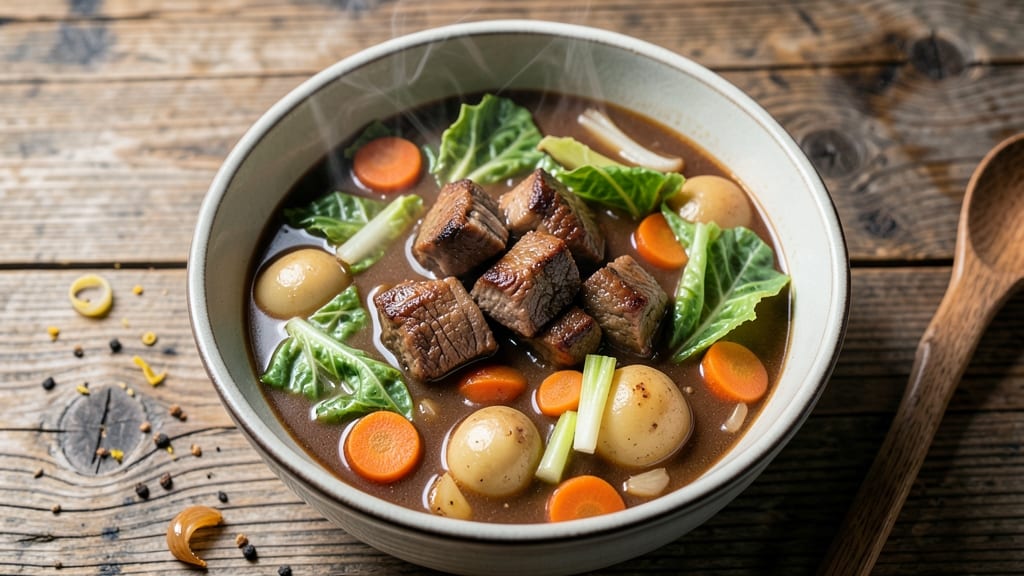
This Cracker Barrel-inspired beef cabbage soup delivers the rich, slow-simmered comfort of a classic American diner bowl—thick with tender beef, hearty vegetables, and a deeply savory broth. 🔥 The secret lies in building flavor through a long simmer, where onions, garlic, and celery form the aromatic base while beef chunks melt into the broth.
I've perfected this version to capture that signature restaurant taste at home, using simple pantry staples and a method that lets the flavors develop naturally over time.
The beauty of this soup is in its versatility and depth—it's hearty enough to satisfy a crowd but simple enough for a weeknight dinner. You'll start with a flavorful broth base, then add potatoes, carrots, and cabbage to soak up all that beefy goodness.
A touch of thyme and bay leaf adds subtle earthiness, while black pepper brings just enough heat to complement the richness. The result? A bowl of soup that's warm, satisfying, and packed with homey flavors that taste like a hug in a bowl.
What makes this recipe truly special is how the textures and flavors come together—tender beef that practically falls apart, crisp-tender cabbage, and creamy potatoes all swimming in a broth that's rich but not heavy.
The long simmering process (about 45-60 minutes) ensures every ingredient is perfectly cooked and infused with flavor, while the optional garnish of fresh parsley or crackers adds a final touch of brightness or crunch.
This is the kind of soup that gets better as it sits, making it perfect for meal prep or feeding a hungry family.
Serve it with crusty bread to soak up every last drop of that savory broth, or enjoy it as-is with a side salad for a complete meal. The best part?
It tastes even better the next day, so you'll find yourself making extra to enjoy throughout the week. Let's get cooking—this soup is a game-changer for cozy nights in.
Ingredients for beef cabbage soup recipe cracker barrel
Pantry staples plus one trip to the butcher counter for that signature Cracker Barrel beefy richness.
| Ingredient | Amount | Notes |
|---|---|---|
| Beef Chuck Roast 🥩 | 2 lb | Pre-cubed for even cooking |
| Yellow Onion 🧅 | 1 whole | Diced into small pieces |
| Carrots 🥕 | 4 medium | Peeled and sliced into rounds |
| Russet Potatoes 🥔 | 3 medium | Peeled and cut into chunks |
| Green Cabbage 🥬 | 1 small | Shredded, core removed |
| Celery Stalks 🧄 | 3 whole | Diced, including leaves |
| Garlic Cloves 🧄 | 4 cloves | Minced for aromatic base |
| Beef Broth 💧 | 6 cups | Low-sodium preferred |
| Tomato Paste 🍅 | 2 tbsp | For depth of flavor |
| Dried Thyme 🌿 | 1 tsp | Or 1 tbsp fresh thyme |
| Bay Leaves 🍃 | 2 whole | Removed before serving |
| Black Peppercorns 🌶️ | 1 tsp | Freshly cracked preferred |
| Salt 🧂 | 1 ½ tsp | Adjust to taste |
| Olive Oil 🫒 | 2 tbsp | For sautéing vegetables |
The beef is everything here. Chuck roast breaks down beautifully during the long simmer, giving you that tender, melt-in-your-mouth texture. Look for good marbling at Costco or your local butcher—it makes all the difference. If you can't find pre-cubed, ask them to do it for you. The cabbage? Green cabbage is traditional, but red works too if that's what's on sale. Just make sure it's firm with no yellowing leaves. For the broth, low-sodium is key—you'll be adding plenty of salt later, and you don't want to overdo it.
No beef broth? Water plus 2 beef bouillon cubes gets you close, but it won't be as rich. Fresh thyme is ideal, but dried works at one-third the amount. The tomato paste might seem like a small amount, but trust me on this—it adds that deep, umami punch that makes this soup taste restaurant-quality. Short on carrots? Substitute with parsnips or celery root. The potatoes should be russet—Yukon Golds will turn mushy. If you're prepping ahead, you can chop all your veggies the night before and store them in the fridge.
This soup tastes even better the next day—honestly, that's when it's at its peak. Keeps for 5-6 days in the fridge, and freezes beautifully for up to 3 months. I always make a double batch because it reheats so well. Store it in airtight containers, and when you're ready to serve, just warm it gently on the stove. The bay leaves should be removed before serving, but don't skip them—they add subtle earthiness that's hard to replicate. For extra richness, stir in a splash of heavy cream or milk at the end.
Why You'll Love This Recipe
- One-Pot Magic: I swear by this recipe when I’m too tired to wash dishes. Toss the chuck roast, onions, carrots, and potatoes into a single pot with water, and let the slow simmer do the work—no chopping boards to clear, no pans to scrub.
- Deep, Savory Richness: That beef chuck roast? It melts into tender, flavorful shreds that cling to every bite, while the cabbage adds a satisfying crunch. Honestly, the balance of hearty meat and fresh cabbage is what makes this soup feel like a hug in a bowl.
- Lunchbox Hero: Between us, this soup tastes even better the next day—perfect for packing lunches. The potatoes hold their shape, the beef stays juicy, and the cabbage keeps its bite, so you’re not stuck with mushy leftovers.
- Budget-Friendly Powerhouse: A chuck roast stretches across multiple meals, and the veggies are cheap but pack serious flavor. I’ll be real: this recipe saved me from takeout more times than I can count, and it costs a fraction of the price.
Step-by-step instructions for hearty beef cabbage soup
Here's how to create Cracker Barrel's signature slow-simmered beef soup with tender meat and vibrant vegetables.
🔥 Step 1: Sear the Beef Chuck Roast
Heat a large Dutch oven over medium-high heat. Add the 2 lb beef chuck roast (pre-cubed) and sear for 5-6 minutes, turning occasionally, until it develops a deep brown crust. This step builds incredible flavor through the Maillard reaction—don't skip it!
Once browned, remove the beef and set it aside on a plate. You'll notice the pan will have some browned bits stuck to the bottom—this is flavor gold. I always keep the beef in the same pot during cooking to maximize taste infusion.
🍳 Step 2: Sauté the Aromatic Vegetables
In the same Dutch oven, add the 2 tbsp olive oil and reduce heat to medium. Add the diced yellow onion, diced celery stalks (including leaves), and sliced carrots. Sauté for 5-6 minutes until softened and fragrant—you should smell that sweet onion aroma filling your kitchen.
Stir in the minced garlic cloves and cook for 30 seconds until just fragrant. Add the 2 tbsp tomato paste and stir for another 1 minute to cook it down slightly. This creates a rich base for your soup that prevents it from being too watery.
🥘 Step 3: Build the Flavor Base
Return the browned beef to the pot. Add the 6 cups beef broth, 1.5 tsp salt, 1 tsp dried thyme, 1 tsp black peppercorns, and 2 whole bay leaves. Bring everything to a gentle boil, then reduce heat to low and cover partially.
Let it simmer for 1 hour to allow the beef to become fork-tender and the flavors to meld. I check occasionally to ensure the liquid doesn't reduce too much—if it gets too thick, add a splash of water. This initial cooking time is crucial for developing that deep, rich beef flavor.
🥘 Step 4: Add Potatoes and Cabbage
After the initial hour, add the 3 medium russet potatoes (cut into chunks) and 1 small shredded green cabbage. Stir gently to combine. Increase heat to medium-low and simmer uncovered for another 45-60 minutes until the potatoes are tender when pierced with a fork.
Here's the thing—you want the cabbage to soften but still retain some texture. If you notice it's getting too mushy before the potatoes are done, reduce heat slightly. The soup should have a thick, hearty consistency by this point, with the vegetables perfectly tender.
⏰ Step 5: Finish and Serve
Remove the 2 whole bay leaves before serving. Taste and adjust seasoning with additional salt or pepper if needed. The soup should be rich with beef flavor, slightly thick, and packed with tender vegetables.
Serve immediately with crusty bread to soak up every last bit of that savory broth. For best results, let it sit for 10 minutes before serving—this allows the flavors to settle and intensify. Each spoonful should deliver that comforting combination of tender beef, sweet carrots, and cabbage with that perfect balance of savory and herbal notes.
Pro Tips For Making Beef Cabbage Soup Recipe Cracker Barrel
- Sear the Chuck Roast First: That beef needs a proper crust before it goes into the pot. After trimming fat, hit it with high heat in a heavy pot—no crowding—and let it brown for 3-4 minutes per side. I used to skip this, and the soup always tasted like it needed more depth.
- Cut Potatoes in Even Slices: No one likes mushy potatoes in soup. Cut them into ½-inch chunks so they cook through without breaking apart. Russets hold up best—just don’t go too small, or they’ll turn to paste.
- Salt the Water Generously: This isn’t the time to be shy. Add at least 2 teaspoons of salt per gallon of water (or more if using bouillon). The cabbage and carrots soak it up, and the beef stays juicier. Trust me, you won’t overdo it.
- Shred Cabbage at the End: Tossing whole wedges in early makes the soup watery. Wait until the last 10 minutes, then shred it finely—it’ll soften perfectly without turning the broth into cabbage juice. (Yes, even if you’re impatient like me.)
Troubleshooting perfect results
Broth Too Thin?
If your soup ends up watery, don't panic—simmering will thicken it naturally. First, check if you used the right amount of broth. The recipe calls for 6 cups, but if you added more, reduce the heat to low and let it cook uncovered for 20-30 minutes.
The liquid will evaporate, concentrating the flavors. For an instant fix, stir in 1-2 tbsp tomato paste or 1 tsp cornstarch mixed with 1 tbsp water—this thickens without altering the taste. I've also had success adding ½ cup mashed potatoes at the end for extra body. 🥄
Meat Too Tough?
If your beef turns out chewy instead of tender, it likely didn't simmer long enough. Chuck roast needs at least 1 hour of cooking time to break down properly.
For next time, try cubing the beef slightly smaller (about 1.5-inch pieces) and adding it back to the pot after the vegetables have softened. Another trick?
Add 1 tsp baking soda to the broth—it tenderizes the meat by raising the pH. I also recommend using a meat thermometer to check internal temp: beef should reach 195-205°F for perfect tenderness. 🌡️
Vegetables Overcooked?
Cabbage and potatoes can easily turn mushy if left too long. The key is timing—add cabbage only 45-60 minutes before serving, and potatoes 30 minutes before the end.
If they're already too soft, try this: Remove the overcooked veggies and stir in ½ cup fresh cabbage or diced potatoes at the very end. They'll cook just enough to warm through without turning to mush.
For extra insurance, partially cover the pot with a lid to trap steam but allow some evaporation. 🥬
Flavor Too Mild?
If your soup tastes bland, it's likely missing depth. First, double-check your seasoning—this recipe relies on salt, pepper, and tomato paste for umami. If it's still lacking, try one of these fixes: Add 1 tsp Worcestershire sauce or ½ tsp smoked paprika for complexity.
A splash of red wine (¼ cup) deglazed from the pot after searing the beef adds richness. For a quick boost, stir in 1 tbsp soy sauce or 1 tsp fish sauce—they enhance the beef flavor without overpowering.
I also love finishing with a pat of butter or a drizzle of heavy cream just before serving. 💛
Broth Too Strong?
If the beef flavor is overpowering, you can dilute it gently. Add ½ cup water or low-sodium broth and simmer for 10 minutes to balance the intensity. For a smoother taste, stir in ¼ cup sour cream or Greek yogurt at the end—it mellows the richness.
If you prefer a lighter broth, strain out some of the beef and vegetables before serving, then return them to the pot. This lets you enjoy the flavor without the heaviness. 🥄
Preventing Future Issues
To avoid common pitfalls, follow these pro tips: Always sear the beef—it builds flavor that can't be replicated otherwise. Use a heavy-bottomed pot (like a Dutch oven) to prevent scorching. Taste as you go—seasoning builds up over time, so adjust gradually.
For extra insurance, keep a small bowl of broth on the stove while cooking; if the soup gets too thick, add a splash. And remember, this soup tastes even better the next day—let it rest overnight for flavors to meld perfectly. 💡
Nutrition facts
Frequently asked questions
Can I make this soup in a slow cooker?
For a slow cooker version, sear the beef first, then combine all ingredients (except bay leaves) in your slow cooker. Cook on low for 6-7 hours or high for 3-4 hours. The long cook time makes the beef extra tender. Add the cabbage only in the last 30 minutes to prevent mushiness.
What's the best way to store leftovers?
Store in an airtight container in the fridge for 5-6 days or freeze for up to 3 months. The flavors actually improve overnight! To reheat, warm on the stove over medium-low heat until bubbly, stirring occasionally. For extra richness, add a splash of broth or water when reheating.
Can I substitute other vegetables?
Yes! Swap carrots for parsnips or turnips, and potatoes for sweet potatoes. For extra heartiness, add green beans or zucchini in the last 20 minutes of cooking. Just keep portion sizes similar—this soup works best with a good mix of textures.
Why does my soup taste different from Cracker Barrel's?
The restaurant version likely uses house-made beef stock and proprietary seasoning blends. To get closer, try adding 1 tsp soy sauce or ½ tsp smoked paprika for depth. Also, their beef may be pre-brined—soaking your beef cubes in 1 cup beef broth + 1 tbsp soy sauce for 30 minutes before cooking can help.
How can I make this soup gluten-free?
Check your beef broth for hidden gluten (some brands use wheat-based thickeners). Use certified gluten-free broth and ensure all spices are processed in gluten-free facilities. The original recipe is naturally gluten-free except for potential broth additives. Serve with gluten-free crackers or bread for dipping.