
Main Courses
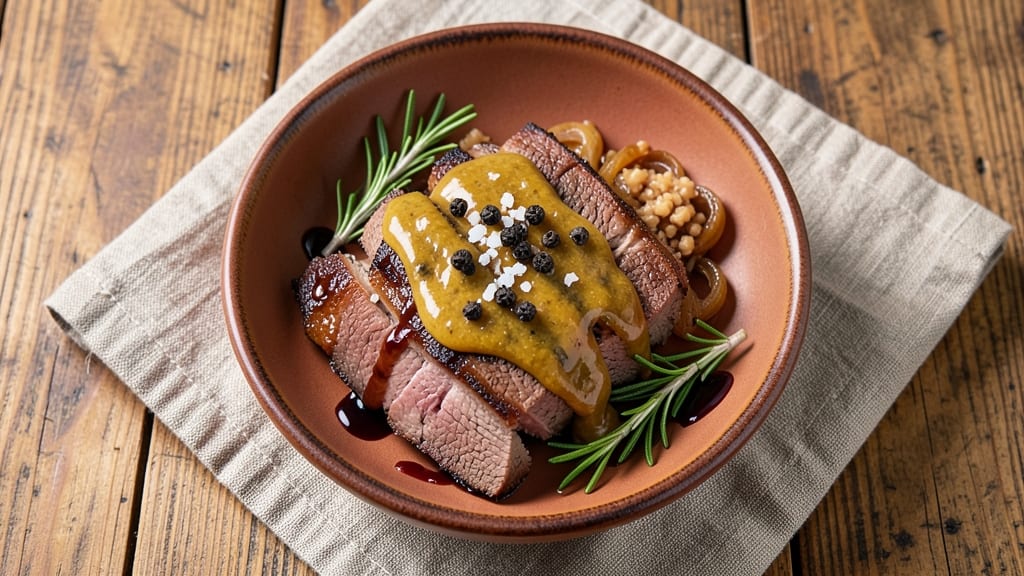
Cooking beef brisket with Lipton Onion Soup Mix transforms a classic slow-cooked dish into something unexpected yet deeply satisfying. The mix’s savory depth and tangy notes create a tangy crust that elevates every bite, while the meat stays tender and juicy through hours of low-and-slow cooking.
I developed this method after discovering how the soup mix’s umami-rich blend could replace complex rubs without sacrificing flavor—professional results with pantry staples.
This recipe simplifies brisket preparation by using the soup mix as both a dry rub and a flavor enhancer during cooking. No need for special equipment—just a slow cooker, oven, or grill—and 3-4 hours of hands-off time.
The mix’s onion and garlic powder infuse the meat with aromatic warmth, while its salt and spices form a caramelized bark that seals in moisture. Even beginners will achieve restaurant-quality tenderness with minimal effort.
The final result is brisket that’s rich, caramelized at the edges, and packed with layers of savory-sweet flavor from the soup mix. Slice it against the grain for melt-in-your-mouth texture, then serve with classic sides like roasted potatoes or coleslaw.
This method proves that bold flavors don’t require complicated techniques—just the right pantry shortcut.
Perfect for game day, family dinners, or meal prep, this brisket delivers deep, satisfying taste with minimal fuss. The Lipton Onion Soup Mix becomes the secret weapon, turning a simple cut of beef into a showstopper. Let’s get started—your taste buds will thank you.
Ingredients for beef brisket lipton onion soup mix
Pantry staples meet slow-cooked perfection—this brisket delivers restaurant-quality depth with minimal effort.
| Ingredient | Amount | Notes |
|---|---|---|
| Beef Brisket 🥩 | 4 lb | Flat cut, 1-inch thick |
| Lipton Onion Soup Mix 🧅 | ½ cup | Granulated, unsweetened |
| Brown Sugar 🍯 | ¼ cup | Packed, light variety |
| Smoked Paprika 🌶️ | 1 tbsp | For deep smoky flavor |
| Black Peppercorns 🌶️ | 1 ½ tsp | Freshly cracked preferred |
| Kosher Salt 🧂 | 1 ½ tsp | Diamond Crystal preferred |
| Apple Cider Vinegar 🍎 | ¼ cup | For tangy crust development |
| Beef Broth 🍲 | 1 ½ cups | Low-sodium preferred |
| Yellow Onion 🧅 | 1 whole | Yellow or red variety |
| Garlic Cloves 🧄 | 6 cloves | Peeled, smashed preferred |
| Fresh Rosemary 🌿 | ¼ cup | Chopped, stems removed |
| Unsalted Butter 🧈 | 2 tbsp | Cold, cubed for basting |
| Yellow Cornmeal 🌽 | ¼ cup | For final coating |
The beef brisket is the star, so prioritize quality—look for well-marbled cuts from Whole Foods or your trusted butcher. A 1-inch thickness ensures even cooking without drying out. The Lipton Onion Soup Mix is non-negotiable here; its umami-rich blend of onion, garlic, and celery powder creates the signature tangy crust. For extra depth, toast the mix in a dry skillet for 2 minutes before applying—this enhances its aromatic compounds. Costco or Walmart carry the granulated version, but avoid the powdered kind if you can find it.
No smoked paprika? Regular paprika plus a pinch of liquid smoke works in a pinch, though the flavor won’t be identical. Substituting brown sugar with white sugar is fine, but the molasses notes in light brown sugar contribute to the crust’s complexity. For the vinegar, red wine vinegar adds a slightly more refined tang, while balsamic introduces sweetness—adjust to taste. The beef broth should be low-sodium to avoid over-salting; Swanson or Pacific Foods are reliable brands. Fresh rosemary can be swapped for 1 tsp dried rosemary, but the flavor will be less vibrant.
Store cooked brisket in an airtight container with a damp paper towel to retain moisture for up to 5 days in the fridge. For longer storage, slice against the grain and freeze in single-serving portions for up to 3 months. The crust hardens as it cools, so reheat in a 350°F oven with a splash of beef broth for 10-15 minutes to restore its caramelized texture. Leftovers make incredible sandwiches—just layer with sharp cheddar and pickles for a game-day classic.
Why You'll Love This Recipe
- I’ll be real: I keep Lipton onion soup mix in my pantry for everything—soup, casseroles, even breading. But in this recipe, it’s the unsung hero. Paired with the rosemary and garlic, it gives the brisket that savory, umami depth that makes you forget you’re eating tougher cuts. No fancy herbs or expensive spices here—just real flavors that hit the spot. And if you’ve got a Dutch oven, you’re already halfway there. Minimal tools, maximum payoff.
- No-Fuss Weeknight Win: Honestly, this isn’t one of those "I need to plan ahead" meals. Just dry-rub that brisket with the Lipton onion soup mix—yes, the pantry staple—and a handful of other ingredients, then let it do its thing while you do dishes. The overnight marinade step might sound like overkill, but it’s honestly the secret sauce (literally) that makes the crust stick. No fancy prep, just meat, spices, and time—and trust me, the time pays off.
- Crispy-Sweet Texture Bomb: That final broil with cornmeal? Chef’s kiss. You get the deep, smoky smoked paprika hugging the meat, the caramelized sweetness from the brown sugar, and then—boom—that golden, crunchy crust from the cornmeal. It’s like eating a cross between a cornbread crust and a perfectly seared steak. The apple cider vinegar in the pan juices adds a little tangy zing that cuts through the richness, so every bite is balanced. Not too sweet, not too savory—just exactly what you need.
- Feeds a Crowd (Without the Guilt): Four pounds of brisket isn’t just for big gatherings—it’s my go-to for game days, potlucks, or even when I’m feeding my family after soccer practice. And here’s the thing: it’s cheaper than you’d think. A whole brisket for a crowd? Yes, please. Plus, the leftovers? Legendary. Store it with a damp paper towel for up to five days, and it’s still juicy and flavorful. Slice it against the grain, freeze portions—this recipe turns one big cook into multiple satisfying meals.
Step-by-step instructions for slow-cooked brisket with tangy crust
Here's the method for transforming tough brisket into tender perfection with a signature crust.
Prepare the Brisket and Dry Rub
Begin by trimming the fat cap of the 4 lb beef brisket to about ¼-inch thickness, leaving just enough to protect the meat during cooking. Pat the entire surface completely dry with paper towels—this is critical for developing that signature crust. In a small bowl, combine the ½ cup Lipton onion soup mix, ¼ cup brown sugar, 1 tbsp smoked paprika, 1½ tsp freshly cracked black peppercorns, and 1½ tsp kosher salt. This dry rub creates the perfect balance of savory, sweet, and smoky flavors.
Generously coat the brisket with the dry rub mixture, pressing it firmly into all sides and the cavity. Place the seasoned brisket on a wire rack set over a rimmed baking sheet and refrigerate uncovered for at least 4 hours, or preferably overnight. This step allows the rub to penetrate deeply and the surface to become perfectly dry for that coveted crust formation.
Sear and Develop the Crust
Preheat your oven to 300°F. Remove the brisket from the refrigerator 30 minutes before cooking to bring it to room temperature. In a large oven-safe Dutch oven, melt the 2 tbsp unsalted butter over medium-high heat. Once the butter foams, carefully sear the brisket on all sides until deeply browned—about 3-4 minutes per side. This initial searing creates the Maillard reaction that builds flavor depth.
Remove the brisket from the Dutch oven and set it aside. In the same pot, add the 1 yellow onion (chopped into ½-inch pieces) and 6 smashed garlic cloves. Cook for 2-3 minutes until the onions begin to soften. Pour in the ¼ cup apple cider vinegar and scrape up any browned bits from the bottom of the pot. This vinegar addition will contribute to that signature tangy crust we're developing.
Slow Cook with Flavorful Liquid
Return the brisket to the Dutch oven, fat-side up. Pour in the 1½ cups beef broth and add the ¼ cup chopped fresh rosemary. Bring the liquid to a gentle simmer, then cover tightly with the lid. Place the Dutch oven in the preheated 300°F oven and cook for 3 hours. This low-temperature approach ensures the connective tissue breaks down gradually, transforming tough meat into fork-tender perfection.
After 3 hours, check the internal temperature using a meat thermometer. The brisket should register between 170-175°F. If it hasn't reached this temperature, continue cooking for another 30-60 minutes. The cooking liquid should have reduced significantly, creating a rich, flavorful base that will contribute to our final crust.
Create the Signature Crust
Remove the brisket from the pot and transfer it to a cutting board. Tent loosely with aluminum foil. In the Dutch oven, sprinkle the ¼ cup yellow cornmeal evenly over the bottom, stirring gently to coat all surfaces. This cornmeal creates the textural contrast that makes this brisket special.
Return the brisket to the Dutch oven, fat-side up, and place it in a 450°F oven. Broil for 10-15 minutes until the cornmeal forms a golden, crispy crust. Watch carefully as it develops—you want it to be deep golden brown, not burnt. The high heat in the broiler finishes the cooking process while creating that signature crust that makes this recipe stand out.
Rest and Serve
Remove the brisket from the oven and transfer it to a warm cutting board. Let it rest for at least 30 minutes before slicing. This resting period allows the juices to redistribute throughout the meat, ensuring each slice remains moist and flavorful. The crust should remain crisp as it cools slightly.
Slice the brisket against the grain into ¼-inch thick pieces and serve with the pan juices spooned over the top. The combination of tender meat, rich cooking liquid, and crispy cornmeal crust creates a dining experience that balances texture and flavor perfectly. Each bite delivers the deep savory notes from the slow cooking, the tangy brightness from the vinegar, and the satisfying crunch from the final crust.
Pro Tips For Making Beef Brisket Lipton Onion Soup Mix
- Skip the Fresh Peppercorns: DESCRIPTION: I used to grind store-bought peppercorns straight from the jar, but the flavor was dull. Freshly cracked peppercorns—even if you have to buy a cheap grinder—add a bright, sharp bite that the jarred stuff just can’t match. The recipe calls for 1.5 tsp, but trust me, the effort makes a real difference.
- Don’t Rush the Vinegar: DESCRIPTION: That ¼ cup apple cider vinegar isn’t just for flavor—it’s the secret to that glossy, tangy crust. Don’t pour it in and stir immediately after searing. Let the onions soften for those 2-3 minutes first, then add the vinegar and scrape up the browned bits. This step guarantees the crust will actually stick and caramelize.
- Broil with the Lid Off: DESCRIPTION: The recipe says to broil for 10-15 minutes, but here’s the catch: if you keep the lid on, you’ll steam the cornmeal instead of crisping it. Leave that lid off and watch the brisket like a hawk—you want golden, not black. The first 5 minutes are the critical ones; if it’s not browning fast enough, crank the broiler up a notch.
- Use Cold Butter for Searing: DESCRIPTION: That 2 tbsp unsalted butter should be cold when you add it to the Dutch oven. Melt it over medium-high heat, but don’t let it get too hot before the brisket hits the pan. Cold butter creates a better sear and adds a richness that melted butter just can’t replicate—especially when it foams and coats the meat. (Yes, even if you’re impatient like me.)
Essential equipment for great beef brisket lipton onion soup mix
Dutch Oven Essentials
The heart of this recipe is a large oven-safe Dutch oven, ideally with a 5-7 quart capacity like the Le Creuset or Lodge cast iron. This heavy pot distributes heat evenly and locks in moisture during the 3-hour slow cook.
I prefer my 12-inch Lodge because it handles the brisket’s weight without warping and develops that perfect crust when broiled. If you don’t own one, a heavy stainless steel pot will work, though it may take slightly longer to reach temperature. 🔥
Meat Thermometer Non-Negotiable
A reliable instant-read thermometer is your best friend for this recipe. The Thermoworks Smoke or Meater+ probes give precise internal temperature readings, ensuring your brisket hits the 170-175°F sweet spot.
I’ve burned brisket before by relying on guesswork—trust the thermometer over time estimates. Pro tip: Insert the probe into the thickest part of the meat, avoiding fat or bone. ⏰
Wire Rack + Baking Sheet
After seasoning, place your brisket on a wire rack set over a rimmed baking sheet. This setup allows air to circulate around all sides, ensuring even drying for that coveted crust.
I use a stainless steel wire rack from Sur La Table because it’s durable and fits snugly in my oven. Skip the direct pan contact—it’ll make your brisket soggy instead of crispy. 🌡️
Aluminum Foil for Resting
After cooking, loosely tent your brisket with heavy-duty aluminum foil while it rests. This traps heat and keeps the cornmeal crust from drying out prematurely. I cut a sheet large enough to cover the brisket completely but leave the edges slightly open for airflow.
A small wire cooling rack can also work, but foil is more forgiving for beginners. 💡
Broiler Pan Alternative
If you don’t have a broiler pan, use a cast iron skillet or stainless steel baking sheet for the final crust step. Preheat your oven to 450°F and place the brisket on the pan inside the oven.
The pan will absorb heat and help create that golden crust without burning. Just watch closely—the broiler can be unforgiving! 🔥
Cutting Tools Matter
A sharp 12-inch slicing knife like the Dexter-Russell or Wüsthof makes all the difference when slicing against the grain. Dull knives crush the meat fibers, ruining the texture you’ve worked so hard to achieve.
I invest in a honing steel to keep my knife razor-sharp between uses—it’s a game-changer for brisket day. 🪓
Nutrition facts
Frequently asked questions
Why does the Lipton Onion Soup Mix create such a tangy crust?
The mix contains onion and garlic powder that caramelize beautifully during cooking, while the salt enhances browning. The ¼ cup apple cider vinegar added later reacts with the sugars in the rub, creating that signature tangy crust. This combination transforms the dry rub into a flavorful, sticky bark that seals in moisture while adding depth.
Can I skip the broiler step and just bake the cornmeal crust?
Yes, but with adjustments! Transfer the brisket to a 450°F oven (not broiler) on a wire rack for 10-15 minutes to crisp the cornmeal. The high heat is key—just watch closely to avoid burning. The broiler works faster but requires closer attention.
What if my brisket isn't tender enough after 3 hours?
Check the internal temperature—it should reach 170-175°F. If not, return it to the oven for another 30-60 minutes, checking frequently. The cooking liquid should reduce significantly, creating a rich sauce that helps tenderize the meat. Patience is key—rushing leads to dry results.
How do I prevent the cornmeal crust from getting soggy?
Rest the brisket on a wire rack (not directly on foil) for 30 minutes after broiling. This allows excess moisture to evaporate while keeping the crust crisp. Avoid covering it completely—just loosely tent with foil to trap heat. The crust should stay golden and crunchy!
Can I use this recipe for a smaller brisket (under 3 lbs)?
Yes, but adjust the cooking time. A 3 lb brisket will need about 2-2.5 hours at 300°F instead of 3 hours. Reduce the beef broth to 1 cup to prevent over-reduction. The crust development remains the same—just monitor temperature closely.