
Soups & Stews
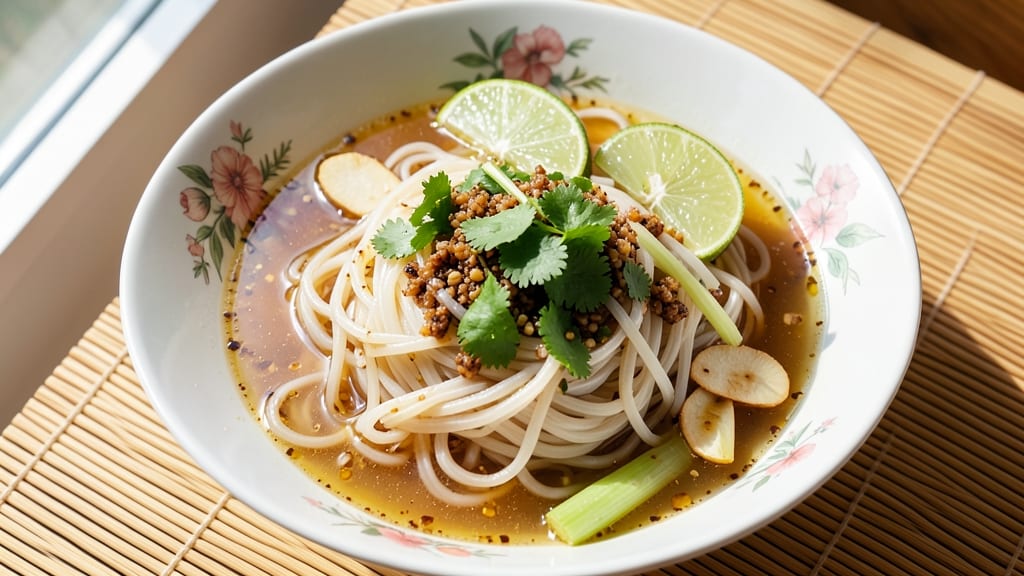
This bean thread noodles soup recipe delivers the delicate, silky texture of rice noodles in a vibrant ginger-lime broth that's both aromatic and refreshing.
The key lies in perfectly cooked noodles that remain tender yet firm, paired with a broth that balances bright citrus with warm spices—no heavy cream or meat needed.
I developed this version after years of perfecting the technique for a restaurant-style experience at home, where the noodles absorb just enough flavor without losing their signature bounce.
The foundation starts with high-quality rice noodles that cook in mere minutes but require precise timing to avoid mushiness. For the broth, fresh ginger and lime juice create that signature tangy-sweet profile, while aromatic vegetables like lemongrass and cilantro add depth without overpowering.
What makes this soup truly special is how the ingredients work together: the noodles' natural starch thickens the broth slightly as they cook, creating a naturally silky consistency that's impossible to achieve with instant noodles.
What you'll end up with is a bowl of soup that's elegant yet simple—silky noodles floating in a golden broth infused with bright citrus and herbal notes.
The aroma alone will draw everyone to the table, while the first bite delivers that perfect balance of textures: tender noodles, crisp vegetables, and a broth that's fragrant yet light enough to let the noodles shine.
This is the kind of dish that feels both comforting and sophisticated, perfect for any occasion where you want to impress without stress.
Serve it piping hot for a cozy meal or chill it for a refreshing summer dish—either way, the flavors come together beautifully. The recipe scales easily for crowds, and leftovers keep well for up to three days in the refrigerator. Let's get started on creating this restaurant-quality soup at home.
Ingredients for bean thread noodles soup
Silky noodles meet vibrant ginger-lime broth—just 15 ingredients for restaurant-quality silkiness.
| Ingredient | Amount | Notes |
|---|---|---|
| Bean Thread Rice Noodles 🍜 | 8 oz | High-quality, dried variety |
| Fresh Ginger 🧄 | ½ cup | Finely grated, aromatic |
| Lime Juice 🍋 | ¼ cup | Freshly squeezed, strained |
| Vegetable Broth 💧 | 4 cups | Low-sodium, homemade preferred |
| Lemongrass Stalks 🌿 | 2 whole | Bruised for flavor, outer leaves removed |
| Garlic Cloves 🧄 | 4 cloves | Minced, fresh preferred |
| Cilantro Stems 🌿 | ¼ cup | Including leaves, chopped |
| Red Bell Pepper 🌶️ | 1 whole | Thinly sliced, seeds removed |
| Carrot 🥕 | 1 whole | Julienned, medium size |
| Extra-Virgin Olive Oil 🫒 | 2 tbsp | For aromatics, fruity |
| Coconut Aminos 🥢 | 2 tbsp | Or tamari for gluten-free |
| Lime Zest 🍋 | 1 tsp | Freshly grated, aromatic |
| Sesame Oil 🫒 | 1 tsp | Toasted, for finishing |
| Red Chili Flakes 🌶️ | ½ tsp | Optional, adjust to taste |
| Sea Salt 🧂 | 1 tsp | Diamond Crystal preferred |
The rice noodles are non-negotiable here. Thai Kitchen brand or Three Ladies brand from Asian markets deliver the best texture—avoid anything labeled 'instant' or 'instant ramen-style'. Look for packages that say 'bean thread' or 'vermicelli' noodles. Fresh ginger and lime juice are the heart of this broth, so don't skimp. The Whole Foods bulk section or any Asian market will have the freshest ginger, and always buy limes that feel heavy for their size—those are juiciest. For lemongrass, you can find it frozen in most grocery stores, but fresh stalks have better flavor. If you're using frozen, thaw and bruise them well before adding to the broth.
No fresh ginger? Powdered ginger at half the amount works in a pinch, but it lacks that bright punch. Substituting coconut aminos? Soy sauce works too, though it's less tangy. The red bell pepper can be swapped for shredded cabbage if you want more crunch, and the carrot can be omitted entirely if you're watching sugar content. For extra depth, add a 1-inch piece of galangal if you can find it—it's like ginger's more exotic cousin. The sesame oil is for finishing, so don't use it in cooking—just a few drops at the end to elevate the aroma. If you're sensitive to heat, skip the chili flakes or use white pepper instead.
This soup reheats beautifully—just add a splash of water to loosen the broth. Keeps for 3 days in the fridge, though the noodles get slightly softer each day. For longer storage, freeze the broth separately from the noodles—it keeps for 3 months. I always make a double batch because the second day is even better as the flavors meld. Store the noodles separately in a sealed container with a damp paper towel to prevent drying. When ready to serve, just reheat the broth and toss in the noodles—no soaking needed.
Why You'll Love This Recipe
- No-Fuss Noodles: I swear by this when I’m too tired to chop much—just soak those silky bean threads in warm water for 15 minutes, and boom, they’re ready. The lemongrass and ginger do all the flavor work while you sip your coffee.
- Bright & Balanced: That first sip of lime juice cutting through the lemongrass broth? It’s like a wake-up call for your taste buds. The noodles soak up just enough of the tangy, herbal broth without turning mushy—perfect harmony.
- Lunchbox Hero: Between us, this is my go-to for packed lunches. The broth stays fresh for days in the fridge, and the noodles reheat like a dream. Add a fried egg or quick-pickled veggies, and suddenly you’ve got a restaurant-worthy meal for under $5.
- Budget Bright Spot: Fresh ginger and lemongrass might sound fancy, but they stretch so far in this soup. A single stalk of lemongrass and a thumb-sized ginger root make multiple servings—no waste, all flavor. Honestly, it’s the kind of recipe that makes grocery bills feel lighter.
Step-by-step instructions for silky rice noodles in fragrant broth
Here's how to transform delicate bean thread noodles into a vibrant, aromatic soup with perfect texture.
Prepare the Aromatic Base
Heat the 2 tablespoons extra-virgin olive oil in a medium pot over medium heat. Add the 2 whole lemongrass stalks (bruised by pounding gently with the side of a knife) and 4 cloves minced garlic. Sauté for 3 minutes until the garlic becomes fragrant and just begins to turn golden—this prevents it from burning and imparts deep flavor.
Add the 0.5 cup finely grated fresh ginger and 1 whole julienned carrot. Cook for another 2 minutes until the ginger softens slightly and releases its pungent aroma. The vegetables should soften but not brown—this ensures they contribute flavor without bitterness. Stir occasionally to prevent sticking, adding a splash of water if needed.
Build the Flavorful Broth
Pour in the 4 cups vegetable broth and bring to a gentle simmer. Add the 1 whole thinly sliced red bell pepper (seeds removed) and 0.5 teaspoon red chili flakes. Let the broth simmer uncovered for 8-10 minutes until it reduces slightly and the vegetables soften. You'll notice the broth deepens in color and aroma—this is when the lemongrass and ginger release their full potential.
Season with the 1 teaspoon sea salt and 1 teaspoon lime zest, then stir in the 2 tablespoons coconut aminos. Taste and adjust the saltiness—this is your flavor foundation. The broth should be balanced, with bright citrus notes from the lime zest and umami from the coconut aminos. If it tastes too mild, add a pinch more salt or a splash of lime juice.
Cook the Bean Thread Noodles
While the broth simmers, prepare the 8 ounces bean thread rice noodles according to package instructions—these delicate noodles cook in just 2-3 minutes in boiling water. Drain immediately and rinse under cold water to stop the cooking process and prevent sticking. The noodles should be pliable but still slightly firm to the bite.
Add the drained noodles to the simmering broth and gently stir to distribute them evenly. Cook for 3-4 minutes until the noodles soften completely and absorb the fragrant liquid. The broth should coat the noodles without making them mushy—this is the perfect texture for bean thread noodles. Taste the broth again and adjust seasoning if needed.
Finish with Fresh Herbs and Garnish
Remove the pot from heat and stir in the 0.25 cup chopped cilantro stems (including leaves) and 0.25 cup lime juice. The cilantro adds a bright, fresh contrast to the rich broth, while the lime juice brightens the entire dish. Let the soup sit for 2 minutes to allow the flavors to meld.
Drizzle with 1 teaspoon toasted sesame oil just before serving. The sesame oil adds a nutty depth and ties all the flavors together. Ladle the soup into bowls and garnish with additional lime zest and cilantro leaves. Each spoonful should deliver a harmonious balance of silky noodles, fragrant broth, and vibrant citrus notes.
Pro Tips For Making Bean Thread Noodles Soup
- SOAK NOODLES SEPARATELY: Bean thread noodles clump like glue if soaked together—split them into batches in cold water. I learned this the hard way after fishing out one giant noodle ball. Five minutes max, then drain and rinse under cold water to stop cooking.
- SLICE LEMONGRASS LENGTHWISE: Skip the bruising—split stalks lengthwise with a heavy knife, then pound lightly with the flat side. This releases oils without turning the broth bitter. (Yes, even if you’re impatient like me, resist the urge to chop.)
- SIMMER GINGER LOW AND LONG: Fresh ginger burns faster than you think. Add it last, then reduce heat to a bare simmer for 5 minutes—just enough to wake up the flavor without turning it to paste. Overcooking turns it medicinal.
- ACIDIFY AT THE END: Lime juice curdles in hot broth. Stir it in only after the soup leaves the heat, or your broth will split like a bad sauce. A squeeze at serving keeps the noodles bright and the broth balanced.
Essential equipment for great bean thread noodles soup
Pot Essentials
Start with a medium-sized stainless steel pot (like the All-Clad Stainless Steel Stockpot)—it heats evenly and prevents scorching. For the delicate noodles, a fine-mesh strainer (I use OXO Good Grips) is a must to avoid breaking strands.
A microplane (like Mikasa) for ginger and lime zest ensures you get fine, flavorful particles without bitter pith. 🧄
Precision Tools
A digital kitchen scale (such as Escali Primo) helps measure the 8 ounces of noodles accurately—rice noodles expand significantly when cooked. For bruising lemongrass, a rolling pin or the flat side of a chef’s knife works best.
A fine-mesh sieve (like Kitchy) is perfect for rinsing noodles to stop cooking immediately and prevent clumping.
Flavor Boosters
Fresh ingredients elevate this dish, so invest in a good quality mortar and pestle (like Kensington) if you want to crush whole spices or garlic for extra depth. A reusable lime juicer (such as Norpro) saves time and ensures you get every last drop of juice.
For finishing, a small squeeze bottle (like OXO Good Grips) lets you drizzle sesame oil evenly over each serving. 💫
Optional Upgrades
For a restaurant-style touch, a thermometer (like Thermoworks Thermapen) helps monitor broth temperature—ideal simmer is 195-205°F. If you love fresh herbs, a herb scissors (such as Kitchy) makes chopping cilantro stems quick and clean.
Store-bought Thai Kitchen bean thread noodles are reliable, but for authenticity, try Three Ladies brand from Asian markets.
Nutrition facts
Frequently asked questions
Can I substitute fresh ginger with powdered ginger?
You can use powdered ginger, but reduce the amount to ¼ teaspoon for every ½ cup of fresh ginger called for. Fresh ginger provides a brighter, more aromatic flavor that powdered can't fully replicate. For best results, always use fresh when possible.
How do I prevent bean thread noodles from sticking together?
Rinse the noodles immediately after draining with cold water and gently toss them with a tiny bit of oil or sesame oil. Use a fine-mesh strainer to drain them and avoid overcrowding the pot when cooking. Stir them gently while they cook in the broth to prevent clumping.
Can I make this soup ahead of time?
Prepare the broth up to 2 days ahead and store it in the refrigerator. Keep the noodles separate until serving to maintain their texture. Reheat the broth gently, then add the noodles just before serving. For longer storage, freeze the broth separately for up to 3 months.
What if I don't have lemongrass?
You can substitute with ½ teaspoon lemongrass paste or ½ teaspoon grated lime zest plus ¼ teaspoon ground coriander. Both options will add a citrusy aroma, though fresh lemongrass gives the most authentic flavor. If you're adventurous, try galangal for a more exotic touch.
How do I adjust the spice level?
Start with the ½ teaspoon red chili flakes as written, then adjust to taste. For milder heat, reduce to ¼ teaspoon or omit entirely. If you prefer more spice, add an extra ½ teaspoon or a pinch of cayenne pepper. Always taste before serving!