
Soups & Stews
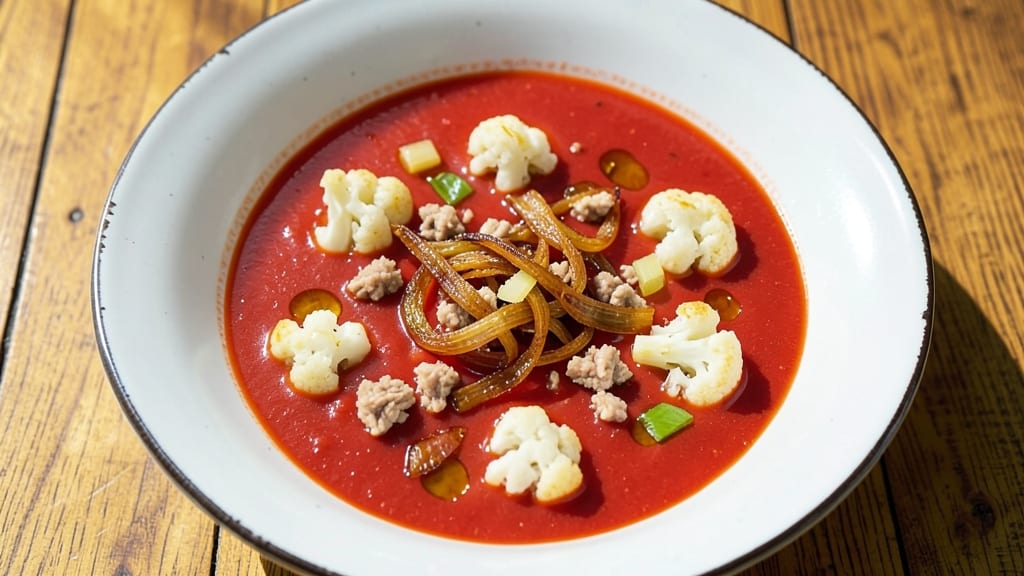
This bariatric tomato soup recipe delivers all the comforting flavors of classic tomato soup—without the heavy cream, excess carbs, or post-meal discomfort. Designed specifically for those navigating weight-loss surgery recovery, it focuses on lean proteins, easy-to-digest ingredients, and smart portion control to keep calories in check while satisfying cravings.
The secret lies in blending silky roasted tomatoes with a touch of xanthan gum for natural thickness, creating a velvety texture that’s gentle on digestion yet packed with flavor.
What sets this recipe apart is its balance of nutrition and simplicity. Lean ground chicken or white fish adds protein for satiety, while steamed cauliflower and carrots provide fiber and vitamins without overloading your system.
The soup blends to a smooth consistency, avoiding chunks that might be difficult to digest, yet still delivers that familiar, comforting bowl of tomato soup you crave. Every ingredient serves a purpose—whether it’s supporting weight-loss goals, aiding digestion, or simply making you feel nourished.
By the time you finish this recipe, you’ll have a portion-controlled, low-calorie bowl of soup that’s rich in flavor but light on your stomach. The recipe includes clear guidance on portion sizes and modifications for texture preferences, ensuring it works for both early post-surgery recovery and long-term maintenance.
It’s the kind of meal that proves healthy eating doesn’t have to mean sacrificing taste or satisfaction.
The best part? This soup can be prepped ahead and reheated easily, making it a go-to for busy days when you need something quick, nutritious, and still feels like a treat.
Whether you’re looking for a gentle introduction to solids after surgery or a guilt-free indulgence, this recipe delivers—without the guilt. Let’s get started with a recipe that’s as kind to your body as it is delicious.
Ingredients for bariatric tomato soup
Lean proteins, gentle veggies, and clever thickening create this comforting yet bariatric-friendly tomato soup.
| Ingredient | Amount | Notes |
|---|---|---|
| Canned San Marzano Tomatoes 🍅 | 28 oz | Crushed by hand for texture |
| Low-Sodium Chicken Broth 💧 | 2 cups | Homemade or high-quality store-bought |
| Carrots 🥕 | 2 medium | Peeled and chopped into small pieces |
| Yellow Onion 🧅 | 1 medium | Diced finely for smooth texture |
| Cauliflower Florets 🥬 | 1 cup | Steamed until tender |
| Lean Ground Chicken 🍗 | ½ lb | 93% lean or higher |
| Garlic Cloves 🧄 | 3 cloves | Minced for subtle flavor |
| Xanthan Gum 🧪 | ¼ tsp | For natural thickening |
| Extra-Virgin Olive Oil 🫒 | 1 tbsp | For roasting tomatoes |
| Fresh Basil Leaves 🌿 | ¼ cup | Chopped for freshness |
| Low-Fat Greek Yogurt 🥛 | ¼ cup | For creaminess without heaviness |
| Sea Salt 🧂 | ½ tsp | Diamond Crystal preferred |
| Ground Black Pepper 🌶️ | ¼ tsp | Freshly cracked |
| Fresh Lemon Juice 🍋 | 1 tbsp | Brightens flavors |
The San Marzano tomatoes are non-negotiable—their natural sweetness and low acidity make them perfect for bariatric diets. Trader Joe's and Whole Foods carry them year-round, or opt for high-quality crushed tomatoes in a pinch. For the carrots and onion, smaller pieces mean easier digestion, so dice them finely. The cauliflower adds volume without carbs, and fresh florets (not frozen) ensure better texture. Lean ground chicken is your protein powerhouse—93% lean or higher keeps calories in check while providing satiety.
No San Marzano tomatoes? High-quality crushed tomatoes work, but avoid the watery canned varieties. Swap the Greek yogurt for unsweetened almond milk yogurt if dairy is an issue, though the texture will be slightly lighter. The xanthan gum is key for that velvety consistency—no substitutions here. For extra flavor without calories, fresh basil or a pinch of dried oregano will do the trick. The lemon juice brightens the soup without adding sugar, and freshly squeezed is best—bottled juice lacks that zesty punch.
Prep the carrots and onion first—they soften quickly. The soup reheats beautifully, so double the batch and freeze portions for up to 3 months. Store leftovers in glass containers to avoid absorbing odors. For texture preferences, blend longer for extra silkiness or leave slightly chunky for early recovery stages. Each serving is portion-controlled at about 1 cup, making it perfect for meal prep.
Why You'll Love This Recipe
- No-Chop Necessary: I swear by this—just dice the onion once, then let the broth and San Marzano tomatoes do the work. The cauliflower florets stay whole, so you’re not stuck peeling or grating anything. Honestly, I make this while scrolling through my phone.
- Rich Without the Guilt: That low-sodium broth and sweet San Marzano tomatoes create a depth that feels indulgent, but the cauliflower keeps it light. Between us, it’s the kind of soup that makes you forget it’s "diet-friendly"—until you realize you’re on your second bowl.
- Leftover Goldmine: This soup tastes better the next day. I double the batch on Sundays, freeze half, and pull it out for lazy nights. The carrots soften just enough to sweeten the broth, and the cauliflower holds its texture—no mush, no regret.
- Budget Meal, Big Payoff: Canned tomatoes and frozen cauliflower florets? That’s my wallet’s best friend. A single can of San Marzano and a bag of florets stretch to four servings, and the onion and carrots are cheap staples. I’ll be real: this is the soup I make when I’m broke but still want to eat well.
Step-by-step instructions for bariatric tomato soup
Here's how to create a satisfying, protein-rich tomato soup that feels indulgent but supports your dietary needs.
Build the Flavor Base with Roasted Vegetables
Preheat your oven to 400°F. In a small bowl, toss the 2 medium carrots (peeled and chopped) and 1 medium yellow onion (diced) with 1 tablespoon extra-virgin olive oil, 0.25 teaspoon sea salt, and 0.125 teaspoon ground black pepper. Spread them on a baking sheet in an even layer.
Roast for 20-25 minutes until the carrots soften and the onions caramelize slightly at the edges. You'll smell that sweet, concentrated vegetable aroma—this is where the soup's depth of flavor begins. The roasting process enhances their natural sweetness without adding extra fat, making this a smart bariatric-friendly technique.
Cook the Protein and Develop the Sauce
While the vegetables roast, heat a large pot over medium heat. Add the 0.5 pound lean ground chicken and cook, breaking it apart with a wooden spoon, until it's no longer pink in the center (5-6 minutes). The chicken should be fully cooked but still retain its texture—don't overcook or it'll turn rubbery.
Add the roasted carrots and onions to the pot along with the 28 ounces canned San Marzano tomatoes (crushed by hand) and 2 cups low-sodium chicken broth. Bring to a gentle boil, then reduce heat to medium-low and let it simmer for 15 minutes. You'll notice the tomatoes break down and release their natural sweetness, creating a rich base without needing heavy cream.
Thicken and Add the Cauliflower
In a small bowl, whisk together 1 tablespoon fresh lemon juice and 0.25 teaspoon xanthan gum with 2 tablespoons of the soup. This creates a slurry that will gently thicken the soup without altering its texture dramatically. Stir this mixture into the simmering pot and cook for another 5 minutes.
Add the 1 cup cauliflower florets (steamed until tender) to the pot. The cauliflower will melt into the soup, adding natural creaminess while keeping calories in check. Simmer for an additional 10 minutes until the cauliflower is completely tender and the soup has reached your desired consistency. The xanthan gum will help create that velvety mouthfeel without heavy cream.
Finish with Fresh Herbs and Bright Acid
Remove the pot from heat and stir in the 0.25 cup chopped fresh basil leaves and 0.25 cup low-fat Greek yogurt. The basil adds freshness that balances the acidity, while the yogurt contributes a subtle tang and creaminess without the heaviness of traditional cream. Taste and adjust seasoning with additional sea salt and black pepper if needed.
Let the soup sit off heat for 5 minutes to allow the flavors to meld together. The yogurt will slightly thicken as it cools, creating that perfect spoonable consistency. Serve warm, garnished with additional fresh basil if desired. This soup delivers satisfying texture and flavor while being mindful of your dietary needs—proof that comfort food can align with nutritional goals.
Pro Tips For Making Bariatric Tomato Soup
- SAUTE ONIONS LOW AND SLOW: I used to rush this step and end up with bitter, caramelized bits that ruined the whole soup. Instead, cook the diced yellow onion in a little olive oil over medium-low heat for 8-10 minutes until soft and translucent—not brown. This builds flavor without overpowering the delicate bariatric-friendly texture.
- PEEL CAULIFLOWER FLORETS FIRST: Sounds weird, but it works: peel the cauliflower florets before adding them to the soup. The skin stays tough even when cooked, and with smaller portions post-surgery, every bite counts. Just rub them with a clean kitchen towel to remove the outer layer—no knife needed.
- STRAIN TOMATO JUICE SEPARATELY: After crushing the San Marzano tomatoes, strain the juice through a fine-mesh sieve and reserve it. Add it back to the soup in small amounts at the end—this keeps the texture smooth without watering it down. I learned this the hard way when I skipped it and ended up with a soup that was too thin to satisfy.
- ADD CARROTS LAST, COOK 5 MINUTES: Toss the diced carrots in at the very end, just 5 minutes before serving. This keeps them tender-crisp and bright in color, which matters when you’re eating smaller portions. Overcooking turns them mushy, and nobody wants that when every bite is precious.
Make-ahead tips for this dish
Prep Ahead for Meal Prep
This soup is a meal prep dream—make a big batch on Sunday and enjoy it all week. After cooking, let it cool completely, then transfer to glass airtight containers (I love Pyrex or mason jars for portion control).
Store in the fridge for up to 5 days, or freeze in 1-cup portions for up to 3 months. The xanthan gum keeps it creamy even after reheating, so no texture surprises. 📅
Freezing for Long-Term Storage
For freezing, leave ½-inch headspace in containers to prevent expansion cracks. Label with dates—trust me, you’ll forget! When reheating frozen portions, thaw overnight in the fridge, then warm on the stovetop with ¼ cup water over low heat for 10-12 minutes.
Microwave reheating works too: 70% power for 3 minutes, stir, then 1-minute intervals until steaming. Always reheat to 165°F for safety. ❄️
Portion Control Made Easy
Each serving is 1 cup, perfect for bariatric portion guidelines. Use smaller bowls (like 10-ounce ramekins) to visually reinforce portion sizes. For extra convenience, prep individual portions in microwave-safe containers—they’re ready in seconds.
I keep a stash in my freezer for those days when I need a quick, nourishing meal without decision fatigue. 🍲
Texture Adjustments
Need it smoother? Blend with an immersion blender for 30 seconds before freezing. For early recovery stages, leave slightly chunky—just pulse briefly. The cauliflower adds creaminess naturally, but if you prefer extra richness, stir in 1 tablespoon Greek yogurt when reheating.
The xanthan gum ensures it stays velvety even after reheating. ✨
Flavor Boost for Leftovers
Reheated soup can lose some brightness, so revive it with a squeeze of lemon juice or a pinch of fresh basil. For extra protein, stir in 1 tablespoon cooked ground chicken when reheating.
If it seems too thick, add 1 tablespoon broth to loosen. The Greek yogurt may separate slightly when reheated—just stir vigorously to restore creaminess. 💛
Make-Ahead Shortcuts
Skip the roasting step ahead of time: chop and store veggies in the fridge for 3 days or freeze for 1 month. The ground chicken can be pre-cooked and stored separately.
When ready to assemble, simply reheat the chicken and veggies, then combine with the canned tomatoes and broth. This cuts active prep time to just 20 minutes—perfect for busy weeknights! ⏰
Nutrition facts
Frequently asked questions
Can I substitute the chicken with another protein?
For a lighter option, try lean ground turkey or white fish like cod or tilapia (about 4 oz per serving). If you prefer plant-based, lentils or chickpeas work well—just ensure they're well-cooked and blended for easier digestion. The key is keeping portions small (¼ cup cooked) to avoid overloading your system.
How do I adjust the soup for early recovery vs. later stages?
For early recovery (0-3 months post-op), blend the soup until completely smooth and avoid any chunks. Later stages can handle slightly thicker textures—pulse briefly for a rustic finish. The xanthan gum helps maintain creaminess, but if it's too thick, add 1 tablespoon broth per serving. Always prioritize small portions (½ cup) in early recovery.
Why does the soup need xanthan gum? Can I skip it?
Xanthan gum replaces heavy cream while adding natural thickness and creaminess without extra calories. If you must skip it, blend in 1 tablespoon Greek yogurt per serving when reheating, but the texture will be lighter. For a cornstarch alternative, mix ½ teaspoon cornstarch with 1 tbsp cold water and stir into the soup at the end—simmer 2 minutes to thicken.
Is this soup safe for dumping syndrome?
Yes, but with precautions! The recipe avoids high-sugar ingredients and focuses on low-volume, easy-to-digest components. Serve ½ cup portions at room temperature or slightly warm to reduce risk. Avoid adding acidic toppings (like vinegar) that could trigger symptoms. If you experience discomfort, reduce portion size further or dilute with extra broth.
Can I make this soup dairy-free?
Easily! Replace the Greek yogurt with unsweetened coconut milk (light version) or silken tofu blended smooth. For extra creaminess without dairy, add 1 tablespoon nutritional yeast per serving. The xanthan gum still works perfectly—just ensure all other ingredients are dairy-free. The flavor remains rich and satisfying!