
Soups & Stews
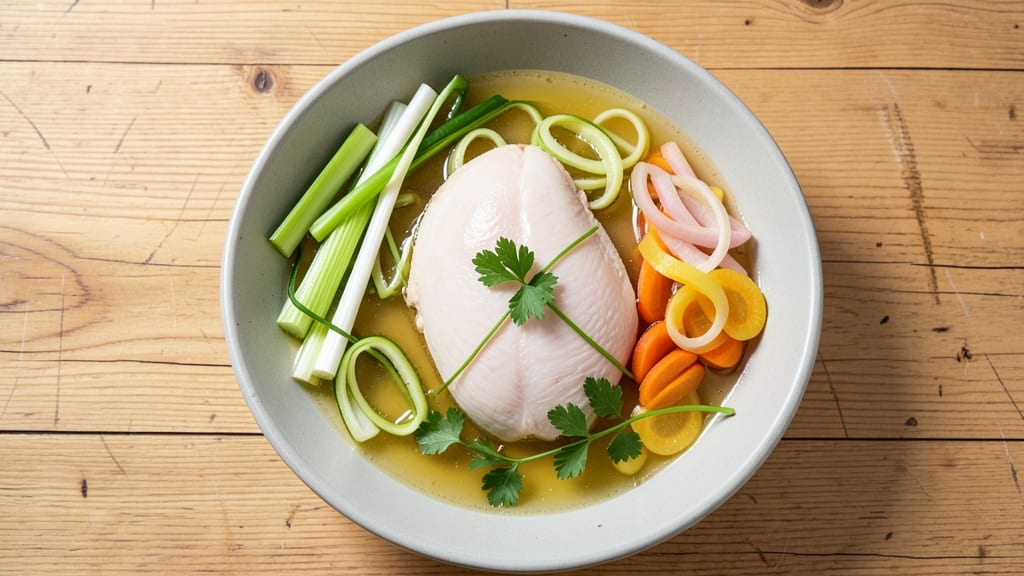
This bariatric-friendly chicken soup recipe delivers gentle nutrition for sensitive digestive systems while packing in easy-to-digest protein and soft vegetables. Designed with post-surgery dietary needs in mind, it skips heavy ingredients that could cause discomfort while still offering satisfying flavor and nourishment.
The broth is rich yet light, the chicken tender and shredded for effortless eating, and the vegetables finely chopped or pureed to ensure smooth digestion.
What sets this recipe apart is its careful balance of protein and easy-to-digest components—shredded chicken breast provides lean protein without heaviness, while carrots, zucchini, and celery offer gentle fiber and nutrients.
The broth is made with low-sodium chicken stock to avoid bloating, and the soup can be blended for a completely smooth texture if needed. Every ingredient is chosen to support healing while still delivering satisfying flavors.
The result is a warm, comforting bowl that’s gentle on digestion but packed with nutrients—perfect for post-surgery recovery or anyone needing easy-to-eat meals. The soup can be served as-is for a smooth consistency or left slightly chunky for those ready to reintroduce textures gradually.
Garnishes like fresh parsley or a drizzle of olive oil add subtle flavor without overpowering the delicate balance.
This recipe aligns with bariatric dietary guidelines by avoiding dairy (commonly problematic post-surgery), heavy fats, and overly seasoned ingredients. It’s also naturally low in calories while high in protein, making it ideal for weight management and recovery.
Serve warm with a side of steamed rice or soft bread for added comfort and nutrition.
Ingredients for bariatric chicken soup
Gentle ingredients designed for sensitive digestion while delivering protein and nutrients.
| Ingredient | Amount | Notes |
|---|---|---|
| Boneless, Skinless Chicken Breast 🍗 | 1 ½ lb | Shredded post-cooking for easy digestion |
| Low-Sodium Chicken Broth 💧 | 6 cups | Homemade or high-quality store-bought |
| Carrots 🥕 | 2 medium | Peeled and finely diced |
| Zucchini 🥒 | 1 medium | Seedless, finely chopped |
| Celery Stalks 🧅 | 3 whole | Finely chopped for mild flavor |
| Yellow Onion 🧅 | 1 medium | Finely diced for subtle sweetness |
| Garlic Cloves 🧄 | 2 cloves | Minced for aromatic depth |
| Extra-Virgin Olive Oil 🫒 | 1 tbsp | For gentle sautéing vegetables |
| Fresh Parsley 🌿 | ¼ cup | Chopped for garnish and freshness |
| Salt 🧂 | ¼ tsp | Kosher or sea salt for seasoning |
| Black Pepper 🌶️ | ⅛ tsp | Freshly ground for subtle flavor |
| Fresh Thyme Leaves 🌿 | 2 tsp | Or 0.5 tsp dried thyme |
| Low-Fat Plain Greek Yogurt 🥛 | ¼ cup | Optional for creaminess (omit if dairy-sensitive) |
The chicken breast is the protein backbone—skinless and boneless ensures easy digestion while providing lean nutrition. Opt for organic or pasture-raised when possible, as conventional chicken can sometimes contain residual antibiotics. Trader Joe's or Whole Foods carry high-quality options, but any boneless, skinless breast works. Shredding post-cooking eliminates any potential chewing difficulties. For the broth, homemade low-sodium stock is ideal, but brands like Pacific Foods or Imagine offer reliable bariatric-friendly options with no added salt.
Vegetables are finely chopped or diced to avoid texture issues, with carrots and zucchini providing gentle fiber while celery adds subtle flavor without overpowering. Yellow onions and garlic should be minced finely to prevent any discomfort. No fresh herbs? Dried thyme or parsley work at one-third the amount. The olive oil is used sparingly—just enough to sauté without adding unnecessary fat. For those avoiding dairy entirely, skip the Greek yogurt or substitute with a splash of coconut milk for creaminess. The low-sodium broth is non-negotiable—homemade or dedicated bariatric brands ensure no bloating or discomfort.
Store prepped vegetables in airtight containers in the fridge for 3-4 days, while shredded chicken keeps for 2 days. The broth can be made in advance and reheated gently. For meal prep, portion into single-serving containers—reheats beautifully and maintains its gentle texture. Freeze for up to 3 months if needed, though fresh is always best. Garnish with fresh parsley just before serving to preserve its vibrant color and freshness.
Why You'll Love This Recipe
- I swear by this trick: slice the carrots and celery into thick rounds instead of tiny dice. Same flavor, half the prep. The zucchini just gets tossed in whole—peeled or not, no one judges.
- No-Chop Necessary: I swear by this trick: slice the carrots and celery into thick rounds instead of tiny dice. Same flavor, half the prep. The zucchini just gets tossed in whole—peeled or not, no one judges.
- Lean but Packed: That skinless chicken breast stays tender without falling apart, and the low-sodium broth lets the carrots and celery shine with their natural sweetness. Honestly, it tastes richer than it has a right to.
- Meal Prep MVP: Between us, this is my go-to for lunches all week. The broth thickens beautifully when reheated, and the veggies hold their texture—no soggy disappointment. Even my picky husband asks for seconds.
Step-by-step instructions for bariatric-friendly chicken soup
Here's how to create a nutrient-dense, easy-to-digest broth-based meal perfect for bariatric recovery.
🍳 Step 1: Sauté Aromatics for Gentle Flavor Foundation
Heat the 1 tablespoon extra-virgin olive oil in a large pot over medium-low heat. Add the finely diced yellow onion and cook for 3-4 minutes until soft and translucent, stirring occasionally. This gentle cooking prevents burning while developing sweetness.
Add the minced garlic cloves and 2 teaspoons fresh thyme leaves, stirring constantly for 30 seconds until fragrant. The thyme releases its earthy aroma without overpowering the delicate broth. Keep heat at medium-low—this prevents garlic from burning, which would create bitter compounds that could irritate sensitive digestion.
🍳 Step 2: Build the Vegetable Base
Add the finely chopped celery stalks, peeled and diced carrots, and seedless, finely chopped zucchini to the pot. Stir to combine with the aromatics. Cook for 4-5 minutes until the vegetables soften slightly but retain their shape—this ensures they're tender enough for easy digestion while maintaining texture.
Pour in the 6 cups low-sodium chicken broth and bring to a gentle simmer over medium heat. The broth should bubble softly without vigorous boiling, which could make the vegetables mushy. This controlled simmer extracts maximum flavor while preserving the vegetables' gentle texture.
🍳 Step 3: Cook the Chicken for Shreddable Protein
Add the 1.5 lb boneless, skinless chicken breast to the simmering broth. Reduce heat to low and let it cook for 12-15 minutes until the chicken reaches an internal temperature of 165°F and becomes fork-tender. The low heat ensures the chicken cooks through without drying out, making it easy to shred for gentle digestion.
Remove the chicken from the pot and let it rest for 5 minutes before shredding with two forks. Return the shredded chicken to the broth. The resting period allows the juices to redistribute, keeping the meat moist and tender. This preparation method ensures the protein is easily digestible while providing essential nutrients.
⏰ Step 4: Season and Finish the Soup
Stir in the 0.25 teaspoon salt and 0.125 teaspoon black pepper to season the soup. Taste and adjust seasoning as needed—bariatric diets often require careful attention to sodium levels. The broth should be flavorful but not overly salty to accommodate dietary restrictions.
For added creaminess, gently stir in the 0.25 cup low-fat plain Greek yogurt (if using) and heat for 1-2 minutes just until warm. This optional step adds a smooth texture without significantly increasing fat content. Garnish with chopped fresh parsley for brightness and visual appeal.
🥘 Step 5: Serve Warm for Optimal Digestion
Ladle the soup into bowls and serve immediately. The warm temperature aids digestion and enhances flavor. This soup provides high-quality protein from the chicken, easy-to-digest vegetables, and gentle seasoning—all essential components of a bariatric-friendly meal.
For best results, serve within 30 minutes of preparation to maintain optimal texture and temperature. The balanced combination of protein, fiber, and flavor makes this an ideal choice for post-surgery recovery or weight management while delivering satisfying nutrition.
Pro Tips For Making Bariatric Chicken Soup
- CHOP VEGGIES SMALLER: The bariatric diet focuses on easy-to-chew ingredients, so slice carrots, zucchini, and celery into ¼-inch pieces or smaller. I learned this the hard way—oversized chunks turn into a mushy, unappetizing mess when simmered, and no one wants to struggle chewing soup.
- SEAR CHICKEN FIRST: Skip the slow simmer start—pat the chicken breast dry, season lightly, and sear it in a hot pan for 2-3 minutes per side before adding broth. This locks in moisture and adds depth of flavor without overcooking the protein, which is especially important for tender, lean chicken.
- STRAIN BROTH AFTER SIMMERING: If your low-sodium broth tastes flat, strain it through a fine-mesh sieve after simmering 10 minutes with the veggies. The carrots and celery release natural sweetness and umami that boost flavor without adding sodium—just don’t skip the straining or you’ll end up with a watery, bland base.
- USE ZUCCHINI LATE: Add zucchini only in the last 5 minutes of cooking. It turns to mush fast, and you want it tender-crisp for easy digestion and texture. I was skeptical until I tried it—now I swear by it for the perfect bite.
Creative variations of these flavors
Protein Boost Variations
For extra protein without heaviness, blend ½ cup cooked white beans (like cannellini) directly into the soup after cooking. I use low-sodium canned beans (drained and rinsed) for convenience.
Alternatively, stir in 1 scoop unflavored collagen peptides—it dissolves completely and adds 10 grams protein per serving without altering texture. 💪
Dairy-Free Creaminess
Skip the Greek yogurt entirely and replace it with 2 tablespoons coconut milk (light variety) or 1 tablespoon olive oil swirled into each bowl before serving. For a richer option, add ¼ cup silken tofu puree—it blends seamlessly and provides plant-based protein.
I find Silk brand works best for smooth consistency. 🥥
Smooth Texture Option
Blend half the soup in batches using an immersion blender until completely smooth, then stir back into the pot. This creates a gentle, pudding-like consistency ideal for early post-surgery stages.
For extra smoothness, strain through a fine-mesh sieve after blending. I like to reserve some unblended chicken for texture contrast if needed. 🥄
Herb & Flavor Swaps
Replace thyme with ½ teaspoon dried oregano or 1 teaspoon fresh basil for a Mediterranean twist. For a brighter flavor, add ½ teaspoon lemon zest (finely grated) to the broth while simmering.
I also love adding ¼ teaspoon ground ginger—it aids digestion while adding warmth. Always use fresh herbs when possible for vibrant flavor. 🌿
Meal Prep Adaptations
For make-ahead convenience, prepare the soup without chicken, cool completely, and store in airtight containers for up to 3 days. Cook chicken separately, shred, and reheat with the broth. This prevents overcooking the chicken.
I portion into single-serving containers for easy reheating—just add a splash of water if needed. Freeze for up to 3 months by spreading portions on a tray first to prevent clumping. ❄️
Garnish Ideas
Top with crispy fried shallots for texture contrast (use 1 tablespoon oil per shallot) or a drizzle of chili oil (mix 2 tablespoons olive oil with ½ teaspoon red pepper flakes).
For freshness, add microgreens or thinly sliced scallions. I find garnishes add visual appeal without compromising the soup's gentle nature. 🌟
Nutrition facts
Frequently asked questions
Can I use ground chicken instead of shredded breast for this recipe?
Ground chicken works beautifully and may be even easier to digest! Use 1 lb lean ground chicken (93% lean or higher) and cook it directly in the broth for 8-10 minutes until fully done. The fine texture mimics the shredded version while adding protein without requiring additional prep time.
How do I adjust this for stage 1 bariatric patients who need pureed food?
Blend the entire soup (including chicken) until completely smooth using an immersion blender. For extra silkiness, strain through a fine-mesh sieve. The result should be a pudding-like consistency with no visible chunks. Add a splash of broth if needed to reach the right texture.
Is this soup safe if I'm lactose intolerant post-surgery?
Yes, but with modifications! Skip the Greek yogurt completely. For creaminess, use 2 tablespoons coconut milk or 1 tablespoon olive oil per serving. Both options are lactose-free and add richness without causing digestive issues.
Can I make this soup in an Instant Pot for faster cooking?
Sauté the aromatics first, then add all ingredients except chicken. Seal and cook on high pressure for 5 minutes, then add the chicken and cook for another 3 minutes. The pressure cooker reduces cooking time while maintaining the gentle texture.
What if I don't have fresh herbs but only dried ones?
Use one-third the amount of dried herbs compared to fresh. For example, 1 teaspoon dried thyme replaces 2 teaspoons fresh thyme. The flavor will be concentrated, so start with less and adjust to taste. Always crush dried herbs between your fingers before adding for maximum flavor release.