
Soups & Stews
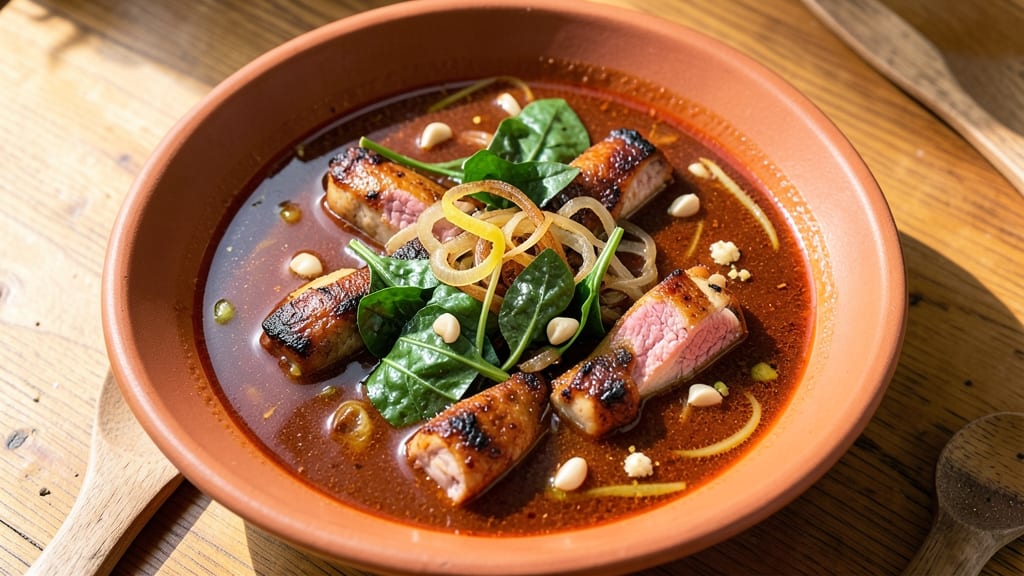
This Banga Soup recipe Cameroon delivers the rich, smoky depth of traditional West African cooking in one flavorful pot. 🔥 The secret lies in slow-cooked meat or fish simmered with palm oil, okra, and bitter leaf—creating a hearty broth that balances earthy, spicy, and umami notes.
What makes this dish special is its ability to transform simple ingredients into a restaurant-worthy meal with minimal effort. The beauty of Banga Soup is its versatility—whether you use chicken, beef, or fish, the palm oil base gives it that signature smoky richness.
Leafy greens like spinach or bitter leaf add freshness, while spices like ginger, garlic, and Scotch bonnet peppers create layers of warmth. The okra thickens the broth naturally, ensuring every spoonful is packed with flavor.
By the time you serve it, you’ll have a soup that’s hearty enough for a family dinner but simple enough for a weeknight meal. The aroma alone will have everyone gathered around the table, eager to taste the perfect blend of smoky, spicy, and savory.
Serve it with fufu, rice, or plantains for the full Cameroonian experience. This recipe stays true to tradition while adapting to modern kitchens—no special equipment needed, just patience and a love for bold flavors.
Ingredients for banga soup recipe cameroon
Six ingredients define this smoky, hearty Banga Soup—palm oil, okra, bitter leaf, and spices that bring West African warmth to your pot.
| Ingredient | Amount | Notes |
|---|---|---|
| Chicken Thighs 🍗 | 1 ½ lb | Bone-in, skin-on preferred |
| Red Palm Oil 🫒 | ½ cup | For authentic smoky flavor |
| Okra 🥒 | 1 lb | Fresh, trimmed and sliced |
| Bitter Leaf 🌿 | 2 cups | Chopped, or substitute spinach |
| Onions 🧅 | 1 whole | Medium, chopped |
| Garlic Cloves 🧄 | 6 cloves | Minced for depth of flavor |
| Fresh Ginger 🌿 | 2 tbsp | Grated, for zesty kick |
| Scotch Bonnet Peppers 🌶️ | 1 whole | Seeded, adjust for heat |
| Tomato Paste 🍅 | 2 tbsp | For rich, concentrated flavor |
| Fish Stock 🐟 | 4 cups | Homemade or quality store-bought |
| Thyme Leaves 🌿 | 1 tbsp | Fresh, for earthy aroma |
| Bay Leaves 🍃 | 2 whole | For subtle herbal notes |
| Salt 🧂 | 1 ½ tsp | Adjust to taste |
| Black Pepper 🌶️ | ½ tsp | Freshly ground for heat |
The palm oil is non-negotiable here—it’s what gives Banga Soup its signature smoky depth. African markets or specialty stores carry it, but you can find it online too. Look for red palm oil, not the refined kind. The okra? Fresh is best, but frozen works in a pinch—just thaw and drain first. If you can’t find bitter leaf, spinach or collard greens work, though the flavor won’t be identical. The chicken thighs are key—they stay juicy while simmering, and the skin adds richness to the broth. Bone-in, skin-on is ideal, but boneless works if that’s what you’ve got.
No palm oil? Smoked paprika mixed with olive oil is a decent stand-in, though it won’t be the same. Fresh ginger and Scotch bonnet peppers are the secret to that perfect balance of heat and zing. Trader Joe’s often has Scotch bonnet peppers in the frozen section if you can’t find them fresh. The tomato paste can be swapped for fresh tomatoes, but cooked down to 2 tablespoons for the same intensity. Fish stock is traditional, but chicken or vegetable stock works if you’re vegetarian. Just remember—this soup is all about layering flavors, so don’t skip the thyme and bay leaves. They’re subtle but essential.
This soup tastes even better the next day—let it sit overnight, and the flavors meld into something magical. Keeps for 4-5 days in the fridge, or 3 months frozen. I like to make a big batch and freeze portions for lazy weeknights. The okra thickens as it cooks, so if it’s too thin, just simmer uncovered for 10-15 minutes to reduce. And trust me, leftovers reheat beautifully—just add a splash of water if it’s too thick.
Why You'll Love This Recipe
- One-Pot Magic: I swear by this recipe—just toss everything into a pot, stir, and let the bitter leaf and okra work their texture magic. No fancy steps, no extra bowls, and the rich red palm oil does the heavy lifting for you.
- Rich, Earthy Depth: That first spoonful of soup? Pure satisfaction. The chicken thighs stay tender while soaking up the deep, nutty palm oil, and the bitter leaf adds a complexity that makes it taste like a hug in a bowl. Honestly, the okra thickens it just enough to feel hearty without being gluey.
- Weeknight or Weekend: Between us, this soup is my go-to for lazy Sundays and rushed Tuesdays. The leftovers taste even better the next day—yes, really—and it’s the kind of dish that makes you want to call everyone over. Serve it with rice or fufu, and suddenly you’re hosting a feast.
- Budget-Friendly Feast: Chicken thighs and bitter leaf stretch into a full meal without breaking the bank. I’ll be real: the palm oil costs a bit upfront, but one bottle lasts for ages, and the okra adds bulk without sacrificing flavor. It’s the kind of recipe that makes grocery day feel like a win.
Step-by-step instructions for Banga soup Cameroon
Here's how to make this smoky, rich West African classic with perfect texture and flavor.
🔥 Step 1: Sear the Chicken Thighs for Deep Flavor
Heat the 0.5 cup red palm oil in a large pot over medium-high heat until shimmering. Add the 1.5 lb chicken thighs, skin-side down, and let them sear for 8-10 minutes until golden brown and crispy. You want that skin to develop a nice crust - this is where all the flavor starts.
Flip the chicken thighs and cook for another 5-6 minutes until they're browned on both sides. Remove them from the pot and set aside. Don't drain the oil - those browned bits are pure flavor gold that will form the base of your soup. Here's where it gets good - you're building layers of taste right from the start.
👨🍳 Step 2: Build the Aromatic Base
In the same pot with all that flavorful oil, add the 1 whole chopped onions and cook for 5 minutes until softened and translucent. Add the 6 cloves minced garlic and 2 tbsp grated fresh ginger, stirring constantly for 1 minute until fragrant - you should smell that fresh, zesty aroma wafting through your kitchen.
Next, add the 2 tbsp tomato paste and stir well to coat the bottom of the pot. Cook for another 2 minutes until it darkens slightly. This step creates the rich foundation that ties all the flavors together. Don't rush it - let those aromatics develop properly.
🥘 Step 3: Simmer the Vegetables and Okra
Add the 1 lb sliced okra and 2 cups chopped bitter leaf to the pot. Stir gently to combine, then pour in the 4 cups fish stock. Bring everything to a gentle boil, then reduce heat to medium-low and let it simmer for 20-25 minutes until the okra is tender and the bitter leaf has wilted down.
While it simmers, add the 1 whole seeded Scotch bonnet peppers, 2 whole bay leaves, and 1 tbsp thyme leaves. Stir in the 1.5 tsp salt and 0.5 tsp black pepper. The soup should be developing that rich, smoky depth from the palm oil and earthy notes from the bitter leaf. Taste it now - you're building the flavor profile that makes Banga special.
🔥 Step 4: Finish with the Chicken and Adjust Seasoning
Return the chicken thighs to the pot and spoon some of the soup over them to keep them moist. Cover and simmer for another 15-20 minutes until the chicken is cooked through and tender. The internal temperature should reach 165°F when checked with a meat thermometer.
Remove the bay leaves and adjust the seasoning if needed. The soup should be rich but not overly salty - remember, the palm oil is already quite flavorful. If you used spinach as a substitute for bitter leaf, you might want to add a pinch more salt to compensate for its milder flavor. The okra should be tender but still hold its shape - if it's falling apart, you might have overcooked it slightly.
⏰ Step 5: Rest and Serve with Confidence
Let the soup rest for 5-10 minutes off the heat before serving. This allows all the flavors to meld together perfectly. The chicken should be falling off the bone when you're ready to serve, and the okra should be tender but still holding its shape.
Serve the Banga soup hot with your choice of sides like pounded yam, fufu, or even crusty bread to soak up that delicious broth. The combination of smoky palm oil, tender chicken, and the unique flavor of bitter leaf makes this a truly special dish. Each spoonful delivers that perfect balance of richness and freshness that defines Cameroon's culinary heritage.
Pro Tips For Making Banga Soup Recipe Cameroon
- Brown the Chicken First: That raw chicken smell? It lingers. Sear the thighs in batches over medium-high heat until they release fat and turn golden—no need for oil, the thighs’ own renderings will do. I used to skip this, and the soup always tasted underdeveloped. Five minutes per side, and you’ll taste the difference in every spoonful.
- Blanch the Bitter Leaf: Bitter leaf needs a quick shock to soften and lose its harshest bite. Drop the leaves into boiling water for 30 seconds, then drain and plunge into ice water. This isn’t just about taste—it’s about texture. Overcooked bitter leaf turns slimy; blanched, it stays tender and vibrant in your soup.
- Simmer the Okra Separately: Okra’s natural sliminess will turn your soup into glue if you toss it in raw. Sauté the okra in a little red palm oil for 2–3 minutes until it’s just starting to soften, then add it to the broth last. This keeps the soup thick but not gummy—trust me, your future self will curse you if you don’t.
- Use Two Stages of Heat: Start the soup screaming hot to extract flavors from onions and spices, then drop to a gentle simmer once everything’s in. Banga soup isn’t a race—low and slow for at least 45 minutes lets the chicken fall off the bone and the palm oil infuse properly. Patience here makes the dish, not shortcuts.
Common mistakes when making this recipe
Skipping the Palm Oil
This is the biggest mistake you can make—palm oil isn’t just flavor, it’s the soul of Banga Soup. Without it, you’ll miss that signature smoky depth that takes hours to develop.
If you’re out, try mixing 2 tbsp smoked paprika with 0.25 cup olive oil, but know it won’t be the same. The oil also helps emulsify the broth, so the soup stays rich and cohesive. Trust me, your taste buds will notice the difference immediately. 🫒
Overcooking the Okra
Okra is delicate—once it turns mushy, the soup’s texture suffers. Simmer it just until tender (20-25 minutes), not until it falls apart. If you’re worried, test a piece early. Overcooked okra releases too much starch, making the broth slimy.
The goal is tender but still holding its shape—like al dente pasta. A splash of vinegar at the end can help brighten flavors if it’s overdone.
Ignoring the Resting Time
Rushing to serve Banga Soup right off the heat means missing out on flavor development. Let it rest 5-10 minutes—this lets the palm oil and spices meld together. I’ve seen people serve it immediately, and the broth always tastes flat compared to when it’s rested.
The chicken also benefits—resting keeps it juicy instead of dry. Patience here makes all the difference. ⏰
Using Low-Quality Stock
Fish stock is traditional, but even homemade chicken or vegetable stock works—just don’t skimp on quality. Store-bought bouillon cubes lack depth and can make the soup taste artificial. If using vegetable stock, add 1 extra bay leaf and 1 tsp fish sauce to mimic umami.
The stock is the base, so invest in something flavorful. Homemade is best, but even a good-quality store brand (like Pacific Foods) works in a pinch.
Underseasoning the Broth
The palm oil is salty, but the bitter leaf and okra can make the soup taste flat if you don’t adjust. Taste as you go—add salt gradually, remembering the palm oil already contributes.
If using spinach instead of bitter leaf, you’ll need ½ tsp extra salt to balance its milder flavor. The Scotch bonnet pepper should add heat, but don’t overdo it—start with ½ pepper and adjust. Trust your palate; this soup should sing with layered flavors.
Nutrition facts
Frequently asked questions
Can I make Banga Soup without palm oil?
The palm oil is essential for that signature smoky flavor, but you can try a substitute like 2 tbsp smoked paprika mixed with 0.25 cup olive oil. However, the texture and depth won't be the same. The oil also helps emulsify the broth, so your soup might separate slightly. For the most authentic taste, track down red palm oil—it's worth it!
What if I can't find bitter leaf?
No problem! Use spinach or collard greens instead, but remember they're milder. To compensate, add ½ tsp extra salt and a pinch of fish sauce for umami depth. The texture will be different, but the soup will still be delicious. Just don't expect the same bold, earthy flavor as authentic bitter leaf.
How do I adjust the heat level?
The Scotch bonnet pepper provides the heat, so start with ½ pepper and adjust to taste. For milder heat, remove the seeds and membranes before adding. If you want more kick, add the whole pepper and let it simmer longer. Remember, you can always add more pepper later—you can't take it out!
Can I make Banga Soup vegetarian?
Replace the chicken with firm tofu or mushrooms for protein. Use vegetable stock instead of fish stock and add 1 extra bay leaf plus 1 tsp soy sauce for umami. The palm oil and okra will still create that rich, satisfying base. Just be sure to check your palm oil is vegetarian-certified if that matters to you.
How long can I store leftovers?
Banga Soup tastes even better the next day! Store in an airtight container in the fridge for up to 4-5 days. For longer storage, freeze for 3 months. When reheating, add a splash of water if the soup thickens too much. The flavors actually deepen over time, making it perfect for meal prep.