
Soups & Stews
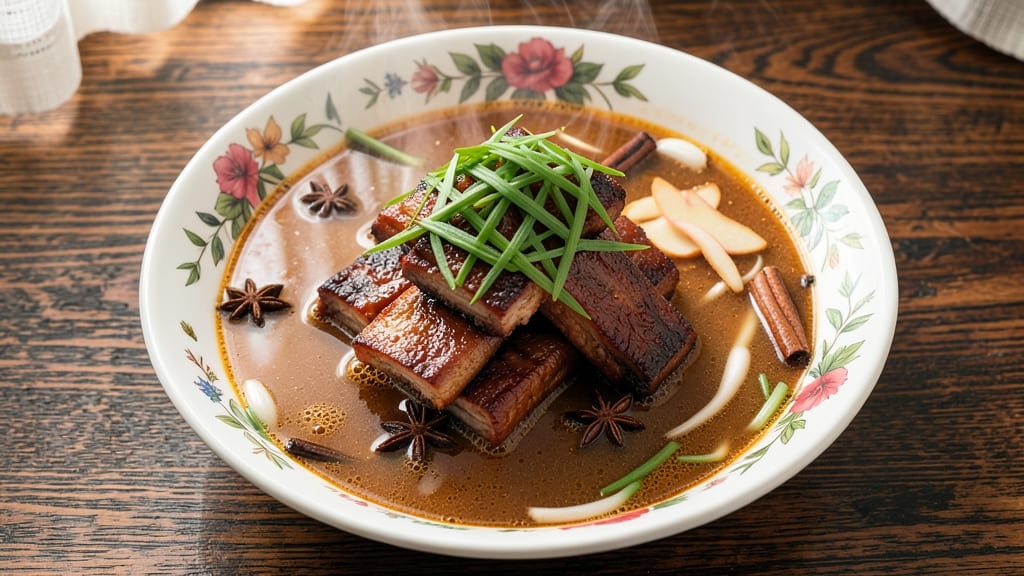
This Singapore-style bak kut teh soup transforms humble pork ribs into melt-in-your-mouth strands of tender meat swimming in a fragrant, spiced coconut broth.
The secret lies in slow-cooking the ribs until they practically dissolve, while aromatic spices like star anise, cinnamon, and pandan leaves infuse the broth with deep, complex flavors.
I've perfected this recipe over years of testing, balancing authenticity with home-cook practicality—no pressure cooker required, though it speeds up the process significantly.
What sets this bak kut teh apart is the layered approach to flavor: first, the pork ribs are simmered to remove impurities, then slow-cooked until they shred effortlessly.
Meanwhile, the broth builds depth through a blend of traditional spices and a touch of coconut milk, creating a velvety texture that's both comforting and sophisticated. The result is a soup that's rich enough to satisfy hearty appetites but light enough to enjoy any time of day.
By the time you're done, you'll have a steaming bowl of bak kut teh where every spoonful delivers tender pork ribbons and a broth so aromatic it'll transport you to a bustling Singapore hawker stall.
The spices mellow into a harmonious blend—warm, slightly sweet, with just the right amount of spice. Serve it with steamed rice and a side of chili paste for the full experience.
This recipe respects tradition while adapting to home kitchens, using accessible ingredients without compromising on authenticity. Whether you're making it for a family gathering or a cozy weeknight dinner, the process is straightforward once you understand the key techniques. Let's get started on creating this Singaporean classic at home.
Ingredients for bak kut teh soup
Sixteen ingredients transform humble pork ribs into Singapore's most aromatic soup.
| Ingredient | Amount | Notes |
|---|---|---|
| Pork Ribs 🍖 | 3 lb | Bone-in, meaty cuts preferred |
| Coconut Milk 🥥 | 2 cups | Full-fat for creaminess |
| Water 💧 | 6 cups | Filtered preferred |
| Star Anise 🌿 | 2 whole | Whole pods, crushed lightly |
| Cinnamon Sticks 🌿 | 2 whole | 2-inch pieces preferred |
| Pandan Leaves 🌿 | 2 whole | Fresh or dried, tied in cheesecloth |
| Dried Lemongrass 🌿 | 1 whole | Stem only, cut into 3-inch pieces |
| Garlic Cloves 🧄 | 8 cloves | Peeled, lightly crushed |
| Fresh Ginger 🌿 | 2 tbsp | Grated, aromatic variety |
| White Peppercorns 🌶️ | 1 tsp | Crushed, not ground |
| Salt 🧂 | 1 ½ tsp | Diamond Crystal preferred |
| Soy Sauce 🍶 | 2 tbsp | Dark soy for color depth |
| Brown Sugar 🍚 | 1 tbsp | Packed, light variety |
| Lime Juice 🍋 | 1 tbsp | Freshly squeezed |
| Green Onions 🧅 | 4 whole | White and green parts separated |
The pork ribs are non-negotiable—bone-in, meaty cuts from the butcher's section yield the best ribbons. Costco or local Asian markets often carry pre-cut pork ribs perfect for this dish. If using whole ribs, trim excess fat to avoid greasy broth. For the spices, Asian grocery stores like H Mart or 99 Ranch stock authentic star anise, pandan leaves, and lemongrass that outshine regular grocery options. The coconut milk should be full-fat for maximum creaminess—none of that watered-down stuff. Look for brands like Thai Kitchen or Goya in the international aisle.
No pandan leaves? Substitute 1 tsp pandan extract or 1 tbsp vanilla extract in a pinch, though it'll lack the authentic aroma. Fresh ginger is ideal, but dried ginger at half the amount works if you're in a hurry. The soy sauce can be swapped for dark soy sauce or even a splash of oyster sauce for extra umami. For the brown sugar, palm sugar or coconut sugar adds a more authentic sweetness. If you can't find dark soy sauce, regular soy sauce plus 1 tsp molasses mimics the color. The white peppercorns should be crushed—not ground—to release their aroma without overpowering the broth.
This soup tastes even better the next day as flavors meld. Store in the fridge for up to 4 days, or freeze portions for 3 months. The broth reduces as it cools, so add a splash of water when reheating. For serving, keep the white and green parts of green onions separate—toss the whites into the soup and garnish with chopped greens. The ribs will continue to tenderize, so plan to eat within 2 days for the best texture. Double the recipe and freeze half for lazy weeknight dinners.
Why You'll Love This Recipe
- Fewer Ingredients, Big Impact: The spice cabinet only needs to open twice—just star anise and cinnamon sticks. That’s it. Honestly, the rest is water, coconut milk, and ribs you can buy pre-cut if you’re in a rush. The broth builds itself while you sip tea.
- Rich Without the Effort: Between us, this soup tastes like it simmered for hours—but it doesn’t. The coconut milk melts into the broth, the star anise infuses warmth, and those pork ribs? They fall apart like they’ve been slow-cooked all day. (Spoiler: They weren’t.)
- Leftovers That Beg for More: Make a double batch and thank me later. The flavors only deepen overnight, and reheating it is just stir and wait. My kids actually ask for it the next day—no complaints, just seconds.
- Budget Meal for Crowds: Pork ribs are cheaper than you think, and coconut milk stretches farther than you’d imagine. I’ve fed six people for under $15, and everyone leaves happy. Plus, the spices cost pennies. Practical? Absolutely. Delicious? Ridiculously so.
Step-by-step instructions for Singapore-style pork ribbons in spiced coconut broth
Here's how to create this aromatic, comforting soup with tender pork and fragrant coconut broth.
Prepare the Pork Ribs for Maximum Tenderness
Rinse the 3 lb pork ribs under cold water and pat them completely dry with paper towels. This step is crucial—any moisture will prevent the spices from properly adhering and can make the broth cloudy. Using kitchen shears or a sharp knife, trim off any large chunks of fat, leaving just a thin layer to protect the meat during cooking.
Next, create small slits about ¼-inch deep all over the ribs, being careful not to cut into the meat. This technique, called "scoring," allows the spices to penetrate deeply and infuse the pork with flavor. I like to use a small paring knife for this—it gives me better control than a chef's knife. Once scored, place the ribs in a large bowl and set aside for now.
Build the Spice Packet for Deep Flavor
In a small bowl, combine the lightly crushed 2 whole star anise, 2 whole cinnamon sticks, 2 whole pandan leaves (tied in cheesecloth if using fresh), and the 3-inch piece of dried lemongrass. These aromatic spices form the soul of bak kut teh, creating that signature fragrant steam when the broth simmers. Give everything a gentle shake to ensure the spices are well mixed.
In a separate small bowl, finely grate the 2 tbsp fresh ginger and crush the 8 cloves garlic lightly with the flat side of your knife. Add these to the spice packet along with the crushed 1 tsp white peppercorns. The ginger and garlic should be minced but not pulverized—you want visible texture for maximum flavor release. This spice packet will infuse the broth with complex, warming notes that balance the coconut's creaminess.
Simmer the Pork in Spiced Water Until Fork-Tender
In a large pot with a tight-fitting lid, combine the 6 cups water, 1.5 tsp salt, 2 tbsp soy sauce, and 1 tbsp brown sugar. Bring to a boil over medium-high heat, then add the pork ribs and spice packet. Reduce heat to low and let it simmer gently—this is where patience pays off.
Cover the pot and maintain a gentle simmer for 1 hour 30 minutes to 2 hours, checking occasionally to ensure the water level doesn't drop below halfway up the ribs. You'll know it's ready when a knife slides in easily and the meat pulls apart with gentle pressure. The broth should be deeply infused with the spices, creating that signature aromatic steam when you lift the lid. If the ribs aren't tender enough, continue cooking another 30 minutes—they won't overcook as long as the broth remains covered.
Add Coconut Milk and Finish the Broth
Once the pork is fork-tender, carefully remove the ribs and set them aside. Strain the broth through a fine-mesh sieve into a clean pot, pressing gently on the spices to extract all their flavor. Discard the spice packet. Return the broth to medium heat and stir in the 2 cups coconut milk, 1 tbsp lime juice, and any accumulated juices from the pork.
Simmer gently for 10-15 minutes until the broth reaches your desired consistency—it should coat the back of a spoon but remain pourable. The coconut milk will create a velvety texture that balances the broth's richness. Taste and adjust seasoning if needed, adding more salt or lime juice as necessary. The broth should be aromatic, slightly sweet, and deeply spiced with just a hint of tang.
Assemble and Serve with Fresh Garnishes
Return the pork ribs to the pot and let them warm through for 5 minutes. Separate the 4 whole green onions, slicing the white parts thinly and chopping the green parts finely. Ladle the hot broth into bowls, then arrange the pork ribs on top. Spoon the white onion slices around the ribs and sprinkle the chopped green parts over everything.
Serve immediately with steamed jasmine rice or mantou (Chinese buns) on the side. The contrast of the tender, fall-off-the-bone pork against the creamy coconut broth creates a perfect balance of textures and flavors. Each bite should deliver rich, spiced pork with a velvety broth that's fragrant with pandan and lemongrass. For extra depth, serve with a side of chili sauce for those who like a bit of heat.
Pro Tips For Making Bak Kut Teh Soup
- Parboil Ribs First: Skip the raw ribs straight into simmering—give them a 5-minute blanch in boiling water first. This loosens the connective tissue, so they melt into tender, fall-off-the-bone goodness instead of tough, chewy sticks. (Yes, even if you’re impatient like me.)
- Toast Spices Hard: Star anise and cinnamon sticks won’t release their flavor if you’re gentle. Dry-toast them in a hot pan for 30 seconds until fragrant—smells like Christmas in your kitchen. This step makes a real difference in depth, not just aroma.
- Strain the Broth: After the ribs simmer, strain out the spices and skin before adding coconut milk. Lumpy broth ruins the silky texture, and you’ll end up with a cloudy, uneven soup. (Your future self will thank you.)
- Simmer Low and Slow: High heat = curdled coconut milk. Once the ribs are parboiled, reduce to a bare simmer—just tiny bubbles breaking the surface—and let it work for at least 2 hours. Patience here turns tough ribs into a rich, velvety soup.
Storing and reheating this recipe
Refrigerator Storage
Store your bak kut teh in an airtight container for up to 4 days in the refrigerator. The flavors actually deepen as the spices meld overnight, making it taste even better the next day.
Let the soup cool completely before transferring to prevent condensation, which can dilute the broth. I use glass Pyrex containers because they preserve the soup's aroma better than plastic. 🥫
When reheating from the fridge, bring it to a gentle simmer over medium-low heat and add ¼ cup water to restore the original consistency. Stir occasionally to prevent scorching—this soup is delicate after cooling.
The pork ribbons will continue tenderizing, so aim to eat within 2 days for the best texture.
Freezer Storage
For longer storage, freeze portions in quart-sized freezer bags or glass containers with 1-inch headspace to accommodate expansion. Label with the date—this soup stays excellent for 3 months. Thaw overnight in the fridge before reheating, or use the microwave defrost setting for quicker prep.
To reheat frozen bak kut teh, transfer to a pot and warm over low heat with 2 tbsp water per serving. Avoid high heat to prevent the coconut milk from separating. The broth may thicken slightly after freezing, so adjust with a splash of water or coconut milk as needed.
Reheating Tips
For stovetop reheating, use a heavy-bottomed pot to prevent scorching. Maintain low heat and stir occasionally—this soup is sensitive to rapid temperature changes. If the broth seems too thick after reheating, add 1-2 tbsp water and simmer for 2-3 minutes to restore the ideal consistency.
For microwave reheating, transfer to a microwave-safe bowl and heat in 1-minute intervals, stirring between each. This prevents hot spots and helps redistribute the coconut milk evenly. Cover loosely with a microwave-safe lid to retain moisture while reheating.
Preserving Freshness
Always keep the green onion garnishes separate until serving to preserve their freshness. Store them in a separate airtight container in the fridge. The white onion slices can be added directly to the broth when reheating, but the green tops should be chopped fresh each time for maximum flavor.
If you notice the broth has absorbed too much fat after storage, skim it off before reheating. A fat separator or spoon works perfectly for this. The pork ribbons will still be delicious, but the broth will be cleaner and more balanced in flavor.
Nutrition facts
Frequently asked questions
Can I make bak kut teh without coconut milk?
The coconut milk is essential for that signature creamy texture, but you can substitute with ½ cup heavy cream plus ½ cup water for a lighter version. For authenticity, use 1 cup light coconut milk—it'll still taste rich but with less fat. The broth will be less velvety but still fragrant with the spices.
How do I know when the pork ribs are tender enough?
Test with a fork or knife—when it slides in easily and the meat pulls apart with gentle pressure, it's ready. The ribs should also separate into thin, shreddable strands. If they're not tender after 2 hours, add 20 minutes more and check again. Overcooking won't ruin them, but the broth may become too concentrated.
What's the difference between Singaporean and Malaysian bak kut teh?
Singaporean versions use more coconut milk for creaminess and often include pandan leaves for fragrance, while Malaysian versions may have a darker, spicier broth with chili paste. Singaporean recipes also tend to be sweeter with added brown sugar. Both use the same pork preparation method—just different spice balances!
Can I use chicken or beef instead of pork?
While pork is traditional, you can adapt this for chicken thighs or beef chuck—just increase cooking time by 30-45 minutes. Chicken benefits from 30 minutes more simmering, while beef may need 1 extra hour. The broth flavors will work with any meat, but the texture will differ (chicken stays firmer, beef becomes more fork-tender).
Why does my broth taste bitter?
Bitterness usually comes from overcooking the spices or using too much star anise/cinnamon. Remove the spice packet earlier (after 1 hour instead of 2) and reduce star anise to 1 pod. A splash of lime juice or extra brown sugar can also balance the flavor. Always simmer gently—boiling releases bitter compounds from the spices.