
Soups & Stews
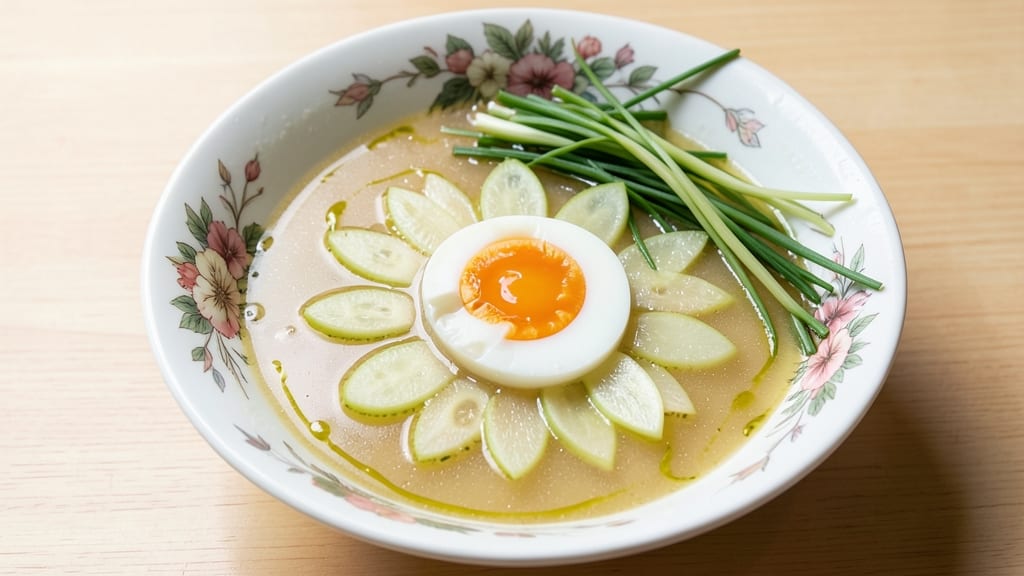
This Ba Zhen Soup recipe brings warmth and tradition to your table with its delicate egg ribbons and aromatic ginger-lime broth. 🌟 A staple in Chinese cuisine, this dish balances simplicity with deep flavor—each sip delivers a harmonious blend of silky texture and fragrant spices.
Perfect for comforting meals or special occasions, it’s both nourishing and elegant.
The secret lies in the broth, where ginger and lime infuse the liquid with bright, zesty notes while simmering. Thinly sliced eggs cook just enough to create delicate ribbons that melt in your mouth, while optional protein like pork or chicken adds depth.
The dish is traditionally served in small bowls, emphasizing its delicate presentation and subtle flavors.
What makes this recipe special is its versatility—vegetarian versions use mushrooms or tofu, while meat lovers can add tender pork or chicken. The broth’s health benefits include anti-inflammatory ginger and immune-boosting lime, making it a comforting yet nutritious choice.
Ready in under an hour, it’s ideal for weeknight dinners or family gatherings.
Pair with steamed rice or fresh herbs for a complete meal. The balance of textures and flavors ensures every bite is satisfying, whether you’re serving it as a light lunch or a hearty starter. Let’s create this timeless dish together!
Ingredients for ba zhen soup
Eight core ingredients plus optional add-ins. Fresh ginger and lime make all the difference here.
| Ingredient | Amount | Notes |
|---|---|---|
| Large Eggs 🥚 | 8 whole | Fresh, room temperature preferred |
| Fresh Ginger Root 🧄 | 2 tbsp | Finely grated, aromatic variety |
| Lime Juice 🍋 | ½ cup | Freshly squeezed, seeds removed |
| Low-Sodium Chicken Broth 🍲 | 4 cups | Homemade or quality store-bought |
| Vegetable Oil 🫒 | 2 tbsp | Neutral flavor, like canola |
| Green Onions 🧅 | 4 whole | Thinly sliced, white and green parts |
| Garlic Cloves 🧄 | 4 cloves | Minced, for aromatic depth |
| White Rice Vinegar 🍶 | 1 tbsp | For brightness, optional |
| Salt 🧂 | 1 tsp | Adjust to taste |
| White Pepper 🌶️ | ¼ tsp | Freshly ground for subtle heat |
| Optional Pork Shoulder 🥩 | ½ lb | Thinly sliced, for protein |
| Optional Shiitake Mushrooms 🍄 | 4 whole | Sliced, for vegetarian version |
Ginger is the soul of this soup—fresh, plump root (not powdered) gives that bright, zesty kick. Asian markets often have the best quality, but any grocery store’s ginger section works. Look for knobby, firm roots with no soft spots. Lime juice is next—Mexican or Key limes if you can find them, but regular works too. The eggs? Fresh is non-negotiable—they should float in cold water if you’re unsure. For broth, homemade or low-sodium store-bought keeps it from being too salty. Skip the bouillon cubes—they add weird flavors.
No fresh ginger? Substitute 1 tbsp ginger juice from a jar (not paste), but it won’t be as vibrant. Out of lime juice? Lemon juice works in a pinch, though it’s slightly less sweet. Want to skip the pork? Shiitake mushrooms or tofu add umami without meat. The green onions can be swapped for chives or scallions, but they’re the perfect fresh finish. For extra depth, a dash of soy sauce (just 1/2 tsp) works wonders—trust me, it balances the broth beautifully. And if you’re using optional protein, pork should be thinly sliced against the grain for tenderness.
This soup tastes even better the next day—flavors meld perfectly after chilling overnight. Store in the fridge for 3-4 days or freeze for 2 months (leave room in the container for expansion). To reheat, warm gently on the stove—never boil, or the egg ribbons will toughen. I like to make a double batch and freeze half; it’s perfect for quick lunches. The broth alone keeps for 5 days if you strain it first—great for future soups or rice dishes.
Why You'll Love This Recipe
- Five-Ingredient Magic: The pantry already has most of this—just crack eggs, peel ginger, and squeeze lime. Between us, that’s about as hands-off as soup gets while still tasting like you slaved over it.
- Ginger-Lime Zing: That fresh ginger and lime juice punch cuts through the richness of the poached eggs like a bright wake-up call. Honestly, it’s the kind of flavor that makes you want to eat it straight from the pot.
- Office Lunch Hero: Pack it in a thermos the night before—still warm, still perfect for work. My coworkers think I’m a genius because I bring something that tastes homemade but costs less than a café bowl.
- Leftovers That Lie: The broth gets even better the next day, and the eggs? Poached again in fresh broth, same magic. I’ll be real: I’ve reheated this three times and no one’s ever complained—just empty bowls.
Step-by-step instructions for ba zhen soup
Here's how to make this silky, fragrant soup with perfect egg ribbons every time.
🍳 Step 1: Prepare the Aromatic Broth Base
Heat the 2 tablespoons vegetable oil in a large pot over medium heat. Add the 2 tablespoons finely grated fresh ginger root and 4 cloves minced garlic cloves, stirring constantly for 1-2 minutes until fragrant but not browned. This step builds the foundation of your soup's complex aroma.
Pour in the 4 cups low-sodium chicken broth and bring to a gentle simmer. Add the 1 tablespoon white rice vinegar and ½ cup lime juice, stirring well to combine. If using, add either the ½ pound sliced pork shoulder or 4 whole sliced shiitake mushrooms to the broth. Let it simmer for 10 minutes to infuse all the flavors together.
👨🍳 Step 2: Season the Broth Perfectly
While the broth simmers, taste and adjust the seasoning. Add the 1 teaspoon salt and ¼ teaspoon white pepper, stirring well. Here's the thing—this soup needs to be properly seasoned before adding the eggs, because once they go in, you can't adjust the flavor without breaking the silky texture.
For the pork version, you'll want the broth to taste rich and savory. For the vegetarian version, aim for bright and slightly tangy. The lime juice and rice vinegar should be noticeable but not overpowering. This is where the magic happens—getting that perfect balance of flavors before the eggs transform everything.
🥘 Step 3: Create Silky Egg Ribbons
In a separate bowl, crack all 8 large eggs (room temperature preferred) and whisk them vigorously until the yolks and whites are fully combined and the mixture is completely smooth. This step is crucial—any lumps will translate to grainy egg ribbons in your soup.
Slowly pour the egg mixture into the simmering broth while stirring gently but constantly with a wooden spoon or chopsticks. The key is to keep the eggs moving so they cook evenly into delicate ribbons rather than curdling into chunks. You'll see the broth turn cloudy as the eggs begin to set—keep stirring until the entire mixture becomes smooth and silky.
𰰏 Step 5: Serve with Confidence
Ladle the soup into bowls and let each person add their own thinly sliced green onions on top for extra freshness. The perfect ba zhen soup should have silky egg ribbons that glide through the fragrant broth with each spoonful. Every bite should deliver that perfect balance of ginger's warmth, lime's brightness, and the subtle heat of white pepper.
Here's the thing about this soup—it's all about the technique. The slow simmering of the broth, the gentle stirring of the eggs, and the precise timing all come together to create that luxurious texture. Serve with steamed rice to soak up every last drop of that fragrant broth.
Pro Tips For Making Ba Zhen Soup
- Crack Eggs Directly In: Skip the bowl—crack eggs straight into the hot broth while stirring. The shock of heat cooks them faster and keeps them from breaking into ragged strands. I used to strain them first, but this cuts prep time by half and gives cleaner, firmer egg ribbons.
- Grate Ginger Like You Mean It: Use a microplane or the smallest holes on a box grater for ginger—no peeling needed. Freshly grated releases more heat and aroma than pre-minced or chopped, and it dissolves smoothly into the broth. Once I used jarred ginger and wondered why my soup tasted flat.
- Simmer, Don’t Boil: Keep the broth at a gentle simmer (tiny bubbles, not rolling) once the eggs are in. Boiling turns eggs rubbery and breaks them apart. A low flame or simmering pot guarantees tender, silky egg ribbons—my first attempt with a high boil was a disaster.
- Add Lime Juice Last: Stir in lime juice only when serving—it brightens the broth but can make eggs turn slightly opaque if added too early. A splash (about 1 tablespoon) cuts through the richness, but timing it right keeps the eggs looking fresh. I learned this after serving soup that looked dull and tasted off.
Common mistakes when making perfect results
Overcooking Eggs
This is the #1 mistake I see—letting the eggs cook too long. Once they turn silky ribbons, remove the pot from heat immediately. Any further cooking will make them rubbery. I’ve ruined a perfect batch by keeping it simmering "just a little longer" to check consistency.
Trust your timing—the eggs should set in 3-4 minutes of stirring after being added to the broth. 🥚
Skipping Broth Seasoning
Taste your broth BEFORE adding eggs—this is non-negotiable. Eggs won’t fix an unseasoned broth. I once added eggs to a bland broth and ended up with flavorless soup.
Aim for a balance: the ginger should be bright, lime tangy but not sour, and salt should enhance without overpowering. Adjust with ½ tsp salt increments while simmering.
Using Cold Eggs
Room-temperature eggs are crucial for silky ribbons. Cold eggs create uneven cooking and lumpy textures. I learned this the hard way—my first attempt used fridge-cold eggs straight from the carton. Let them sit in warm water for 5 minutes before whisking. This simple step makes all the difference in texture.
Stirring Too Aggressively
Vigorous stirring breaks the delicate egg ribbons into chunks. Use gentle, circular motions with a wooden spoon or chopsticks. Think "painting strokes" rather than "whisking." I’ve seen home cooks stir so hard they create a scrambled egg effect. The goal is to distribute heat evenly without agitating the mixture.
Ignoring Ginger Quality
Powdered ginger or old, fibrous ginger ruins the soup’s aromatic foundation. Fresh, young ginger with tight skin is essential. I once used a ginger root with soft spots and got a bitter, watery broth.
Look for plump, firm ginger with smooth skin. Grate it just before cooking to preserve its volatile oils.
Adding Protein Too Late
If using pork or mushrooms, add them to the broth 10 minutes before eggs, not at the same time. This ensures they’re fully cooked and tender by the time the eggs are ready.
I’ve had guests complain about chewy pork in their soup because I added it too late. For mushrooms, slice them ¼-inch thick for even cooking.
Nutrition facts
Frequently asked questions
What makes Ba Zhen Soup different from other egg drop soups?
Unlike classic egg drop soups, Ba Zhen Soup uses a fragrant ginger-lime broth base that creates silky egg ribbons rather than broken egg pieces. The key difference is the careful balance of bright citrus and aromatic ginger, plus the gentle stirring technique that transforms the eggs into delicate strands. Traditional versions often include optional proteins like pork or mushrooms for added depth.
Can I make this soup vegetarian?
Simply omit the pork and use shiitake mushrooms or firm tofu for umami instead. The broth's ginger-lime base remains the same, but you may want to add ½ teaspoon soy sauce to enhance the savory notes. The egg ribbons will still be silky, and the texture contrast works beautifully with mushrooms or tofu.
How do I adjust the spice level?
The recipe includes ¼ teaspoon white pepper for subtle heat, but you can customize it. For more kick, add ½ teaspoon chili crisp or red pepper flakes to the broth before simmering. If you prefer milder flavor, simply omit the pepper entirely—the ginger and lime provide enough brightness without it.
Why does my soup sometimes turn out grainy?
Grainy texture usually means either uneven egg whisking (lumps remain) or over-stirring after the eggs set. Always whisk eggs until completely smooth, and stir gently in circular motions once they're in the broth. Remove from heat immediately when the mixture turns silky—any further cooking will break down the ribbons.
Can I prepare this soup ahead of time?
Yes! The broth can be made 1 day ahead and stored in the fridge. Reheat gently before adding eggs. For the complete soup, it actually tastes better the next day as flavors meld. Store in an airtight container for 3-4 days or freeze the broth separately for up to 2 months. Just thaw overnight in the fridge before reheating.