
Soups & Stews
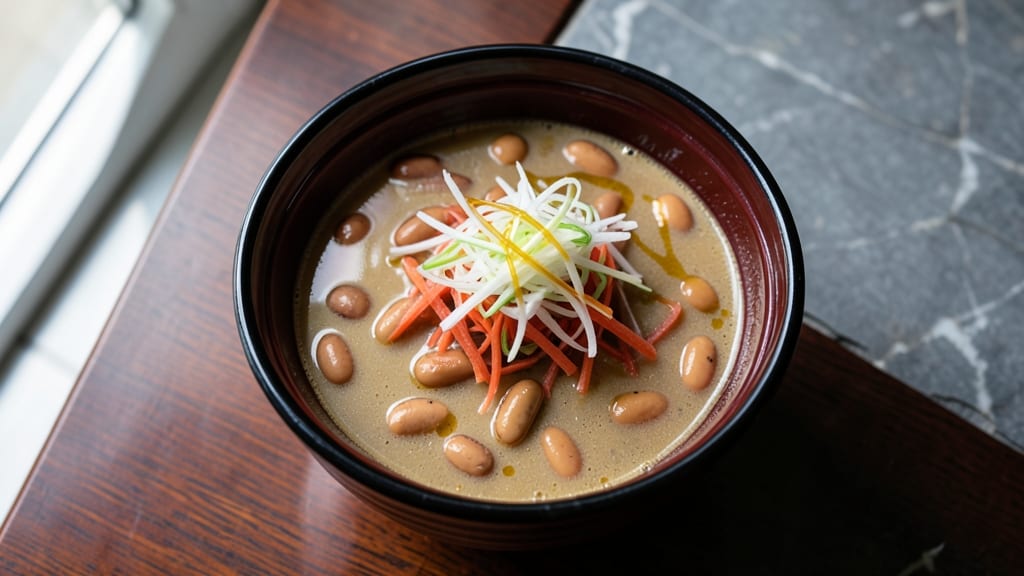
This azuki bean soup recipe transforms humble red beans into a velvety, sweet-savory masterpiece that bridges tradition and comfort. 💛 The secret lies in slow simmering—where tender azuki beans release their natural sugars while absorbing the aromatic depth of dashi broth, ginger, and a touch of soy sauce.
What starts as simple ingredients becomes a restaurant-worthy bowl of warmth, perfect for chilly evenings or as a light yet satisfying meal. The beauty of this recipe is its versatility.
You can keep it classic with just beans, tofu, and mushrooms, or elevate it with modern twists like miso depth or a splash of sesame oil. Each spoonful delivers that perfect balance of earthy bean richness and subtle sweetness, with a silky texture that melts in your mouth.
The broth develops layers of flavor as it simmers, making every bite worth the wait.
What makes this soup truly special is how it adapts to your mood—serve it steaming hot with a drizzle of chili oil for a spicy kick, or enjoy it at room temperature with a sprinkle of scallions for a refreshing change.
The azuki beans soften just enough to release their natural sweetness while maintaining that satisfying bite, creating a harmony of textures that’s impossible to resist. Whether you're recreating a Japanese ankake, a Korean-inspired version, or your own creation, this recipe delivers authenticity with a modern touch.
Let’s get simmering—your taste buds will thank you.
Ingredients for azuki soup
Just 13 ingredients transform simple azuki beans into a restaurant-worthy sweet-savory masterpiece.
| Ingredient | Amount | Notes |
|---|---|---|
| Dried Azuki Beans 🌱 | 1 ½ cups | Rinsed before soaking |
| Dashi Broth 🍜 | 4 cups | Homemade or quality store-bought |
| Fresh Ginger 🧄 | 2 tbsp | Grated, peeled (about 1-inch piece) |
| Soy Sauce 🍶 | 2 tbsp | Light or regular, not low-sodium |
| Mirin 🍶 | 1 tbsp | Sweet rice wine, or substitute with 1 tsp sugar |
| Sesame Oil 🫒 | 1 tbsp | Toasted, for finishing |
| Silken Tofu 🍫 | 8 oz | Cubed, for protein (optional) |
| Shiitake Mushrooms 🍄 | 4 whole | Stems removed, sliced (dried or fresh) |
| Green Onions 🧅 | 3 whole | Sliced, for garnish (white and green parts) |
| Red Miso Paste 🧈 | 1 tbsp | For umami depth (optional) |
| Sugar 🍯 | 1 tbsp | White or brown, adjust to taste |
| Salt 🧂 | 1 tsp | Kosher or sea salt, for seasoning |
| Chili Oil 🌶️ | 1 tbsp | For finishing, optional spice |
Azuki beans are the soul of this soup—look for plump, uniform ones at the Asian market or bulk bins. Trader Joe's carries them year-round, but H Mart has the freshest selection. Soak them overnight for best texture, or quick-soak in boiling water for 2 hours. The silken tofu adds creaminess without overpowering, but skip it if you prefer a lighter broth. Shiitake mushrooms bring earthy depth—dried ones need rehydrating, but fresh work too if you're in a hurry. The ginger should be freshly grated (the jarred stuff won't cut it here).
No dashi on hand? Combine 1 cup hot water with 1 tbsp kombu seaweed and 1 tsp bonito flakes for homemade. Short on mirin? 1 tsp sugar plus 1 tsp rice vinegar mimics the sweet-salty balance. The miso paste is optional but worth it—Miso Master or Hodo brands have the richest flavor. For a vegan version, use vegan dashi (made with kombu and shiitake) and skip the bonito flakes. The chili oil can be store-bought or homemade—just mix neutral oil with chili flakes and let it infuse for 10 minutes.
This soup tastes even better the next day as flavors meld. Store in an airtight container for 4-5 days in the fridge, or freeze portions for 3 months. I like to double the batch and freeze half—perfect for lazy weeknights. The beans soften beautifully when reheated, and the broth gets even more flavorful. For serving, keep the tofu and mushrooms separate until ready to eat so they stay firm. Garnish with green onions and a drizzle of sesame oil right before serving—that's when it gets pretty.
Why You'll Love This Recipe
- I’ll be real: I used to dread prepping beans, but azuki? Just rinse them—no overnight soak. Thirty minutes later, you’ve got tender, sweet beans simmering with that deep umami from dashi and a hint of ginger’s zing. Honestly, it’s the kind of shortcut that makes me want to cook more.
- No-Soaking Needed: I’ll be real: I used to dread prepping beans, but azuki? Just rinse them—no overnight soak. Thirty minutes later, you’ve got tender, sweet beans simmering with that deep umami from dashi and a hint of ginger’s zing. Honestly, it’s the kind of shortcut that makes me want to cook more.
- Sweet-Savory Magic: That combo of mirin and soy sauce? It’s where this soup gets its soul. The mirin turns the broth silky-sweet while the soy adds this rich, almost caramelized depth—like a hug in a bowl. And the ginger? Just a whisper, but it brightens everything without overpowering.
- Weeknight to Potluck: I make this for lazy Tuesdays (just beans + broth) or dress it up for guests by adding mushrooms or spinach. Reheats beautifully too—perfect for meal prep when I’m too tired to think past dinner. Between us, it’s the one soup that feels fancy but never tries too hard.
Step-by-step instructions for azuki bean soup
Here's how to create a velvety azuki bean soup with perfect sweet-savory balance.
🍳 Step 1: Soak and Simmer the Azuki Beans
Rinse the 1.5 cups dried azuki beans thoroughly under cold water to remove any debris. Place them in a large pot with enough fresh water to cover by 2 inches—about 6 cups total. Soak for at least 4 hours or overnight at room temperature. This long soak prevents the beans from splitting during cooking.
Drain and rinse the soaked beans again, then transfer them to a clean pot. Add the 4 cups dashi broth and bring to a boil over medium-high heat. Reduce heat to medium-low and simmer uncovered for 45-60 minutes, stirring occasionally. You'll know they're ready when they're tender but not mushy—they should hold their shape but be easily crushed between fingers. Skim off any foam that rises to the surface during cooking for a cleaner broth.
👨🍳 Step 2: Build the Sweet-Savory Base
While the beans simmer, prepare the aromatics. In a small bowl, combine the 2 tbsp grated fresh ginger, 2 tbsp soy sauce, 1 tbsp mirin, 1 tbsp red miso paste, 1 tbsp sugar, and 1 tsp salt. Mix well until the sugar and miso dissolve completely—this creates the flavor foundation.
Once the beans are tender, stir in the prepared seasoning mixture. Add the 4 sliced shiitake mushrooms and 8 oz cubed silken tofu to the pot. Bring to a gentle simmer over low heat and cook for 10-15 minutes, stirring occasionally. The mushrooms should be tender and the tofu should be heated through. Taste and adjust seasoning—you may want to add a bit more sugar or soy sauce to balance the flavors.
🥘 Step 3: Finish with Umami and Texture
Remove the pot from heat and let the soup rest for 5 minutes. This resting period allows the flavors to meld together. Just before serving, stir in the 1 tbsp toasted sesame oil and 1 tbsp chili oil (if using). The sesame oil adds nutty depth while the chili oil brings a subtle kick—both should be swirled in gently to maintain their distinct flavors.
Divide the soup among bowls and garnish each serving with sliced green onions (white and green parts). The bright green tops add a fresh contrast to the rich, earthy flavors. Serve immediately while warm, as the silky texture is best enjoyed fresh from the pot. For extra depth, you can also drizzle a bit more chili oil directly on top of each serving.
Pro Tips For Making Azuki Soup
- SOAK BEANS OVERNIGHT: I learned this the hard way—rushing azuki beans with a quick soak leads to uneven texture and that slimy aftertaste. Cold water, 8+ hours, and a splash of rice vinegar (1 tbsp) keeps them plump and prevents bitterness. Trust me, your soup won’t taste like boiled cardboard if you do this.
- SIMMER LOW AND SLOW: Azuki soup isn’t a race. After the initial boil, drop the heat to a gentle simmer—just small bubbles breaking the surface. High heat turns the broth cloudy and makes the beans mealy. I used to rush this, and the texture always suffered. Patience here makes the difference.
- GRATE GINGER FINE: Skip the food processor unless you want a gritty mouthful. Fresh ginger needs to dissolve completely, so grate it finely (like matchsticks) and let it steep in the hot broth for 5 minutes before adding beans. This extracts the flavor without leaving chunks—no one wants a surprise bite mid-sip.
- SALT LAST MINUTE: Soy sauce and mirin already pack salt, so add the final pinch of soy after the beans are tender. Taste first—azuki soup should balance sweet, umami, and a hint of salt. I used to dump it all in early, and the broth ended up flat. Adjust in stages, like a pro.
Make-ahead tips for this azuki soup
Prep Ahead Basics
Start by soaking the 1.5 cups dried azuki beans overnight in the fridge—they’ll absorb water perfectly and cook evenly. I like to use a large glass jar with a tight lid for storage.
The longer they soak (8-12 hours), the tenderer they’ll become, but 4 hours minimum works in a pinch. 🌱
Broth Prep Shortcut
Make your 4 cups dashi broth in advance and store it in an airtight container in the fridge for up to 3 days.
If you’re using homemade dashi, combine 1 cup kombu seaweed and 1 tbsp bonito flakes with 4 cups hot water—let it steep for 30 minutes before straining. Store-bought Haus or Kikkoman dashi works too, just dilute it with water if needed.
Flavor Base Mix
Combine all your seasonings—2 tbsp soy sauce, 1 tbsp mirin, 1 tbsp sugar, and 1 tbsp red miso—into a small jar and store it in the fridge for up to 1 week.
This pre-mixed flavor base saves time and ensures consistent taste. Just whisk it well before adding to the soup. 🍶
Tofu and Mushroom Prep
Slice the shiitake mushrooms and cube the 8 oz silken tofu ahead of time, storing them separately in airtight containers. The mushrooms can be refrigerated for 3 days or frozen for 1 month.
For the tofu, press it lightly with a paper towel to remove excess moisture before storing. This keeps them from getting soggy when reheated.
Freezer-Friendly Storage
This soup freezes beautifully! Portion it into quart-sized freezer bags or airtight containers, leaving 1 inch headspace for expansion. Label with the date—it’ll keep for 3 months.
To reheat, thaw overnight in the fridge, then warm on the stovetop over low heat with a splash of water to restore silky texture. ❄️
Garnish Prep
Slice the green onions and store them in a sealed container with a damp paper towel to keep them crisp. The sesame oil and chili oil should be kept in small bottles in your pantry—they’re ready to drizzle at serving time.
Freshly toasted sesame seeds add extra crunch if you like texture, but I prefer the oil’s smooth finish. 🧅
Nutrition facts
Frequently asked questions
Can I use canned azuki beans instead of dried?
You can, but the texture will be different. Canned beans are pre-cooked and softer, which may make your soup less velvety. If using, drain and rinse them well, then simmer in the broth for 15-20 minutes to absorb flavors. For best results, stick with dried beans—they develop that signature silky texture when cooked properly.
How do I adjust the sweetness level?
Start with the 1 tbsp sugar in the recipe, then taste as you go. For a sweeter version, add ½ tsp at a time until balanced. If you prefer savory, reduce sugar to ½ tbsp and increase soy sauce to 3 tbsp. The mirin also adds sweetness—use 1 tsp sugar if you omit it.
What can I substitute if I don't have dashi?
For a vegetarian version, use 4 cups vegetable broth plus 1 tsp kombu powder (or ½ sheet kombu steeped 10 mins). For meat-based depth, try chicken broth with ½ tsp fish sauce or soy sauce. The key is umami—any broth with a rich base works. Just adjust salt accordingly.
Why did my azuki beans turn mushy?
Overcooking or insufficient soaking time are the usual culprits. Always soak beans 4+ hours (overnight is best) and simmer gently—never boil vigorously. If they split during cooking, strain and rinse them before starting over with fresh broth. The beans should be tender but still hold shape after 45-60 minutes.
How can I make this soup spicier?
Add ½ tsp chili flakes directly to the simmering broth or increase chili oil to 2 tbsp. For heat lovers, stir in 1 tsp gochujang (Korean chili paste) with the seasoning mix. Garnish with extra chili oil or sliced jalapeños.