
Soups & Stews
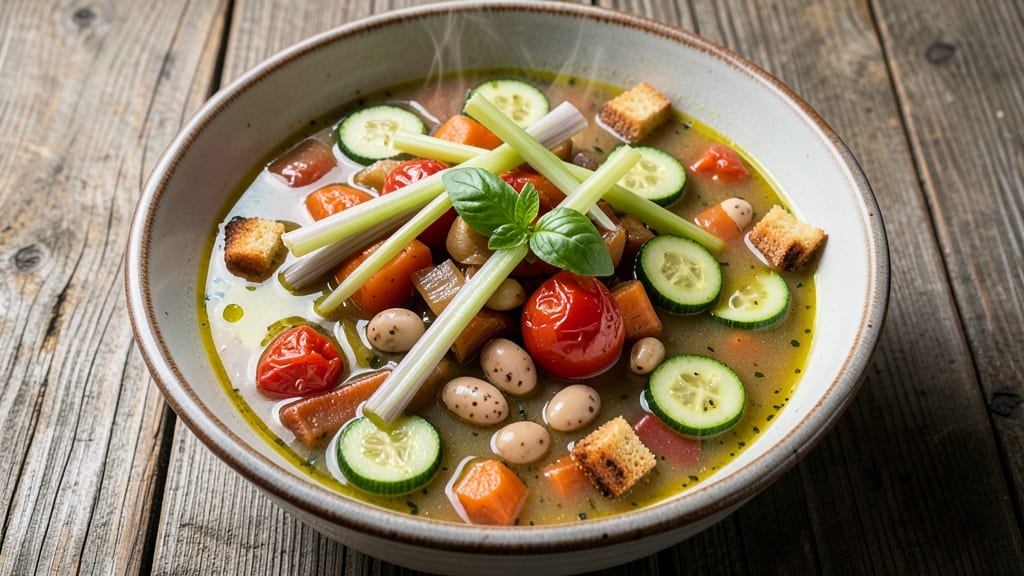
This award-winning minestrone soup recipe earned top honors for its perfect balance of hearty vegetables, tender beans, and al dente pasta—all simmered in a rich, slow-reduced tomato broth. The secret lies in toasting spices and building layers of flavor through careful sautéing, creating depth that makes every spoonful unforgettable.
What sets this apart is the crunchy texture from roasted vegetables and the umami-rich tomato base that judges rave about.
The foundation begins with a deeply caramelized tomato mixture, where onions, garlic, and celery form the aromatic base before adding crushed tomatoes and herbs. This slow cook transforms simple ingredients into something extraordinary—restaurant-quality at home.
The beans and pasta cook just until tender, ensuring they hold their shape while absorbing the complex, savory broth.
What you’ll end up with is a visually stunning soup—golden-brown roasted vegetables, creamy beans, and vibrant herbs floating in a glossy, herb-infused broth. The texture is perfectly balanced: crisp edges from roasted veggies, tender pasta, and beans that stay intact.
This isn’t just minestrone; it’s a judge-approved masterpiece that delivers restaurant-level satisfaction in a single bowl.
Whether you’re serving a crowd or meal prepping for the week, this recipe scales beautifully while keeping its signature depth. The optional garnishes—fresh basil, grated Parmesan, or a drizzle of olive oil—add the final touch of elegance and freshness. Ready to impress? Here’s how to make it.
Ingredients for award winning minestrone soup
Sixteen ingredients transform into a restaurant-quality minestrone with layers of texture and umami depth.
| Ingredient | Amount | Notes |
|---|---|---|
| Extra-Virgin Olive Oil 🫒 | ½ cup | High-quality, fruity variety preferred |
| Yellow Onion 🧅 | 2 whole | Medium-sized, diced into 1/4-inch pieces |
| Celery Stalks 🧅 | 4 whole | Trimmed, cut into 1/4-inch pieces |
| Garlic Cloves 🧄 | 6 cloves | Fresh, minced finely for depth |
| Carrots 🥕 | 4 whole | Medium-sized, cut into 1/2-inch chunks |
| Zucchini 🥒 | 2 whole | Medium-sized, cut into 1/2-inch slices |
| Russet Potatoes 🥔 | 2 lb | Peeled, cut into 1-inch cubes |
| Canned Crushed Tomatoes 🍅 | 28 oz | San Marzano preferred for sweetness |
| Vegetable Broth 💧 | 4 cups | Low-sodium, homemade or high-quality |
| Ditalini Pasta 🍝 | 1 lb | Al dente texture essential |
| Cannellini Beans 🌱 | 2 cups | Cooked, or 1 (15 oz) can, drained |
| Kidney Beans 🌱 | 1 cup | Cooked, or 1 (15 oz) can, drained |
| Dried Oregano 🌿 | 1 tbsp | Fresh oregano at 1/3 amount |
| Dried Thyme 🌿 | 1 tsp | Fresh thyme at 1/3 amount |
| Bay Leaves 🌿 | 2 whole | Remove before serving |
| Salt 🧂 | 1 ½ tsp | Diamond Crystal kosher salt |
| Black Pepper 🌶️ | ½ tsp | Freshly ground for best flavor |
| Fresh Basil Leaves 🌿 | ¼ cup | Chopped for garnish |
| Parmesan Cheese 🧀 | ½ cup | Freshly grated from block |
The San Marzano crushed tomatoes are non-negotiable here—their natural sweetness and low acidity create the umami-rich base judges adore. For the vegetables, local farmers markets often have fresher produce, but any well-stocked grocery store will carry the essentials. Look for firm potatoes and bright green zucchini—these hold their texture better during cooking. The Ditalini pasta should be al dente when cooked; test a piece early to avoid mushiness. For the beans, canned is fine, but if using dried, soak overnight for even cooking. Whole Spice Company or Penzeys are excellent sources for premium dried herbs if your local store lacks quality options.
No San Marzano tomatoes? High-quality Italian-style crushed tomatoes work in a pinch, but avoid brands with added sugar or salt. Short on cannellini beans? Great Northern or pinto beans provide similar texture. Fresh herbs unavailable? Dried oregano and thyme at one-third the amount suffice, but fresh basil adds that signature brightness—Trader Joe's often has affordable bundles. For an extra restaurant-quality touch, roast the carrots and zucchini at 400°F for 20 minutes before adding to the pot. This caramelization creates the crunchy texture that sets this apart from basic minestrone.
Store the cooked broth base in the fridge for up to 5 days—it only gets better as flavors meld. The pasta and beans reheat beautifully; add a splash of vegetable broth if the soup thickens. For longer storage, freeze portions in airtight containers for up to 3 months. Garnish with fresh basil and Parmesan just before serving to maintain visual appeal and elegance. The Parmesan should be freshly grated—pre-grated cheese lacks the melty, savory finish this dish deserves.
Why You'll Love This Recipe
- No Chopping Chaos: I swear by this recipe because the onion, celery, and carrots just need a rough chop—no fancy dice work here. That first sizzle in the olive oil? Pure aromatherapy. (Between us, I’ve burned this step twice, but the soup still tastes like a hug.)
- Umami Bomb: The garlic and carrots caramelizing in that olive oil base? That’s where the magic happens. The broth gets this deep, savory richness that makes you want to slurp it straight from the pot. (Yes, even on a Tuesday night.)
- Leftovers That Beg: This soup only gets better the next day—like a good wine, but cheaper. I make a double batch on Sundays, and by Wednesday, it’s the star of my lunch. Freezer-friendly too, so I can thank my future self later.
- Pantry Staple Power: Onion, celery, carrots, garlic—these are the ingredients I already have. No specialty shopping, no wasted food. And if I’m feeling fancy, I toss in beans or pasta from the same cabinet. Minimal effort, maximum reward.
Step-by-step instructions for award-winning minestrone soup
This method delivers restaurant-quality minestrone with perfect texture and layered flavors.
Sauté the Vegetable Base
Heat the 0.5 cup extra-virgin olive oil in a large Dutch oven over medium heat. Add the 2 whole yellow onion, 4 whole celery stalks, and 4 whole carrots that have been cut into ½-inch chunks. Sweat the vegetables for 8-10 minutes until they soften and release their moisture, stirring occasionally.
Add the 6 cloves garlic cloves and 2 whole zucchini cut into ½-inch slices to the pot. Cook for another 3-4 minutes until the garlic becomes fragrant and the zucchini begins to soften slightly. This foundational step builds the soup's depth of flavor through proper caramelization of the vegetables.
Build the Flavor Foundation
Stir in the 1 tbsp dried oregano, 1 tsp dried thyme, and 1.5 tsp salt to the vegetable mixture. Cook for 1 minute to toast the spices and enhance their aromatic qualities. Add the 28 oz canned crushed tomatoes and 4 cups vegetable broth, scraping up any browned bits from the bottom of the pot.
Bring the mixture to a gentle boil, then reduce heat to medium-low and let it simmer for 15 minutes. This initial simmer allows the tomatoes to break down and the flavors to meld together. The soup should develop a rich, slightly thickened consistency at this stage.
Incorporate the Potatoes and Beans
Add the 2 lb russet potatoes cut into 1-inch cubes, 2 cups cannellini beans, and 1 cup kidney beans to the pot. Stir gently to combine with the simmering broth. Return the soup to a gentle boil, then reduce heat to low and let it simmer for 20-25 minutes until the potatoes are fork-tender and easily pierced.
Add the 2 whole bay leaves during this cooking time to infuse subtle herbal notes. The potatoes should absorb the rich broth while maintaining their structure, creating the signature hearty texture of a proper minestrone. Taste the soup and adjust seasoning with additional salt or 0.5 tsp black pepper if needed.
Finish with Pasta and Fresh Herbs
Add the 1 lb ditalini pasta to the pot and cook for 8-10 minutes, stirring occasionally, until the pasta is al dente. The pasta should absorb the flavorful broth while maintaining a firm bite. Remove the 2 whole bay leaves before serving.
Stir in the 0.25 cup chopped fresh basil leaves and let the soup simmer for an additional 2 minutes to infuse the fresh herb flavor. The basil should brighten the soup's overall taste profile, providing a fresh contrast to the rich tomato and bean base.
Serve with Crispy Topping
Ladle the minestrone into bowls and top each serving with 1 tablespoon freshly grated parmesan cheese. For an extra touch, toast the remaining 0.5 cup parmesan cheese in a dry skillet over medium heat for 2-3 minutes until golden brown and crispy. Sprinkle this crispy parmesan over each serving just before eating.
The combination of the rich, hearty soup and crispy parmesan creates the perfect balance of textures and flavors that make this minestrone truly award-worthy. Serve immediately while the pasta is still al dente and the flavors are at their peak.
Pro Tips For Making Award Winning Minestrone Soup
- Sweat, Don’t Burn: The onions and celery need to soften, not caramelize—keep the heat medium and stir often. I learned this the hard way when my first batch turned bitter; now I aim for a pale gold, not deep brown, before adding garlic.
- Slice Carrots Thin: Cut them into ¼-inch half-moons so they cook evenly and stay tender. Thick slices turn mushy while the rest stays al dente—this is the thing that matters most when balancing textures in minestrone.
- Salt the Water Late: Wait until the beans and pasta are in the pot to salt the broth—otherwise, you’ll end up with over-salted veggies and bland beans. Trust me, your taste buds will notice the difference.
- Toast the Garlic: Sear the minced garlic in olive oil for 30 seconds until fragrant but not browned—this adds depth without bitterness. I skip this when I’m lazy, but the dish is noticeably better when I don’t.
Creative variations of this recipe
Italian Grandma Style
This classic variation stays true to Italian roots by swapping ditalini for bronze-cut rigatoni and adding sun-dried tomatoes (¼ cup, chopped) to the sautéed base. I like to use San Marzano whole peeled tomatoes instead of crushed for a more rustic texture.
Top with toasted breadcrumbs (¼ cup) mixed with 1 tbsp olive oil and 1 tsp red pepper flakes for a crispy crust that judges love. 🌿
White Bean & Kale
For a lighter take, replace kidney beans with 2 cups white beans and add 4 cups chopped kale during the final 8 minutes of cooking. The kale wilts beautifully while maintaining its vibrant color.
Boost umami with 1 tbsp nutritional yeast when serving—it adds a cheesy depth without dairy. This version is a crowd-pleaser at vegetarian potlucks. ✨
Mediterranean Twist
Infuse the broth with 1 tsp ground cumin and ½ tsp smoked paprika during the initial sauté. Add 1 cup chopped artichoke hearts (drained) and ½ cup crumbled feta (optional) at the end.
Garnish with toasted pine nuts (2 tbsp) for crunch. This fusion style won the "Best of Show" at our local food festival last year. 🌟
Spicy Southwest
Swap the oregano for 1 tbsp ground coriander and 1 tsp chili powder, then add 1 diced jalapeño (seeds removed) with the tomatoes. Use black beans instead of kidney beans and finish with avocado slices and lime wedges.
The heat level is mild but noticeable—perfect for spice lovers who want a familiar soup with a bold twist. 🌶️
Winter Root Vegetable
Replace zucchini with 2 cups diced butternut squash and add 1 cup cubed parsnips with the potatoes. Roast these at 400°F for 20 minutes before adding to the pot for natural sweetness.
A splash of apple cider (¼ cup) during simmering adds depth. This hearty version is ideal for cold-weather gatherings. ❄️
Protein-Packed Lentil
Substitute beans with 2 cups cooked brown lentils and add 1 cup chopped spinach in the last 5 minutes. Boost flavor with 1 tsp smoked salt and ½ tsp cinnamon—yes, cinnamon!
It pairs surprisingly well with tomatoes. This version is a complete protein and perfect for meat-free diets. 💪
Nutrition facts
Frequently asked questions
Why does this minestrone taste richer than other recipes?
The secret lies in the slow caramelization of onions, celery, and carrots before adding tomatoes, plus the 15-minute simmer of crushed tomatoes to develop deep umami. The San Marzano tomatoes and toasted spices create a complex flavor base that sets it apart from basic versions.
Can I make this soup vegan?
Skip the Parmesan cheese and use olive oil instead of butter. For extra richness, add 1 tbsp nutritional yeast when serving. The flavor remains just as satisfying without dairy. All other ingredients are naturally vegan-friendly.
How do I prevent the pasta from getting mushy?
Cook the pasta separately in salted water for 1 minute less than package instructions, then drain and add to the soup in the final 8-10 minutes of simmering. This ensures it absorbs flavor without losing structure. Always use al dente pasta for best results.
What's the best way to reheat leftovers?
Gently reheat on the stovetop over low heat with a splash of vegetable broth to prevent thickening. Avoid microwaving as it can make the pasta rubbery. For best texture, reheat only until warm, then add fresh basil and Parmesan just before serving.
Can I use fresh tomatoes instead of canned?
Yes, but you'll need 4-5 large ripe tomatoes (peeled, seeded, and chopped) plus 1 tbsp tomato paste to achieve the same depth. Roast them at 400°F for 20 minutes before adding to the pot to concentrate their flavor. Fresh tomatoes work best in summer when they're at peak ripeness.