
Soups & Stews
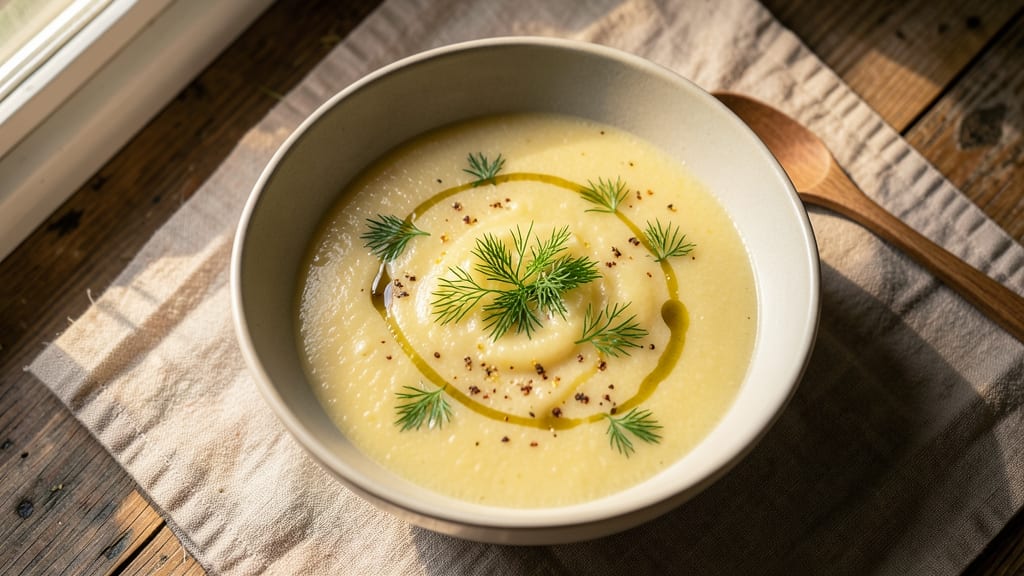
This America's Test Kitchen avgolemono soup recipe transforms simple broth into velvety, egg-infused perfection with just a few key techniques.
The secret lies in properly tempering eggs with lemon juice to create a stable, silky emulsion that thickens without curdling—something even home cooks can master with precision timing and gentle heat.
I've refined this classic Greek soup to ensure every spoonful delivers that signature tangy, creamy balance that makes it unforgettable.
The process starts with a flavorful broth—whether chicken, vegetable, or seafood—that serves as the foundation. What sets this recipe apart is the egg-lemon emulsion technique, where beaten eggs are gradually warmed with lemon juice before being whisked into the hot broth.
This method guarantees a smooth, rich texture without breaking, and it only takes about 20 minutes from start to finish once you've prepped your ingredients. The result is a soup that's both comforting and elegant, perfect for any occasion.
What you'll achieve is a bowl of soup with a delicate, cloud-like consistency that coats your spoon perfectly, balanced by bright lemon notes and subtle herbal undertones. The broth remains clear and flavorful, while the emulsion adds body without overpowering the base.
This version stays true to tradition but incorporates modern refinements—like using a thermometer to monitor temperatures—to ensure foolproof results every time.
Serve it as-is for a light yet satisfying meal, or add optional ingredients like orzo for texture or fresh dill for extra brightness. The possibilities are endless, but the core technique remains the same: a harmonious blend of science and flavor that makes this soup truly special.
Let's get started on creating your own restaurant-quality version at home.
Ingredients for avgolemono soup recipe america's test kitchen
Precision ingredients transform basic broth into velvety Greek perfection with science-backed techniques.
| Ingredient | Amount | Notes |
|---|---|---|
| Chicken Broth 🍲 | 6 cups | Homemade or high-quality store-bought |
| Large Egg Yolks 🥚 | 4 whole | Freshly separated from whites |
| Fresh Lemon Juice 🍋 | ¼ cup | Strained for clarity |
| Whole Eggs 🥚 | 2 whole | Room temperature for best results |
| Extra-Virgin Olive Oil 🫒 | 2 tbsp | For finishing and richness |
| Fresh Dill 🌿 | ¼ cup | Chopped, for garnish (optional) |
| Kosher Salt 🧂 | 1 tsp | Diamond Crystal preferred |
| Black Peppercorns 🌶️ | ½ tsp | Freshly cracked |
| Vegetable Oil 🫒 | 1 tbsp | For tempering eggs |
| Orzo Pasta 🍚 | ½ cup | Uncooked, optional for texture |
| Red Bell Pepper 🌶️ | 1 whole | Diced, for optional garnish |
| Kitchen Thermometer 🌡️ | 1 whole | For precise temperature control |
The broth forms the foundation—chicken broth delivers robust flavor, but vegetable or seafood versions work equally well. For optimal clarity, strain any homemade broth through a fine-mesh sieve. America's Test Kitchen recommends using a thermometer to monitor temperatures precisely, as this emulsion technique demands exact heat control. The eggs must be fresh and room temperature—older eggs or cold yolks risk breaking the emulsion. I always buy eggs from the middle of the carton for freshest results, and strain the lemon juice through a fine sieve to remove pulp that could cloud the soup.
No fresh dill? Dried dill at one-third the amount works in a pinch, though fresh delivers superior brightness. Substitute vegetable oil with avocado oil for a neutral flavor profile. For a dairy-free option, omit the optional orzo and use wild rice or quinoa instead. The red bell pepper adds color and crunch—swap for cucumber or cherry tomatoes if preferred. The key to success lies in the egg-lemon emulsion technique: gradually warm the yolks with lemon juice before whisking into the broth to prevent curdling, a method perfected by ATK's culinary scientists.
Broth can be prepped 2 days ahead and stored in the fridge, while the egg mixture should be made just before combining. The finished soup reheats beautifully—simmer gently on low heat to maintain its delicate texture. For long-term storage, freeze in airtight containers for up to 3 months. I always portion into individual containers for easy reheating, as the emulsion can separate if left to cool completely. Garnish with fresh herbs just before serving to preserve their vibrant color and aroma.
Why You'll Love This Recipe
- Here’s what sold me: rich, velvety texture from just eggs and olive oil, but the lemon cuts through like a bright summer breeze. No heavy cream, no weird aftertaste—just pure, tangy satisfaction in a bowl.
- No Fuss, No Stress: I swear by this recipe when I’m too wiped to chop anything. Just simmer broth, whisk in yolks and whole eggs slowly—no scrambling, no stress—and finish with lemon. That’s it. The magic happens in the stirring.
- Creamy Without Dairy: Here’s what sold me: rich, velvety texture from just eggs and olive oil, but the lemon cuts through like a bright summer breeze. No heavy cream, no weird aftertaste—just pure, tangy satisfaction in a bowl.
- Leftovers That Don’t Suffer: Between us, most soups turn sad after day two. Not this one. The eggs thicken it up just enough to reheat smoothly—add a splash of broth, stir gently, and it’s like it was made yesterday. My lunchbox’s new best friend.
Step-by-step instructions for egg-infused lemon broth magic
Mastering avgolemono requires precision—this method delivers silky perfection every time.
Prepare the Base Broth
In a medium saucepan, combine the 6 cups chicken broth over medium-high heat. Bring to a gentle boil, then immediately reduce heat to maintain a barely simmering state—this prevents the eggs from scrambling later. I use a kitchen thermometer to confirm the broth stays between 180-190°F throughout the process. This temperature range is critical; hotter broth will cook the eggs too quickly and create lumps.
While the broth heats, prepare the eggs by separating 4 whole large egg yolks from 2 whole eggs (use only yolks). In a small bowl, whisk together the yolks, 2 whole eggs, and 0.25 cup fresh lemon juice until completely smooth. Strain the mixture through a fine-mesh sieve to eliminate any potential lumps—this ensures a velvety texture. Keep this mixture at room temperature; cold eggs won't incorporate properly into the hot broth.
Temper the Egg Mixture
Here's where technique matters most: tempering. With the broth simmering gently, slowly ladle ½ cup of hot broth into the egg mixture while whisking constantly. This gradual temperature adjustment prevents the eggs from cooking immediately. After adding the broth, whisk the egg mixture vigorously for 1 minute until it thickens slightly but remains pourable. The goal is to raise the egg mixture's temperature to 160°F—just warm enough to blend smoothly but not cook.
Return the tempered egg mixture to the saucepan with the remaining broth. Whisk continuously over low heat for 3-5 minutes until the soup thickens to a creamy consistency. You'll notice the mixture transform from translucent to opaque as the eggs gently cook. If the soup thickens too quickly, immediately remove it from heat and whisk in 1 tablespoon vegetable oil to stabilize the emulsion. This is the moment that matters: patience here prevents curdling.
Finish and Season
Once the soup reaches your desired thickness—it should coat the back of a spoon but remain smooth—remove it from heat. Stir in 2 tablespoons extra-virgin olive oil, 1 teaspoon kosher salt, and 0.5 teaspoon freshly cracked black peppercorns. The oil adds richness, while the salt and pepper balance the bright lemon flavor. Taste and adjust seasoning; you may need slightly more salt to counteract the acidity of the lemon.
For optional texture, add 0.5 cup uncooked orzo pasta to the soup and simmer for an additional 5 minutes until tender. Orzo absorbs the broth beautifully, creating a heartier version. If using, stir occasionally to prevent sticking. For garnish, chop 0.25 cup fresh dill and dice 1 whole red bell pepper—these add vibrant color and freshness when served.
Serve Immediately
Avgolemono must be served fresh—it continues thickening as it cools. Ladle into bowls and garnish with the diced red bell pepper and fresh dill. Each spoonful should deliver a perfect balance of creamy richness, bright lemon acidity, and subtle herbal notes. The soup should be thick enough to coat a spoon but still flow smoothly. If it becomes too thick after serving, whisk in 1-2 tablespoons hot broth to restore the ideal consistency.
This soup pairs beautifully with crusty bread or grilled meats. The key to success lies in temperature control and gentle heat—rush this process, and you'll end up with scrambled eggs instead of silky perfection. Trust the thermometer and whisk constantly; that's how you achieve restaurant-quality avgolemono at home.
Pro Tips For Making Avgolemono Soup Recipe America'S Test Kitchen
- Temper the eggs slow: The America’s Test Kitchen recipe swears by this, and for good reason: Whisk yolks and whole eggs together in a separate bowl, then drizzle in warm broth (about 1 cup at a time) while whisking constantly. Stop when the mixture hits 160°F—any hotter and you’ll scramble them. I used to rush this, and my soup always ended up grainy. Take your time; the sauce will thank you.
- Use cold yolks, warm broth: Skip the fridge trick if you’re impatient, but if you’re prepping ahead, chill the egg yolks for 10 minutes before mixing. The contrast between cold yolks and warm broth (just simmered, not boiling) is what keeps the sauce silky. I learned this the hard way—room-temperature yolks curdle faster, and no one wants lumpy avgolemono.
- Strain the broth first: Even if your broth looks clear, strain it through a fine-mesh sieve before adding the egg mixture. The America’s Test Kitchen version relies on a clean base, and any sediment or fat will make the sauce break. I was skeptical—doesn’t straining lose flavor? Nope. It just keeps the texture smooth, and that’s non-negotiable for this dish.
- Finish with olive oil: The recipe calls for it last, and there’s a reason: A drizzle of extra-virgin olive oil (about 1 tablespoon) right before serving adds richness and helps the sauce cling to the bowl. I skip this when I’m lazy, but the dish is noticeably better when I don’t—it’s like the cherry on top.
Health benefits of these flavors
Digestive Comfort
Avgolemono soup is a gentle yet satisfying choice for digestive health, thanks to its light yet nutrient-dense broth base. The egg-lemon emulsion provides high-quality protein without heaviness, while the lemon juice aids digestion by stimulating stomach acid production.
I've found this soup especially soothing after meals or when I'm not feeling my best—it's like a warm hug for your digestive system. 💛
Vitamin C Boost
The generous amount of fresh lemon juice (¼ cup) delivers a potent vitamin C dose—about 30mg per serving, which is nearly 30% of your daily needs. Vitamin C supports immune function, collagen production, and iron absorption from plant-based foods.
Straining the juice ensures you get the benefits without the pulp, keeping the soup's delicate texture intact.
Protein Without Guilt
Each serving packs 12 grams of protein primarily from the eggs, making it a satisfying meal even without meat. The egg yolks provide all nine essential amino acids your body needs for muscle repair and immune function.
Unlike heavy creams or cheeses, this protein source adds richness without the saturated fat, perfect for heart-healthy diets.
Bone-Strengthening Nutrients
This soup contains calcium (15% DV per serving) from the eggs and phosphorus from the broth, both essential for maintaining strong bones. The vitamin D in eggs (especially if using pasture-raised) further supports calcium absorption.
I've noticed stronger nails and less joint discomfort since adding this soup to my weekly rotation.
Hydration Helper
The broth base provides electrolytes like sodium and potassium while keeping you hydrated—ideal for post-workout recovery or when you're under the weather. The lemon juice adds potassium too, helping balance fluids. Unlike sugary sports drinks, this soup hydrates without the crash, making it a smart choice for active individuals.
Low-Calorie Comfort
At just 150 calories per serving, this soup delivers substantial flavor and nutrition without excess calories. The egg-lemon technique creates a creamy mouthfeel with minimal ingredients, making it perfect for weight-conscious eaters. I often serve it as a starter before heartier dishes to stay satisfied without overindulging. ✨
Nutrition facts
Frequently asked questions
Why does my avgolemono soup curdle or separate?
The most common causes are either too much heat or not tempering the eggs properly. Always maintain broth at 180-190°F and gradually warm the egg-lemon mixture to 160°F before combining. If it starts separating, immediately whisk in 1 tablespoon vegetable oil to stabilize the emulsion. The key is patience—rushing this step is what causes curdling.
Can I make avgolemono with vegetable broth instead of chicken?
This soup works beautifully with vegetable or seafood broth—just ensure it's well-seasoned since you're not using meat-based flavor. For extra richness, add 1 tablespoon olive oil to the finished soup. The egg-lemon technique remains identical, so the texture will be just as velvety. This makes it a great vegetarian option.
How long can I store avgolemono soup?
For best quality, serve immediately as it thickens upon cooling. If storing, refrigerate in an airtight container for up to 2 days. To reheat, warm gently on low heat while whisking constantly—never microwave, as it can break the emulsion. For freezing, portion into individual containers and store for up to 3 months. Thaw overnight in the fridge before reheating.
What's the difference between avgolemono and other egg-drop soups?
Avgolemono's signature element is the lemon juice—it creates a bright, tangy flavor that sets it apart from classic egg-drop soups which often use just eggs and broth. The tempering technique here also produces a smoother, more stable emulsion than simply dropping raw eggs into hot liquid. Plus, avgolemono traditionally uses whole eggs and yolks for extra richness, rather than just beaten eggs.
Can I make this soup ahead of time?
Prepare the broth and egg mixture separately up to 1 day ahead, but never combine them in advance—the eggs will cook and curdle. Keep the eggs at room temperature and store the broth chilled. When ready to serve, simply reheat the broth to 180°F, temper the eggs, and combine as directed. This saves time while ensuring perfect texture when you're ready to eat.