
Soups & Stews
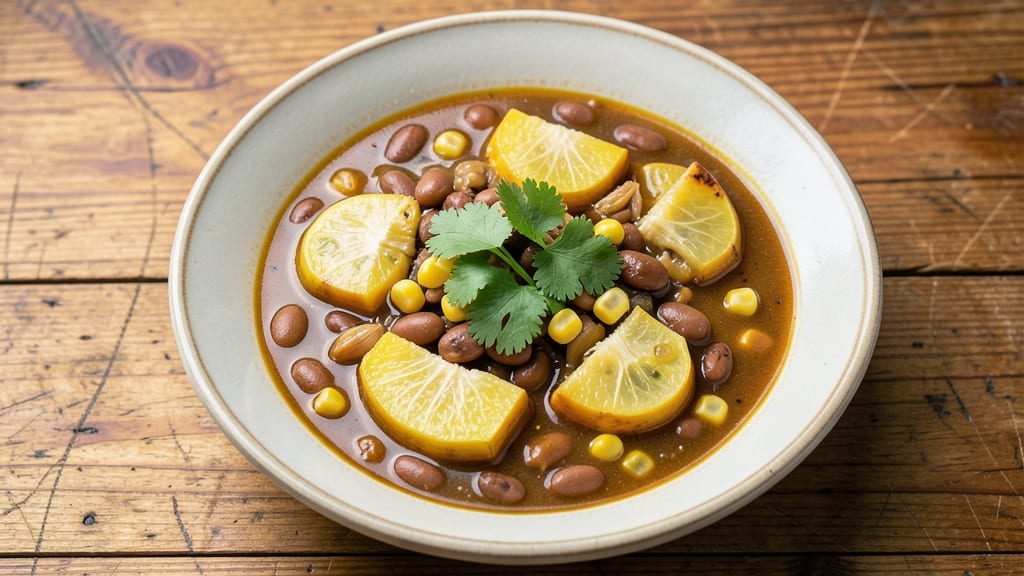
This authentic Three Sisters Soup recipe brings together the sacred ingredients of Indigenous cuisine—corn, beans, and squash—in a nourishing, one-pot meal. The traditional blend of these "sisters" creates a harmonious balance of textures and flavors, rooted in centuries of cultural heritage.
What makes this recipe special is its simplicity: just a few staples, simmered together to create a hearty, vegetarian-friendly dish that honors its origins.
The foundation of this soup lies in properly soaking the beans overnight to ensure tender, flavorful results. Sautéing onions, garlic, and squash first builds a rich base, while the corn adds natural sweetness that complements the earthy beans.
The broth, simmered low and slow, develops deep, savory notes that make every spoonful satisfying. This method preserves the authenticity while making it accessible for home cooks.
By the end, you’ll have a rich, comforting soup with creamy beans, tender squash, and sweet corn—each ingredient playing its part in this culinary tradition. The aroma alone will remind you of gatherings and shared meals, while the taste delivers the warmth of a dish meant to be shared.
Whether you add wild rice or fresh herbs, this recipe stays true to its roots while welcoming your personal touch.
Perfect for chilly evenings or potlucks, this soup serves as both a meal and a tribute to Indigenous foodways. The instructions guide you through every step, ensuring authenticity without compromise. Let’s create something meaningful together—one pot at a time.
Ingredients for authentic three sisters soup
Just twelve ingredients—three sacred staples and nine supporting players—create this nourishing, tradition-rooted soup.
| Ingredient | Amount | Notes |
|---|---|---|
| Dried Pinto Beans 🌱 | 1 ½ cups | Unsoaked, rinsed thoroughly |
| Yellow Summer Squash 🍠 | 2 medium | OR 1 lb whole squash |
| Sweet Corn Kernels 🌽 | 2 cups | Fresh or frozen, cut from cob |
| Yellow Onions 🧅 | 1 whole | Diced, medium size preferred |
| Garlic Cloves 🧄 | 4 cloves | Minced, for rich aroma |
| Vegetable Broth 💧 | 6 cups | Low-sodium preferred |
| Dried Thyme 🌿 | 1 tsp | OR 1 tbsp fresh thyme |
| Ground Cumin 🌿 | 1 tsp | Toasted for deeper flavor |
| Sea Salt 🧂 | 1 tsp | Diamond Crystal preferred |
| Black Peppercorns 🌶️ | ½ tsp | Freshly cracked preferred |
| Olive Oil 🫒 | 2 tbsp | Extra-virgin for richness |
| Fresh Parsley 🌿 | ¼ cup | Chopped, for garnish |
| Wild Rice Blend 🌾 | ½ cup | Optional, cooked separately |
The beans are the heart of this dish, so choose heirloom or organic dried pinto beans whenever possible. Local farmers markets often carry these varieties, or look for them in the bulk section of well-stocked grocery stores like Whole Foods or Sprouts. The squash should be firm with vibrant yellow skin—avoid any with soft spots. For the corn, fresh is ideal, but frozen works perfectly when fresh isn't available. The vegetable broth should be rich and flavorful; Imagine or Pacific Foods brands are excellent choices for authentic depth.
No pinto beans? Substitute black beans or kidney beans at the same quantity, though texture will differ slightly. Fresh thyme unavailable? Use dried at one-third the amount, but toast it first in a dry pan for 30 seconds to enhance flavor. The wild rice is optional but recommended—Lundberg or Uncle Ben's blends work well. For extra richness, consider adding 1 tbsp nutritional yeast when serving. The squash can be swapped for zucchini if needed, though butternut squash would require adjusting cooking time significantly. Always toast your spices—cumin and thyme develop remarkable depth when briefly heated.
This soup tastes even better the next day as flavors meld. Store in an airtight container in the refrigerator for up to 5 days, or freeze portions for 3 months. For best texture, reheat gently on the stove with a splash of broth. The wild rice, if included, should be cooked separately and added just before serving. Garnish with fresh parsley right before eating—it brightens the dish and adds a pop of color. Portion into individual containers for easy meal prep throughout the week.
Why You'll Love This Recipe
- Throw-in-the-Pantry Staples: I swear by this recipe because it uses what I always have: dried beans, a squash from the farmers' market, and frozen corn. No last-minute grocery runs—just open the cabinet and start cooking.
- Garlic-Onion-Corn Magic: That first sizzle of onions and garlic in the pot? It’s the soul of this soup. The sweetness of the corn and earthy squash just clings to those aromatics—like a warm hug in a bowl.
- Weeknight to Potluck Hero: I make this on Tuesdays for my kids’ lunches, then double it for Sunday gatherings. The beans thicken beautifully, so it’s just as good cold the next day—no sad leftovers here.
- Budget-Friendly Pantry Power: Between us, this soup costs me about $3 for six servings. Pinto beans stretch forever, squash is cheap in summer, and I’ve never once regretted skipping the fancy canned soups. Pure win.
Step-by-step instructions for authentic three sisters soup
This traditional Native American dish balances earthy flavors through careful layering and timing.
Prepare the Beans for Maximum Flavor
Rinse the 1.5 cups dried pinto beans thoroughly under cold water to remove any debris. Place them in a large pot with 6 cups vegetable broth and bring to a boil over high heat. Once boiling, reduce heat to medium-low and simmer uncovered for 45-60 minutes until beans are tender but not mushy.
Here's the thing—don't add salt during this initial cooking phase. The beans will absorb too much liquid and never soften properly. Instead, taste them at the 45-minute mark—they should be fork-tender with just a slight resistance. If using a pressure cooker, reduce time to 20-25 minutes after initial pressure builds.
Sauté the Aromatic Base
While beans cook, heat 2 tablespoons olive oil in a deep skillet over medium heat. Add the 1 whole yellow onion and 4 cloves garlic cloves, sautéing for 5-6 minutes until the onions become translucent and the garlic releases its aroma. This foundational step builds the soup's depth.
Next, add 1 teaspoon ground cumin and 1 teaspoon dried thyme, stirring constantly for 30 seconds until fragrant. The cumin should toast slightly, releasing its warm, earthy notes. If you notice the garlic begins to brown too quickly, reduce heat to medium-low—burnt garlic ruins the delicate balance of this dish.
Incorporate the Vegetables
Cut the 2 medium yellow summer squash into ½-inch cubes and add them to the skillet along with the 2 cups sweet corn kernels. Cook for 4-5 minutes until the squash begins to soften slightly but still maintains some bite. The corn should be heated through but not mushy.
Real talk: don't overcrowd the pan. If needed, work in batches to prevent steaming rather than sautéing. You want those squash cubes to develop a light golden color—this indicates proper cooking without losing their texture. Season with 1 teaspoon sea salt and ½ teaspoon black peppercorns now, as the vegetables will absorb these flavors directly.
Combine and Simmer the Soup
Drain the cooked beans, reserving 1 cup of the bean broth (discard the rest). Add the beans to the skillet with vegetables and stir to combine. Pour in the reserved bean broth along with any remaining vegetable broth from the initial cooking—you should have about 4 cups total liquid at this point.
Bring the mixture to a gentle boil over medium-high heat, then reduce to low heat and simmer uncovered for 15-20 minutes. Stir occasionally to prevent the beans from sticking to the bottom. The soup should develop a rich, earthy aroma—this is your signal that the flavors are melding properly. Taste and adjust seasoning if needed, adding more salt or pepper as necessary.
Finish and Serve with Authentic Touches
Remove from heat and stir in the 0.5 cup wild rice blend (if using). For best results, the rice should be cooked separately and added at the end to maintain its texture. Ladle the soup into bowls and garnish with ¼ cup chopped fresh parsley for brightness and color.
Serve immediately while hot, as the flavors continue to develop even after cooking. For an authentic presentation, sprinkle each bowl with a pinch of toasted cumin and serve with warm cornbread. The three sisters—corn, beans, and squash—work together to create a complete protein and satisfying meal that honors traditional Native American cuisine.
Pro Tips For Making Authentic Three Sisters Soup
- SOAK BEANS OVERNIGHT: I learned this the hard way—rushing the soak leaves beans tough and gummy. Even if you’re short on time, a 12-hour soak in cold water with a pinch of baking soda (yes, really) cuts cooking time by half and makes them creamier. No soaking? Boil them 2 minutes first, then let them sit covered for an hour—still beats skipping it.
- CHAR THE ONIONS: Low heat turns onions mushy; high heat burns them before they sweeten. Get a heavy pot or skillet hot enough that onions sizzle when they hit, then back off to medium. Cook them until deep golden—almost caramelized—before adding garlic. This builds flavor that won’t get lost in the soup’s simplicity.
- DON’T SKIP THE SQUASH PREP: Raw summer squash releases water and dilutes the broth. Dice it small (½-inch pieces) and pat it dry with a towel—seriously, squeeze out the moisture. Then, sauté it separately in the onion-garlic oil for 3–4 minutes until just tender. This keeps the soup from turning watery and adds a subtle nuttiness.
- USE CORN COBS FOR FLAVOR: Husked corn kernels lack depth compared to cobs simmered whole. If you’re using kernels, add a splash of corn cob broth (simmer 2 cobs in 2 cups water for 20 minutes) to the pot. Or, if you’re lazy like me, toss in 1–2 whole cobs with the beans early—they’ll infuse the broth perfectly and pull off clean later.
Best sauces and condiments for these flavors
Classic Tomato Base
Start with a simple tomato sauce that complements the earthy flavors of the Three Sisters. Blend 1 cup canned San Marzano tomatoes with 1 tbsp olive oil, 1 tsp dried oregano, and a pinch of red pepper flakes.
Simmer for 10 minutes and stir into the finished soup just before serving. This adds a bright acidity that cuts through the richness of the beans and squash. 🍅
Creamy Avocado Swirl
For a modern twist, blend ½ ripe avocado with ¼ cup vegetable broth and a squeeze of lime until smooth. Drizzle this creamy swirl over individual bowls of soup.
The healthy fats from the avocado enhance the natural flavors while adding a velvety texture. Keep it separate until serving to prevent the avocado from browning.
Smoky Chipotle Oil
Infuse ½ cup olive oil with 1-2 chipotle peppers in adobo and 1 clove garlic by gently heating for 5 minutes on low. Strain and drizzle over the soup tableside. This smoky, spicy oil adds depth and a subtle heat that pairs beautifully with the soup's earthy profile.
Store any leftover oil in a cool, dark place for up to 2 weeks.
Herb Oil Finishing
Sauté 2 tbsp fresh parsley, 1 tbsp fresh thyme, and 1 clove garlic in ¼ cup olive oil until fragrant (2 minutes). Strain and drizzle over the soup just before serving.
This herb oil adds a fresh, aromatic finish that brightens the dish and makes it feel restaurant-quality. The parsley also ties into the garnish for a cohesive presentation.
Creamy Corn Purée
Blend 1 cup cooked corn kernels with 2 tbsp vegetable broth and 1 tbsp butter until smooth. Stir this purée into the finished soup for a richer, sweeter profile.
The extra corn enhances the natural sweetness of the dish while adding a luxurious texture. This works especially well if you prefer your soup on the creamier side.
Lemon-Tahini Dressing
Whisk together 2 tbsp tahini, 1 tbsp lemon juice, 1 tbsp olive oil, and 1 tsp honey to create a tangy, nutty dressing. Drizzle lightly over the soup for a bright, Middle Eastern-inspired contrast.
The tahini adds a subtle nuttiness that complements the earthy beans, while the lemon cuts through the richness. Serve immediately after drizzling to prevent separation.
Nutrition facts
Frequently asked questions
What makes this Three Sisters Soup recipe authentic?
This recipe stays true to Indigenous traditions by using the sacred trio of corn, beans, and squash—three staple crops that represent sustenance and balance in many Native American cultures. The method emphasizes whole ingredients, proper soaking of beans, and gentle simmering to preserve natural flavors without heavy seasoning. We avoid modern shortcuts like pre-cooked beans or canned corn to maintain authenticity.
Can I use canned beans instead of dried?
While dried beans develop deeper flavor and better texture, you can substitute 2 (15-oz) cans of pinto beans (drained and rinsed) for the dried version. For best results, heat them in the soup for 10 minutes to warm through and blend flavors. However, dried beans create a more authentic, hearty texture that's worth the extra time.
How do I adjust this recipe for dietary restrictions?
For gluten-free needs, ensure your vegetable broth is certified gluten-free. Vegan? This recipe is already plant-based! For lower sodium, reduce salt to ½ teaspoon and use unsalted broth. The wild rice is naturally gluten-free, but check labels if using store-bought blends. The soup's natural flavors shine without heavy modifications.
What's the best way to store leftovers?
Let the soup cool completely, then transfer to airtight containers. It keeps in the refrigerator for 5 days or freezes for 3 months. For reheating, warm gently on the stove with a splash of broth to restore texture. Never microwave directly from frozen—thaw overnight first to prevent uneven heating.
Can I make this soup in a slow cooker?
Combine all ingredients in your slow cooker and cook on low for 6-7 hours or high for 3-4 hours. The beans will soften perfectly while the vegetables retain their texture. Add the wild rice (if using) and parsley in the last 30 minutes to prevent overcooking. This method actually enhances the soup's depth of flavor.