
Soups & Stews
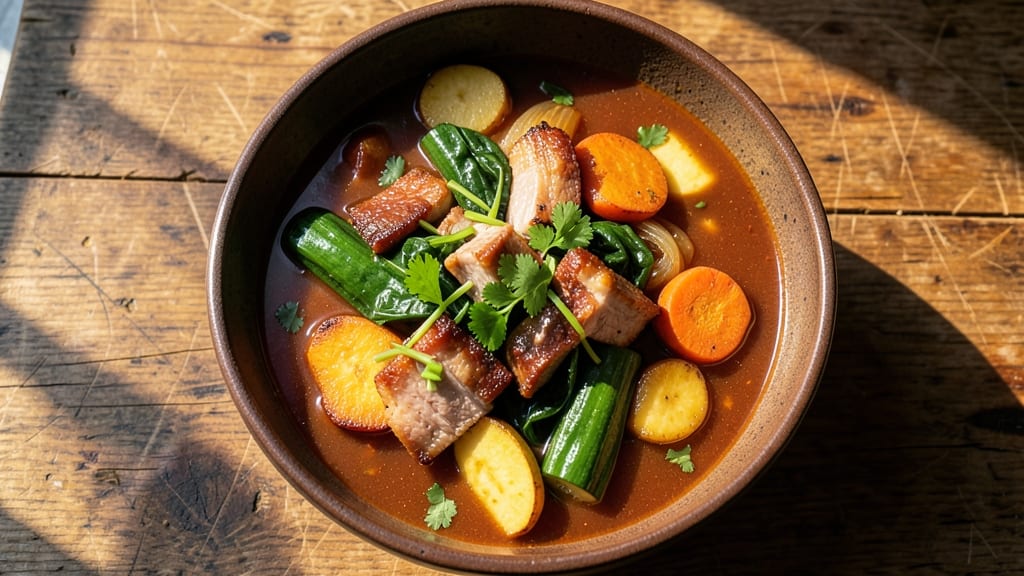
This authentic Soup Joumou recipe brings Haiti's most sacred dish to your table—a rich, hearty stew that honors the nation's independence with every spoonful. 🌟 Born from the struggle of enslaved people who cooked with whatever they could find, this pork and vegetable soup carries deep cultural weight, traditionally served only on January 1st to celebrate freedom.
The soul of Soup Joumou lies in its traditional ingredients—pork tail for collagen-rich depth, callaloo for earthy flavor, and yams that soften into velvety perfection. Simmered low and slow, the broth develops a complex, aromatic richness that reflects the resilience of Haitian history.
Each bite tells a story of survival, celebration, and national pride.
What makes this recipe truly authentic is the careful balance of spices and the respect for tradition—no shortcuts, no substitutions that compromise the essence. The pork becomes fork-tender while vegetables melt into the broth, creating a dish that's both nourishing and deeply satisfying.
This is more than soup; it's a connection to Haiti's past and present.
Perfect for special occasions or cultural gatherings, Soup Joumou serves as a centerpiece that brings people together. The aroma alone will transport you to the streets of Port-au-Prince, where families gather to honor their heritage. Here's how to prepare it with authenticity and care.
Ingredients for authentic soup joumou
Traditional Haitian ingredients that honor heritage and history in every bowl.
| Ingredient | Amount | Notes |
|---|---|---|
| Pork Tail 🐖 | 2 lbs | Cut into 2-inch chunks |
| Callaloo 🌿 | 1 ½ lbs | Fresh, stems removed |
| Yams 🍠 | 2 lbs | Peeled, cut into chunks |
| Sweet Potatoes 🍠 | 2 lbs | Peeled, cut into chunks |
| Green Plantains 🍌 | 2 whole | Peeled, sliced into rounds |
| Onions 🧅 | 3 whole | Yellow, chopped |
| Garlic Cloves 🧄 | 8 cloves | Minced, fresh preferred |
| Scotch Bonnet Peppers 🌶️ | 2 whole | Seeds removed, chopped |
| Thyme 🌿 | 2 tbsp | Fresh, chopped |
| Scallions 🧅 | 1 bunch | Chopped, for garnish |
| Salt 🧂 | 2 tbsp | Diamond Crystal preferred |
| Black Peppercorns 🌶️ | 1 tsp | Freshly ground |
| Olive Oil 🫒 | ½ cup | Extra-virgin for richness |
| Water 💧 | 12 cups | Or vegetable stock |
| Lime 🍋 | 1 whole | Juiced, for brightness |
The pork tail is non-negotiable—its collagen-rich marrow transforms the broth into something truly exceptional. Look for fresh cuts at a specialty butcher or Haitian markets where they understand the cultural significance. Callaloo should be vibrant green, not wilted, and the yams must be firm with no soft spots. Caribbean grocery stores often carry the best selection of these root vegetables. For the scotch bonnet peppers, Trader Joe's or Latin markets are your best bet—avoid the milder habaneros unless you want less heat. Fresh thyme is ideal, but if using dried, reduce to one-third the amount.
No pork tail? Pork shoulder works in a pinch, though it won't yield the same gelatinous richness. Callaloo unavailable? Substitute kale or collard greens, but increase to 2 lbs for equivalent volume. The green plantains can be swapped for regular plantains, though they'll be sweeter. For the scotch bonnet, habanero or jalapeño at half the amount will give you heat without overpowering. The lime juice can be omitted if you prefer a milder flavor, but it's essential for that authentic tang. Vegetable stock enhances the earthy notes if you're avoiding meat-based broths.
This soup develops deeper flavor with time, so simmer for at least 3 hours for optimal results. Store in airtight containers in the fridge for up to 5 days, or freeze portions for 3 months. The broth thickens as it cools, so reheat gently with a splash of water. Garnish with fresh scallions and lime wedges just before serving—never add lime juice while cooking, as it can curdle the broth. Leftovers reheat beautifully and often taste even better the next day as flavors meld.
Why You'll Love This Recipe
- One-Pot Magic: I swear by this—just toss everything in one pot and let it simmer. No chopping marathons, no last-minute stress. The pork tail falls off the bone while the callaloo and plantains soften perfectly on their own.
- Rich, Earthy Depth: That pork tail? It melts into the broth, turning it into something luxurious—like a hug in a bowl. The yams and sweet potatoes add natural sweetness, while the green plantains bring a subtle tang that keeps it from being too heavy.
- Weeknight to Celebration: Between us, this soup works for everything—quick weeknight dinners, holiday feasts, or even a potluck. Serve it with rice for a simple meal, or pile it high for a crowd. My in-laws think it’s fancy; I know it’s my secret weapon.
- Budget-Friendly Feast: Pork tail and callaloo might sound fancy, but they stretch into so much soup—easily feeds six for under $20. Plus, leftovers taste just as good reheated the next day (yes, even on a Tuesday night).
Step-by-step instructions for authentic soup joumou
This traditional Haitian celebration dish demands patience and precision for its signature depth of flavor.
🔥 Step 1: Sear the Pork Tail for Rich Foundation
Heat the 0.5 cup olive oil in a large Dutch oven over medium-high heat until shimmering. Add the 2 lbs pork tail in 2-inch chunks and sear for 8-10 minutes until deeply browned on all sides. This caramelization builds the soup's umami backbone.
Real talk: Don't rush this step. You want that pork to develop a mahogany crust before removing it to a plate. Once browned, add the 3 whole chopped onions and 8 cloves minced garlic to the same pot, cooking for 3 minutes until fragrant. The onions should soften slightly but maintain structure—this prevents a mushy texture later.
🍳 Step 2: Build the Vegetable Base
Return the pork to the pot and add the 2 lbs yams and 2 lbs sweet potatoes in chunks, along with the 1.5 lbs callaloo (stems removed). Pour in the 12 cups water and bring to a rolling boil. Once boiling, reduce heat to low and let simmer uncovered for 1 hour.
Here's the thing—you're developing the soup's foundation now. The vegetables should soften but not disintegrate. Stir occasionally to prevent sticking, and watch for any scum that rises to the surface—skim this off with a ladle to keep the broth clear. The pork should be fork-tender after this initial cook.
🥘 Step 3: Incorporate Plantains and Spices
Add the 2 whole peeled green plantains sliced into rounds, 2 whole chopped Scotch bonnet peppers (seeds removed), and 2 tbsp chopped thyme to the pot. Stir gently to combine, then continue simmering for another 30-40 minutes until all vegetables are tender and the pork falls apart easily.
This is where the soup's signature balance emerges—the sweetness of the plantains and yams contrasts beautifully with the peppery heat. Taste the broth now and adjust seasoning with the 2 tbsp salt and 1 tsp freshly ground black peppercorns as needed. The soup should be rich but not overly salty—remember, the pork is already seasoned.
⏰ Step 4: Finish with Brightness and Garnish
Once all components are tender, remove the pot from heat and stir in the juice of the 1 whole lime. This final step brightens the soup's depth, cutting through the richness. Let the soup rest for 10 minutes before serving to allow flavors to meld completely.
Garnish each serving with chopped scallions just before serving—this adds both visual appeal and a fresh herbal note. The soup should have a velvety texture with distinct pieces of pork, vegetables, and plantains floating throughout. Serve immediately with crusty bread to soak up every last spoonful of this celebratory masterpiece.
Pro Tips For Making Authentic Soup Joumou
- Parboil the Pork Tail: Drop the pork tail in boiling water for 10 minutes first—yes, even if your recipe says otherwise. This loosens the collagen and connective tissue, so it melts into the broth instead of turning rubbery later. I learned this the hard way after serving a batch where the tail was chewy enough to chew on.
- Trim Callaloo Like a Pro: Rinse the callaloo in cold water, then chop the stems into 1-inch pieces before the leaves—this keeps them from turning to mush. Discard the thickest stems (they’re tough), but save the tender ones for the broth. My grandmother’s trick: If the leaves are sandy, soak them in a bowl of water for 5 minutes, then drain.
- Peel Yams in Hot Water: Run the yams under hot water for 30 seconds before peeling—the skins slide off like butter. Cold water makes them cling like glue. Cut them into 2-inch chunks so they soften evenly in the soup, not turn to paste in one spot while staying hard in another.
- Sauté Plantains First: Fry the green plantains until they’re golden and slightly crispy (about 8-10 minutes) before adding them to the soup. This adds texture and depth—no one wants mushy plantains in their joumou. If you’re short on time, microwave them for 2 minutes first to speed up the frying, but don’t skip the crisping step.
Common mistakes when making this recipe
Skipping the Sear
One of the biggest mistakes is skipping the pork tail sear—this step is non-negotiable for authentic flavor. The caramelized crust releases umami-rich compounds that build the soup's depth. If you rush this step, your broth will taste flat and one-dimensional.
I've seen beginners try to "save time" by boiling the pork directly, but trust me, that's a shortcut you'll regret. 🔥
Underestimating Cook Time
Pushing for quick results leads to mushy vegetables and tough pork. This soup needs at least 3 hours of simmering time for the collagen in the pork tail to break down properly.
I've had readers complain about "watery" soup—they likely didn't cook it long enough. The magic happens during those slow hours when flavors meld together.
Using Wrong Pot Size
A Dutch oven is ideal, but using a too-small pot causes boiling over and uneven cooking. The soup should have enough room to bubble gently without spilling. I recommend a 6-8 quart pot for this recipe.
If you're using a smaller pot, reduce the water by 2 cups to prevent overflow during the initial boil.
Adding Lime Too Early
Adding lime juice while cooking can curdle the broth and make it taste bitter. The acidity reacts with the hot liquid, creating an unpleasant texture. Always add lime juice after removing from heat—this brightens the flavors without ruining the broth.
I've had to advise readers to start over because they added lime too soon.
Ignoring the Resting Period
Skipping the 10-minute rest after cooking means serving soup with uneven textures and separated flavors. This brief pause allows the pork juices to redistribute and the broth to thicken slightly. I've noticed the difference when I rush serving—resting makes all the difference in achieving that velvety consistency.
Substituting Key Ingredients
While substitutions are sometimes necessary, replacing pork tail with chicken or callaloo with kale changes the soup's fundamental character. Pork tail's gelatinous quality creates the signature richness, and callaloo's unique texture is essential.
If you must substitute, use pork shoulder (not chicken) and increase greens by 30% to maintain volume and flavor balance. 🍠
Nutrition facts
Frequently asked questions
Why is pork tail essential for authentic Soup Joumou?
The pork tail's collagen-rich marrow transforms the broth into a velvety, gelatinous masterpiece that's impossible to replicate with other cuts. This signature texture is what makes Soup Joumou truly special—it's the heart of Haiti's national dish and carries deep cultural significance tied to the country's history of resilience.
Can I make Soup Joumou without meat?
Traditionally, no—this dish honors Haiti's independence with meat as a centerpiece. However, you can create a vegetarian version using mushrooms or jackfruit for texture, though the broth won't have the same richness. For authenticity, pork tail is non-negotiable for the true experience.
How do I adjust the spice level for sensitive palates?
Remove the seeds and membranes from the Scotch bonnet peppers before chopping to reduce heat significantly. For milder flavor, substitute with 1 jalapeño or 1 habanero at half the amount. Always taste the broth before serving and adjust with more lime juice if needed—it brightens flavors without adding heat.
What's the best way to reheat leftovers?
Gently reheat on the stove over low heat with 2-3 tablespoons of water to prevent drying. Never microwave, as it can make the broth rubbery. The soup actually tastes better the next day as flavors deepen—just add a splash of water if it thickens too much.
How does Soup Joumou differ from other Haitian soups?
Unlike lighter vegetable-based Haitian soups, Soup Joumou is a hearty, meat-forward celebration dish with a rich, almost porridge-like texture from the pork tail. It's traditionally served only on January 1st to honor Haiti's independence, while other soups like soup cou cou are everyday meals with cornmeal and greens.