
Soups & Stews
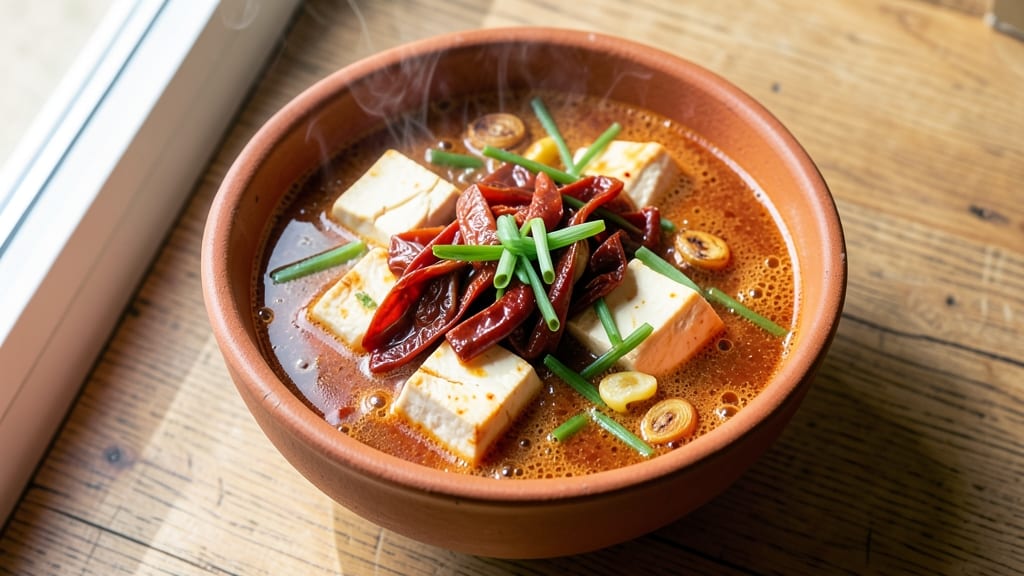
This authentic kimchi soup recipe delivers the bold, fermented heat and silky comfort of Korean home cooking—just like my grandmother used to make. The secret lies in balancing spicy kimchi with umami-rich ingredients like gochujang and tofu, creating a broth that's both deeply flavorful and deeply satisfying.
What sets this apart is the layered technique: first building the aromatic base, then simmering the kimchi until its natural sweetness and acidity meld perfectly with the broth.
The beauty of this recipe is its adaptability—whether you're making it for a weeknight dinner or a special gathering, the core technique remains the same.
We'll start with a simple but essential aromatics blend of garlic, ginger, and green onions, then let the kimchi's natural fermentation shine as it simmers into the broth. The addition of silky tofu bites adds texture and protein without overpowering the dish's signature tang.
By the time you're done, you'll have a steaming bowl of authentic kimchi soup with vibrant red broth, tender vegetables, and perfectly seasoned tofu. The aroma alone will fill your kitchen with warmth, while the first bite delivers that perfect balance of spicy, savory, and comforting.
This is the kind of dish that feels like a hug in a bowl—rich enough to satisfy, yet light enough to enjoy any time of year.
Ready to make it? The process is straightforward, but the result is anything but ordinary. We'll walk you through each step, from preparing the ingredients to achieving that perfect simmer.
Whether you're a seasoned home cook or new to Korean flavors, this recipe will become a staple in your rotation. Let's get started!
Ingredients for authentic kimchi soup
Fresh kimchi, silky tofu, and aromatic ginger—these core ingredients create the soul of authentic kimchi soup.
| Ingredient | Amount | Notes |
|---|---|---|
| Kimchi 🥬 | 2 cups | Freshly fermented, chopped |
| Firm Tofu 🧀 | 1 lb | Extra-firm, cubed |
| Gochujang 🌶️ | 2 tbsp | Korean red chili paste |
| Garlic Cloves 🧄 | 4 cloves | Minced for aroma |
| Fresh Ginger 🌿 | 1 tbsp | Grated, freshly |
| Green Onions 🧅 | 3 whole | Sliced thin, white and green |
| Vegetable Broth 💧 | 4 cups | Low-sodium preferred |
| Sesame Oil 🫒 | 1 tbsp | For finishing |
| Soy Sauce 🥢 | 1 tbsp | Korean or Japanese |
| Sesame Seeds 🌾 | 1 tsp | Toasted, for garnish |
| Salt 🧂 | ½ tsp | Adjust to taste |
| White Rice 🍚 | 1 cup | Cooked, for serving |
Kimchi is the heart of this soup, so pick a vibrant, slightly sour one—the kind with visible red chili flakes and no weird sliminess. Korean grocery stores like H Mart or local Asian markets carry the best quality, but the pre-packaged kind at regular supermarkets works too. For tofu, extra-firm is non-negotiable—it holds shape through simmering. If you're feeling fancy, marinate the tofu cubes in soy sauce for 10 minutes before adding to the broth. Gochujang is the secret weapon here—look for the smooth, paste form, not the powder. It's worth having a backup brand on hand because some varieties are spicier than others.
No kimchi? Substitute with 1 cup sauerkraut plus 1 tsp gochugaru (Korean chili flakes)—it won't be identical, but you'll still get that tangy kick. Running low on sesame oil? Toast sesame seeds in a dry pan for 30 seconds, then grind them with a mortar and pestle for a homemade version. The green onions can be swapped for regular onions, but the white parts add that subtle sweetness that balances the heat. For broth, homemade vegetable broth is ideal, but even bouillon cubes work in a pinch. Just remember—low-sodium is key so you can control the seasoning. The rice should be steamed to perfection; slightly sticky is perfect for soaking up that flavorful broth.
This soup tastes even better the next day as flavors meld. Store leftovers in an airtight container in the fridge for up to 5 days. For freezing, portion into individual containers—it reheats beautifully with just a splash of water. The tofu will get a bit softer after reheating, but that's actually ideal for leftovers. If you're prepping ahead, make the broth base first and store it separately. When ready to serve, just reheat the broth with kimchi and tofu. Garnish with sesame seeds right before eating—they add crunch and depth that disappears when added earlier.
Why You'll Love This Recipe
- No-Fuss Ingredients: I keep a jar of kimchi and a block of firm tofu in my fridge just for this—no specialty shopping needed. The gochujang adds depth with a single spoon, and the ginger? Just a quick grating while I wait for the water to boil. Honestly, I’ve made it blindfolded.
- Spicy-Sweet Magic: That first spoonful of kimchi broth hits with tangy heat, then the gochujang mellows it into something rich and addictive. The tofu soaks up all the flavor—crispy edges, creamy center—while the garlic and ginger layer in warmth. Between us, it’s the kind of soup that disappears in minutes.
- Lunch or Leftovers: I make a big pot on Sundays and eat it all week: hot with rice, cold as a quick lunch, or even reheated for a hangover cure. The flavors only get better the next day, and it’s the perfect side for grilled meats or a simple bowl of noodles.
- Budget Booster: A single jar of kimchi and a block of tofu stretch across multiple meals, and gochujang lasts forever. I’ll be real: this recipe saved my grocery budget during grad school. Plus, the leftovers freeze like a dream—no takeout needed when I’m too tired to cook.
Step-by-step instructions for authentic kimchi soup
Here's how to create a deeply flavorful, spicy-sweet kimchi soup with silky tofu that'll warm you from the inside out.
Prepare the Tofu for Silky Texture
Drain the 1 lb firm tofu and wrap it tightly in a clean kitchen towel. Place a heavy object like a cast-iron skillet on top for 15 minutes to press out excess moisture. This step is crucial—it prevents the tofu from turning soggy in the broth. Cut the pressed tofu into 1-inch cubes using a sharp knife. Set aside while you prep the rest of the ingredients.
For extra flavor, you can marinate the tofu cubes for 10 minutes in a mix of 1 tablespoon soy sauce and ½ teaspoon salt. This adds depth to the silky bites, but it's optional if you're short on time. The key is to keep the cubes intact so they hold their shape beautifully in the soup.
Build the Spicy-Sweet Base
Heat a large pot over medium heat and add 1 tablespoon sesame oil. Once the oil shimmers, add the 2 cups chopped kimchi and stir for 2-3 minutes until it releases its juices and becomes fragrant. The kimchi should soften slightly but still retain its vibrant color.
Add the 4 minced garlic cloves and 1 tablespoon freshly grated ginger, stirring constantly for 30 seconds until the garlic turns golden and aromatic. Here's the thing—don't let the garlic burn, or it'll turn bitter. Immediately add the 2 tablespoons gochujang and stir for another 1 minute until the paste melts into the kimchi mixture. This creates the perfect balance of spicy, sweet, and umami flavors that define authentic kimchi soup.
Simmer the Broth with Depth
Pour in the 4 cups vegetable broth and bring the mixture to a gentle boil. Once boiling, reduce heat to low and let it simmer for 10 minutes to allow the flavors to meld together. This is where the magic happens—the broth absorbs the complex flavors from the kimchi, garlic, ginger, and gochujang.
Add the tofu cubes and ½ teaspoon salt to the simmering broth. Gently stir to coat the tofu in the flavorful liquid. The soup should bubble softly—if it gets too vigorous, reduce the heat slightly. Let it cook for another 8-10 minutes until the tofu is heated through and the broth has thickened slightly. You'll know it's ready when the tofu absorbs the colors of the kimchi and the broth has a rich, slightly glossy appearance.
Finish with Fresh Aromatics
Turn off the heat and stir in the 1 tablespoon soy sauce. This final touch enhances the umami depth of the soup. Thinly slice the 3 whole green onions and add them to the pot, stirring gently to distribute them evenly. Let the soup sit off the heat for 5 minutes to allow the flavors to settle together.
Ladle the soup into bowls and garnish each serving with 1 teaspoon toasted sesame seeds. The contrast of the nutty seeds against the spicy, tangy broth adds a delightful textural and flavorful finish. Serve immediately with 1 cup cooked white rice on the side to soak up every last drop of that flavorful broth.
Pro Tips For Making Authentic Kimchi Soup
- STIR THE KIMCHI FIRST: Don’t just toss it in raw—sauté the kimchi with a splash of water or broth over medium-high heat for 3-4 minutes. This breaks down the fibers, releases its fermented depth, and prevents that weird "raw kimchi" texture in your soup. (Yes, even if you’re tempted to skip it.)
- CUT TOFU THICK: Slice that firm tofu into ½-inch cubes, not thin slivers. Thicker pieces hold their shape better and absorb the broth without turning into mush—especially important when you’re simmering with garlic and ginger, which can make tofu fall apart if it’s too delicate.
- GINGER: GRATE, DON’T CHOP: Use a microplane or fine grater for ginger, not a knife. The finer the texture, the faster it dissolves into the soup and infuses every bite with warmth. Knife-chopped ginger just sits there like a chewy afterthought.
- DILUTE GOCHUJANG LAST: Mix gochujang with a little water or broth after the soup is simmering, not before. Adding it dry at the start can make the soup taste bitter or overly concentrated—like licking a spoonful of paste instead of a balanced, savory broth. Stir it in when the flavors are already melded.
Storing and reheating this dish
Fridge Storage Tips
Store your kimchi soup in an airtight glass container (like a Mason jar) for up to 5 days in the fridge. The flavors actually deepen overnight as the kimchi's fermentation continues to work its magic.
I always leave ½-inch headspace to prevent condensation from diluting the broth. When reheating, stir in 1-2 tablespoons of water to restore the original consistency—leftovers often thicken slightly. 💛
Freezer Prep Guide
For long-term storage, portion soup into freezer-safe glass containers (like Pyrex) or heavy-duty freezer bags. Leave 1.5 inches of headspace—liquids expand when frozen. Label with the date and freeze for up to 3 months.
The tofu will soften slightly after thawing, but this actually makes it more tender when reheated. I like to freeze broth and kimchi separately, then combine when ready to serve. 🧊
Reheating Methods
For stovetop reheating, transfer soup to a pot over medium-low heat and warm gently for 8-10 minutes, stirring occasionally. Add 2 tablespoons of water or broth if it looks too thick.
For microwave reheating, use 50% power for 2-3 minutes, then stir and heat in 30-second intervals until steaming. Always check the internal temperature reaches 165°F for safety. 🔥
Reviving Texture
If the tofu appears too soft after reheating, drain it and pat dry with a paper towel. Return to the pot for 1-2 minutes to firm up slightly. For extra richness, stir in ½ teaspoon sesame oil or a splash of soy sauce before serving.
The broth may need a pinch of salt—kimchi's fermentation can mellow out flavors during storage. Taste and adjust! ✨
Garnish Refresh
Always add toasted sesame seeds and green onions fresh after reheating—they provide the perfect crunch and brightness. I keep a small bowl of pre-toasted sesame seeds on hand for quick garnishing.
For an extra boost, drizzle with 1 teaspoon sesame oil right before serving. This simple step makes reheated soup feel like it was just made. 🌿
Meal Prep Strategy
Prepare the broth base ahead of time and store it separately in the fridge for up to 3 days. When ready to serve, simply reheat the broth, add fresh kimchi and tofu, and simmer for 5 minutes.
This saves time while keeping the kimchi's tang fresh. I also like to prep extra tofu cubes in advance and store them in the fridge for quick additions to other dishes. 📅
Nutrition facts
Frequently asked questions
What makes this kimchi soup recipe authentic?
Authenticity comes from three key elements: fermented kimchi (not just sauerkraut), the gochujang paste for depth, and proper simmering time. The recipe balances spicy heat with umami from garlic, ginger, and soy sauce—just like Korean home cooking. The tofu pressing technique ensures silky texture, a hallmark of traditional versions.
Can I make this soup without tofu?
Swap the tofu for 1 cup sliced mushrooms (shiitake or button) or ½ lb shrimp for seafood lovers. For meat options, try ½ lb ground pork or chicken thighs. Cook proteins separately until just done before adding to the broth to prevent overcooking. The broth will still be rich and flavorful.
Why does my kimchi soup taste too spicy?
Kimchi varies in spice levels, but the gochujang adds extra heat. To balance it, stir in 1 teaspoon sugar or ½ teaspoon honey to counteract the spice. For a milder version, reduce gochujang to 1 tablespoon and use milder kimchi (look for less red chili in the mix). Always taste as you go!
How can I make this soup vegan?
Skip the gochujang (it contains fish sauce) and use vegan gochujang instead. Replace vegetable broth with mushroom or seaweed broth. For umami depth, add 1 tablespoon soy sauce (ensure it's vegan) or ½ teaspoon nutritional yeast. The tofu remains vegan, and the soup will still be packed with flavor.
What's the best way to serve kimchi soup?
Serve with steamed white rice to soak up the broth, and garnish with toasted sesame seeds and green onions right before eating. For extra authenticity, add a side of banchan (Korean side dishes) like spinach or pickled radish. The contrast of cold rice with hot soup is key!