
Soups & Stews
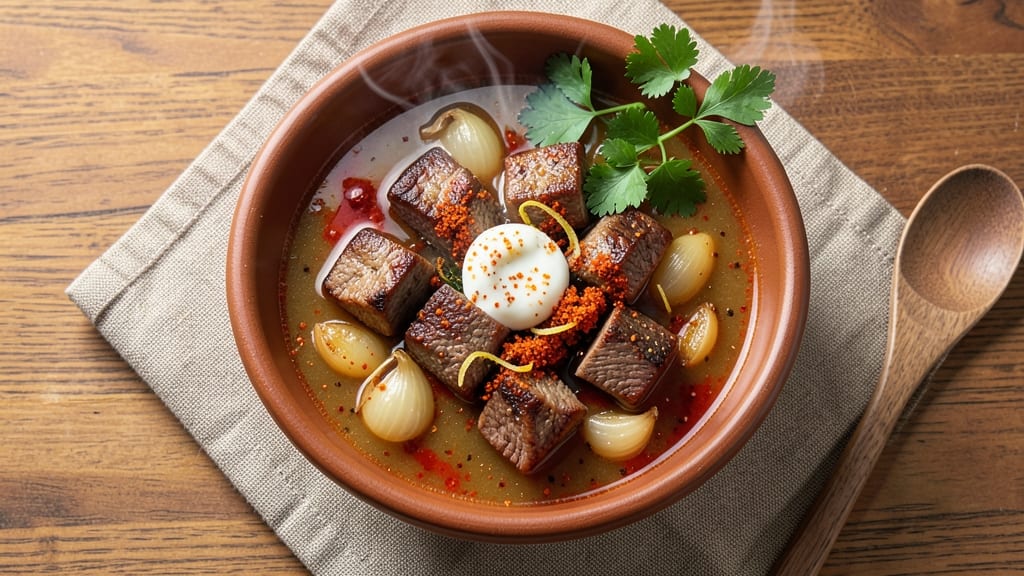
This authentic Austrian goulash soup brings the hearty flavors of Central Europe to your kitchen with its signature paprika-rich depth and melt-in-your-mouth beef chunks.
The secret lies in slow-browning the meat to develop deep, caramelized flavors before simmering it in a rich broth infused with sweet and hot paprika—a technique that transforms tough cuts into tender perfection.
What sets this recipe apart is the balance of spices and the patience required to let the flavors meld over hours of simmering.
Traditional goulash relies on three key elements: properly seared beef, a blend of sweet and hot paprika (the soul of the dish), and a long simmer to develop a thick, velvety broth. I’ve simplified the process without sacrificing authenticity, ensuring you achieve restaurant-quality results in your own pot.
The beef becomes so tender it falls apart with a fork, while the broth reduces to a rich, aromatic consistency that coats every spoonful.
By the time you’re done, you’ll have a steaming bowl of goulash that’s as comforting as it is flavorful—ideal for chilly evenings or family gatherings. The paprika adds a subtle warmth and depth, while the beef absorbs the broth’s flavors, creating a dish that’s both hearty and elegant.
Serve it with crusty bread to soak up every last drop of that savory, spiced broth.
This recipe delivers on authenticity while keeping the process manageable, making it perfect for both weeknight dinners and special occasions. The slow cooking ensures the beef is tender, and the spices are perfectly balanced, so you’ll taste the true essence of Austrian cuisine in every bite.
Let’s get started on creating this classic dish.
Ingredients for austrian goulash soup recipe authentic
Heartier than most soups, this goulash needs beef, paprika, and patience for perfect depth.
| Ingredient | Amount | Notes |
|---|---|---|
| Beef Chuck Roast 🥩 | 2 ½ lb | Cut into 1-inch cubes |
| Yellow Onions 🧅 | 2 whole | Medium size, chopped |
| Garlic Cloves 🧄 | 6 cloves | Minced for depth |
| Sweet Paprika 🌶️ | 2 tbsp | Hungarian preferred |
| Hot Paprika 🌶️ | 1 tbsp | For subtle heat |
| Tomato Paste 🍅 | 2 tbsp | Squeeze tube preferred |
| Beef Broth 💧 | 6 cups | Homemade or quality store-bought |
| Red Wine 🍷 | 1 cup | Bold dry red, like Cabernet |
| Bay Leaves 🍃 | 2 whole | Fresh preferred |
| Carrots 🥕 | 3 whole | Medium size, sliced |
| Tomatoes 🍅 | 2 whole | Medium, diced |
| Salt 🧂 | 1 ½ tsp | Kosher or sea salt |
| Black Pepper 🌶️ | 1 tsp | Freshly ground |
| Olive Oil 🫒 | 2 tbsp | For searing beef |
| Fresh Thyme 🌿 | 1 tbsp | Leaves only, chopped |
The beef is non-negotiable—chuck roast gives that melt-in-your-mouth texture, while sirloin stays tough. Grab the pre-cubed version from the meat counter to save time, or ask the butcher to cut it yourself. Costco or Trader Joe's usually have it ready to go. For the paprika, Hungarian sweet and hot are the gold standard—find them in the international aisle or bulk bins. If you see 'smoked paprika,' skip it; we want that bright, fruity flavor. The carrots and onions? Freshness matters here—wilting means bland goulash.
No red wine? Beef broth with a splash of balsamic works in a pinch, but the acidity helps balance the richness. Fresh thyme is ideal, but dried works at half the amount. The tomato paste can be from a squeeze tube—Trader Joe's has great ones that last forever. Want extra depth? Add 1 tbsp soy sauce with the paprika. For the beef broth, homemade is best, but Swanson or Pacific Foods are solid store-bought options. The wine should be dry—Cabernet or Merlot work perfectly—just don't use sweet dessert wine.
This soup tastes even better the next day—plan ahead. Store in the fridge for 5-6 days or freeze for 3 months. I like to portion it into containers so I can grab a bowl straight from the freezer on busy mornings. The beef cubes reheat beautifully, but if you're serving immediately, simmer on low for 10 minutes to warm through. The broth thickens as it cools, so add a splash of water if it's too stiff when reheating. Leftovers make the best lunches for days.
Why You'll Love This Recipe
- One-Pot Magic: I swear by this recipe when I’m too tired to wash dishes. The beef chuck roast practically melts into tender shreds while the onions caramelize in the same pot—no extra pans, no stress. Just dump, simmer, and let the paprika do its work.
- Paprika Powerhouse: That first spoonful of hot paprika? It’s like a flavor explosion in your mouth. The sweet and smoky notes balance perfectly with the rich beef, and the garlic cloves? They sear right into the onions for a depth that makes this soup ridiculously satisfying.
- Budget Beef Boost: A chuck roast stretches farther than you’d think, and the onions and garlic are pantry staples. I make a double batch on Sundays—leftovers reheat like a dream, and I’ve got lunch covered for days. Frugal? Yes. Delicious? Absolutely.
Step-by-step instructions for authentic Austrian goulash soup
Here's how to build a rich, paprika-infused goulash that captures the heart of Austrian tradition.
Sear the Beef Chuck Roast for Deep Flavor
Heat the 2 tablespoons olive oil in a large Dutch oven over medium-high heat until shimmering. Pat the 2.5 lb beef chuck roast dry with paper towels—this ensures a proper sear. Working in batches if needed, add the beef cubes and sear for 3-4 minutes per side until they develop a deep brown crust. You want that Maillard reaction happening—this creates the foundation for all that goulash flavor.
Remove the beef and set it aside on a plate. Don't drain the Dutch oven yet—those browned bits are pure flavor gold. If the pan gets too crowded, work in batches to avoid steaming instead of searing. I've found that patience here pays off with a richer final broth.
Build the Aromatic Base with Onions and Garlic
In the same Dutch oven, add the 2 whole yellow onions and cook over medium heat for 5-6 minutes, stirring occasionally, until they soften and begin to caramelize at the edges. This step develops sweetness that balances the paprika's heat. Add the 6 cloves minced garlic and cook for another 30 seconds until fragrant—don't let it brown or it'll turn bitter.
Here's where the magic starts: stir in the 2 tablespoons sweet paprika and 1 tablespoon hot paprika, mixing well to coat the onions completely. The sweet paprika gives that classic goulash color while the hot variety adds subtle depth. Let it cook for 1 minute to toast the spices and release their aromas. This is your flavor bridge between the beef and the rest of the soup.
Develop the Sauce with Tomato Paste and Wine
Add the 2 tablespoons tomato paste and stir vigorously to combine with the spices. Cook for 2 minutes until it darkens slightly and loses its raw tomato flavor. Pour in the 1 cup red wine and scrape up any browned bits from the bottom of the pot—this deglazing captures all that beefy goodness we seared earlier. Let the wine simmer for 3-4 minutes until reduced by half.
This reduction step concentrates the wine's flavor and balances the acidity that will come from the tomatoes. I always use a bold red like Cabernet for this—it stands up to the paprika's intensity. The sauce should now be thick and glossy, with a rich, complex aroma that makes your kitchen smell like a Viennese tavern.
Simmer with Vegetables and Broth for Tender Beef
Return the beef to the Dutch oven. Add the 3 whole sliced carrots, 2 whole diced tomatoes, 6 cups beef broth, 2 whole bay leaves, and 1 tablespoon chopped fresh thyme. Bring to a gentle simmer, then reduce heat to low and cover partially. Let it cook for 2-2.5 hours, stirring occasionally, until the beef is fork-tender and falls apart easily.
The key here is patience—low and slow breaks down the tough beef chuck into melt-in-your-mouth chunks. The vegetables should be tender but still hold their shape. Taste the broth and adjust seasoning with 1.5 teaspoons salt and 1 teaspoon black pepper as needed. If the soup needs thickening, remove the lid and simmer uncovered for 10-15 minutes to reduce slightly.
Finish and Serve with Authentic Touches
Once the beef is tender, remove the bay leaves and discard them. Taste the soup and make any final adjustments to seasoning. Traditional goulash is hearty and rich, so don't be afraid to season generously. Ladle into bowls and serve immediately with crusty bread or egg noodles to soak up that delicious broth.
For an authentic touch, I like to sprinkle each serving with a pinch of extra hot paprika and a drizzle of the reserved beef fat from the Dutch oven. The contrast of temperatures—hot soup with warm bread—makes this dish feel like a proper Austrian comfort meal. Leftovers actually taste better the next day as the flavors meld even more.
Pro Tips For Making Austrian Goulash Soup Recipe Authentic
- Sear the Chuck Hard: The first 5 minutes in the pot are where the flavor gets locked in. Use a heavy pot or Dutch oven and get that meat browned deep—almost black in spots—before you even think about adding onions. I used to rush this, and the soup never tasted rich enough.
- Char the Onions Slow: Cut the yellow onions into thick slices (about ½-inch) and cook them on medium-low heat until they’re caramelized to a dark amber, not golden. This takes 15-20 minutes, but skipping it means missing the deep, sweet base that makes authentic goulash sing. (Yes, even if you’re impatient like me.)
- Balance the Paprikas: Sweet paprika gives color and mild warmth, but hot paprika is where the soul lives—use it sparingly at first, then adjust to taste. After burning three batches with too much heat, I now start with 1 teaspoon hot, mix it into the onions early, and let it bloom before adding the meat.
- Simmer Low and Long: After adding broth, keep the heat at a bare simmer (tiny bubbles, not rolling) for at least 2.5 hours. The meat should fall apart when prodded with a fork—no rush, no high heat. I skip this when I’m lazy, but the dish is noticeably better when I don’t. (Your future self will thank you.)
Make-ahead tips for austrian goulash soup recipe authentic
Prep Ahead Strategy
Start by prepping all ingredients the night before—chop onions, mince garlic, slice carrots, and cube beef. Store in airtight containers in the fridge. This saves 30-45 minutes of active prep time on cooking day.
I keep the beef in a sealed bag with paper towels to absorb any moisture, ensuring a better sear later. 💡
Slow Cooker Adaptation
For hands-off cooking, brown the beef in a skillet first, then transfer everything to a 6-quart slow cooker. Cook on low for 8 hours or high for 4-5 hours.
The slow cooker maintains consistent heat, which is perfect for tenderizing the beef. Just add the broth and wine at the beginning, then let it work its magic. 🔥
Freezing for Later
Goulash freezes beautifully for up to 3 months. After cooking, let it cool completely, then portion into quart-sized freezer bags or airtight containers. Leave 1 inch of headspace for expansion.
When ready to eat, thaw overnight in the fridge, then reheat on the stovetop with ½ cup water to restore moisture. The flavors actually deepen after freezing! ❄️
Broth Prep Shortcut
Make a big batch of beef broth while cooking the goulash—simmer beef bones, carrots, and onions for 4-6 hours, then strain. Store in the freezer in 1-cup portions for future use.
I always make extra because it elevates so many dishes. For this recipe, use 6 cups of your homemade broth for maximum depth. 💧
Spice Toasting Tip
Toast your paprika and tomato paste together in a dry skillet for 2-3 minutes before adding to the Dutch oven. This intensifies their flavors and gives the soup a deeper, nuttier taste. I do this while prepping other ingredients—it’s a quick step that makes a huge difference. 🌶️
Make-Ahead Serving Plan
Double the recipe and freeze half for future meals. On busy weeknights, reheat a portion in the microwave for 3-4 minutes on high, then finish on the stovetop for 2 minutes to restore texture.
Serve with pre-toasted bread or store-bought egg noodles to keep it simple. This is my go-to meal prep strategy for hearty soups. 📅
Nutrition facts
Frequently asked questions
Why does authentic goulash use both sweet and hot paprika?
The combination creates the perfect balance of flavors—sweet paprika gives that classic warm, slightly fruity taste, while hot paprika adds subtle depth and a gentle kick. This dual approach mirrors traditional Hungarian and Austrian techniques, where the spices work together to build complex layers of flavor in the broth.
Can I substitute beef with another protein?
While beef chuck is traditional, you can use pork shoulder or lamb for a different flavor profile. For a vegetarian version, try mushrooms and lentils, but the texture and depth will differ significantly. The key is choosing a protein that can withstand long simmering without falling apart.
How do I know when the beef is fully tender?
The beef should be fork-tender, meaning it should easily shred with a fork and pull apart into small chunks. If you're unsure, cut a piece in half—it should look moist and crumbly rather than dense. This usually takes 2-2.5 hours of simmering, but timing can vary based on your stove and cut of meat.
What's the best way to thicken the broth if it's too thin?
Simmer the soup uncovered for 10-15 minutes to reduce the liquid naturally. For extra thickness, stir in 1-2 tablespoons cornstarch mixed with water, or mash some of the cooked carrots into the broth. Avoid adding flour directly—it can make the soup taste raw.
Can I make goulash in an Instant Pot?
Yes! Sear the beef as directed, then add all ingredients and cook on high pressure for 45 minutes. Quick-release the pressure, then adjust seasoning. The Instant Pot speeds up cooking but may require a splash of water to restore the broth's consistency. The flavors will still develop beautifully!