
Soups & Stews
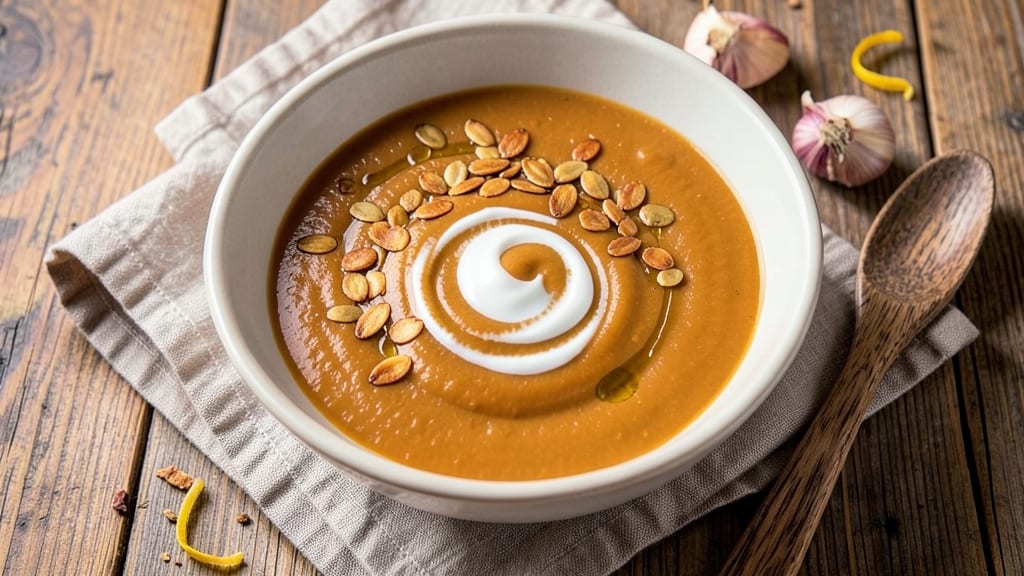
This Australian pumpkin soup recipe transforms humble squash into a velvety masterpiece that balances earthy sweetness with coconut's delicate richness. 🌟 The secret lies in roasting the pumpkin first—caramelizing its natural sugars while developing deep, nutty flavors that set it apart from basic versions.
This isn't just another soup; it's a comforting embrace for chilly evenings, where every spoonful delivers both texture and warmth.
The foundation begins with roasted kabocha or butternut squash, its edges crisped to perfection before blending into a silky base. Coconut milk replaces heavy cream, creating a lighter yet equally satisfying consistency that's perfect for those watching their dairy intake.
Australian spice blends—think cumin, coriander, and a touch of smoked paprika—elevate the flavor profile beyond ordinary pumpkin soups, giving it that distinct Down Under character.
What makes this recipe truly special is how it delivers on that promised creaminess without being overly rich. The roasted squash provides natural sweetness that balances the coconut's subtle sweetness, while a touch of ginger and garlic adds depth.
The result is a soup that's smooth, aromatic, and satisfyingly hearty—ideal for weeknight dinners or special occasions when you want something comforting yet sophisticated.
For an extra touch of Australian flair, finish with toasted pumpkin seeds and fresh coriander. This isn't just a soup; it's an experience that captures the essence of Australian home cooking—simple ingredients transformed into something extraordinary. Let's create this creamy masterpiece together.
Ingredients for australian pumpkin soup
Roasted squash, coconut milk, and aromatic spices create this velvety Australian-inspired masterpiece.
| Ingredient | Amount | Notes |
|---|---|---|
| Kabocha Squash or Butternut Squash 🎃 | 4 cups | Cubed, peeled, roasted until caramelized |
| Full-Fat Coconut Milk 🥥 | 1 ½ cups | Canned, unsweetened, for creaminess |
| Vegetable Stock 💧 | 2 cups | Homemade or low-sodium store-bought |
| Extra-Virgin Olive Oil 🫒 | 2 tbsp | For roasting squash |
| Fresh Ginger 🌿 | 1 tbsp | Grated, for aromatic depth |
| Garlic Cloves 🧄 | 3 cloves | Minced, for savory balance |
| Ground Cumin 🌶️ | ½ tsp | Toasted for earthy warmth |
| Ground Coriander 🌿 | ½ tsp | For citrusy brightness |
| Smoked Paprika 🌶️ | ¼ tsp | For Australian-inspired depth |
| Salt 🧂 | ½ tsp | Diamond Crystal preferred |
| Black Pepper 🌶️ | ¼ tsp | Freshly ground for finish |
| Pumpkin Seeds 🥜 | ¼ cup | Toasted, for garnish |
| Fresh Cilantro 🌿 | ¼ cup | Chopped, for fresh finish |
| Lemon Juice 🍋 | 1 tbsp | Freshly squeezed for brightness |
The squash is the heart of this recipe—kabocha delivers the deepest flavor, but butternut works beautifully too. Roast it until edges caramelize for that nutty sweetness the intro promises. Whole Foods or Trader Joe's often carry pre-cut kabocha, saving you chopping time. If using butternut, peel and cube it yourself for even roasting. The coconut milk should be full-fat for proper creaminess—Thai Kitchen brand is my go-to for its rich texture without coconut flavor dominating. Toast your spices lightly in a dry pan before adding to the soup; this enhances their aromatic profiles significantly.
No kabocha? Sweet potato works in a pinch, though flavor will differ slightly. Short on coconut milk? Cashew cream (blend soaked cashews with water) provides a neutral, creamy alternative. Fresh ginger and garlic are non-negotiable for depth, but if you're using dried ginger, reduce to one-third the amount. The smoked paprika is what gives this soup its Australian character—Penzeys carries excellent smoked varieties. For the garnish, toast your pumpkin seeds in a dry skillet until golden; this adds crunch and visual appeal. Need to skip cilantro? Fresh parsley works equally well for the final touch.
This soup tastes even better the next day as flavors meld—store leftovers in an airtight container for up to 5 days in the fridge. For freezing, portion into 1-cup containers with a thin layer of coconut milk on top to prevent skin formation. Thaw overnight in the fridge before reheating gently. The roasted squash can be prepped ahead and refrigerated for 3 days before roasting. Garnishes like toasted seeds and fresh herbs should always be added fresh post-reheating to maintain their vibrant qualities.
Why You'll Love This Recipe
- No-Fuss Roast Prep: I swear by roasting the squash first—it caramelizes the edges while keeping the center silky. Cut it into chunks, toss with olive oil and salt, then bake at 200°C until tender. Honestly, the oven does all the work while I sip tea.
- Creamy Ginger Zing: That fresh ginger? It’s the star. A couple of grated knobs simmered into the coconut milk creates this bright, spicy-sweet depth that cuts through the richness. Between us, it’s the kind of flavor that makes you pause mid-sip.
- Weeknight to Dinner Party: Same soup, endless uses. Serve it as-is with crusty bread for a laid-back night, or swirl in chili flakes and toasted coconut for a showstopper. My partner’s coworkers asked for the recipe twice—no exaggeration.
- Leftovers That Don’t Suck: This soup actually improves overnight. The flavors meld, and the texture gets even smoother. I make a double batch on Sundays, freeze half, and still crave it three days later. Budget win, too—kabocha’s cheaper than you’d think.
Step-by-step instructions for Australian-inspired roasted squash soup
Here's how to transform simple ingredients into a velvety, spiced soup with depth and character.
🔥 Step 1: Roast the Squash Until Caramelized
Preheat your oven to 400°F and line a baking sheet with parchment paper. Toss the 4 cups kabocha or butternut squash (cubed) with 2 tablespoons extra-virgin olive oil, 0.25 teaspoon smoked paprika, 0.25 teaspoon black pepper, and 0.25 teaspoon salt. Spread in a single layer and roast for 25-30 minutes until edges are deep golden brown and the squash yields slightly when pierced with a knife.
This roasting step develops the soup's natural sweetness and creates caramelized edges that add complexity. Don't skip this—it's what transforms ordinary squash into extraordinary soup. If your oven runs hot, check at the 20-minute mark to prevent burning.
🍳 Step 2: Sauté Aromatics for Flavor Foundation
While the squash roasts, heat 1 tablespoon extra-virgin olive oil in a large pot over medium heat. Add the 3 minced garlic cloves and 1 tablespoon grated fresh ginger, cooking for 1-2 minutes until fragrant but not browned. Add 0.5 teaspoon ground cumin and 0.5 teaspoon ground coriander, stirring for 30 seconds to toast the spices and release their aromas.
Here's where the Australian-inspired spices come into play—the cumin adds earthy warmth while coriander brings citrusy brightness. Don't walk away; spices burn quickly. You'll know it's ready when the spices are sizzling gently and the oil is shimmering around the edges.
🥘 Step 3: Build the Creamy Base
Add the roasted squash to the pot along with 2 cups vegetable stock. Bring to a gentle simmer over medium-low heat and cook for 10-12 minutes until the squash is completely tender and the mixture has reduced slightly. Stir in the 1.5 cups full-fat coconut milk and 1 tablespoon freshly squeezed lemon juice, simmering for another 5 minutes until just heated through.
The coconut milk should create a luxurious, velvety texture while the lemon juice brightens the dish. If the soup looks too thick, add 1-2 tablespoons water to reach your desired consistency. Taste and adjust seasoning with additional salt or black pepper as needed—this is where you fine-tune the balance of flavors.
🔪 Step 4: Finish and Garnish Professionally
Using an immersion blender, blend the soup directly in the pot until completely smooth. For a silky texture, strain through a fine-mesh sieve if desired. Return to the pot and keep warm over low heat. Toast the 0.25 cup pumpkin seeds in a dry skillet over medium heat for 2-3 minutes until golden and fragrant, then chop roughly.
Ladle the soup into bowls and garnish with the toasted pumpkin seeds and 0.25 cup chopped fresh cilantro. The seeds add crunch and nutritional value while the cilantro provides a fresh contrast to the rich soup. Serve immediately with crusty bread or warm dinner rolls to soak up every last drop of that creamy coconut goodness.
Pro Tips For Making Australian Pumpkin Soup
- CHAR THE GINGER FIRST: Toss the peeled ginger into a dry pan and toast it over medium heat for 30 seconds until fragrant—just until you smell that sharp, citrusy punch. This brings out its flavor way better than raw ginger ever will, and it won’t overpower the coconut milk like you might fear. (Yes, even if you’re impatient like me, resist the urge to rush this.)
- PEEL THE SQUASH AFTER COOKING: Skip peeling raw kabocha or butternut—it’s a hassle, and you’ll lose good flavor. Roast or boil the squash whole (cut into chunks), then peel it after cooking while it’s still warm. The skin slides off effortlessly, and you’ll save 10 minutes of scrubbing. (I learned this the hard way with a butternut that turned into a peeling nightmare.)
- SIMMER, DON’T BOIL: Once the squash is tender, lower the heat to a gentle simmer when blending with coconut milk and stock. Boiling can turn the soup grainy and break down the coconut’s creaminess faster. A steady simmer keeps it silky—just enough to hear tiny bubbles, not a rolling boil. (Your future self will notice the difference.)
- ADD COCONUT MILK LAST: Stir the full-fat coconut milk into the soup off the heat just before serving—this prevents curdling from the heat. If you add it early, the soup can split, especially if you’re using a high-heat method. (I was skeptical until I tried it, and now I never go back.)
Regional styles of this dish
Northern Australian Style
In the tropical north, this soup takes on a lighter, more refreshing character using kabocha squash and coconut milk as staples. The heat brings out natural sweetness, so local cooks often add lemongrass (1 stalk, bruised) and kaffir lime leaves (2 leaves, torn) to the aromatics.
Serve with crispy shallot garnishes—sauté 2 tbsp sliced shallots in 1 tbsp butter until golden—for a touch of French-Australian fusion. 🥥
Southern Australian Twist
Down south, where winters are colder, this soup becomes heartier with butternut squash and a splash of white wine (½ cup dry Riesling) deglazed from the pot after roasting. Add crispy pancetta (2 oz, diced) to the aromatics for a rich, umami depth.
The smoked paprika is replaced with fennel pollen (½ tsp) for a subtle licorice note that pairs beautifully with local cheeses like Tasmanian wedge.
Outback Adaptation
For a true bushland-inspired version, swap coconut milk for cashew cream (blend 1 cup soaked cashews with 1 cup water) and use wattleseed (½ tsp, toasted) instead of coriander. The wattleseed adds a nutty, coffee-like depth that's uniquely Australian.
Garnish with toasted macadamia nuts (¼ cup, chopped) for crunch and a taste of the Outback. This version holds up beautifully for camping trips—just reheat gently over a camp stove. 🌿
Coastal Queensland Version
Queensland's coastal regions love this soup with a seafood twist. Stir in 1 cup smoked mussels (discarded shells) during the simmer for briny depth, or top with crispy fried prawns (4 large, sliced) just before serving.
The warm climate calls for fresh lime zest (1 tsp) instead of lemon juice, and a sprinkle of chili flakes to balance the richness. Serve with garlic bread made with Vegemite butter (mix 2 tbsp Vegemite with ¼ cup softened butter) for that quintessential Aussie touch.
Melbourne Winter Classic
Melbourne's chilly winters make this soup a café staple. The city's Italian-Australian fusion shines here: add 1 cup diced pancetta (cooked until crispy) and ½ cup grated Parmesan (added at the end). The smoked paprika is enhanced with 1 tsp fennel seeds (toasted) for an Italian-inspired warmth.
Top with crispy sage leaves (6 leaves, fried in butter) and a drizzle of aged balsamic glaze (1 tbsp) for a sophisticated finish that's perfect for cold evenings. 🍷
Nutrition facts
Frequently asked questions
Can I substitute butternut squash for kabocha?
Both work beautifully, though kabocha delivers deeper flavor and creamier texture. Butternut is more widely available and slightly sweeter—just roast it 5 minutes longer to ensure full tenderness. For best results, peel butternut before cubing to remove the tough skin.
How do I make this soup dairy-free?
Swap the full-fat coconut milk for cashew cream (blend 1 cup soaked cashews with 1 cup water) or extra vegetable stock. For richness, add 1 tablespoon nutritional yeast to mimic cheesy flavor. The soup will still be creamy but with a neutral base that lets the spices shine.
Why does my soup taste bland after blending?
This usually happens when spices aren't toasted properly or seasoning is added too late. Always toast spices in oil for 30 seconds before adding liquid, and taste before serving—adjust with salt, black pepper, or extra smoked paprika. The roasted squash should carry natural sweetness, so if it's missing, roast 5 minutes longer next time.
Can I make this soup ahead of time?
Yes! Store in an airtight container in the fridge for up to 5 days. Reheat gently on low heat with a splash of water to restore creaminess. For freezing, portion into 1-cup containers with a thin layer of coconut milk on top to prevent skin formation. Thaw overnight in the fridge before reheating.
What's the best way to serve this soup?
Pair with crusty sourdough or warm dinner rolls to soak up the creamy coconut goodness. For extra flair, serve with crispy fried shallots or a drizzle of chili oil (mix 1 tbsp oil with ½ tsp chili flakes). The Australian twist works perfectly with local cheeses like Tasmanian wedge or a sprinkle of feta for contrast.