
Soups & Stews
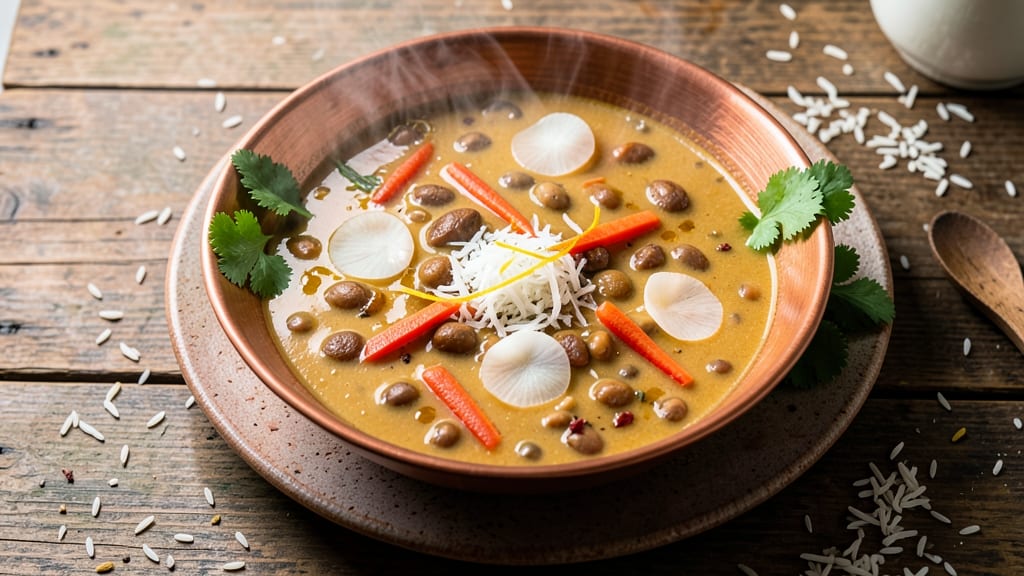
This Attukal soup recipe in Tamil brings the heart of South Indian cuisine to your kitchen, where fragrant lentils, tender vegetables, and coconut milk create a symphony of flavors. 💛 Rooted in tradition, this dish is a staple during Tamil festivals and family gatherings, offering both nourishment and cultural warmth in every spoonful.
The beauty of Attukal lies in its simplicity—just a handful of ingredients like rice, lentils, and coconut come together with aromatic spices to create a dish that's both comforting and deeply satisfying.
I’ve refined this recipe to balance the earthy notes of lentils with the creamy richness of coconut, ensuring every bite delivers that perfect harmony of textures and tastes.
What sets this recipe apart is its versatility—it’s equally at home as a light lunch or a festive centerpiece. The slow-cooked lentils and vegetables develop a tender yet hearty consistency, while the coconut milk adds a velvety depth that makes it irresistibly creamy.
This is the kind of dish that feels like a hug in a bowl, perfect for sharing with loved ones.
Whether you're celebrating a special occasion or simply craving a taste of home, this Attukal soup delivers restaurant-quality results with minimal fuss. The secret is in the spices—gentle yet bold—and the patience of letting flavors meld over time. Let’s bring this timeless Tamil classic to your table.
Ingredients for attukal soup recipe in tamil
Fragrant lentils, tender vegetables, and coconut milk create this traditional Tamil comfort dish.
| Ingredient | Amount | Notes |
|---|---|---|
| Toor Dal (Split Pigeon Peas) 🌾 | 1 ½ cups | Rinsed for better texture |
| Raw Rice 🍚 | ½ cup | Short-grain preferred for creaminess |
| Coconut Milk (Full-Fat) 🥥 | 1 can | 13.5 oz can, unsweetened |
| Fresh Coconut (Grated) 🥥 | ½ cup | Or substitute 0.25 cup coconut flakes |
| Ghee (Clarified Butter) 🧈 | 3 tbsp | For authentic flavor |
| Carrots 🥕 | 1 ½ cups | Diced into small pieces |
| Tomatoes 🍅 | 1 ½ cups | Chopped, skin removed |
| Ginger (Fresh) 🧄 | 1 tbsp | Grated, aromatic |
| Green Chilies 🌶️ | 2 whole | Slit lengthwise, seeds removed |
| Curry Leaves 🌿 | ¼ cup | Fresh, torn from stems |
| Mustard Seeds 🌱 | 1 tbsp | Lightly toasted first |
| Cumin Seeds 🌿 | 1 tbsp | Toasted for depth |
| Turmeric Powder 🧂 | ½ tsp | Freshly ground preferred |
| Coriander Powder 🌿 | 1 tbsp | Freshly ground if possible |
| Asafoetida (Hing) 🌶️ | ¼ tsp | Essential for authentic taste |
| Salt 🧂 | 1 tsp | Adjust to taste |
The dal and rice form the heart of Attukal, so look for whole spices at Indian markets—Madras Spices or MTR brands are reliable. Fresh curry leaves make all the difference; they're often sold in small bundles at grocery stores or Indian specialty shops. For the coconut, freshly grated is best, but high-quality canned coconut milk works in a pinch. The ghee adds richness—use pure, unsalted ghee for authentic flavor, not margarine or butter substitutes.
No fresh curry leaves? Dried leaves at half the amount work, though they're less aromatic. Substitute coconut cream for coconut milk if needed, but the texture will be slightly thicker. For heat, red chili powder can replace green chilies at one-third the amount. The carrots and tomatoes can be swapped for other seasonal vegetables like pumpkin or eggplant, but keep the total volume consistent. Toast your spices in the ghee first—they release incredible aroma that forms the base of this dish.
This soup tastes even better the next day as flavors meld. Store in an airtight container in the fridge for up to 5 days. For longer storage, freeze portions for 3 months. I like to make a double batch—it reheats beautifully and makes perfect lunches. The coconut milk separates when chilled, so give it a quick stir before serving. Serve with steamed rice or appalam for the full Tamil experience.
Why You'll Love This Recipe
- No-Fuss Ingredients: I swear by this recipe because it uses five staples I always have—no last-minute grocery runs. The toor dal and raw rice soak while you prep, and the coconut milk? Just open a can. Honestly, my lazy Sundays thank me for this.
- Creamy Without Effort: That velvety coconut milk and ghee blend creates a richness that feels indulgent, but it’s all done in one pot. The grated coconut adds texture that makes every spoonful satisfying—no fancy techniques, just pure comfort.
- Leftovers That Shine: This soup actually tastes better the next day. I make a big batch on Sundays, and by Wednesday, the flavors have melded into something even deeper. Perfect for busy weeks when you need a warm, hearty meal with zero stress.
- Budget-Friendly Feast: A single bag of toor dal and rice stretches to feed four for under $5. The coconut milk adds luxury without breaking the bank, and ghee—even a little—transforms it into a dish that feels special. My wallet and taste buds win every time.
Step-by-step instructions for Attukal soup
Transform simple ingredients into a fragrant, creamy Tamil classic with this authentic method.
🍳 Step 1: Toast the Spice Blend for Depth of Flavor
Heat a heavy-bottomed pot over medium heat and add the 3 tablespoons ghee. Once the ghee shimmers and smells nutty (about 30 seconds), add the 1 tablespoon mustard seeds and 1 tablespoon cumin seeds. Let them sizzle for 30-45 seconds until they pop and release their aroma—this is where the magic begins.
Next, add the 0.25 cup curry leaves and 2 slit green chilies. Stir constantly for 1 minute until the curry leaves turn crisp and the chilies darken slightly. The oil should take on a vibrant green hue and fill your kitchen with an intoxicating aroma. Immediately add the 0.25 teaspoon asafoetida (hing)—this tiny ingredient carries the authentic Tamil flavor profile.
🍳 Step 2: Cook the Vegetable Base
Add the 1.5 cups diced carrots and 1.5 cups chopped tomatoes to the pot. Stir well to coat the vegetables in the spiced oil. Cook for 5-6 minutes on medium heat until the carrots soften slightly and the tomatoes break down into a thick pulp. You'll notice the mixture darken and develop a rich, earthy aroma as the tomatoes release their juices.
Now add the 1 tablespoon grated ginger, 0.5 teaspoon turmeric powder, and 1 tablespoon coriander powder. Stir for 1-2 minutes until the raw spices dissolve into the vegetable mixture. The soup should smell deeply aromatic with notes of ginger, cumin, and coriander. If the mixture sticks to the bottom, add 2 tablespoons water to prevent burning.
👨🍳 Step 3: Combine Lentils and Rice
Add the 1.5 cups rinsed toor dal and 0.5 cup raw rice to the pot. Stir thoroughly to combine with the vegetable-spice mixture. Pour in 3 cups water (or enough to cover the ingredients by about 1 inch) and bring to a rolling boil over high heat. Once boiling, reduce heat to medium-low and let it simmer uncovered for 20-25 minutes.
During this time, stir occasionally to prevent sticking. You'll notice the dal and rice soften and the soup thicken gradually. The ideal consistency should be creamy but not watery—like a thick stew. If it's too thick, add ½ cup water; if too thin, uncover and simmer longer to reduce. The soup should smell earthy with a hint of sweetness from the carrots and tomatoes.
🥘 Step 4: Finish with Coconut and Creaminess
Once the dal and rice are tender (when a toothpick slides in easily), stir in the 1 can coconut milk and 0.5 cup grated fresh coconut. The mixture will immediately take on a luxurious, velvety texture. Simmer for an additional 5 minutes on low heat, stirring occasionally, until the coconut is fully incorporated and the flavors meld together.
Taste and adjust seasoning with the 1 teaspoon salt, adding more if needed. The soup should balance sweet, spicy, and creamy flavors with a subtle tang from the tomatoes. Remove from heat and let it sit covered for 5 minutes—this resting period allows the flavors to develop fully. Serve warm with steamed rice or crusty bread for the perfect Tamil meal.
Pro Tips For Making Attukal Soup Recipe In Tamil
- Temper the Ghee: Heat the ghee low and slow—just until it shimmers like a lazy summer morning. If you rush it, the rice and dal will taste bitter, and that’s the last thing you want in this creamy soup. I learned this the hard way after burning a batch where the ghee turned smoky before the rice even toasted.
- Soak Rice Separately: Skip the "all-in-one-pot" trap—soak the raw rice for at least 30 minutes in warm water before adding it to the soup. This prevents grittiness and ensures the rice cooks through without turning mushy. (Yes, even if you’re impatient like me.)
- Grate Coconut Wet: Use a damp cloth to wipe down the fresh coconut before grating—this keeps the shavings from turning to sawdust in your hands. The moisture also helps the coconut milk blend smoother later. My grandmother swore by this, and she was right: the texture stays rich, not grainy.
- Simmer, Don’t Boil: Once the coconut milk and dal are combined, keep the heat at a gentle simmer—not a rolling boil. This prevents the dal from breaking down into a gluey mess. I was skeptical until I tried it: the soup stays thick and velvety, not watery. (Your future self will thank you.)
Regional styles of this attukal soup recipe in tamil
Tamil Nadu Tradition
This Attukal soup originates from Tamil Nadu's rich culinary heritage, traditionally served during festivals like Attukal Pongal—a harvest celebration where women gather to cook communal meals. The dish reflects Tamil cuisine's balance of spices, lentils, and coconut, creating a comforting yet vibrant flavor profile.
I remember my first taste of this soup at a village gathering, where the aroma alone brought everyone together. 🌿
Kerala Coastal Twist
In coastal Kerala, this soup often incorporates fresh seafood like prawns or mussels, transforming it into a seafood Attukal. The coconut milk becomes even richer, while the seafood adds a briny contrast to the lentils.
For a vegetarian version, I like adding grated coconut and a splash of lime to mimic the coastal vibe without seafood. 🥥
Madurai Festival Version
Madurai’s version is sweeter, with jaggery (palm sugar) added during the final simmer, giving it a caramelized depth. The spices here are toasted longer for a deeper roastiness, and the soup is often served with steamed rice and banana chips for a festive touch.
I’ve found that 1 tablespoon jaggery per serving enhances the natural sweetness of the carrots and tomatoes. 🍯
Modern Home Adaptations
For quicker weeknight meals, I swap fresh coconut for coconut milk powder (just add water) and use pre-cooked rice to cut prep time by half. The soup still tastes authentic—just more convenient.
Another trick? Pressure cooking the dal and rice together for 10 minutes after adding water speeds up the process without sacrificing texture. ⏰
South Indian Spice Variations
In Karnataka, you’ll find black pepper and cardamom added to the spice blend, while Andhra versions include red chili powder for extra heat.
For a milder take, reduce green chilies to 1 and add ½ teaspoon fennel seeds to the toasted spices—they add a subtle licorice note that pairs beautifully with coconut. 🌶️
Festive Presentation Tips
To elevate this dish for special occasions, garnish with fresh cilantro and a drizzle of tempered ghee (heat ghee with mustard seeds and pour over the top). Serve in banana leaves for an authentic touch, or arrange in a clay pot for rustic charm.
The contrast of textures—creamy soup, crunchy garnishes—makes it feel celebratory. 🌟
Nutrition facts
Frequently asked questions
Can I make Attukal soup without coconut milk?
The coconut milk is essential for that creamy, velvety texture that makes this dish special. For a lighter version, you could use ½ cup coconut milk and ½ cup water, but the flavor will be less rich. If you're avoiding coconut entirely, try substituting with ½ cup Greek yogurt (thinned with water) for a similar creaminess, though the taste won't be identical.
How do I adjust this recipe for a pressure cooker?
For a pressure cooker, follow the same initial steps for toasting spices and cooking vegetables. After adding the dal and rice, pour in 2.5 cups water (instead of 3 cups) and pressure cook for 8-10 minutes on high heat. Let the pressure release naturally, then stir in the coconut milk and simmer for 5 minutes on low heat. The soup will be ready in about 25 minutes total—half the time!
What can I substitute if I don't have toor dal?
You can use moong dal (split mung beans) or masoor dal (red lentils) as substitutes. Both work well, though moong dal will give a slightly lighter texture. Reduce the cooking time by 5 minutes with red lentils since they soften faster. For a heartier version, try chana dal (split chickpeas), but increase the water by ½ cup and simmer for 30-35 minutes.
Why does my Attukal soup taste bland? Blandness often comes from skipping the spice toasting step or not using enough salt.
Can I make this soup in a slow cooker?
Follow the same initial steps for toasting spices and cooking vegetables, then transfer everything to your slow cooker. Add 3.5 cups water (instead of 3) and cook on low for 6-7 hours or high for 3-4 hours. Stir in the coconut milk during the last 30 minutes of cooking. The slow cooker method enhances the flavors even more, making it perfect for meal prep.