
Soups & Stews
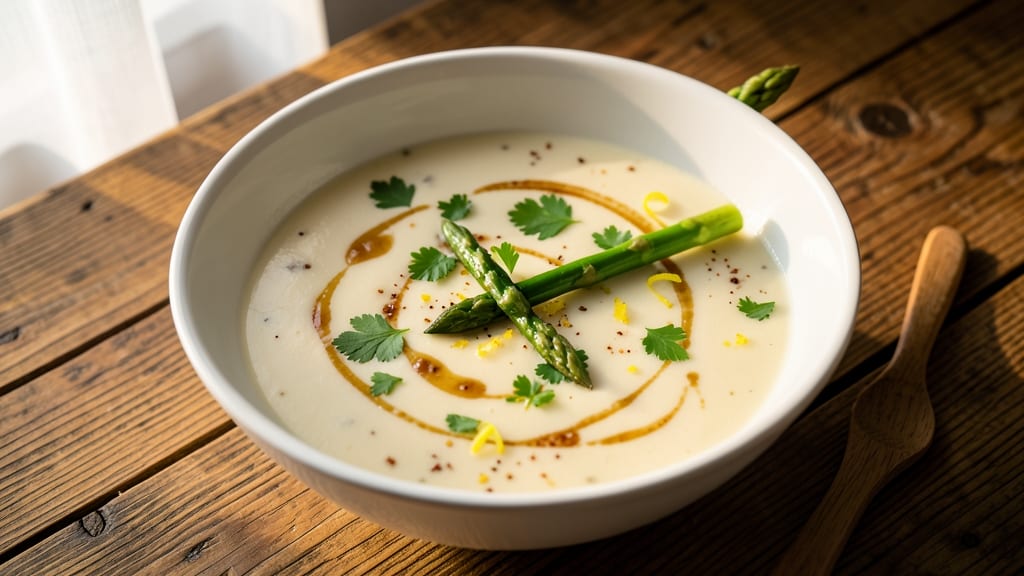
This low-fat asparagus soup delivers all the earthy, vibrant flavors of spring without the heaviness—perfect for lighter meals that still satisfy. The secret lies in using low-fat broth and skim milk while maximizing fresh asparagus and aromatic herbs to create depth.
I’ve perfected this recipe to balance nutrition and flavor, so you get a velvety, restaurant-quality soup that’s actually good for you.
What sets this recipe apart is the technique: sautéing onions and garlic until fragrant (not browned) to build flavor without fat, then simmering with fresh asparagus until tender. The soup blends smoothly for a silky texture, and a touch of lemon brightens the dish without adding calories.
It’s the kind of soup that feels indulgent but aligns with healthier eating goals.
By the time you’re done, you’ll have a light yet rich soup with a vibrant green hue and a depth of flavor that comes from fresh ingredients, not cream. The asparagus shines as the star, while herbs and a hint of lemon keep it bright and refreshing.
Serve it as a starter or a light main course—it’s versatile enough for any meal.
For extra richness without fat, stir in a splash of skim milk or a sprinkle of nutritional yeast at the end. Garnish with fresh herbs or a drizzle of olive oil for a touch of elegance.
This soup proves that healthy eating doesn’t mean sacrificing taste—just smart techniques and quality ingredients.
Ingredients for asparagus soup recipe low fat
Fresh asparagus, aromatic herbs, and light dairy create a vibrant, low-fat spring soup.
| Ingredient | Amount | Notes |
|---|---|---|
| Fresh Asparagus 🌱 | 1 lb | Trimmed, tough ends removed |
| Yellow Onion 🧅 | 1 whole | Diced, about 1 cup |
| Garlic Cloves 🧄 | 3 cloves | Minced, aromatic not browned |
| Low-Fat Chicken Broth 💧 | 4 cups | Homemade or quality low-sodium |
| Skim Milk 🥛 | ½ cup | For creaminess without fat |
| Fresh Parsley 🌿 | ¼ cup | Chopped, for freshness |
| Fresh Dill 🌿 | ¼ cup | Chopped, earthy flavor |
| Lemon Juice 🍋 | 1 tbsp | Freshly squeezed, brightens flavor |
| Extra-Virgin Olive Oil 🫒 | 1 tbsp | For sautéing, high quality |
| Salt 🧂 | ½ tsp | Kosher or sea salt |
| Black Pepper 🌶️ | ¼ tsp | Freshly ground, enhances depth |
| Nutritional Yeast 🧀 | 1 tbsp | Optional, for cheesy flavor |
| Fresh Chives 🌿 | 2 tbsp | Chopped, for garnish |
The asparagus is the star—farmers market spears have the best flavor, but grocery store asparagus works too. Look for bright green stalks with tight tips. Trim the tough ends (about an inch) before using. Fresh herbs like parsley and dill elevate the soup, so buy them in small bunches and use them within a week. For the broth, homemade low-sodium is ideal, but quality store-bought brands like Pacific Foods or Imagine work well too. The key is balancing earthy asparagus with bright lemon and fresh herbs—don't skip either.
No fresh dill? Substitute with 1 tbsp dried dill, but fresh has a brighter flavor. Out of nutritional yeast? Skip it or use a pinch of Parmesan cheese—just know it won't be vegan. The olive oil matters here—extra-virgin adds depth without overpowering. If you're watching calories even closer, reduce the olive oil to 1 teaspoon and increase the broth by 2 tablespoons. For extra richness without fat, stir in a splash of unsweetened almond milk at the end. The soup tastes even better the next day once flavors meld.
Store leftovers in an airtight container in the fridge for up to 4 days. The texture holds well, though it may thicken slightly—just stir in a splash of broth or water to loosen. Freezes beautifully for 3 months; thaw in the fridge overnight. For meal prep, double the recipe and freeze half. Reheat gently on the stove with a splash of broth to restore creaminess. Garnish with fresh herbs or a drizzle of olive oil just before serving to keep it vibrant.
Why You'll Love This Recipe
- 20-Minute Sauté: I swear, the onion and garlic caramelize in one pan while the asparagus wilts—no fancy techniques, just a sharp knife and 10 minutes of hands-off time. The broth comes to a simmer faster than you can say "low-fat," and honestly? That’s the kind of soup that makes me feel like I’ve earned my evening.
- Silky Smooth Magic: Between us, skim milk might sound boring, but blended with roasted asparagus, it turns into this velvety, almost buttery texture—like a hug in a bowl. The garlic lingers just enough to make it feel gourmet, without tasting like you’re eating a restaurant’s leftovers.
- Lunchbox Hero: This soup reheats like a dream—perfect for packing the night before. I’ve sent it to work in a thermos, served it at potlucks, and even used it to fill wraps when I’m too tired to plate anything. (Yes, even on a Tuesday night.)
- Budget-Friendly Luxury: Fresh asparagus might seem fancy, but a bunch stretches farther than you’d think when you’re working with broth and milk. I’ve made this for under $3 a serving, and it still feels like I’m treating myself. Leftovers? They disappear just as fast as the first batch.
Step-by-step instructions for asparagus low-fat soup
Transform simple ingredients into a velvety, herb-infused soup that delivers restaurant-quality depth without excess calories.
Prep and Sauté the Aromatics
Trim the tough ends from the 1 lb fresh asparagus and cut the stalks into ½-inch pieces, reserving the tender tips for garnish. In a large pot over medium heat, add the 1 tablespoon extra-virgin olive oil and the 1 whole yellow onion (diced). Sauté for 5-6 minutes until the onion softens and becomes translucent, stirring occasionally to prevent browning.
Add the 3 cloves garlic cloves (minced) and cook for another 30 seconds until fragrant—this ensures the garlic infuses the soup without becoming bitter. Here's the thing: if you let the garlic brown, it'll overpower the delicate asparagus flavor. Keep the heat at medium and stir constantly to maintain that aromatic sweetness.
Build the Asparagus Base
Add the asparagus stalks to the pot and stir to coat in the oil. Pour in the 4 cups low-fat chicken broth and bring to a gentle boil. Reduce heat to medium-low and let it simmer uncovered for 10-12 minutes, until the asparagus is fork-tender and the liquid reduces slightly. You'll know it's ready when the asparagus pieces collapse easily under gentle pressure.
This simmering time is critical—it develops the asparagus flavor without overcooking it into mush. If the soup reduces too quickly, add ½ cup water to maintain the proper consistency. The goal is a thick, velvety texture that still coats the back of a spoon.
Blend and Finish the Soup
Using an immersion blender, carefully blend the soup directly in the pot until completely smooth. If you prefer a chunkier texture, reserve ½ cup of the soup before blending and stir it back in at the end. The 0.5 cup skim milk and 1 tablespoon nutritional yeast (if using) go in next—stirring constantly to prevent curdling from the heat.
Return the soup to a gentle simmer for 3-4 minutes to integrate all the flavors. Taste and adjust seasoning with the 0.5 teaspoon salt and 0.25 teaspoon black pepper. The nutritional yeast adds a subtle cheesy depth without the fat, while the skim milk creates that luxurious mouthfeel without heaviness.
Brighten and Garnish
Remove the pot from heat and stir in the 1 tablespoon lemon juice, 0.25 cup fresh parsley, and 0.25 cup fresh dill. The acidity from the lemon juice brightens the earthy asparagus flavor, while the herbs add freshness. Let the soup sit for 5 minutes to allow the flavors to meld—this resting period makes a noticeable difference in the final taste.
Ladle the soup into bowls and garnish with the reserved asparagus tips and 2 tablespoons fresh chives. Serve immediately while warm, as the flavors continue to develop even after serving. Each spoonful should deliver a perfect balance of asparagus sweetness, herbal complexity, and creamy texture without the guilt.
Pro Tips For Making Asparagus Soup Recipe Low Fat
- Blanch Asparagus First: Toss whole asparagus spears in boiling water for 2 minutes before chopping—this softens them faster and keeps them from turning to mush when blended. I learned this the hard way after pureeing raw stalks into a gluey mess.
- Sweat Onions Low and Slow: Cook onions over medium-low heat until they’re translucent but not browned—this prevents bitterness and makes the base taste sweeter. High heat burns them before they soften, and you’ll taste it in every spoonful.
- Strain Before Blending: After simmering broth and onions, strain out solids through a fine-mesh sieve before adding milk—this keeps the soup silky instead of grainy. Yes, it’s an extra step, but your future self will notice the difference.
- Warm Milk First: Heat skim milk to room temperature before adding it to the hot broth—this prevents curdling and keeps the texture smooth. Cold milk dumped into boiling liquid is a fast track to lumpy soup.
Serving suggestions for asparagus soup recipe low fat
Bread Pairings
Serve this light soup with crusty whole-grain bread—I love a sourdough baguette from my local bakery—because its hearty texture contrasts beautifully with the silky soup. The crust soaks up every last drop without overpowering the delicate asparagus flavor.
For a lighter option, toast whole-wheat pita bread and brush it with olive oil before serving. 🥖
Protein Additions
Boost the meal with grilled chicken breast or smoked salmon on the side. I often add 3-4 ounces of poached shrimp (just cook for 2-3 minutes in simmering water) for a pop of color and protein.
For a vegetarian option, stir in ½ cup cooked quinoa or top with white beans for extra heartiness.
Cheese Enhancements
Skip the heavy cream but still add richness with fresh goat cheese—crumble 2 tablespoons on top for a tangy contrast. Or melt 1 ounce of reduced-fat feta into the soup during the final 3 minutes of simmering. Both options keep the dish light while adding depth. 🧀
Seasonal Garnishes
Brighten the bowl with toasted pumpkin seeds in spring or crispy fried shallots in fall. For a touch of luxury, drizzle with high-quality olive oil and finish with microgreens or edible flowers. Even a sprinkle of crushed red pepper flakes adds warmth without calories. 🌿
Meal Pairings
This soup makes a perfect starter before grilled steak or baked salmon, but it also works as a light main course with a simple green salad. I often serve it with roasted asparagus on the side to double down on that spring vegetable flavor.
For a full meal, add a side of steamed broccoli or roasted Brussels sprouts.
Dietary Adaptations
For a vegan version, replace the skim milk with unsweetened almond milk and skip the nutritional yeast or use 1 teaspoon turmeric for color. If you're gluten-free, serve with corn tortilla strips or gluten-free crackers. The soup's natural flavors shine in any adaptation. 🌱
Nutrition facts
Frequently asked questions
Can I use frozen asparagus instead of fresh?
You can, but fresh asparagus gives the best flavor and texture. If using frozen, thaw it completely first and drain any excess liquid. The soup will still taste good, but fresh asparagus has more vibrant flavor and a firmer bite. For best results, stick with fresh when possible.
How can I make this soup even lighter?
Skip the olive oil entirely and use a nonstick pot—just 1 teaspoon of cooking spray works. Replace the skim milk with ½ cup unsweetened almond milk or ¼ cup white wine for extra lightness. The soup will still be creamy but with fewer calories.
Why does my soup taste bland?
Blandness usually comes from under-seasoning or over-blending. First, make sure you're using low-sodium broth—add extra salt to taste. Second, don't over-blend—leave some texture. Finally, stir in the lemon juice and herbs at the end for brightness. A pinch of white pepper also adds depth without overpowering.
Can I make this soup ahead of time?
Make it up to 2 days ahead and store in an airtight container in the fridge. The flavors actually improve overnight. Reheat gently on the stove with a splash of broth or water to restore creaminess. For freezing, cool completely first, then freeze for up to 3 months. Thaw in the fridge before reheating.
What's the best way to reheat leftovers?
Reheat on the stove over low-medium heat with a splash of broth or water to prevent it from getting too thick. Stir constantly and add more liquid as needed. Microwaving works too—just heat in 30-second intervals, stirring between each, until warmed through. The soup should be smooth and creamy, not grainy.