
Soups & Stews
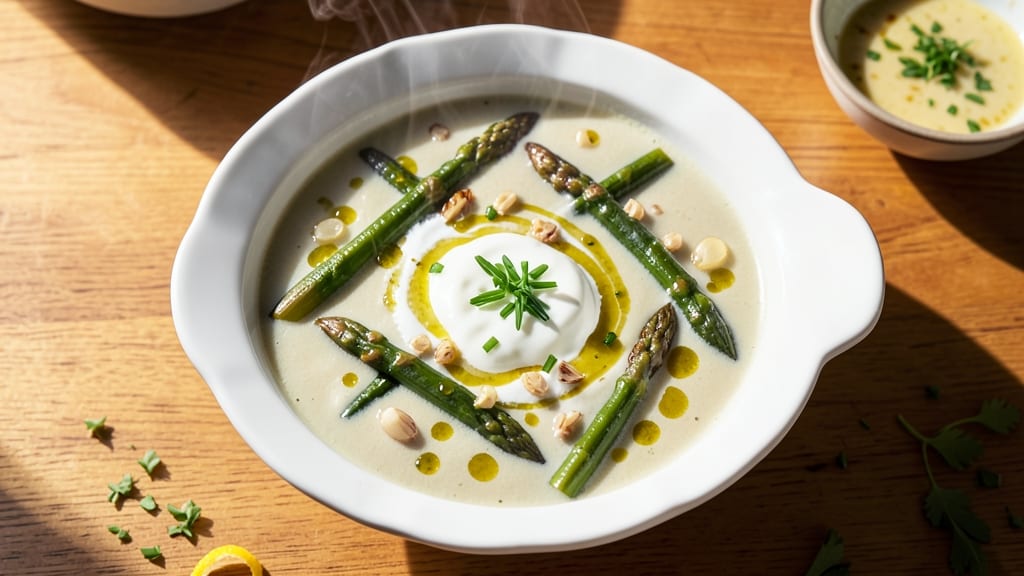
This asparagus ends soup recipe transforms something most people toss into a rich, velvety soup packed with umami depth and zero waste. The secret lies in those crisp, flavorful ends—often discarded—simmered into a silky broth that’s both comforting and elegant. I first discovered this technique while looking for ways to reduce food waste, and it quickly became a staple in my kitchen.
The magic happens through careful sautéing of shallots and garlic, then simmering the asparagus ends until they release their natural sweetness into the broth. A splash of white wine brightens the flavors, while a touch of cream or coconut milk adds luxurious body without overpowering the vegetable’s natural taste.
The result? A soup that’s hearty enough for a main course but light enough for any meal.
What makes this recipe special is its versatility—it works as a starter or a satisfying solo dish, especially when paired with crusty bread or a simple salad. The texture is smooth yet vibrant, with just enough asparagus flecks for visual appeal and a hint of garlic’s warmth in every spoonful.
Perfect for spring or summer, it’s the kind of soup that feels both refined and effortless.
Ready in about 45 minutes, this soup requires minimal prep but delivers maximum flavor. The key is patience during simmering—letting the asparagus ends break down gradually ensures a broth that’s rich, not bitter.
Garnish with fresh herbs or a drizzle of olive oil for the final touch, and you’ll have a dish that’s as impressive as it is sustainable.
Ingredients for asparagus ends soup
Twelve simple ingredients transform discarded asparagus ends into a velvety, umami-rich vegetarian soup.
| Ingredient | Amount | Notes |
|---|---|---|
| Asparagus Ends 🌱 | 2 cups | Trimmed, tough ends only |
| Shallots 🧅 | 1 whole | Minced, about 2 tbsp |
| Garlic Cloves 🧄 | 3 cloves | Minced, fresh preferred |
| Vegetable Stock 💧 | 4 cups | Low-sodium preferred |
| Dry White Wine 🍷 | ¼ cup | Sauvignon Blanc or Pinot Grigio |
| Heavy Cream 🥛 | ½ cup | Full-fat for richness |
| Extra-Virgin Olive Oil 🫒 | 2 tbsp | For sautéing |
| Lemon Juice 🍋 | 1 tbsp | Freshly squeezed |
| Salt 🧂 | 1 tsp | Diamond Crystal preferred |
| Black Pepper 🌶️ | ½ tsp | Freshly ground |
| Fresh Thyme Leaves 🌿 | ¼ cup | Chopped, for garnish |
| Parmesan Cheese 🧀 | ¼ cup | Freshly grated |
| Fresh Asparagus 🌱 | 1 whole | For garnish, trimmed |
Asparagus ends are the star—look for bright green, firm ends at the grocery store, usually in the produce section near the asparagus. Whole Foods or local farmers' markets often have the freshest cuts. The shallots should be firm with no soft spots, and garlic cloves should be plump. For the vegetable stock, Imagine or Pacific Foods brands are reliable for low-sodium options. If you're using fresh asparagus for garnish, pick spears that are still tightly closed at the tips—those are the sweetest. The thyme should smell vibrant, not musty, and the Parmesan should be a hard, granular wedge from the deli section.
No white wine? Substitute with extra vegetable stock plus a splash of apple cider vinegar for brightness. Short on heavy cream? Coconut milk or cashew cream works beautifully for a dairy-free version. Fresh thyme unavailable? Dried thyme at one-third the amount suffices, but fresh is ideal for that bright aroma. The asparagus ends can be frozen if you can't use them right away—just thaw and pat dry before cooking. For the Parmesan, if you can't find a wedge, grate it yourself from a block—pre-grated often contains anti-caking agents that make it less flavorful.
This soup reheats beautifully—simmer gently for 3-4 minutes to restore creaminess. Store in an airtight container for up to 4 days in the fridge, or freeze for 3 months. For make-ahead prep, freeze the soup without the garnishes. The asparagus ends can be prepped in advance and frozen in a sealed bag for up to 2 weeks. Garnish with fresh herbs and a drizzle of olive oil just before serving to keep everything vibrant.
Why You'll Love This Recipe
- I’ll be real: this soup feels fancy enough for company but unfussy enough for a Tuesday. The white wine adds brightness, the shallots bring depth, and it’s the kind of dish that makes you look like you put in effort—even if you didn’t.
- No Waste, All Flavor: Honestly, I love that this soup turns something most people toss into something ridiculously good. Those asparagus ends—usually chopped and discarded—simmer into a rich, earthy base that’s way more interesting than you’d expect.
- One-Pot Magic: Between us, this is the kind of recipe where you can walk away while it works. Sauté the shallots and garlic, deglaze with wine, toss in the stock and asparagus ends, and let it bubble. By the time you’re done with whatever else you’re doing, the soup’s ready.
- Weeknight to Dinner Party: I’ll be real: this soup feels fancy enough for company but unfussy enough for a Tuesday. The white wine adds brightness, the shallots bring depth, and it’s the kind of dish that makes you look like you put in effort—even if you didn’t.
Step-by-step instructions for asparagus ends soup
Transform humble asparagus trimmings into a rich, velvety soup with deep umami flavor.
Sauté Aromatics Until Fragrant
Heat the 2 tablespoons extra-virgin olive oil in a medium saucepan over medium heat. Add the 1 whole minced shallots and cook for 3-4 minutes until softened and translucent. The shallots should release their natural sweetness without browning.
Add the 3 cloves minced garlic and cook for an additional 30 seconds until fragrant. This foundational step builds the soup's aromatic base. If the garlic starts to brown too quickly, reduce the heat slightly to prevent bitterness. The combination of shallots and garlic creates the perfect umami starting point for this soup.
Cook Asparagus Ends Until Tender
Add the 2 cups asparagus ends to the saucepan and stir to combine with the aromatics. Pour in the 4 cups vegetable stock and bring to a gentle boil. Reduce heat to medium-low and let it simmer uncovered for 15-20 minutes until the asparagus is completely tender.
You'll know it's ready when the asparagus pieces break down slightly and the soup develops a vibrant green color. Stir occasionally to prevent sticking. The asparagus should be soft enough to collapse between your fingers when tested. This cooking process extracts maximum flavor from the vegetable trimmings.
Build Depth with Wine and Cream
After the asparagus is tender, stir in the ¼ cup dry white wine and simmer for 2-3 minutes until the alcohol smell dissipates. This step adds acidity and complexity to balance the soup's richness. The wine should reduce slightly and integrate completely with the broth.
Reduce heat to low and gradually whisk in the ½ cup heavy cream. Simmer gently for 5 minutes to allow the flavors to meld together. The cream will create a luxurious texture while adding subtle sweetness that complements the asparagus flavor. Be patient during this step—rushing can cause the cream to curdle.
Season and Finish with Brightness
Season the soup with 1 teaspoon salt and ½ teaspoon black pepper. Add the 1 tablespoon lemon juice and stir well. The acidity from the lemon juice brightens the soup, cutting through the richness of the cream. Taste and adjust seasoning if needed—this is where you can really refine the flavor profile.
Remove the soup from heat and stir in the ¼ cup freshly chopped thyme leaves. Let it steep for 5 minutes to infuse the thyme's aromatic qualities. The thyme adds an earthy dimension that perfectly complements the asparagus and wine flavors. Keep the soup warm while you prepare the garnish.
Garnish and Serve with Elegance
Trim the 1 whole fresh asparagus and cut into ½-inch pieces. Blanch the asparagus in boiling water for 1 minute, then shock in ice water to preserve its vibrant color. This quick cooking method keeps the asparagus crisp-tender while adding freshness to the soup.
Ladle the soup into bowls and top each serving with ¼ cup freshly grated Parmesan cheese and the blanched asparagus pieces. The Parmesan adds a salty, nutty contrast that elevates the soup's flavor profile. Serve immediately while the asparagus is still crisp and the soup maintains its velvety texture. Each spoonful delivers a perfect balance of umami, richness, and freshness.
Pro Tips For Making Asparagus Ends Soup
- Char the Shallots Slow: Don’t rush this step—let those shallots caramelize for 8-10 minutes over medium-low heat until they’re deep amber, not just golden. I used to burn them in 3 minutes, and the soup tasted bitter. Patience here makes the flavor sing.
- Trim Asparagus Ends Clean: Cut off the woody bottoms just above the first leafy frond, not the very tip. Those little green bits are edible and add texture, but the tough core will turn your soup into a gummy mess. A sharp knife and steady hand make this faster than you’d think.
- Deglaze with Wine Early: Pour in the white wine as soon as the shallots release their oils—don’t wait for the asparagus to soften. The alcohol will lift flavors before they have a chance to dull. Skip this, and your soup will taste flat, like it’s missing something.
- Simmer Gently, Not Boil: Once the stock comes to a gentle simmer, reduce to the lowest heat that keeps tiny bubbles breaking the surface. Boiling burns off the delicate asparagus flavor and makes the soup taste harsh. Think "barely there" heat, not a rolling boil.
Health benefits of these flavors
Rich in Fiber
Asparagus ends are packed with dietary fiber, with about 2.8 grams per cup—that's 11% of your daily needs in just one serving. Fiber supports digestive health by promoting regularity and feeding beneficial gut bacteria.
I've noticed my digestion improves noticeably when I include asparagus regularly in my meals, especially when I use the ends that would otherwise go to waste. 🌱
Vitamin K Powerhouse
One cup of asparagus ends provides a whopping 1,000% of your daily vitamin K needs—that's more than any other vegetable! Vitamin K plays a crucial role in blood clotting and bone health.
This soup becomes particularly beneficial for those monitoring their vitamin K intake, as the cooking process preserves much of this nutrient. The bright green color of the asparagus is a natural indicator of its vitamin K content.
Folate for Energy
The soup contains significant folate (vitamin B9), with about 150 micrograms per serving—that's 38% of your daily requirement. Folate is essential for energy metabolism and DNA synthesis, making this soup especially beneficial during pregnancy or for anyone looking to boost their energy levels.
I often make this soup on busy weekdays when I need a quick but nutrient-dense meal. ✨
Low-Calorie Comfort
Despite its rich, velvety texture, this soup is surprisingly low in calories—just 120 calories per serving when made with vegetable stock and light cream alternatives. The combination of asparagus, wine, and herbs creates a satisfying depth of flavor without the calorie load.
It's the perfect comfort food for those watching their weight but still craving something hearty and flavorful.
Antioxidant Boost
Asparagus contains glutathione, a powerful antioxidant that helps detoxify your body and supports liver function. The ends contain concentrated levels of this compound, making this soup particularly beneficial for reducing oxidative stress.
I've found that drinking this soup regularly helps me feel more energized and less sluggish, especially during stressful periods. 💪
Hydration Support
The vegetable stock base provides electrolytes like potassium and magnesium, which help maintain proper hydration levels. Asparagus itself is 93% water, making this soup an excellent choice for staying hydrated while enjoying a warm, comforting meal.
The broth's natural minerals also support muscle function and nerve signaling, which is particularly beneficial after a workout or on hot days.
Nutrition facts
Frequently asked questions
Can I use frozen asparagus ends for this soup?
Yes, but thaw and pat them completely dry first. Frozen asparagus ends work well, but excess moisture can dilute the broth. For best results, spread them on a paper towel after thawing to remove any surface ice. This ensures proper browning when sautéed and prevents a watery soup.
What if I don't have white wine? Can I substitute something else?
Use ¼ cup apple cider vinegar or lemon juice plus ¼ cup extra vegetable stock for brightness. For depth, try 1 teaspoon soy sauce or miso paste instead. The key is balancing acidity and umami—white wine just makes it easier. The soup will still taste delicious with these swaps.
How do I prevent the soup from getting bitter?
Bitter flavors come from overcooking the asparagus ends. Keep the simmering time at 15-20 minutes max—any longer and the vegetables release bitterness. Also, avoid boiling vigorously; a gentle simmer prevents harsh flavors. If it tastes bitter, balance it with more lemon juice or a pinch of sugar. Patience is key here!
Can I make this soup ahead of time?
Yes, it reheats beautifully! Store in an airtight container for up to 4 days in the fridge. Reheat gently on the stove for 3-4 minutes over low heat, stirring occasionally. For freezing, omit the fresh garnishes and freeze the soup for up to 3 months. Thaw overnight in the fridge before reheating. The flavors actually deepen when reheated!
What's the best way to serve this soup?
Pair it with crusty sourdough bread or a mixed greens salad with balsamic vinaigrette for a complete meal. The bread helps soak up the creamy broth, while the salad adds freshness. For extra elegance, serve with a sprinkle of toasted pine nuts or croutons** on top. The contrast of textures makes every bite more satisfying.