
Soups & Stews
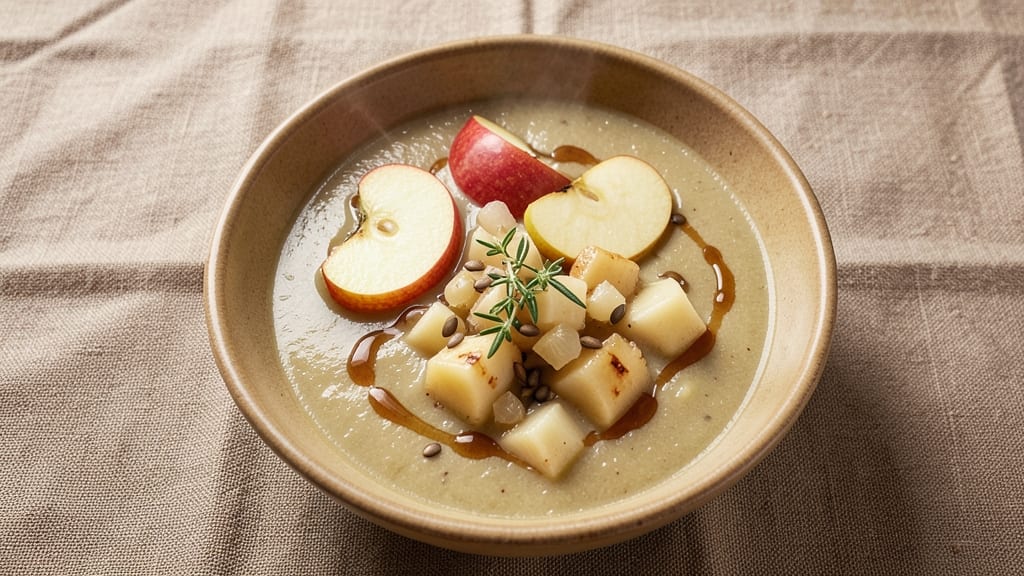
This apple rutabaga soup recipe transforms humble winter vegetables into a velvety, sweet-and-earthy masterpiece that warms the soul. The natural caramel notes of apples and the subtle nuttiness of rutabaga create a harmonious balance that feels both comforting and refined.
What sets this apart is the technique: sautéing onions and garlic until golden, then simmering with fresh herbs to develop deep, aromatic layers before blending to a silky finish.
The beauty of this soup lies in its versatility—it’s vegetarian-friendly yet rich enough to satisfy hearty appetites. A touch of apple cider vinegar brightens the flavors, while a sprinkle of fresh thyme or rosemary adds an herbal sophistication.
The texture is luxuriously smooth, though you can leave it slightly chunky for added rustic appeal. Perfect for chilly evenings or as a starter to impress guests, this recipe proves that simple ingredients can achieve extraordinary results.
What makes this soup truly special is how the flavors evolve as it simmers. The rutabaga softens into a creamy, almost buttery consistency, while the apples release their natural sweetness, creating a sweet-savory symphony.
A drizzle of olive oil and a pinch of salt at the end enhances the depth, ensuring every spoonful is rich, balanced, and deeply satisfying. Whether you’re a seasoned cook or a beginner, this recipe delivers restaurant-quality comfort without the fuss.
For an extra touch of elegance, garnish with a swirl of crème fraîche or a sprinkle of toasted seeds. Serve with crusty bread to soak up every last drop of that aromatic, velvety goodness.
This is the kind of soup that turns a simple weeknight into a cozy, memory-making experience. Let’s get cooking!
Ingredients for apple rutabaga soup
Velvety winter vegetables meet aromatic herbs in this harmonious vegetarian masterpiece.
| Ingredient | Amount | Notes |
|---|---|---|
| Yellow Onions 🧅 | 1 ½ cups | Diced, about 1 large onion |
| Garlic Cloves 🧄 | 4 cloves | Minced, for aromatic depth |
| Rutabagas 🥕 | 2 lbs | Peeled, cut into 1-inch cubes |
| Apples 🍎 | 3 medium | Peeled, cored, cut into chunks |
| Vegetable Stock 💧 | 4 cups | Low-sodium preferred |
| Apple Cider Vinegar 🍋 | 1 tbsp | For brightness and balance |
| Fresh Thyme Leaves 🌿 | ½ cup | Or 1 tbsp dried thyme |
| Extra-Virgin Olive Oil 🫒 | ½ cup | For richness and finish |
| Salt 🧂 | 1 ½ tsp | Diamond Crystal preferred |
| Black Pepper 🌶️ | ½ tsp | Freshly cracked |
| Crème Fraîche 🧈 | ¼ cup | For garnish and creaminess |
| Pumpkin Seeds 🥜 | ¼ cup | Toasted, for crunchy texture |
Rutabagas are the heart of this soup—look for firm, vibrant yellow roots at the grocery store, as they hold their shape beautifully. Whole Foods or local farmers' markets often carry the freshest selections, especially during winter months. The apples should be tart varieties like Granny Smith or Honeycrisp, as they balance the earthy rutabaga perfectly. Fresh thyme is ideal, but dried works at one-third the amount if you're in a pinch. For the vegetable stock, low-sodium options like Pacific Foods or Imagine ensure your soup isn't overwhelmed by salt. The key to this dish lies in the slow simmering process, which allows the rutabaga to develop that creamy, almost buttery texture described in the introduction.
No fresh thyme? Dried oregano or rosemary can substitute, though thyme's floral notes are irreplaceable for this recipe. Running short on rutabagas? Substitute with an equal weight of parsnips or sweet potatoes, though the flavor profile will shift slightly. The apple cider vinegar is non-negotiable—it brightens the soup's depth, but lemon juice in a pinch works if you're out. For the garnish, crème fraîche adds luxurious creaminess, though vegan sour cream or a drizzle of olive oil works beautifully for dietary variations. The pumpkin seeds should be toasted until golden—a dry pan over medium heat for 5-7 minutes brings out their nutty flavor perfectly.
This soup tastes even better the next day as flavors meld together. Store in an airtight container in the refrigerator for up to 5 days, though the texture may thicken slightly—simply stir in a splash of vegetable stock or water to restore creaminess. For longer storage, freeze for up to 3 months in airtight containers. When reheating, do so gently over medium-low heat to prevent curdling. The crème fraîche and pumpkin seeds should be added fresh after reheating to maintain their texture. Portion into bowls with crusty bread for the ultimate cozy winter meal experience.
Why You'll Love This Recipe
- Fewer Cuts, Same Magic: I swear by this trick—peel and cube the rutabagas, then just toss them in whole with the onions and apples. No fancy dicing, no food processor. The stock does all the work while you sip your coffee.
- Sweet-Savory Balance: That first spoonful? Pure magic. The apples caramelize just enough to melt into the earthy rutabaga, while the garlic and onions deepen into something almost buttery. Honestly, it’s the kind of flavor that makes you pause mid-bite.
- Leftovers That Beg: This soup only gets better the next day. The flavors meld into this rich, creamy texture that’s impossible to resist. I’ve reheated portions for days—even my picky husband asks for seconds. (Yes, even on a Tuesday night.)
- Pantry Staple Power: Between us, this recipe uses things you’re probably already buying. Rutabagas last forever, apples are cheap in season, and vegetable stock? Always in my freezer. It’s the kind of meal that doesn’t drain your wallet or your patience.
Step-by-step instructions for apple rutabaga soup
Transform simple ingredients into a velvety, sweet-earthy soup that captures winter's essence.
Sauté Aromatics Until Fragrant
Heat the 0.5 cup extra-virgin olive oil in a large Dutch oven over medium heat. Add the 1.5 cups diced yellow onions and cook, stirring occasionally, for 8-10 minutes until softened and translucent. The onions should release their sweetness without browning.
Add the 4 cloves minced garlic cloves and 0.5 cup fresh thyme leaves, stirring constantly for 30 seconds until the garlic becomes fragrant. This aromatic base forms the flavor foundation of your soup. If the thyme leaves darken too quickly, reduce heat slightly to prevent burning.
Cook Rutabagas and Apples Until Tender
Add the 2 lbs peeled, cubed rutabagas and 3 medium peeled, cored apple chunks to the pot. Stir to coat with the onions and garlic, then pour in the 4 cups vegetable stock. Bring to a boil, then reduce heat to medium-low and simmer uncovered for 30-35 minutes until the rutabagas are fork-tender and the apples have broken down.
I like to stir occasionally during cooking to prevent sticking, but resist the urge to mash the vegetables. You want them to soften while maintaining some texture. The rutabagas should yield slightly when pierced with a fork, and the apples should be tender but not mushy.
Season and Simmer for Depth of Flavor
Add the 1.5 tsp salt, 0.5 tsp black pepper, and 1 tbsp apple cider vinegar to the pot. Stir well and continue simmering for an additional 10 minutes to allow the flavors to meld. The vinegar brightens the natural sweetness of the apples and balances the earthiness of the rutabagas.
Use an immersion blender to purée the soup directly in the pot until smooth. For a slightly textured version, blend only half and leave the rest chunky. The soup should have a velvety consistency with no visible lumps. If it's too thick, thin with water or additional stock as needed.
Finish and Garnish for Presentation
Return the soup to a gentle simmer and cook for another 5 minutes to heat through completely. Taste and adjust seasoning if needed—the natural sweetness of the apples and rutabagas should be balanced by the earthy thyme and bright vinegar.
Ladle the soup into bowls and garnish each serving with 1 tablespoon crème fraîche and 1 tablespoon toasted pumpkin seeds. The crème fraîche adds a luxurious creaminess without overpowering the soup's natural flavors, while the pumpkin seeds provide a satisfying crunch that contrasts beautifully with the smooth texture.
Pro Tips For Making Apple Rutabaga Soup
- COOK RUTABAGAS HALF-CUT: I learned this the hard way—whole rutabagas take forever to soften, even at a simmer. Cut them into 2-inch chunks (skin on) and they’ll break down in 20 minutes instead of 40. No peeling needed; the skin adds texture and sweetness.
- SAUTÉ ONIONS UNTIL GOLDEN: Skip the quick brown—cook the onions until they’re deep golden, almost caramelized, before adding garlic. This builds flavor that cuts through the soup’s earthiness. (Yes, even if you’re impatient like me.)
- PEEL APPLES AFTER COOKING: Raw apple peels get bitter and gummy. Toss whole apples (peeled or unpeeled) into the pot, then remove them after 10 minutes of simmering. The flesh softens perfectly, and you avoid that weird texture.
- SALT THE STOCK LATE: Add vegetable stock early, but hold off on extra salt until the very end. Rutabagas release bitterness when overcooked, and salting too soon makes you overcompensate. Taste at 20 minutes, then adjust—trust the process.
Storing and reheating this apple rutabaga soup
Refrigerator Storage
Let your soup cool to room temperature (about 1 hour) before transferring to airtight containers—I use glass Pyrex bowls with tight-sealing lids. Store in the refrigerator for up to 5 days, though the flavors actually deepen overnight.
The texture may thicken slightly, so stir in 1-2 tablespoons of water or vegetable stock when reheating if needed. 🥣
Freezer Storage
For longer storage, freeze your soup in quart-sized freezer bags or airtight containers, leaving 1-inch headspace for expansion. Label with the date and freeze for up to 3 months. When ready to use, thaw overnight in the fridge or use the microwave defrost setting for quick preparation.
The crème fraîche and pumpkin seeds should be added fresh after reheating to maintain their texture.
Stovetop Reheating
My preferred method is reheating on the stove over medium-low heat to preserve the velvety texture. Pour the soup into a pot and warm gently, stirring occasionally, until heated through to 165°F. If it looks too thick, add ¼ cup vegetable stock or water to restore creaminess.
Taste and adjust seasoning—sometimes the flavors concentrate during storage, so a pinch of salt or extra thyme may be needed. 🔥
Microwave Reheating
For quick reheating, transfer 1-2 servings to a microwave-safe bowl and cover loosely with a microwave-safe lid or damp paper towel. Heat on 50% power in 2-minute intervals, stirring between each, until hot.
Avoid high power to prevent skin formation on the surface. Stir in a splash of water or stock if the soup appears dry.
Garnish After Reheating
Always add your crème fraîche and pumpkin seeds fresh after reheating—they add texture and freshness that reheating can't replicate. For extra brightness, drizzle with 1 teaspoon of extra-virgin olive oil or a pinch of freshly cracked black pepper. These finishing touches elevate the soup from comforting to restaurant-quality. ✨
Make-Ahead Tips
Prepare this soup a day ahead for even better flavor development. The rutabaga's natural sweetness and the apples' caramelization deepen during overnight storage. If making ahead for a gathering, reheat only what you need and keep the rest refrigerated.
The soup reheats beautifully, making it perfect for meal prep during busy weeks. 💡
Nutrition facts
Frequently asked questions
Can I substitute rutabagas with another vegetable?
Yes! For a similar texture, swap rutabagas with parsnips or sweet potatoes, though the flavor will shift slightly. Parsnips offer a mild sweetness, while sweet potatoes add a deeper caramel note. If you prefer a creamier soup, cauliflower works well but requires longer cooking.
How do I make this soup vegan?
Replace the crème fraîche with coconut yogurt or cashew cream, and use vegetable stock instead of chicken stock. For richness, stir in 1 tablespoon nutritional yeast after blending. The apple cider vinegar and olive oil remain vegan-friendly, so no other substitutions are needed!
Why does my soup taste bitter?
Bitterness often comes from overcooked rutabagas or apples. Simmer uncovered for 30-35 minutes max—rutabagas should be tender but not mushy. To fix it, stir in 1 teaspoon apple cider vinegar or a pinch of sugar to balance the flavors. Avoid using bitter apples like Granny Smith if you're sensitive to tartness.
Can I make this soup in a slow cooker?
Sauté onions and garlic first, then transfer everything to the slow cooker. Cook on low for 6-7 hours or high for 3-4 hours until rutabagas are fork-tender. The slow cooker enhances the natural sweetness, but you may need to add ½ cup water if it thickens too much during cooking.
What’s the best way to reheat leftovers?
Reheat on the stovetop over medium-low heat to preserve texture. Stir occasionally and add 1-2 tablespoons water or stock if too thick. For microwave reheating, use 50% power in 2-minute intervals to prevent skin formation. Always add crème fraîche and seeds fresh after reheating!