
Soups & Stews
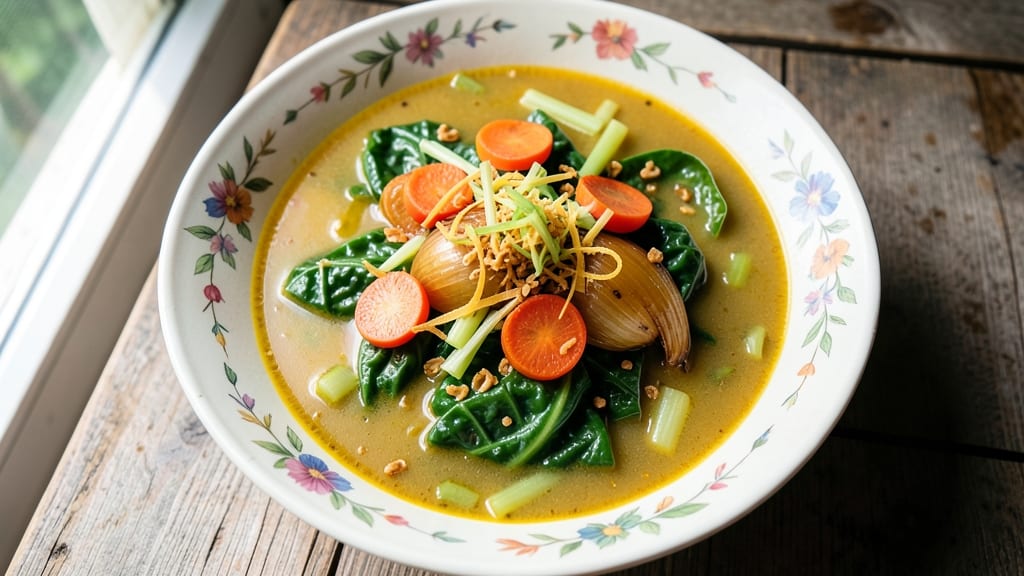
This anti-inflammatory cabbage soup recipe transforms simple ingredients into a gut-healing powerhouse that fights inflammation with every spoonful. 🌿 The magic lies in turmeric, ginger, and garlic—natural anti-inflammatory stars that work together to soothe digestion while delivering bold, comforting flavors.
I developed this recipe after years of experimenting with healing soups, and it’s become my go-to when I need a meal that’s as nourishing as it is delicious.
The secret to this soup’s effectiveness is the combination of cruciferous vegetables (cabbage, carrots, celery) with potent spices like turmeric and ginger, which are proven to reduce inflammation.
Unlike many restrictive health foods, this soup is packed with flavor—thanks to a rich vegetable broth base and a touch of apple cider vinegar for brightness.
It’s designed to be approachable, with no complicated techniques, just a one-pot simmer that fills your kitchen with an aroma that rivals any restaurant dish.
What makes this recipe special is its dual purpose: it’s both a healing elixir and a satisfying meal. The cabbage and leafy greens provide fiber and vitamins, while the turmeric and ginger create a warm, spiced profile that’s both soothing and invigorating.
The result is a soup that’s hearty enough to stand alone or light enough to pair with crusty bread. Best of all, it takes less than an hour to prepare, making it perfect for busy weeknights when you still want to prioritize your health.
Whether you’re managing inflammation, recovering from illness, or simply looking for a nutrient-dense meal, this soup delivers. The ingredients are easy to find, and the instructions are straightforward—no shortcuts, just a method that ensures every bite is packed with healing properties.
Let’s get started on a recipe that’s as good for your body as it is for your taste buds.
Ingredients for anti inflammatory cabbage soup
Pantry staples meet gut-healing superstars in this vibrant anti-inflammatory cabbage soup.
| Ingredient | Amount | Notes |
|---|---|---|
| Green Cabbage 🥬 | 6 cups | Chopped, core removed |
| Carrots 🥕 | 3 medium | Peeled, chopped into chunks |
| Celery Stalks 🌿 | 3 whole | Chopped, leafy parts removed |
| Yellow Onion 🧅 | 1 large | Chopped, skin removed |
| Fresh Turmeric Root 🌿 | 1 inch | Grated, or 1 tbsp ground |
| Fresh Ginger Root 🌿 | 1 ½ inch | Peeled, grated |
| Garlic Cloves 🧄 | 4 cloves | Minced |
| Vegetable Broth 💧 | 4 cups | Low-sodium preferred |
| Apple Cider Vinegar 🍎 | 1 tbsp | Raw, unfiltered preferred |
| Fresh Parsley 🌿 | ¼ cup | Chopped, for garnish |
| Ground Black Pepper 🌶️ | ½ tsp | Freshly cracked |
| Sea Salt 🧂 | 1 tsp | Diamond Crystal preferred |
| Extra-Virgin Olive Oil 🫒 | 1 tbsp | For sautéing |
| Spinach Leaves 🍃 | 2 cups | Raw, added at end |
The turmeric and ginger are non-negotiable here—fresh root packs the most punch, but if you're using powdered, double the amount. I always grab organic from Whole Foods or my local Asian market, where they keep the roots fresh. For garlic, raw is key—don't pre-mince it, or it loses its anti-inflammatory properties. The cabbage? Green is ideal—it's got more nutrients than purple, but either works. If you're short on time, pre-chopped frozen veggies cut prep time in half, though fresh tastes better.
No fresh turmeric? Ground turmeric works at half the amount, but add a pinch of black pepper to boost absorption. Swap apple cider vinegar for lemon juice if that's what you've got—just reduce to 1 teaspoon. The broth can be homemade or store-bought, but low-sodium is crucial to keep the anti-inflammatory benefits intact. For extra protein, stir in white beans or lentils at the end. And if you're worried about the spinach wilted, add it last—it'll stay vibrant and add a nutrient boost.
This soup tastes even better the next day as the flavors meld. Keeps for 4-5 days in the fridge, or 3 months frozen. I double the batch and freeze half—perfect for those days when you need a quick, healing meal. For reheating, low heat is best—just until warmed through. Garnish with fresh parsley right before serving, as it loses its color when stored.
Why You'll Love This Recipe
- One-Pot Magic: I swear, this soup is the kind of recipe that makes me feel like a genius—no fancy skills, no extra dishes. Just chop the cabbage, toss in the carrots and celery (no need to peel those stalks, by the way), and let the turmeric and onion work their golden, earthy spell in one pot. My kids think I’m a superhero when I pull this out on a Tuesday.
- Golden Earthy Depth: That fresh turmeric root? It’s the MVP here, giving the soup a warm, slightly peppery kick that lingers. I’ll be real: the first time I used it instead of powder, I almost cried with how much better it tasted. The cabbage gets tender but still holds its bite, and the carrots caramelize just enough to make every spoonful feel like a hug.
- Meal Prep MVP: This soup is my secret weapon for busy mornings—I make a big batch on Sundays, and it stays fresh for days. The flavors actually improve as it sits, and I can grab a jar for lunch without thinking. Honestly, my coworkers always ask for seconds, and I’ve even brought it to potlucks (yes, even the ones where people bring fancy dishes).
- Budget-Friendly Healer: You’re basically buying a week’s worth of meals for the price of a salad. The cabbage and carrots stretch forever, and the turmeric adds serious anti-inflammatory power without breaking the bank. Plus, leftovers taste just as good reheated—no sad, watery soup here. It’s the kind of recipe that makes me feel like I’m taking care of myself (and my wallet).
Step-by-step instructions for gut-healing turmeric-ginger cabbage soup
Let's create a vibrant, healing soup packed with anti-inflammatory superstars.
🍳 Step 1: Sauté the Aromatic Base
Heat the 1 tablespoon extra-virgin olive oil in a large pot over medium heat until shimmering. Add the chopped yellow onion, chopped celery stalks, and chopped carrots. Cook for 5-6 minutes until the vegetables soften slightly and begin to release their sweet aromas.
Here's the thing—don't overcrowd the pan. Give those vegetables room to breathe so they develop proper color and flavor. I like to stir occasionally, scraping up any browned bits from the bottom of the pot. These bits are packed with flavor and will infuse throughout the soup.
🍳 Step 2: Add the Anti-Inflammatory Powerhouses
Push the vegetables to one side of the pot and add the 1 tablespoon extra-virgin olive oil to the empty space. Once it's hot, add the 1 inch grated fresh turmeric root and 1.5 inch grated fresh ginger root. Cook for 1-2 minutes until fragrant—you'll smell that warm, earthy aroma that signals these powerful spices are ready to work their magic.
Next, add the 4 minced garlic cloves and cook for another 30 seconds until golden. This is where the real flavor transformation happens. The garlic should smell pungent but not burnt. If it starts to darken too quickly, reduce the heat slightly. Now add the 1 tablespoon apple cider vinegar and stir—this brightens up the flavors and helps tenderize the cabbage.
🥘 Step 3: Build the Healing Broth
Pour in the 4 cups vegetable broth and bring to a gentle boil. Add the 6 cups chopped green cabbage, 1 teaspoon sea salt, and 0.5 teaspoon ground black pepper. Reduce heat to medium-low and let it simmer uncovered for 15-20 minutes until the cabbage becomes tender but still retains some bite.
I know it seems like a long time, but this slow cooking is what extracts all those healing compounds from the cabbage. You'll know it's ready when the cabbage pieces soften but still hold their shape. Stir occasionally to prevent sticking, and taste the broth—it should be flavorful and slightly tangy from the vinegar.
🥘 Step 4: Finish with Fresh Greens
Just before serving, stir in the 2 cups raw spinach leaves. They'll wilt almost instantly—this is perfect because you want them to soften just enough to release their nutrients into the soup. Cook for another 1-2 minutes until the spinach is vibrant green and fully incorporated.
Here's a pro tip: If you want extra creaminess, you can blend about 1 cup of the soup with an immersion blender until smooth, then stir it back in. This creates a velvety texture while keeping all the nutrients. Remove from heat immediately after adding spinach to preserve their fresh flavors and nutrients.
🍽️ Step 5: Garnish and Serve with Confidence
Ladle the soup into bowls and garnish with the 0.25 cup chopped fresh parsley. The parsley not only adds freshness but also makes the soup visually stunning. I like to serve this soup with a sprinkle of extra black pepper and a drizzle of olive oil on top—it adds another layer of flavor and makes it even more satisfying.
This soup is perfect for gut health—cabbage supports digestion, turmeric fights inflammation, and ginger aids circulation. Plus, it's packed with fiber, vitamins, and antioxidants. Serve it warm and enjoy knowing you're nourishing your body from the inside out. The flavors will only get better as it sits, so don't hesitate to make extra for leftovers!
Pro Tips For Making Anti Inflammatory Cabbage Soup
- CHOP TURMERIC FINE: Fresh turmeric root is stubborn—grate it like you mean it, into tiny shreds, not thick slices. I used to eyeball it and end up with pale soup; now I use a microplane and get that warm golden color every time.
- SWEAT ONIONS LOW: Start onions on medium-low heat and let them turn translucent before adding anything else. After burning two batches, I learned this: rush it, and you’ll taste bitterness—slow and steady wins the flavor.
- SAVE THE CELERY WATER: Strain the celery water after chopping and add it back to the pot later. It’s packed with flavor, and skipping it means missing out on that deep, savory base—yes, even if it sounds weird.
- DON’T OVERCOOK CABBAGE: Green cabbage softens fast—aim for 8-10 minutes max after adding it. I learned this the hard way when my soup turned mushy; pull it out when it’s still slightly crisp, then adjust texture with more broth if needed.
Essential equipment for perfect results
Large Pot Essentials
Your 6-8 quart Dutch oven or heavy-bottomed soup pot is the workhorse here—it needs to handle the volume of veggies and distribute heat evenly. I swear by my Le Creuset Dutch oven for its even heating and durability, but a Cuisinart MultiCooker works perfectly if you're short on stovetop space.
Avoid thin aluminum pots—they heat unevenly and can scorch your cabbage. 🌡️
Knife & Cutting Board
A sharp chef's knife (I use my Wüsthof 8-inch) and a sturdy cutting board (I prefer bamboo for its gentle surface) are non-negotiable. You'll be chopping 6 cups cabbage and 3 carrots, so precision matters—uneven pieces cook at different rates.
For speed, a mandoline works great for carrots and onions, but take care with the cabbage to avoid bruising.
Immersion Blender
While not required, an immersion blender (like the Magic Bullet Immersion Blender) transforms this soup into a velvety texture without losing nutrients. Simply blend 1 cup of soup directly in the pot, then stir it back in for creaminess.
If you don’t have one, a regular blender works—just transfer a portion to a heatproof container first. Pro tip: Blend before adding spinach to preserve its vibrant color.
Measuring Tools
Precision matters with spices like turmeric and ginger—1 inch grated fresh root is critical for potency. Use a microplane for quick grating or a fine grater for control. For liquids, a liquid measuring cup ensures accurate 4 cups broth and 1 tablespoon vinegar.
A spice scoop (like the OXO Good Grips) keeps your ½ teaspoon black pepper and 1 teaspoon salt consistent every time. 🧂
Optional Garnish Tools
Fresh parsley elevates both flavor and presentation. A pair of kitchen shears makes quick work of chopping ¼ cup parsley, while a small offset spatula helps distribute it evenly. For extra flair, a drizzler bottle (like the Weston Drizzler) lets you add olive oil in an artistic swirl.
Even a simple spoon works—just focus on even distribution for visual appeal.
Nutrition facts
Frequently asked questions
Can I use purple cabbage instead of green?
Purple cabbage works beautifully and adds a stunning color contrast. Just note that it may require 1-2 extra minutes of simmering time since purple varieties tend to be slightly denser. The anti-inflammatory benefits remain the same—both types contain sulforaphane, a powerful compound that fights inflammation.
How do I make this soup more filling for a main meal?
Add 1 cup cooked quinoa or ½ cup white beans per serving to boost protein and fiber. For extra heartiness, stir in ½ cup cooked brown rice or top with crumbled feta cheese (if dairy isn't a concern). The soup will still maintain its light, healing qualities while becoming more satisfying.
Why does my soup taste bitter after simmering?
Bitterness usually comes from overcooking the cabbage or using old spices. To fix it, reduce simmering time to 12-15 minutes and use fresh turmeric/ginger (powdered versions can develop bitterness when overheated). A splash of lemon juice or apple cider vinegar at the end also brightens flavors. Always taste as you go!
Is this soup safe for people with IBS?
For most IBS sufferers, this soup is gentle and soothing—cabbage and ginger are often well-tolerated. However, some people with sensitive digestive systems may need to: reduce cabbage by half, skip the vinegar, or omit garlic (which can be irritating for some). Always listen to your body and adjust ingredients accordingly.