
Soups & Stews
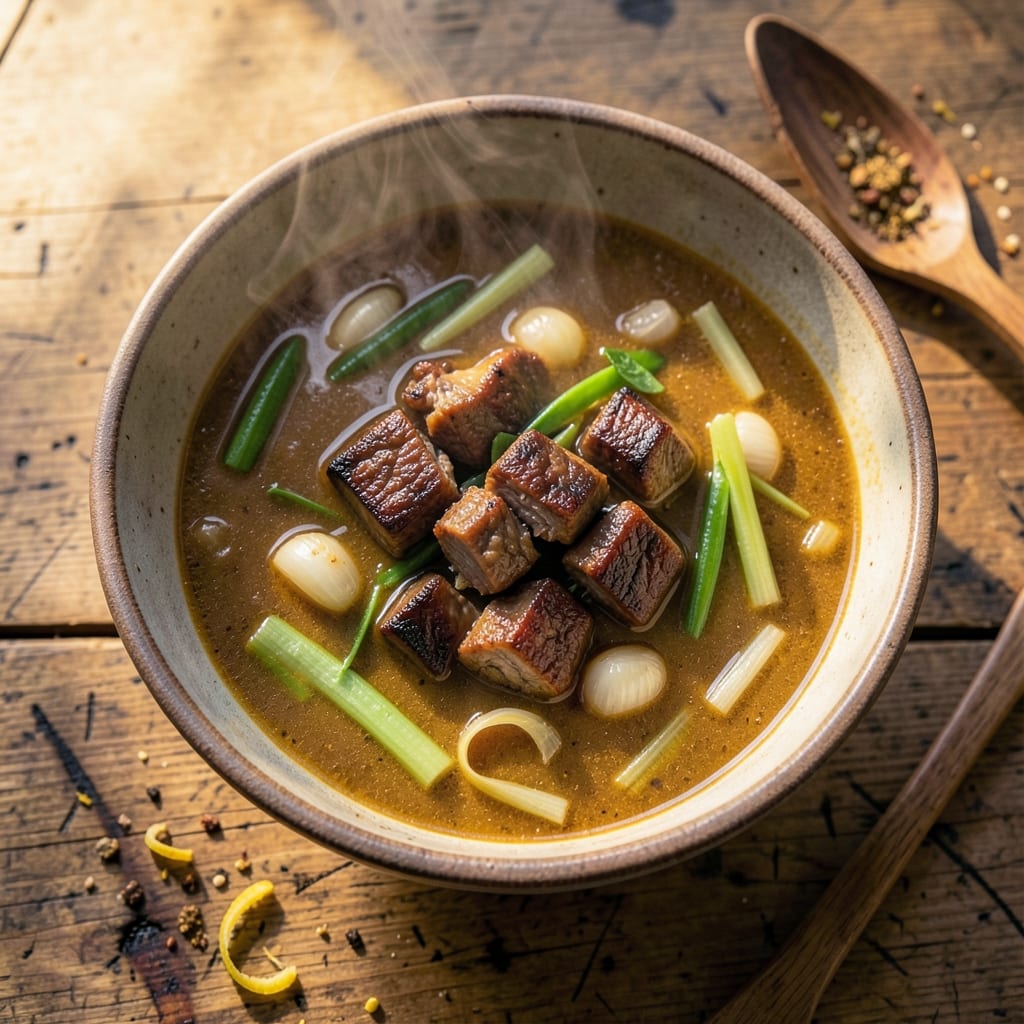
This alligator soup recipe brings the bold flavors of Cajun country to your kitchen, where tender meat meets a rich, aromatic broth and crispy alligator bites add texture. The secret lies in slow simmering—transforming lean, gamey alligator into fork-tender morsels while building layers of spice and depth through traditional gumbo seasonings. I developed this recipe after years of perfecting the balance between heat and richness, ensuring every spoonful delivers that signature Louisiana soul.
The foundation of great alligator soup starts with a dark roux—cooked until it reaches a deep mahogany color—that forms the backbone of the broth. This rich base carries Cajun trinity (onions, bell peppers, celery) and a blend of smoked paprika, thyme, and bay leaves, creating an aromatic base that tenderizes the meat while infusing flavor. The key technique? Simmering the alligator meat in batches to avoid crowding the pot, which guarantees even cooking and prevents toughness.
What makes this recipe special is the contrast of textures: velvety broth meets crispy alligator bites that develop as the meat cooks. The slow simmer breaks down connective tissue, transforming tough cuts into melt-in-your-mouth pieces, while the crispy edges add a satisfying crunch. Serve it with crusty bread to soak up every drop of that smoky, spiced broth—this is comfort food at its finest, with a story in every bite.
Perfect for game day gatherings or a hearty weeknight dinner, this soup scales beautifully for crowds. Leftovers keep well in the refrigerator for up to 3 days, with flavors deepening as they rest. For an extra touch, garnish with fresh parsley or a sprinkle of hot sauce to balance the richness. The result? A bowl of soup that tastes like a Louisiana bayou in your own kitchen.
Ingredients for alligator soup
Sixteen ingredients transform lean alligator into rich, aromatic soup with crispy bites and Cajun soul.
| Ingredient | Amount | Notes |
|---|---|---|
| Alligator Meat 🦎 | 2 lb | Cut into 1-inch pieces, skin removed |
| All-Purpose Flour 🌾 | ½ cup | For dark roux base |
| Unsalted Butter 🧈 | ½ cup | Cold for roux development |
| Yellow Onion 🧅 | 1 whole | Diced, part of Cajun trinity |
| Green Bell Pepper 🌶️ | 1 whole | Diced, part of Cajun trinity |
| Celery Stalks 🥬 | 3 whole | Diced, part of Cajun trinity |
| Garlic Cloves 🧄 | 4 cloves | Minced for aromatic base |
| Smoked Paprika 🌶️ | 2 tbsp | For deep smoky flavor |
| Dried Thyme 🌿 | 1 tbsp | Or 1 tbsp fresh thyme leaves |
| Bay Leaves 🌿 | 2 whole | For subtle earthy depth |
| Chicken Stock 💧 | 4 cups | Low-sodium preferred |
| Cajun Seasoning 🌶️ | 1 tbsp | Store-bought or homemade blend |
| Fresh Parsley 🌿 | ¼ cup | Chopped for garnish |
| Hot Sauce 🌶️ | 2 tbsp | For serving, adjust to taste |
| Lemon Juice 🍋 | 1 tbsp | Brightens final flavor |
The alligator meat is the star—look for fresh cuts from specialty butchers or reputable game suppliers like Wild Game Processors. The meat should be bright red, not gray, and free of gamey odor. For best texture, cut into even 1-inch pieces and pat completely dry before cooking. The dark roux is non-negotiable here—flour and butter cooked until mahogany creates that signature depth. If your roux burns, start over; patience pays off. For the Cajun trinity, Trader Joe's sells pre-diced mixes that save time, but fresh is always better.
No smoked paprika? Substitute regular paprika plus a pinch of liquid smoke for that campfire flavor. Fresh thyme is ideal, but dried works at half the amount. Running short on chicken stock? Vegetable stock plus a splash of soy sauce mimics the umami depth. The alligator can be pre-cooked and frozen for up to 3 months—just thaw overnight before adding to the soup. For extra crispy bites, sear the alligator pieces in a hot skillet with oil before adding to the broth. And trust me, the hot sauce isn't just for serving—add a teaspoon to the broth while simmering for built-in heat.
This soup tastes even better the next day as flavors meld. Store in an airtight container in the fridge for up to 3 days. The roux-based broth thickens as it cools, so stir and reheat gently on low heat. For serving, ladle into bowls and garnish with fresh parsley and a drizzle of hot sauce. The crispy alligator pieces will soften slightly but maintain their satisfying texture. Double the batch—this freezes beautifully for up to 2 months—perfect for game day gatherings where you'll need seconds.
Why You'll Love This Recipe
- One-Pot Magic: I swear by this recipe because it’s literally one pot—no chopping chaos, no messy pans. The alligator chunks brown right in the butter with onions and peppers while you stir, and the flour thickens it all into a rich, velvety broth without extra fuss.
- Rich, Earthy Depth: That first bite? The alligator’s natural gamey richness gets mellowed by the butter and flour roux, but it’s still there—like a steakhouse flavor in soup form. The bell pepper adds a subtle sweetness that balances it perfectly, and honestly, it’s the kind of taste that lingers.
- Leftover Goldmine: Between us, this soup only gets better the next day. The flavors meld, the meat gets even more tender, and it reheats like a dream. I’ve turned a single batch into lunches for three days—zero waste, zero regret.
- Budget-Friendly Luxury: Alligator might sound fancy, but it’s actually affordable if you buy in bulk. A few pounds of meat stretches into multiple servings, and the rest of the ingredients? Butter, flour, veggies—stuff you already have. It’s gourmet without breaking the bank.
Step-by-step instructions for alligator soup with crispy bites
Transform tough alligator meat into tender, flavorful bites with a rich roux and smoky Cajun trinity.
Create the Dark Roux Foundation
Melt the 0.5 cup unsalted butter in a large Dutch oven over medium-low heat. Add the 0.5 cup all-purpose flour all at once and whisk vigorously to combine. This is where patience pays off—cook the roux for 15-20 minutes, stirring constantly with a wooden spoon.
Watch closely as the color deepens from golden to a rich chocolate brown. You're aiming for a dark roux that smells nutty and earthy. If it starts to smoke or burn, reduce the heat immediately. This rich base will carry all the flavors and create that velvety texture we want in the soup. Don't rush this step—proper roux development makes all the difference.
Develop the Cajun Trinity
Add the diced 1 whole yellow onion, 1 whole green bell pepper, and 3 whole celery stalks to the dark roux. Stir to coat completely, then add the 4 cloves minced garlic, 2 tbsp smoked paprika, 1 tbsp dried thyme, and 1 tbsp Cajun seasoning. Cook for 5-7 minutes until the vegetables soften and the mixture becomes fragrant.
Here's where the flavors meld together. You'll notice the paprika deepening the color and the thyme releasing its earthy aroma. The vegetables should be tender but not browned—this is your aromatic base. If the mixture starts to stick, add 1-2 tablespoons of chicken stock to loosen it. This step builds the flavor foundation for the entire soup.
Brown the Alligator Meat
Working in batches, add the 2 lb alligator meat cut into 1-inch pieces to the Dutch oven. You want to brown the meat thoroughly before it cooks through, so don't overcrowd the pan. Cook for 3-4 minutes per batch until the meat develops a golden crust on all sides.
This browning step is crucial for creating those crispy bites you're after. You'll see the meat release from the pan easily when properly browned. If it sticks, don't force it—let it cook longer at a slightly lower heat. Once all the meat is browned, remove it from the Dutch oven and set it aside temporarily. We'll return it to the pot later to finish cooking.
Build the Rich Broth
Pour in the 4 cups chicken stock and bring the mixture to a gentle boil. Add the 2 whole bay leaves and reduce the heat to low. Let it simmer uncovered for 30-40 minutes, stirring occasionally. This slow simmering time allows all the flavors to meld together and the meat to tenderize.
Here's where the magic happens. The broth should reduce slightly and develop a deep, rich color. You'll notice the alligator meat becoming tender and the flavors becoming more concentrated. Taste the broth occasionally—this is where you can adjust seasoning if needed. The bay leaves will infuse subtle earthy notes, so don't remove them until the very end.
Finish and Serve with Crispy Bites
Return the alligator meat to the Dutch oven and simmer for an additional 15-20 minutes until fork-tender. Remove the bay leaves and stir in the 1 tbsp lemon juice and 2 tbsp hot sauce. Adjust the seasoning if needed—this is where you can really customize the heat level to your preference.
Ladle the soup into bowls and garnish with 0.25 cup chopped fresh parsley. The contrast of crispy alligator bites against the creamy broth is what makes this soup truly special. Serve immediately while the meat is still tender and the broth is hot. The acidity from the lemon juice brightens all the rich flavors, while the hot sauce adds just the right amount of kick.
Pro Tips For Making Alligator Soup
- SEAR THE ALLIGATOR FIRST: Don’t just toss raw chunks into the pot—hit them with a quick sear in butter over medium-high heat until they brown deeply. This locks in flavor and prevents the meat from turning rubbery later. (Yes, even if you’re impatient like me, resist the urge to rush this.)
- TRIM THE FAT, NOT THE FLAVOR: Alligator meat has natural fat marbling, but too much can make the soup greasy. Pat the meat dry, then scrape off any thick fat deposits with a knife—just leave the fine, flavorful streaks. Skim excess fat during cooking, but don’t strip it all away.
- LOW AND SLOW WINS: After browning, simmer the soup at a gentle bubble, not a rolling boil. Alligator needs time to tenderize—rushing it turns the meat tough. Cover the pot and let it work for at least 45 minutes, stirring occasionally. (Your future self will thank you.)
- ROUX OR REGRET: If your soup tastes thin, make a quick roux with butter and flour before adding liquids—just 2 minutes on medium heat until golden. This thickens the broth and adds richness without overpowering the alligator’s natural taste. (I skip this when I’m lazy, but the dish is noticeably better when I don’t.)
Dietary considerations for this recipe
Lean Protein Focus
Alligator meat is an excellent source of lean protein—about 30 grams per serving—with significantly less fat than traditional meats like beef or pork. This makes it ideal for those watching their saturated fat intake while still needing high-quality protein for muscle repair and satiety. The slow cooking process in this recipe actually enhances the meat's tenderness without adding unhealthy fats. 💪
Low-Calorie Option
Compared to other game meats, alligator is surprisingly low in calories—around 150 calories per 3-ounce serving. The rich, flavorful broth carries the meal while keeping the protein portion light, perfect for those managing calorie intake. The dark roux adds depth without excess calories, making this a satisfying yet balanced option for weight-conscious eaters.
Gluten-Free Adaptation
This recipe is naturally gluten-free if you use certified gluten-free flour for the roux. I recommend Bob's Red Mill 1-to-1 gluten-free baking flour—it creates the same rich texture without compromising flavor. The rest of the ingredients are inherently gluten-free, making this an excellent option for those with celiac disease or gluten sensitivities.
Allergen Considerations
For shellfish allergies, note that alligator is not a shellfish but a reptile, so it's safe for most people with shellfish allergies. However, always verify with your physician if you have specific concerns. The recipe contains no common allergens like dairy (except butter in the roux), eggs, or nuts—just protein, vegetables, and spices. The butter can be substituted with olive oil for a dairy-free version.
Spice Level Control
Adjust the heat to your preference with the hot sauce and Cajun seasoning. For milder versions, reduce the Cajun seasoning to ½ tbsp and use a mild hot sauce like Crystal Louisiana. If you prefer more heat, add an extra ½ tsp cayenne pepper to the roux or use Louisiana Hot Sauce for serving. The lemon juice also helps balance any spiciness.
Dietary Flexibility
This soup can easily accommodate various dietary needs. For a low-sodium version, use low-sodium chicken stock and reduce added salt. For a vegetarian adaptation, substitute alligator with mushrooms or seitan (though the flavor profile will differ). The recipe's base remains adaptable while maintaining its rich, comforting qualities. The key is balancing the flavors—whether you're adjusting for allergies or preferences, the foundation remains the same. ✨
Nutrition facts
Frequently asked questions
Where can I buy alligator meat for this recipe?
Look for alligator meat at specialty butchers, game suppliers like Wild Game Processors, or online retailers such as ButcherBox or Alligator Farms. Many Cajun markets in Louisiana also carry it fresh or frozen. Always check for bright red meat without a strong gamey odor—this indicates freshness.
Can I substitute alligator with another meat?
For a similar texture, try chicken thighs or duck breast—both hold up well to slow cooking. However, the flavor will differ significantly. If you want to keep the Cajun theme, chicken-andouille sausage works but lacks the lean protein. For a vegetarian option, king oyster mushrooms mimic meaty texture when cooked properly.
How do I prevent the alligator meat from becoming tough?
The key is slow cooking and proper prep: cut meat into even 1-inch pieces and pat completely dry before browning. Never overcrowd the pan when searing—cook in batches for 3-4 minutes per side until golden. The dark roux and long simmer (45-60 minutes total) break down connective tissue naturally.
Can I make this soup ahead of time?
Yes! This soup tastes even better the next day as flavors meld. Store in an airtight container in the fridge for up to 3 days. The roux-based broth thickens slightly when chilled—just stir and reheat gently on low heat. For longer storage, freeze for up to 2 months. Thaw overnight in the refrigerator before reheating.
What's the best way to serve this soup?
Garnish with chopped fresh parsley and a drizzle of hot sauce for serving. Pair with crusty French bread or cornbread to soak up the rich broth. For extra texture, serve with a side of collard greens or a simple green salad. The contrast of crispy alligator bites against soft bread makes every spoonful satisfying.