
Soups & Stews
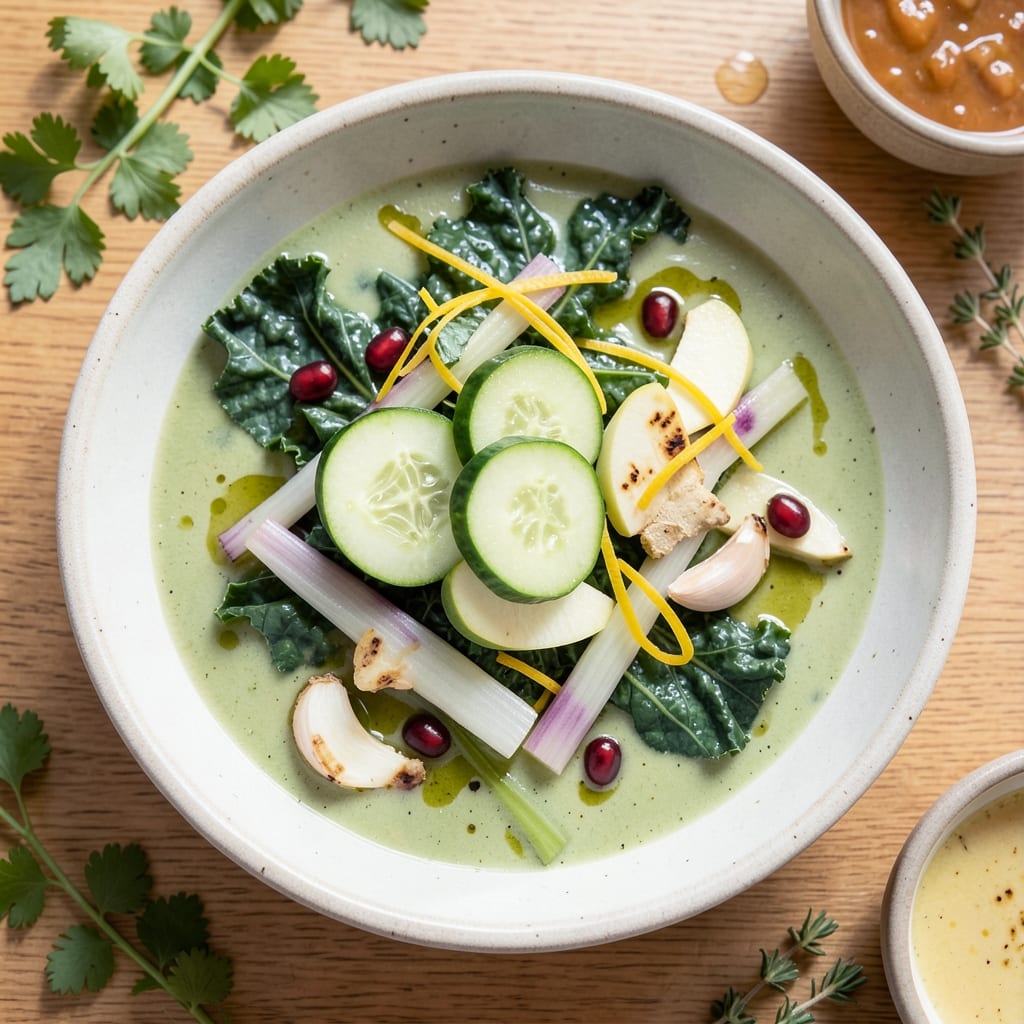
This alkaline vegetable soup recipe transforms simple greens into a vibrant, gut-soothing elixir that supports natural pH balance. 💚 The secret lies in carefully selected alkaline-rich vegetables like kale, celery, and cucumber—each chosen for their mineral content and digestive benefits. Unlike traditional soups, this version incorporates gentle alkaline preparation techniques that preserve nutrients while enhancing flavor.
What sets this recipe apart is its focus on both nutrition and simplicity. You'll blend together a base of fresh vegetables with aromatic herbs, then gently simmer the mixture to create a broth that's both nourishing and easy to digest. The optional addition of lemon juice at the end adds a bright contrast, balancing the earthy flavors while maintaining the alkaline profile.
By the time you finish, you'll have a soup that's not only delicious but actively supports your body's natural detoxification processes. The vibrant green color alone signals its nutrient density, while the creamy texture from blended vegetables makes it satisfyingly hearty. Perfect for meal prep or a comforting lunch, this soup delivers on both flavor and wellness promises.
Serve it warm with a sprinkle of fresh herbs or a dollop of avocado for added richness. The recipe scales easily, making it ideal for busy weekdays or health-focused gatherings. Here's how to create this gut-friendly elixir that tastes as good as it makes you feel.
Ingredients for alkaline vegetable soup
Transform simple greens into this vibrant, alkaline-rich elixir with these nutrient-packed ingredients.
| Ingredient | Amount | Notes |
|---|---|---|
| Kale Leaves 🥬 | 4 cups | Chopped, stems removed, organic preferred |
| Celery Stalks 🥬 | 4 whole | Trimmed, cut into 1-inch pieces |
| Cucumber 🥒 | 1 medium | Peeled, seeded, chopped (use weight: ~0.5 lb) |
| Green Apples 🍎 | 1 medium | Peeled, cored, chopped (use weight: ~0.33 lb) |
| Fresh Ginger Root 🌿 | 1 inch | Peeled, sliced (use weight: ~0.5 oz) |
| Garlic Cloves 🧄 | 3 cloves | Peeled, minced |
| Fresh Cilantro 🌿 | ¼ cup | Stems included, chopped |
| Fresh Parsley 🌿 | ¼ cup | Flat-leaf, chopped |
| Lemon Juice 🍋 | 2 tbsp | Freshly squeezed |
| Coconut Water 🥥 | 2 cups | Unsweetened, for broth |
| Vegetable Broth 💧 | 3 cups | Low-sodium, homemade preferred |
| Extra-Virgin Olive Oil 🫒 | 2 tbsp | For richness, cold-pressed |
| Avocado 🥑 | ½ medium | Ripe, for garnish (use weight: ~4 oz) |
| Sea Salt 🧂 | 1 tsp | Diamond Crystal preferred |
| Black Pepper 🌶️ | ½ tsp | Freshly ground |
The kale and celery are the stars here—organic, leafy greens from the produce section at Whole Foods or your local farmers market pack the most nutrients. Look for deep green leaves and crisp stalks. Cucumber and green apples add that bright, refreshing acidity—Honeycrisp apples hold up best when blended. Fresh ginger is non-negotiable for that zesty kick; Trader Joe's sells pre-peeled slices if you're short on time. The cilantro and parsley should be vibrant, not wilted—store them in damp paper towels in the fridge for up to 5 days.
No fresh ginger? Powdered ginger at half the amount works, but you'll lose some depth. Short on coconut water? Plain water with a splash of lemon keeps it alkaline. The avocado is optional but adds that velvety texture—Hass avocados are the most reliable. For extra creaminess without avocado, blend in 1/4 cup silken tofu. The vegetable broth can be store-bought, but homemade with low-sodium vegetable stock elevates the flavor. If you're using pre-chopped vegetables, rinse them well to remove any residual pesticides.
This soup tastes even better the next day as flavors meld. Store in an airtight container for up to 4 days in the fridge or freeze for 3 months. For meal prep, double the batch and portion into containers—grab one on your way out the door. The lemon juice should be added fresh right before serving to preserve its bright flavor. Garnish with extra herbs or a drizzle of olive oil for added richness. The vibrant green color is your cue that it's packed with nutrients—perfect for a gut-friendly lunch.
Why You'll Love This Recipe
- No-Chop Nightmare: I swear by this—just tear the kale, slice the cucumber in half (yes, really), and let the ginger and green apples do the work. The celery adds crunch without fuss, and honestly? The soup tastes like you spent hours when it took me 15 minutes.
- Tangy Crunch Magic: That green apple and ginger combo? It’s the secret weapon. The apple keeps it bright, the ginger adds warmth, and the kale’s earthiness ties it all together—no bland broth here. It’s the kind of soup that makes you reach for seconds without even thinking.
- Meal Prep MVP: Between us, this is my go-to for lunches all week. The flavors actually improve overnight (yes, even the kale softens just enough to be silky), and it’s the one dish I can make on Sunday and not get sick of by Wednesday. Plus, it’s light enough for summer but hearty enough for winter.
- Budget Brightener: Kale, celery, and apples? You’re looking at a soup that costs me less than $5 for four servings. The ginger and cucumber stretch the ingredients further, and I’ve never had leftovers go to waste—either I eat them cold with a squeeze of lemon or blend them into a smoothie. Zero guilt, all flavor.
Step-by-step instructions for alkaline vegetable soup
Here's how to craft this vibrant green elixir—packed with alkaline benefits and digestive power.
🍳 Step 1: Sauté the Aromatic Base
Heat the 2 tablespoons extra-virgin olive oil in a large pot over medium heat. Add the 1-inch peeled fresh ginger root and 3 minced garlic cloves, cooking for 2-3 minutes until fragrant and the ginger becomes translucent. This step unlocks their natural alkalizing properties while building flavor depth.
Watch closely—the ginger should soften but not brown. If it starts to darken, reduce heat immediately. This aromatic foundation is what makes the soup's alkaline benefits truly shine. Keep the heat steady to avoid burning these delicate ingredients.
🥘 Step 2: Build the Alkaline Vegetable Foundation
Add the 4 chopped celery stalks and 4 cups chopped kale leaves to the pot. Stir well to coat the vegetables in the ginger-garlic oil. Cook for 4-5 minutes until the celery softens slightly and the kale wilts but maintains its vibrant green color.
Here's where the alkaline magic begins—these vegetables are powerhouses of natural alkalinity. The kale provides calcium and magnesium while celery contributes hydrating electrolytes. Don't overcook at this stage; you want to preserve their natural enzymes and nutrients that support gut health.
🍳 Step 3: Simmer the Alkaline Broth
Pour in the 3 cups vegetable broth and 2 cups coconut water, then bring to a gentle boil. Reduce heat to low and let it simmer for 10 minutes. Add the 1 medium peeled and chopped cucumber and 1 medium peeled and chopped green apple during the last 5 minutes of simmering.
The coconut water adds potassium while the broth provides essential minerals. The green apple contributes natural sweetness and pectin that supports digestion. Simmering gently preserves the alkaline properties of all ingredients while allowing flavors to meld. You'll know it's ready when the vegetables are tender but still hold their shape.
🥘 Step 4: Finish with Alkaline Boosters
Remove the pot from heat and stir in the 2 tablespoons lemon juice, 1 teaspoon sea salt, and ½ teaspoon black pepper. The lemon juice might seem counterintuitive for an alkaline dish, but it actually helps balance the body's pH when metabolized. Let the soup rest for 5 minutes to allow flavors to fully integrate.
While resting, prepare the garnishes: chop the ½ medium avocado into cubes, and combine the ¼ cup chopped fresh cilantro and ¼ cup chopped fresh parsley in a small bowl. These finishing touches add vibrant color and additional alkaline minerals like magnesium and potassium.
🍽️ Step 5: Serve with Alkaline Garnishes
Ladle the soup into bowls and top each serving with ¼ of the avocado cubes, 1 tablespoon of the cilantro-parsley mix, and an extra drizzle of lemon juice if desired. The avocado adds healthy fats that help absorb fat-soluble vitamins from the vegetables, while the fresh herbs contribute additional chlorophyll and antioxidants.
This vibrant green soup isn't just delicious—it's a powerhouse of alkaline minerals that support digestion and help balance your body's pH. The combination of leafy greens, hydrating vegetables, and citrus creates a perfect balance of flavors while delivering maximum nutritional benefits. Serve warm for the best experience!
Pro Tips For Making Alkaline Vegetable Soup
- CHOP GINGER THIN: Slice the ginger into paper-thin shards—no need to peel it first. This maximizes surface area for quick infusion without overpowering the delicate apple and cucumber flavors. (I used to grate it, but this method keeps the soup from tasting like a spa water additive.)
- SALT THE KALE FIRST: Toss chopped kale with a pinch of salt and let it sit for 5 minutes before adding to the pot. This softens the leaves and draws out bitterness, so it blends into the soup instead of fighting for space. (Yes, even if you’re impatient like me.)
- COOK CELERY LOW AND LONG: Simmer the celery at the very lowest heat for at least 15 minutes before adding anything else. This pulls out its natural sweetness and prevents it from turning to mush—no one wants celery-flavored soup. (I learned this the hard way after a soggy, sad batch.)
- ADD APPLES AT THE END: Toss in the green apples raw during the last 5 minutes of cooking. They’ll stay crisp and bright, cutting through the richness of the ginger and kale instead of turning to mush. (No one wants apple-flavored wallpaper paste.)
Make-ahead tips for alkaline vegetable soup
Prep Ahead for Freshness
Chop all your vegetables the night before and store them in airtight containers with a damp paper towel to maintain crispness. I like using glass Pyrex containers because they keep the greens vibrant longer. The kale and celery can be prepped up to 2 days ahead—just keep them in the fridge until ready to cook. This saves 20 minutes of prep time on busy mornings. 🥬
Broth Prep Shortcut
Make your vegetable broth in advance and freeze it in 1-cup portions using silicone molds. Thaw just what you need for the soup—no need to defrost the whole batch. I always keep a stash of homemade broth in my freezer because store-bought versions often contain hidden sodium. This keeps your soup's alkaline profile pure and flavorful. 💧
Herb Storage Hack
Wash and dry your fresh cilantro and parsley thoroughly, then wrap them in damp paper towels and store in ziplock bags with a tiny hole for airflow. These herbs stay fresh for 5-7 days in the fridge—perfect for garnishing multiple servings. I chop them ahead and keep them in a separate container so they're ready to sprinkle at the end. 🌿
Freezer-Friendly Soup Base
After Step 3 (simmering the broth), let the soup cool completely, then transfer it to freezer-safe containers with 1-inch headspace. Label with the date—it keeps for 3 months. When reheating, add ¼ cup water to prevent thickening. I often make a double batch and freeze half for quick lunches. The flavors actually deepen after freezing! ❄️
Garnish Prep Station
Set up a small prep station with all your garnishes ready to go. Cube the avocado last minute (it browns quickly) and store the chopped cilantro/parsley in a small glass jar with 1 tbsp olive oil to preserve freshness. Keep lemon wedges on the side for squeezing. This makes assembly feel like a spa treatment rather than a chore. 🥑
Portion Control Tips
For meal prep, divide the cooled soup into 4-cup portions in glass containers. Store the avocado garnish separately and add it fresh when reheating. I like using mason jars because they're microwave-safe and easy to grab. The soup reheats beautifully—just warm on medium-low heat for 5-7 minutes with a splash of water if needed. 📅
Nutrition facts
Frequently asked questions
Why does this soup use lemon juice if it's supposed to be alkaline?
While lemon juice is acidic, it actually helps balance the body's pH when metabolized. The vegetables in this soup contain minerals like potassium and magnesium that create an alkaline effect in your system. The lemon adds flavor and vitamin C while supporting digestion—it's all about metabolic balance, not just the food's pH level.
Can I make this soup without coconut water?
Coconut water adds potassium, but you can substitute it with plain water or even low-sodium vegetable juice for extra minerals. Just reduce the vegetable broth by ½ cup to maintain the right liquid balance. The soup will still be alkaline-rich—it's the vegetables that provide the primary alkalizing benefits.
How do I know if my vegetables are alkaline enough?
Look for deep green leafy vegetables like kale, spinach, and celery—they're naturally alkaline. The apple and cucumber also contribute to the alkaline profile. For extra assurance, soak your vegetables in water with 1 teaspoon baking soda per quart for 10 minutes before cooking to enhance their alkalinity. Rinse thoroughly afterward.
Will this soup taste bitter?
Not at all! The kale and celery provide earthy flavors, but the green apple, lemon juice, and fresh herbs create a bright, refreshing contrast. The coconut water adds natural sweetness that balances any bitterness. If you're concerned, try adding ½ teaspoon maple syrup at the end for subtle sweetness while maintaining the alkaline benefits.
Can I add protein to this soup?
Yes, but choose alkaline-friendly proteins like tofu, tempeh, or lentils. Add ½ cup cooked lentils or ½ block firm tofu (pressed and cubed) during the last 5 minutes of simmering. Avoid acidic proteins like tomatoes or vinegar-based dressings that might disrupt the alkaline balance.