
Soups & Stews
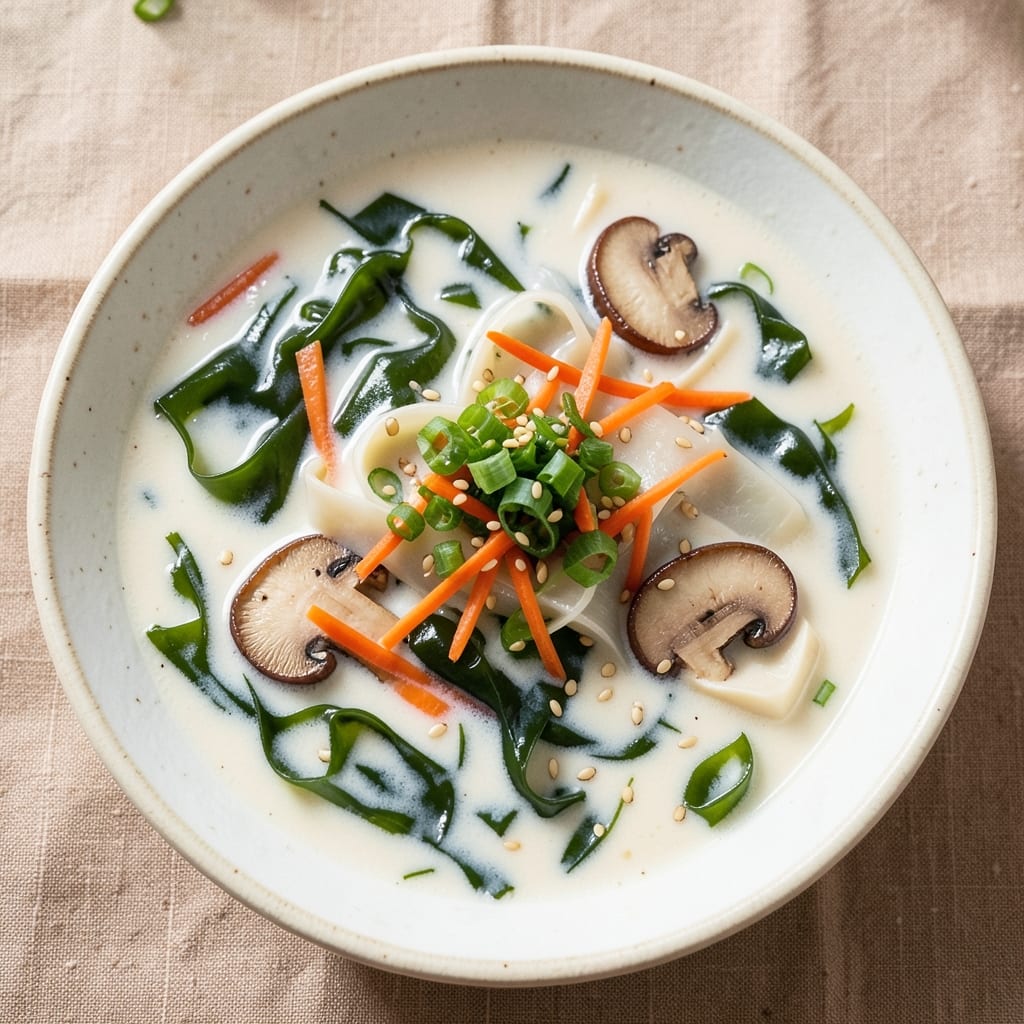
This algae soup recipe transforms oceanic seaweed into a velvety, umami-rich broth that feels both ancient and modern. The secret lies in balancing earthy wakame, creamy coconut milk, and aromatic vegetables to create a dish that's as nourishing as it is flavorful. I developed this recipe after discovering how versatile algae could be beyond sushi—packed with minerals and protein while delivering deep, savory notes that elevate simple ingredients.
The foundation is a slow-simmered broth that extracts the seaweed's natural sweetness without bitterness, then layers in coconut milk for richness and mushrooms for depth. Unlike traditional miso or ramen, this soup builds flavor through textural contrast—silky broth against tender tofu, crisp vegetables, and delicate seaweed strands. It's the kind of dish that feels both comforting and unexpectedly sophisticated.
By the time you're done, you'll have a golden-hued soup with a complex, briny-sweet profile that lingers on the palate. The algae provides a mineral punch, while coconut milk adds a velvety finish that makes it feel indulgent. This is the perfect recipe for plant-based eaters who crave restaurant-quality depth without compromise.
Serve it with steamed rice for a complete meal, or garnish with sesame seeds and green onions for extra freshness. The best part? It tastes even better the next day as flavors meld further. Let's get cooking—your taste buds will thank you.
Ingredients for algae soup
Earthy wakame meets creamy coconut—just 15 ingredients for oceanic umami magic.
| Ingredient | Amount | Notes |
|---|---|---|
| Dried Wakame Seaweed 🌊 | 2 tbsp | Rehydrated in hot water first |
| Coconut Milk 🥥 | 1 ½ cups | Full-fat for creaminess |
| Shiitake Mushrooms 🍄 | 8 whole | Stems removed, sliced thin |
| Silken Tofu 🧀 | 12 oz | Smooth, not firm |
| Carrots 🥕 | 1 ½ cups | Julienned or thinly sliced |
| Green Onions 🧅 | 3 whole | White and green parts separated |
| Sesame Seeds 🌰 | 1 tbsp | Toasted for extra flavor |
| Garlic Cloves 🧄 | 3 cloves | Minced for aromatic base |
| Fresh Ginger 🌿 | 1 tbsp | Grated, not powdered |
| Vegetable Broth 💧 | 4 cups | Low-sodium preferred |
| Lime Juice 🍋 | 1 tbsp | Freshly squeezed |
| Diamond Crystal Kosher Salt 🧂 | 1 ½ tsp | Adjust to taste |
| White Miso Paste 🍶 | 1 tbsp | For umami depth |
| Sesame Oil 🫒 | 1 tsp | For finishing |
| Steamed Jasmine Rice 🍚 | 2 cups | For serving |
Wakame is the star here, so grab the dried sheets from the Asian market—not the pre-packaged flakes. Marukyu brand is my go-to, but any dried wakame works. Rehydrate it first in hot water for 10 minutes—it’ll triple in size. The shiitake mushrooms should be fresh, not dried, and Trader Joe's usually has them pre-sliced if you're short on time. For the coconut milk, full-fat is non-negotiable—the richness balances the seaweed’s brininess perfectly. If you can’t find fresh ginger, substitute with 1/2 tsp ground ginger, but fresh is worth the zest.
No shiitake? Oyster mushrooms or cremini work in a pinch—they’ve got a similar meaty texture. Running low on wakame? Dulse flakes at half the amount add a similar oceanic kick. The miso paste is essential for that umami punch, but if you’re out, a dash of soy sauce plus a pinch of sugar mimics it. For the tofu, silken is key—it blends silky into the broth, while firm tofu stays chunky. The lime juice is the secret brightener—skip it, and the soup will taste flat. Toast your sesame seeds in a dry pan for 30 seconds—they’ll add a nutty crunch that takes this dish to the next level.
This soup tastes even better the next day as flavors meld—make a double batch if you can. Store it in the fridge for up to 5 days, or freeze portions for 3 months. The rice keeps for 4 days in the fridge too, so plan ahead. Garnish with extra sesame seeds and green onions right before serving—they add freshness that wilts fast. If you’ve got leftover broth, use it as a base for noodles or grains later in the week—it’s that good.
Why You'll Love This Recipe
- I’ll be real: I used to dread the whole "soak your seaweed" step. But with dried wakame, you just toss it in hot water—no waiting, no fuss. The mushrooms and carrots soften while you prep the rest, so it’s truly a set-it-and-forget-it kind of deal.
- No-Soaking Needed: I’ll be real: I used to dread the whole "soak your seaweed" step. But with dried wakame, you just toss it in hot water—no waiting, no fuss. The mushrooms and carrots soften while you prep the rest, so it’s truly a set-it-and-forget-it kind of deal.
- Creamy Without Dairy: That coconut milk transforms this into something so rich and velvety, you’d never guess it’s plant-based. The silken tofu adds a delicate fluffiness, while the umami from shiitakes and wakame keeps it deeply satisfying—like a hug in a bowl, but lighter than your usual comfort food.
- Lunchbox Magic: Between us, this is my go-to for meal prep. The flavors only get better after a night in the fridge, and it reheats like a dream. Pack it in a thermos for work or school—no soggy greens here, just hearty, warming bites that taste like you slaved over them.
Step-by-step instructions for algae soup with oceanic depth
This umami-rich algae soup balances earthy seaweed with creamy coconut and delicate tofu for a harmonious bowl.
Rehydrate the Wakame and Prepare the Base
Place the 2 tbsp dried wakame seaweed in a heatproof bowl and pour 1 cup hot vegetable broth over it. Let it soak for 5 minutes until it expands to about 3 times its original size. This rehydration step unlocks the seaweed's signature oceanic flavor—don't skip it.
In a large pot, combine the remaining 3 cups vegetable broth with the 1.5 cups coconut milk and bring to a gentle simmer over medium heat. Add the 1 tbsp white miso paste and stir until fully dissolved. The miso will deepen the umami profile while keeping the broth silky smooth. Keep the mixture at a barely simmering state—too vigorous a boil will break the coconut milk's creaminess.
Sauté Aromatics and Add Vegetables
In a separate pan, heat 1 tsp sesame oil over medium heat. Add the 3 cloves minced garlic and 1 tbsp grated fresh ginger, cooking for 1-2 minutes until fragrant but not browned. This aromatic base forms the flavor foundation of the soup.
Transfer the garlic-ginger mixture to the simmering broth along with the 1.5 cups julienned carrots and the 8 sliced shiitake mushrooms. Let everything cook for 5 minutes until the carrots soften slightly but still retain their texture. The mushrooms should release their earthy juices into the broth, creating a rich, forest-like depth.
Incorporate Protein and Season
Drain the rehydrated wakame and add it to the pot along with the 12 oz silken tofu, gently breaking it into small cubes with a spoon. Stir in the 1.5 tsp Diamond Crystal kosher salt and let the soup simmer for 8-10 minutes until all ingredients are fully integrated and heated through.
Here's the thing—silken tofu absorbs flavors beautifully, so don't overcook it. You want it just warm, not rubbery. Taste the broth now and adjust seasoning if needed. The wakame should contribute a subtle briny note, while the coconut milk adds natural sweetness to balance the umami.
Finish with Bright Acidity and Garnish
Remove the pot from heat and stir in the 1 tbsp lime juice and the white and green parts of the 3 green onions, cut into ½-inch pieces. The lime juice brightens the dish, cutting through the richness of the coconut and miso. Let the soup sit for 2 minutes to allow the flavors to meld.
Just before serving, toast the 1 tbsp sesame seeds in a dry pan over low heat for 1-2 minutes until golden and fragrant. Sprinkle them over each bowl along with an extra drizzle of sesame oil for that final aromatic punch. The contrast of toasted seeds against the creamy broth creates a textural delight.
Serve Over Steamed Jasmine Rice
Divide the 2 cups steamed jasmine rice among bowls, then ladle the algae soup generously over each serving. The rice acts as a neutral base that lets the complex flavors of the soup truly shine. Serve immediately while the broth is still steaming hot—this dish tastes best fresh from the pot.
Each spoonful should deliver a symphony of textures: the silky coconut milk, the tender tofu, the crisp carrots, and the delicate seaweed strands. The umami from the miso and wakame builds with every bite, while the lime and sesame seeds provide that perfect finishing touch. This isn't just soup—it's a complete flavor experience.
Pro Tips For Making Algae Soup
- SOAK WAKAME 15 MINUTES: Dried seaweed absorbs water like a sponge—10 minutes is too little, 20 is overkill. Use lukewarm water (not boiling) and let it sit until it’s just pliable, not mushy. Squeeze out excess liquid before adding to the pot, or your soup will turn into a watery green puddle.
- REHYDRATE SHIITAKES IN COLD WATER: Toss dried shiitake caps in cold water for 20 minutes—they’ll plump up faster and hold their shape better than boiling them. Rinse off any grit afterward, or you’ll be chewing on mushroom sand. (Yes, I’ve done it.)
- STIR COCONUT MILK GENTLY: Whisk the coconut milk in after the broth simmers, not before. Dumping it in cold will curdle it like a science experiment gone wrong. Heat the broth first, then slowly add the milk while stirring—just until it’s warm, not hot.
- CUT CARROTS INTO ¼-INCH SLICES: Thin, even slices cook faster and stay tender. Thick chunks turn to mush while the rest of the soup finishes. If you’re lazy, microwave them for 2 minutes first—they’ll soften up in half the time. (I know, I know.)
Make-ahead tips for leftovers
Broth Prep Ahead
Prepare the broth base up to 2 days in advance—simmer the vegetable broth, coconut milk, miso, garlic, and ginger, then store in an airtight container in the fridge. The flavors deepen overnight, and the coconut milk stays creamy. When ready to finish, simply reheat gently over low heat for 5 minutes before adding the wakame and tofu. This shortcut saves 20 minutes on busy weeknights. 🌊
Rehydrated Wakame Storage
Rehydrate the wakame as directed, then store it in 1 cup water in the fridge for up to 3 days. The seaweed stays tender and flavorful, ready to be added straight to your pot. For longer storage, drain and freeze the rehydrated wakame in a freezer-safe bag for up to 3 months. Thaw overnight in the fridge before using—no need to rehydrate again. 🥥
Tofu and Veggie Prep
Julienne the carrots and slice the shiitake mushrooms ahead of time—store them separately in airtight containers with a damp paper towel to prevent drying. The silken tofu can be cubed and kept in its package until ready to add to the soup. This prep work takes 10 minutes and makes assembly a breeze when you're ready to cook. ✨
Freezer-Friendly Soup
This soup freezes beautifully for up to 3 months. Let it cool completely, then transfer to quart-sized freezer bags, removing excess air to prevent freezer burn. Thaw overnight in the fridge, then reheat gently on the stovetop with 2 tbsp water to restore creaminess. The texture remains silky, and the flavors are even more concentrated after freezing. Perfect for meal prep! ❄️
Rice Prep Strategy
Cook a double batch of jasmine rice (about 4 cups total) and store it in an airtight container in the fridge for up to 4 days. Reheat portions in the microwave for 1-2 minutes with a splash of water to restore moisture. This ensures you always have a neutral base ready to serve with your algae soup. 🍚
Garnish Assembly Line
Toast the sesame seeds and chop the green onions in advance—store them separately in small jars or containers. This creates a garnish assembly line that takes just 2 minutes to sprinkle over bowls when serving. Keep the lime juice fresh until the last minute to preserve its bright acidity. The final garnish elevates the dish from homemade to restaurant-quality. 💫
Nutrition facts
Frequently asked questions
Can I use other types of algae besides wakame?
For a milder flavor, try dulse flakes (use half the amount) or nori strips (add 1 sheet, chopped). Spirulina works too—start with ½ teaspoon powdered form for a protein boost. Each adds unique oceanic notes: dulse is briny, nori is slightly fishy, and spirulina has an earthy, slightly sweet profile.
How do I adjust this recipe for a spicier kick?
Add ½ teaspoon of chili flakes or 1 tablespoon of sriracha when finishing the soup. For heat lovers, stir in 1 teaspoon of gochujang (Korean chili paste) with the miso. Balance with extra lime juice to keep the flavors harmonious. Start small—you can always add more!
What if I don't have coconut milk?
Use ½ cup cashew cream (blend soaked cashews with water) or ½ cup full-fat Greek yogurt for tanginess. For a lighter option, add 1 tablespoon of nutritional yeast to boost umami. The texture will be slightly different but still delicious—just reduce the broth by ½ cup to maintain consistency.
Can I make this soup gluten-free?
Yes! Ensure your vegetable broth is gluten-free and check the miso paste label—some contain wheat. Substitute with tamari or coconut aminos (1 tbsp) for umami. All other ingredients are naturally gluten-free. Always verify labels, especially for soy-based products like tofu and miso.
Why does my algae soup taste bitter?
Overcooking the wakame or using too much can cause bitterness. Rehydrate it properly (5 minutes max) and use 1 tbsp lime juice to balance flavors. If it's still bitter, add ½ cup coconut milk or a pinch of sugar to mellow the taste. Fresh ginger and garlic also help mask bitterness—don't skip them!