
Soups & Stews
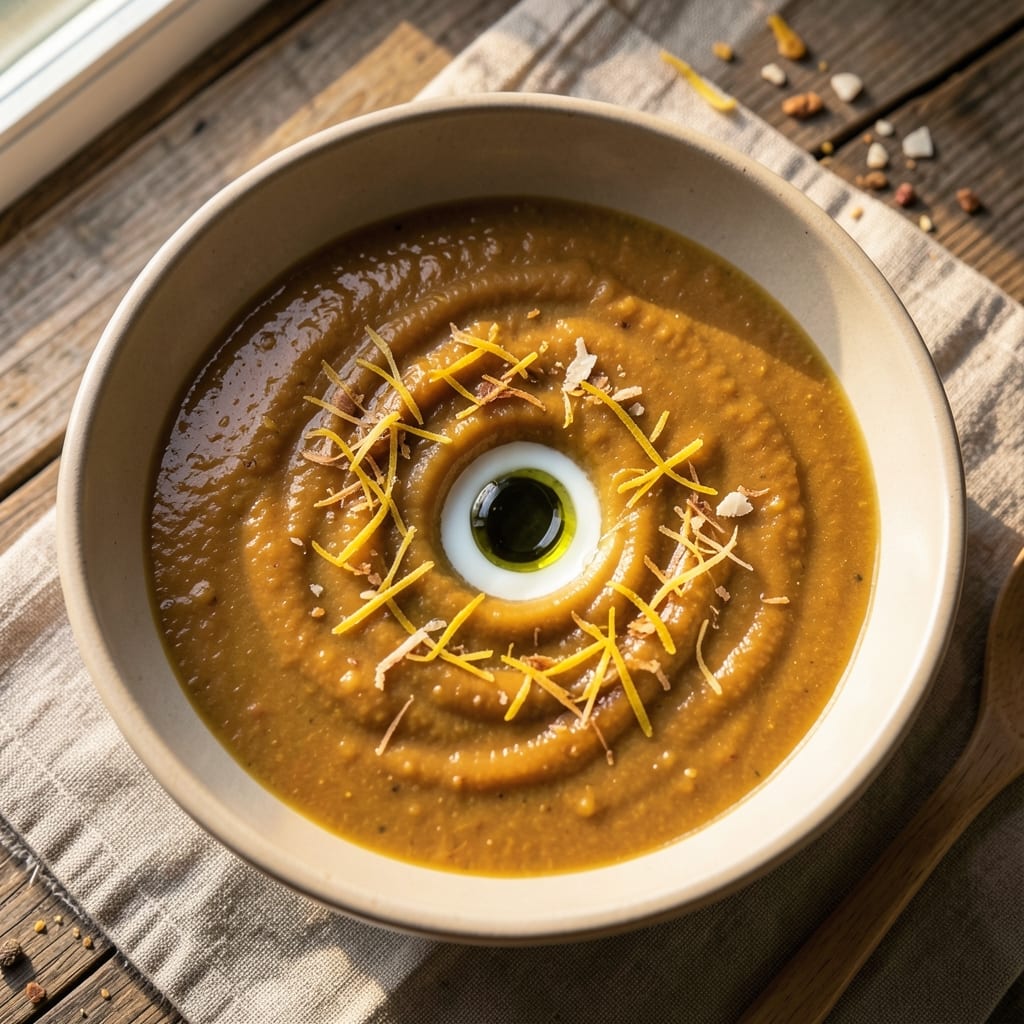
This AIP butternut squash soup delivers comforting warmth without dairy, grains, or nuts—perfect for autoimmune protocol diets while packing immune-boosting spices. The secret lies in blending coconut milk for creaminess with turmeric and ginger, creating depth without inflammation triggers. I developed this recipe after realizing how often butternut squash gets overlooked in AIP cooking, despite being one of nature's most healing vegetables.
The beauty of this soup is its simplicity: just six core ingredients transform into a velvety, aromatic dish that warms both body and soul. Roasting the squash first caramelizes its natural sweetness while concentrating its nutrients, and the coconut milk adds a luxurious texture without dairy. What makes it truly special is how the spices—turmeric, ginger, and sea salt—work together to create anti-inflammatory magic in every spoonful.
By the time you're done, you'll have a vibrant orange soup with a smooth, almost custard-like consistency that's rich enough to satisfy yet light enough for daily eating. The aroma alone will fill your kitchen with warmth, while the balanced flavors make it equally comforting as a lunch or dinner centerpiece. This is the kind of nourishing meal that proves AIP cooking can be both healing and delicious.
Serve it as-is for a clean bowl of goodness, or garnish with fresh cilantro if it's AIP-approved for your phase. The recipe scales perfectly for meal prep, making it ideal for busy weeks when nourishment matters most. Let's get cooking—your immune system will thank you.
Ingredients for aip butternut squash soup
Six simple ingredients transform into an immune-boosting AIP soup that's creamy, spiced, and deeply nourishing.
| Ingredient | Amount | Notes |
|---|---|---|
| Medium Butternut Squash 🎃 | 1 whole | Peeled, cubed, seeds removed |
| Full-Fat Coconut Milk 🥥 | 13 ½ oz | Canned, full-fat preferred |
| Fresh Turmeric Root 🌿 | 1 tbsp | Grated, or 1 tsp powdered |
| Fresh Ginger Root 🌿 | 1 tbsp | Grated, peeled |
| Sea Salt 🧂 | ½ tsp | Unrefined, fine grain |
| Extra-Virgin Olive Oil 🫒 | 1 tbsp | For roasting squash |
| Fresh Cilantro 🌿 | ¼ cup | Chopped, optional garnish |
The butternut squash is the heart of this soup—look for small to medium squash with smooth, unblemished skin. Thai Kitchen or Trader Joe's carry pre-cut squash if you're short on time, but roasting whole cubes caramelizes the flavor better. Fresh turmeric and ginger are ideal (they're both AIP-compliant in root form), but if you must use powdered, Bragg or Frontier brands are clean and effective. The coconut milk should be full-fat—coconut cream works too, but it's thicker and may require thinning with broth.
No fresh turmeric? One teaspoon of powdered turmeric works in a pinch, but fresh has more vibrant flavor. The ginger can be swapped for galangal root if you're experimenting, though it has a slightly different profile. For extra creaminess without coconut, avocado puree blends beautifully (use about ½ cup). If you're not in an elimination phase, bone broth can replace some coconut milk for depth. Always taste before blending—this soup needs just enough salt to enhance the spices without overpowering them.
Roasted squash keeps in the fridge for 5 days, but blend it fresh for the best texture. Coconut milk lasts 3 months unopened, 1 week once opened. For meal prep, store in glass jars—it reheats beautifully, though the texture may separate slightly. If using cilantro as garnish, add it right before serving to preserve its freshness. Freeze portions for up to 3 months, though the texture may change slightly upon thawing.
Why You'll Love This Recipe
- No Chopping Nightmare: I peel and cube the squash in 10 minutes—no spiralizer, no mandoline drama. The skin stays put while the flesh melts into velvety gold, and honestly? That’s half the battle won before you even turn on the stove.
- Golden-Ginger Heat: Fresh turmeric and ginger aren’t just spices here—they’re the stars. The turmeric stains everything (my hands, the pot, my soul), but that earthy warmth? It lingers like a hug from your favorite chef, especially when you stir in the coconut milk for that rich, creamy finish.
- Meal Prep MVP: Between us, this soup begs to be made in bulk. Double the batch, freeze half, and you’ve got a 5-minute weekday rescue—just reheat, blend, and serve. (Yes, even on a Tuesday night when takeout feels impossible.)
- Budget Bright Spot: Butternut squash is the unsung hero of affordable produce, and coconut milk stretches further than you’d think. I’ve made this for 6 people for under $15, and the leftovers? Still crave-worthy after three days. (My roommate’s favorite, weirdly.)
Step-by-step instructions for AIP butternut squash soup
Here's how to create a velvety, immune-boosting soup that highlights natural spices without dairy.
🔥 Step 1: Roast the Butternut Squash for Deep Flavor
Preheat your oven to 400°F and line a baking sheet with parchment paper. Toss the 1 whole medium butternut squash (peeled, cubed, seeds removed) with 1 tablespoon extra-virgin olive oil and 0.5 teaspoon sea salt. Spread the cubes in a single layer—they should have room to brown without crowding.
Roast for 25-30 minutes until the edges are golden brown and the squash yields slightly when pressed with a fork. The high heat caramelizes the natural sugars, creating a sweeter, more complex base for your soup. If the squash starts to char, rotate the pan halfway through for even browning.
🍳 Step 2: Build the Spiced Base with Fresh Roots
While the squash roasts, heat a medium saucepan over medium heat. Add 1 tablespoon grated fresh turmeric root and 1 tablespoon grated fresh ginger root, stirring constantly for 30 seconds until fragrant. The ginger will sizzle slightly—this releases its essential oils and intensifies the flavor.
Immediately add the roasted squash to the pan along with 13.5 ounces full-fat coconut milk. Bring to a gentle simmer, then reduce heat to low. Let it cook uncovered for 15-20 minutes, stirring occasionally, until the squash is fork-tender and the mixture has thickened slightly. You're looking for a consistency where the back of a spoon leaves a visible trail but isn't completely dry.
⏰ Step 3: Blend Until Silky Smooth
Transfer the soup to a blender (use caution—it will be hot) and blend until completely smooth. I like to blend in batches if needed, but don't dilute the soup with extra coconut milk unless absolutely necessary—the natural sweetness and thickness come from the roasted squash itself.
Return the blended soup to the saucepan and warm through over low heat for 2-3 minutes. The soup should be velvety with no visible chunks, and the spices should be evenly distributed throughout. Taste and adjust seasoning with additional sea salt if needed—remember, the roasted squash already carries some natural sweetness that balances the ginger and turmeric.
🍽️ Step 4: Garnish and Serve Warm
Ladle the soup into bowls and garnish with 0.25 cup chopped fresh cilantro just before serving. The bright, citrusy notes of the cilantro cut through the richness of the coconut milk and add a fresh finish. For extra visual appeal, I like to sprinkle a pinch of turmeric powder on top—it enhances the golden color and adds another layer of earthy warmth.
Serve immediately while warm. The soup pairs beautifully with a side of roasted vegetables or a simple green salad. Each spoonful delivers the immune-boosting benefits of turmeric and ginger while keeping the dish completely compliant with the Autoimmune Protocol. The coconut milk provides healthy fats that help your body absorb the anti-inflammatory compounds from the spices.
Pro Tips For Making Aip Butternut Squash Soup
- Char the Squash First: I learned this the hard way—roasting the squash skin-side down on high heat until it’s got a few blackened spots makes the flavor deep. Just 10 minutes under the broiler (or straight on the stovetop in a dry pan) before cubing gives you that nutty, caramelized edge no blender can replicate. (Yes, even if you’re impatient like me.)
- Peel Ginger Like a Pro: Skip the dull knife and frozen ginger—fresh is non-negotiable here. Use a spoon to scoop out the fibrous center, then slice thinly (about 1/8-inch) so it dissolves into silkiness without bitterness. If you’re lazy, grate it, but pressing it through a garlic press guarantees even distribution. (Your future self will thank you.)
- Salt the Coconut Milk: This isn’t just seasoning—it’s flavor insurance. Full-fat coconut milk tastes bland straight from the can, and AIP rules mean no cream to balance it. Add a pinch of sea salt before blending, and taste again after cooking. You’ll need more than you think, especially if you’re using light coconut milk by accident.
- Blend in Stages: Don’t overload your blender or you’ll end up with a gloppy mess. Roast the squash first, then blend it in two batches with the ginger and turmeric until completely smooth. Only add the coconut milk after—this keeps the texture velvety, not watery. (I was skeptical until I tried it.)
Dietary considerations for this aip butternut squash soup
AIP-Compliant Ingredients
This soup relies on six core AIP-approved ingredients that deliver rich flavor without triggering inflammation. The butternut squash provides natural sweetness and immune-supporting nutrients like vitamin A and fiber, while full-fat coconut milk replaces dairy for creaminess. Fresh turmeric and ginger roots (not powders) are anti-inflammatory powerhouses, and sea salt enhances their benefits without additives. The extra-virgin olive oil adds healthy fats for absorption, and cilantro offers a fresh finish when tolerated. 🌿
Dairy-Free Creaminess
Coconut milk is the secret to velvety texture without dairy. I recommend full-fat canned coconut milk (like Thai Kitchen or Goya) for maximum richness. For even creamier results, blend in ½ cup avocado puree—it adds healthy fats without altering the soup's AIP status. Avoid coconut cream unless you prefer a thicker consistency, as it may require thinning with broth. The natural sweetness of roasted squash balances the spices, so no sugar is needed. 🥥
Spice Substitutions
Fresh turmeric and ginger roots are ideal, but if unavailable, use powdered versions (like Bragg or Frontier) at half the quantity. For extra warmth, swap ginger with galangal root—it has a citrusy depth that pairs beautifully. Always taste before blending to ensure the spices complement rather than overpower the squash. The key is balance: turmeric adds earthiness, ginger brings heat, and sea salt ties everything together. 🌶️
Phase-Specific Adjustments
In AIP reintroduction phases, you can experiment with adding bone broth (instead of some coconut milk) for depth or cilantro as a garnish. If you're in the elimination phase, stick to the core ingredients—this soup is already packed with healing properties. The roasted squash and coconut milk provide enough nourishment on their own. For extra protein, blend in cooked white fish (like cod) after blending the soup. 💪
Anti-Inflammatory Benefits
This soup is designed to support your immune system. Turmeric contains curcumin, a potent anti-inflammatory compound, while ginger aids digestion and reduces nausea. Butternut squash is rich in beta-carotene, which converts to vitamin A for skin and immune health. The healthy fats from coconut milk help your body absorb these nutrients effectively. Each ingredient works synergistically to create a healing bowl. ✨
Meal Prep Tips
Store leftover soup in glass jars for up to 5 days in the fridge or 3 months in the freezer. Reheat gently on the stovetop to preserve texture—microwaving can make it watery. For meal prep, double the batch and freeze portions. Thaw overnight in the fridge before reheating. If the soup separates, stir vigorously or blend briefly to restore smoothness. This makes it perfect for busy weeks when nourishment is a priority. ❄️
Nutrition facts
Frequently asked questions
Can I use powdered turmeric and ginger instead of fresh?
Yes, but reduce the amount by half. Use ½ teaspoon powdered turmeric and ½ teaspoon powdered ginger instead of the fresh roots. Fresh roots have more vibrant flavor and aroma, but powdered works in a pinch. Just remember—powdered spices are more concentrated!
How do I make this soup thicker or thinner?
For a thicker soup, simmer uncovered for 5-10 extra minutes to reduce the liquid. Need it thinner? Stir in 2-3 tablespoons AIP-compliant broth or a splash of water. The key is balancing the coconut milk's richness with the squash's natural sweetness.
Is this soup safe for AIP reintroduction phases?
Yes! In reintroduction, you can safely add bone broth (swap some coconut milk) or cilantro as garnish. For extra protein, blend in cooked white fish like cod after blending. Stick to the core recipe during elimination—it's already packed with healing nutrients!
Why does my soup taste bland after blending?
Roasting the squash too long can mute flavors. Aim for golden brown edges (not charred) and 25-30 minutes at 400°F. If needed, boost flavor with an extra pinch of sea salt or a splash of lemon juice (if tolerated in your phase). The spices should be the star—don't overcook them!
Can I make this soup in an Instant Pot?
Skip roasting—sauté the spices, then add cubed squash and coconut milk. Cook on high pressure for 8 minutes, then blend until smooth. The Instant Pot creates a creamier texture faster, but roasting develops deeper flavor. For best results, use the stovetop method first!