
Soups & Stews
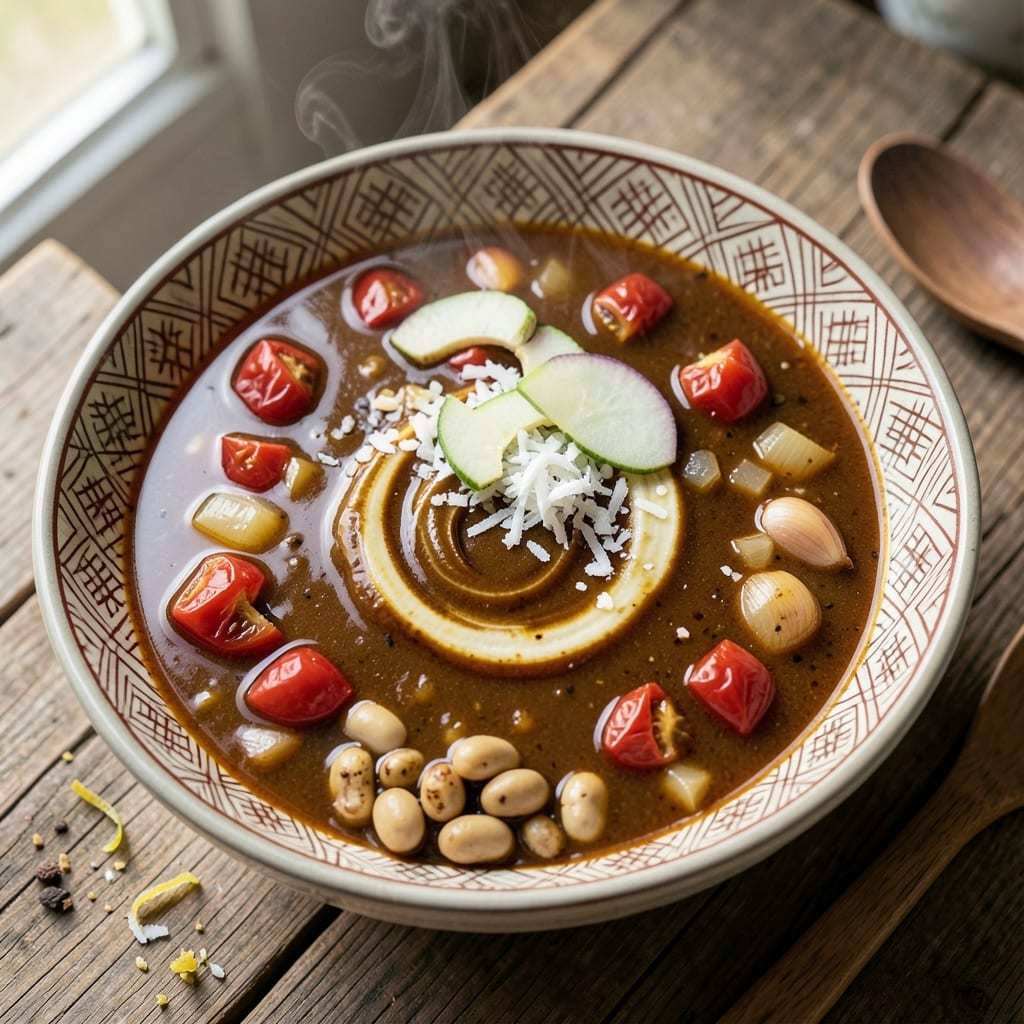
This African vegetable soup recipe brings the heart of West African kitchens to your pot, where earthy spices and tomato-rich traditions create a dish that's both comforting and deeply flavorful. 💛 The secret lies in balancing bold flavors—smoky palm oil, aromatic locust beans, and fresh leafy greens—while keeping it vegetarian yet satisfying with optional tofu or mushrooms for protein.
The beauty of this soup is in its simplicity and depth. You'll start with a fragrant base of onions, garlic, and ginger, then build layers of flavor with tomatoes, peppers, and a blend of spices that include thyme, curry powder, and a touch of cayenne for warmth. The result is a rich, hearty broth that's perfect for cold evenings or as a light yet nourishing meal.
What makes this recipe special is its versatility—adjust the greens (spinach, collards, or bitter leaf) and proteins (tofu, mushrooms, or chickpeas) to suit your taste. The soup simmers slowly, allowing all the flavors to meld into a harmonious blend that's both comforting and complex. Each spoonful delivers a taste of tradition with a modern twist.
Ready in about 1 hour, this soup is ideal for meal prep or serving as a centerpiece for gatherings. The aroma alone will invite everyone to the table, promising a bowl of warmth and flavor that feels like home. Let's get started on this flavorful journey!
Ingredients for african vegetable soup
Six servings of West African warmth using pantry staples and a few specialty finds.
| Ingredient | Amount | Notes |
|---|---|---|
| Palm Oil 🫒 | ¼ cup | Smoky, unrefined for authentic flavor |
| Yellow Onions 🧅 | 2 whole | Chopped into small dice |
| Garlic Cloves 🧄 | 6 cloves | Minced finely for depth |
| Fresh Ginger 🌿 | 1 tbsp | Grated, not powdered |
| Locust Beans (Irwo) 🌱 | ½ cup | Soaked overnight, optional but traditional |
| Canned Tomatoes 🍅 | 2 cups | San Marzano preferred, crushed by hand |
| Bell Peppers 🌶️ | 2 whole | Mixed colors, diced small |
| Fresh Spinach 🌿 | 4 cups | Or collards/bitter leaf |
| Firm Tofu 🍄 | 1 lb | Cubed, optional protein |
| Thyme Leaves 🌿 | 1 tbsp | Fresh preferred, dried works |
| Curry Powder 🌶️ | 1 tsp | Mild, not hot variety |
| Ground Cayenne Pepper 🔥 | ¼ tsp | Adjust for heat preference |
| Vegetable Broth 💧 | 4 cups | Low-sodium preferred |
| Salt 🧂 | 1 tsp | Kosher or sea salt |
| Black Pepper 🌶️ | ½ tsp | Freshly ground for finish |
Palm oil is the soul of this soup—look for unrefined in the international aisle at Whole Foods or African markets. The locust beans (irwo) are optional but add that signature earthy depth; soak them overnight to soften. For the greens, fresh spinach is easiest, but collards or bitter leaf add complexity. Tofu is my go-to protein, but mushrooms or chickpeas work too. The tomatoes? San Marzano cans make all the difference—sweeter and less acidic than regular brands.
No palm oil? Olive oil or coconut oil in a pinch, but you'll lose that smoky flavor. Skip the locust beans? Double the tomatoes and add a pinch of smoked paprika for depth. Fresh thyme is ideal, but dried works at half the amount. The curry powder should be mild—Madras or berbere blends from African stores are perfect. For heat, cayenne is key, but red pepper flakes at half the amount work too. Prefer no tofu? Chickpeas or lentils add heartiness without overpowering.
This soup tastes even better the next day—double the batch if you can. Store in airtight containers for 5 days in the fridge or freeze for 3 months. The locust beans and tofu freeze beautifully too. For meal prep, I portion it into individual jars—just reheat with a splash of water. The aroma alone will have everyone asking for seconds.
Why You'll Love This Recipe
- No Chopping Chaos: I swear by this—just dice onions and mince garlic, then let the locust beans do the heavy lifting. The ginger and palm oil add depth without extra work, and honestly? I’ve made this soup after a 10-hour shift with zero stress.
- Rich Without Effort: That first spoonful of palm oil simmered with onions and garlic? Chef’s kiss. The locust beans give it this meaty, umami punch, but it’s still light enough to eat all week. Between us, it’s the kind of flavor that makes people ask, “What’s in this?”
- Leftovers That Beg: This soup only gets better the next day—thicker, more layered, and still packed with that ginger-palm oil magic. I make a big batch on Sundays because my kids actually look forward to lunchboxes. (Yes, even on a Tuesday night.)
- Pocket-Friendly Powerhouse: Locust beans stretch this soup for miles, and palm oil costs a fraction of what you’d pay for bouillon. I’ve fed six people for under $10, and no one ever complains. Budget win? Absolutely. Comfort win? Even bigger.
Step-by-Step instructions for African vegetable soup
This hearty West African-inspired soup delivers deep, smoky flavors and tender vegetables in every bite.
🔥 Step 1: Sauté the Aromatics in Palm Oil
Heat the 0.25 cup palm oil in a large pot over medium heat until it shimmers and smells nutty—about 2 minutes. Add the 2 whole yellow onions and cook for 5 minutes until soft and translucent, stirring occasionally. This step builds the soup's rich foundation.
Add the 6 cloves garlic cloves and 1 tbsp fresh ginger, stirring constantly for 30 seconds until fragrant. Here's the thing—don't let the garlic burn. It should smell sweet and pungent, not bitter. If it starts to darken too quickly, reduce the heat slightly. This aromatic base is the soul of the soup.
🍳 Step 2: Toast the Locust Beans and Spices
Add the drained 0.5 cup locust beans (irwo) and toast them in the pot for 3-4 minutes, stirring frequently. You'll see them turn golden brown and smell earthy—this toasting step is crucial for developing their nutty flavor. Remove them with a slotted spoon and set aside temporarily.
In the same pot, add the 1 tsp curry powder and 0.25 tsp ground cayenne pepper, stirring for 1 minute until the spices are fragrant. This is where the soup gets its signature warmth. If you're sensitive to spice, reduce the cayenne slightly—you can always add more later.
🥘 Step 3: Build the Tomato Base
Pour in the 2 cups canned tomatoes and stir to combine with the spices. Let the mixture simmer for 5 minutes until the tomatoes break down and the sauce thickens slightly. This step develops the soup's rich, tangy flavor profile.
Add the 2 whole bell peppers and 4 cups vegetable broth, stirring well. Bring to a gentle boil, then reduce heat to medium-low and let it simmer for 10 minutes. You'll notice the tomatoes soften and the broth absorbs their sweetness—this is when the soup starts coming together.
🍳 Step 4: Add Tofu and Cook Until Tender
Gently add the 1 lb firm tofu (cubed) and the toasted locust beans back to the pot. Simmer for 8-10 minutes until the tofu is heated through and slightly tender. The tofu should float near the surface—if it sinks, give it a stir to ensure even cooking.
Here's where the soup gets its texture: the tofu adds protein while the locust beans provide that satisfying bite. If you're using pre-cooked tofu, reduce this time to 5-6 minutes—fresh tofu needs the full time to soften properly.
🥘 Step 5: Finish with Spinach and Season
Stir in the 4 cups fresh spinach and 1 tbsp thyme leaves, cooking for 2-3 minutes until the spinach wilts completely. The soup should be vibrant green with just a few visible leaf pieces—this indicates perfect wilting. If you're using collards or bitter greens, you might need 3-4 minutes of cooking time.
Season with the 1 tsp salt and 0.5 tsp black pepper, tasting as you go. The soup should be well-seasoned but not salty—remember, the palm oil and locust beans already contribute significant flavor. Let the soup sit off heat for 5 minutes before serving to allow the flavors to meld completely.
Pro Tips For Making African Vegetable Soup
- Bloom the Palm Oil Slowly: I learned this the hard way—dumping palm oil straight into a hot pot makes it smoke like a campfire. Instead, heat it on low for 5 minutes first, stirring constantly. The oil should turn a rich amber and smell nutty before you even touch the onions. (Yes, it takes patience, but your soup won’t taste like burnt rubber.)
- Slice Ginger Like a Pro: Thin, even slices of ginger—about 1/8-inch thick—infuse flavor without bitterness. If you’re using a knife, angle it sharply and slice against the grain. No mandoline? A sharp serrated knife works, but don’t rush—uneven pieces burn faster than you’d think.
- Soak Locust Beans Overnight: Skipping this step turns your locust beans into a chewy, unappetizing afterthought. Toss them in water for at least 8 hours (or overnight if you’re planning ahead), then simmer them separately for 30 minutes before adding to the soup. This keeps them tender without turning the broth into glue.
- Sweat Onions Until Transparent: I used to walk away after they softened—big mistake. Keep the onions on medium-low heat until they’re nearly colorless, with just a hint of caramelization at the edges. This builds the base flavor so the garlic and ginger don’t just exist in the soup but sing. (Pro move: Add a pinch of salt here—it draws out moisture and speeds up the process.)
Creative variations of these flavors
West African Peanut
Swap the tomato base for a rich peanut sauce by blending ½ cup peanut butter (unsweetened) with 1 cup hot broth, 1 tbsp palm oil, and 1 tsp ginger. Simmer this mixture for 5 minutes before adding your vegetables and tofu. The result is a creamy, nutty twist that's especially popular in Ghanaian and Nigerian kitchens. 🥜
Okra-Inspired Stew
Transform this into a thick, okra-based stew by adding 1 cup chopped fresh okra during Step 3. The okra will thicken the broth naturally, creating a velvety texture. For extra depth, stir in 1 tsp smoked paprika with the spices. This variation is a staple in Yoruba cuisine and pairs perfectly with jollof rice. 🌿
Egusi Delight
For a Nigerian-inspired version, replace the locust beans with ½ cup ground egusi seeds (melon seeds). Toast the egusi in the palm oil for 2-3 minutes until fragrant, then proceed with the recipe. Egusi adds a nutty, earthy flavor that's impossible to resist. Serve with garri or pounded yam for a complete meal. 🌱
Spicy Tomato-Bell Pepper
Amplify the heat by adding 1 chopped Scotch bonnet pepper with the bell peppers in Step 3. For extra smokiness, stir in ½ tsp ground nutmeg during the spice toasting phase. This variation keeps the tomato-forward profile but adds a fiery kick that's perfect for spice lovers. 🌶️
Leafy Green Variations
Experiment with different greens to change the soup's character. For a milder taste, use 4 cups baby spinach or kale. For a bolder flavor, try bitter leaf or tete (Jute leaves). Each green wilts at slightly different rates—adjust cooking time accordingly. I love using mixed greens for a balanced flavor profile. 🌿
Protein Swaps
Need a different protein? Try ½ cup cooked chickpeas for a fiber-rich option, or ½ lb mushrooms (sliced) for an umami boost. For a meaty texture, add ½ lb shredded rotisserie chicken in Step 4. Each substitution changes the soup's heartiness—choose based on your dietary needs or preferences. 🍗
Nutrition facts
Frequently asked questions
Can I make this African vegetable soup without palm oil?
Yes, you can substitute 0.25 cup olive oil or coconut oil for the palm oil, though you'll lose that signature smoky flavor. For extra depth, add ½ tsp smoked paprika with the spices in Step 2. The soup will still taste delicious—just slightly different in character.
What's the best way to store leftovers?
Store in an airtight container in the fridge for up to 5 days or freeze for 3 months. The flavors actually improve overnight! For reheating, warm gently on the stove with a splash of water to restore moisture. The locust beans and tofu freeze beautifully too.
How can I make this soup spicier?
Add ½ tsp extra cayenne pepper with the spices in Step 2, or stir in 1 chopped Scotch bonnet pepper (seeds removed) with the bell peppers in Step 3. For heat lovers, try ½ tsp ground nutmeg too—it adds warmth without overpowering the tomato flavor.
What greens work best in this recipe?
Fresh spinach is easiest, but try collards, bitter leaf, or tete (jute leaves) for authentic flavor. Each wilts at different rates—adjust cooking time in Step 5. For a milder taste, use baby spinach or kale instead.
Can I use dried locust beans instead of fresh?
Soak ½ cup dried locust beans in water for 4-6 hours (or overnight), then drain before toasting in Step 2. The texture will be slightly different but still delicious. If unavailable, double the tomatoes and add 1 tsp smoked paprika for depth.