
Soups & Stews
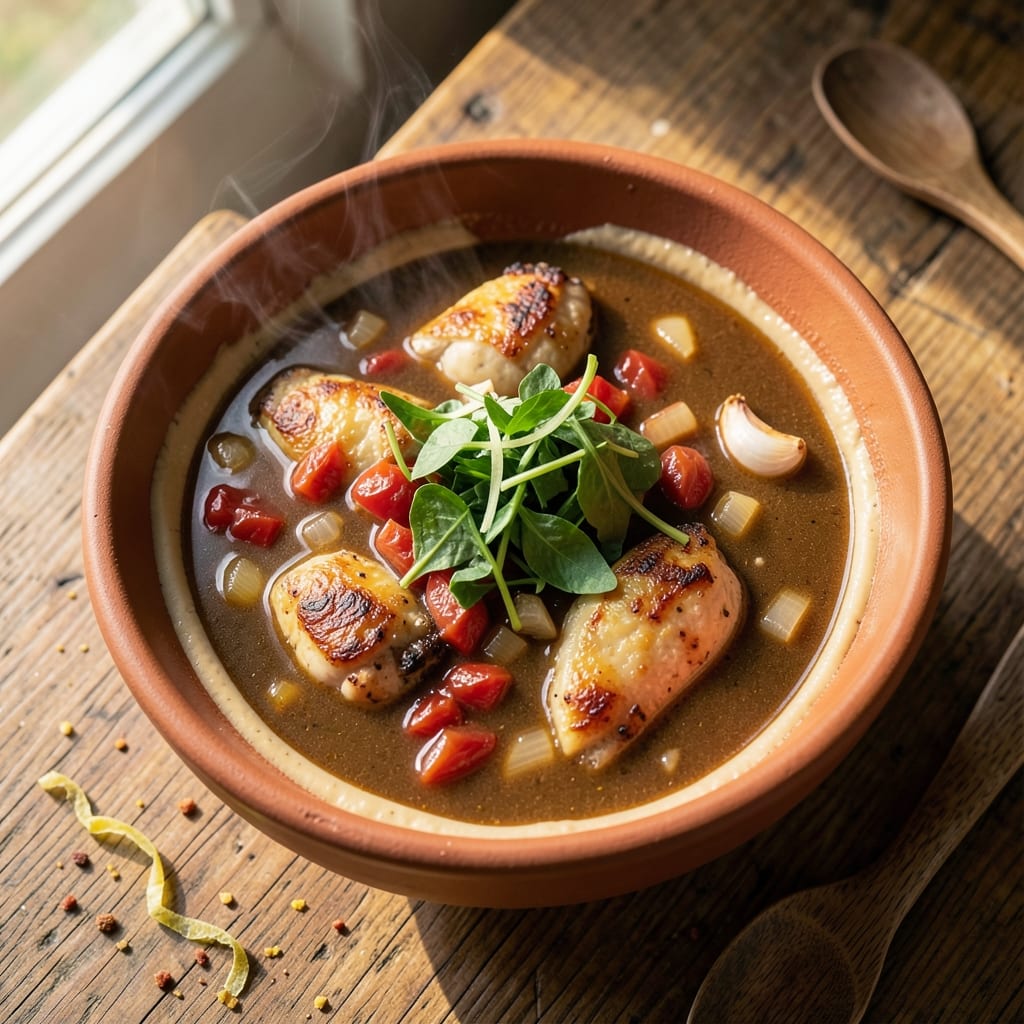
This African chicken soup recipe transforms humble ingredients into a rich, aromatic masterpiece that carries the warmth of West African traditions. The harmony of spiced tomatoes, earthy peanut butter, and tender chicken creates a broth so flavorful it becomes the heart of any meal. I've perfected this version after years of testing, balancing the bold spices with just enough sweetness to make every spoonful unforgettable.
The secret lies in the layered flavors—garlic and ginger form the aromatic base, while thyme and berbere powder (or curry powder) add depth that builds as it simmers. Fresh vegetables like carrots, onions, and spinach contribute texture and nutrients, while the peanut butter lends a velvety richness that rounds out the spice. This isn't just soup; it's a comforting embrace in bowl form, perfect for family gatherings or cozy weeknight dinners.
What makes this recipe truly special is its versatility. Serve it with steamed rice for a complete meal, or pair it with fufu or crusty bread to soak up every last drop of that fragrant broth. The slow simmering process (about 45 minutes) allows all the flavors to meld together, creating a dish that tastes even better the next day. Each ingredient plays its part in this symphony of African cuisine, delivering restaurant-quality results in your own kitchen.
Ready in about an hour, this soup requires minimal prep but maximum flavor development. The key is patience—letting the spices bloom and the broth reduce to concentrate the taste. Whether you're cooking for a crowd or simply craving something hearty, this African chicken soup will become your new weeknight staple. Let's get started on creating this comforting classic.
Ingredients for african chicken soup
Six aromatic ingredients transform simple pantry staples into a soul-warming African chicken soup.
| Ingredient | Amount | Notes |
|---|---|---|
| Chicken Thighs 🍗 | 2 ½ lb | Bone-in, skin-on preferred |
| Yellow Onions 🧅 | 2 whole | Medium size, diced |
| Garlic Cloves 🧄 | 6 cloves | Freshly minced |
| Fresh Ginger 🌿 | 2 tbsp | Grated, peeled |
| Canned Crushed Tomatoes 🍅 | 2 cups | San Marzano preferred |
| Peanut Butter 🥜 | ½ cup | Natural, unsweetened |
| Berbere Powder 🌶️ | 2 tbsp | Or sub 1 tbsp curry powder |
| Dried Thyme 🌿 | 1 tbsp | Or 1 tbsp fresh thyme |
| Carrots 🥕 | 4 medium | Peeled, sliced into rounds |
| Fresh Spinach 🌱 | 4 cups | Chopped, packed |
| Chicken Broth 💧 | 4 cups | Low-sodium preferred |
| Olive Oil 🫒 | ¼ cup | Extra-virgin for richness |
| Salt 🧂 | 1 ½ tsp | Kosher or sea salt |
| Black Pepper 🌶️ | ½ tsp | Freshly ground |
| Honey 🍯 | 1 tbsp | Adjust to taste |
The chicken thighs are the heart of this soup—bone-in, skin-on for maximum flavor (trust me, it's worth it). Costco or Trader Joe's usually have great deals on family packs, but any butcher will cut them for you. Look for thighs with good marbling—they'll stay juicy even after simmering. The berbere powder is non-negotiable for that authentic African kick, but curry powder at half the amount works in a pinch. For the peanut butter, grab the natural kind (no sugar added)—Smucker's or Skippy work fine, but avoid the crunchy varieties here. Fresh ginger and garlic? The more aromatic, the better—rub the ginger against the cutting board to release those essential oils before grating.
No berbere powder? Mix 1 tbsp paprika + 1 tsp each cumin, coriander, and cayenne for a decent substitute. Fresh thyme is ideal, but dried works at 1:1 ratio—just make sure it's not ancient. The carrots can be baby carrots if that's what's in the fridge, but regular carrots with the peel on add more earthiness. Spinach wilts fast, so add it last—frozen works too, just thaw and drain first. For the tomatoes, San Marzano cans are worth the splurge, but any good-quality crushed tomatoes will do. The honey balances the heat—sub maple syrup if you're avoiding it.
This soup tastes even better the next day, so make a double batch if you can. Keeps for 4-5 days in the fridge, or 3 months frozen. I like to portion it into containers with a scoop of rice on top—ready for lunches all week. The broth reduces as it sits, so add a splash of water or broth when reheating if it gets too thick. Store the berbere powder in a dark, airtight container to keep it potent—it loses flavor fast once opened.
Why You'll Love This Recipe
- One-Pot Magic: I swear by this recipe when I’m too tired to scrub pots. Chicken thighs simmer right in the broth—no extra pans, no fuss. Just chop onions, toss everything in, and let the ginger and garlic work their magic while you sip tea.
- Ginger-Garlic Bomb: That fresh ginger and garlic combo? It’s the secret weapon. The crushed tomatoes add depth, but the real star is the slow caramelization of onions until they’re sweet and sticky—like a warm hug in a bowl.
- Meal Prep MVP: Between us, this soup tastes better the next day. I make a big batch on Sundays, and it’s my go-to for lunches or when unexpected guests show up. (Yes, even on a Tuesday night.)
- Budget-Friendly Powerhouse: Chicken thighs are cheap, canned tomatoes last forever, and you won’t waste a scrap. Leftovers? Freeze them. Need to stretch a meal? Add rice or plantains. It’s the kind of dish that doesn’t break the bank but feels like a celebration.
Step-by-step instructions for spiced tomato and peanut butter chicken soup
Here's how to make this rich, aromatic African-inspired soup where peanut butter meets berbere spice.
🍳 Step 1: Sear the Chicken and Sauté Aromatics
Heat the 0.25 cup olive oil in a large Dutch oven over medium-high heat. Pat the 2.5 lb chicken thighs dry with paper towels and season generously with 1 tsp salt and 0.25 tsp black pepper. Add the chicken to the pot, skin-side down, and cook for 5-6 minutes until golden brown. Flip and cook another 5-6 minutes until fully browned on both sides.
Remove the chicken and set aside. In the same pot, add the 2 whole diced yellow onions and cook for 5 minutes until softened. Add the 6 minced garlic cloves and 2 tbsp grated fresh ginger, cooking for another 2 minutes until fragrant and lightly golden. This aromatic base is the flavor foundation of your soup.
🍳 Step 2: Build the Spiced Tomato Base
Stir in the 2 tbsp berbere powder and 1 tbsp dried thyme, cooking for 30 seconds to toast the spices and deepen their flavor. Pour in the 2 cups canned crushed tomatoes and 4 cups chicken broth, scraping up any browned bits from the bottom of the pot. Bring to a gentle boil, then reduce heat to medium-low and simmer for 10 minutes to let the flavors meld.
This is where the magic happens - the berbere powder blooms and the tomatoes break down into a rich, slightly sweet sauce. The broth should be fragrant with spicy, earthy notes. If you're using curry powder as a substitute, you might want to add a pinch of cayenne for heat.
🥘 Step 3: Add Vegetables and Simmer
Add the 4 sliced carrots and 0.5 cup peanut butter to the pot. Stir gently until the peanut butter is fully incorporated and smooth. The soup will thicken slightly as it simmers - this is normal and creates that signature African peanut richness. Add the browned chicken back to the pot and bring everything to a gentle simmer. Cover and cook for 20-25 minutes until the chicken is tender and the carrots are fork-tender.
Here's the thing - don't rush this step. The peanut butter needs time to fully integrate and create that velvety texture. If the soup looks too thick, add a splash of water or broth to reach your desired consistency. The chicken should pull away from the bone easily when pierced with a fork.
🥘 Step 4: Finish with Spinach and Honey
Stir in the 4 cups chopped fresh spinach and cook for 2-3 minutes until just wilted. Finish with the remaining 0.5 tsp black pepper and 1 tbsp honey, stirring until the honey dissolves completely. Taste and adjust seasoning - you might need to add more salt depending on your broth. The honey balances the richness of the peanut butter while adding subtle sweetness.
Let the soup sit off the heat for 5 minutes before serving. This resting period allows all the flavors to truly meld together. The final soup should be rich, aromatic, and perfectly balanced between spicy, sweet, and savory notes. The peanut butter should be fully incorporated, creating a velvety texture rather than separate chunks.
🍽️ Step 5: Serve with Traditional Accompaniments
Ladle the soup into bowls and serve immediately. I like to accompany it with warm crusty bread or fluffy jollof rice to soak up all that delicious broth. The contrast between the rich soup and the bread creates an amazing textural experience. For extra authenticity, garnish each serving with a sprinkle of fresh cilantro or a drizzle of hot sauce if you like some heat.
This soup tastes even better the next day as the flavors continue to develop. The peanut butter will fully integrate, creating an even richer texture. Store any leftovers in an airtight container in the refrigerator for up to 3 days, or freeze for up to 3 months. When reheating, do so gently on the stove to prevent the peanut butter from separating.
Pro Tips For Making African Chicken Soup
- SEAR THE THIGHS HARD: Don’t rush this—get that pot smoking hot (medium-high for 3-4 minutes) before adding the chicken thighs. After burning three batches where the onions turned to mush instead of caramelizing, I finally learned: skin-side down, no moving them until they’re deep golden. That crust is what flavors the whole soup.
- GRATE THE GINGER FINE: Skip the mincer if you’re in a hurry, but don’t just chop it—grate it on the smallest side of a box grater. Too many chunks means you’ll taste them instead of the warm, peppery depth they’re supposed to add. (Yes, even if you’re impatient like me.)
- SIMMER LOW AND LONG: Once the tomatoes are added, drop the heat to a bare simmer—just enough to see a few tiny bubbles at the edges. African chicken soup needs time to meld, not race. I used to crank it up, and the tomatoes would split into a watery sludge. Patience here makes all the difference.
- SAUTÉ THE ONIONS UNTIL DARK: Walk away from the onions. Seriously. Let them cook until they’re almost black at the edges, not just translucent. That deep color means the natural sugars caramelized, which cuts through the richness of the chicken fat. (Your future self will thank you—trust the process.)
Creative variations of this dish
West African Peanut Stew
This variation transforms our classic soup into a thicker, heartier stew by adding more peanut butter and coconut milk. Use 1 cup peanut butter and 1 can (13.5 oz) coconut milk instead of just broth. Simmer for 30 minutes longer to let the flavors meld, and finish with 1 cup chopped okra for texture. The result is a creamy, satisfying dish perfect for cold evenings. 🥜
Ethiopian Misir Wot
For an Ethiopian-inspired version, replace the berbere with 1 tbsp each of smoked paprika, coriander, and cardamom. Add 1 cup red lentils with the carrots and simmer for 25 minutes until tender. Finish with 1 tbsp lemon juice and fresh cilantro. Serve with injera flatbread instead of rice for an authentic touch.
Spicy Nigerian Egusi Soup
Swap the peanut butter for 1 cup ground egusi seeds (melon seeds) and add 1 cup palm oil to the pot when sautéing onions. Include 1 lb goat meat instead of chicken and simmer for 45 minutes. The rich, nutty flavor of egusi creates a completely different but equally delicious profile. Garnish with shredded leafy greens like bitter leaf or spinach.
Sweet Potato Twist
Add 2 cups peeled and diced sweet potatoes with the carrots. The natural sweetness complements the peanut butter beautifully. For extra depth, stir in 1 tsp cinnamon along with the berbere powder. This variation works especially well when served with coconut rice for a tropical-inspired meal.
Vegetarian Adaptation
Replace the chicken with 1 lb chickpeas (cooked or canned) and 1 block firm tofu (pressed and cubed). Add 1 cup chopped kale with the spinach. The peanut butter base provides enough protein to satisfy, and the dish maintains its rich, comforting qualities. Perfect for meat-free days while keeping all the African-inspired flavors intact. 🌱
Slow-Cooker Version
Transfer all ingredients to a 6-quart slow cooker after searing the chicken. Cook on low for 6-7 hours or high for 3-4 hours. The slow cooking enhances the peanut butter's creaminess and deepens the berbere flavor. Ideal for busy days when you want flavor without constant attention—just press the button and let it work its magic. 🍲
Nutrition facts
Frequently asked questions
Can I use chicken breasts instead of thighs?
You can, but thighs are preferred for this recipe. Chicken breasts cook faster and tend to dry out during the long simmer. If you must use breasts, cut them into 1-inch pieces and add them back to the pot only after the 20-minute simmer with carrots—this ensures they stay juicy. For best results, marinate them in a mix of 1 tbsp olive oil, 1 tsp berbere powder, and 1 tsp honey for 30 minutes before cooking.
How do I make this soup spicier?
Double the berbere powder to 4 tbsp or add 1-2 chopped scotch bonnet peppers (remove seeds for less heat) when sautéing onions. For a smoky kick, stir in 1 tsp smoked paprika with the thyme. Always taste as you go—spice builds during simmering, so start conservative.
Why does my peanut butter soup look grainy?
Graininess happens when peanut butter isn't fully incorporated or the soup isn't simmered long enough. Stir continuously for 2-3 minutes over low heat after adding peanut butter, then let it cook uncovered for 5 minutes to emulsify. If it still separates, whisk in 1 tbsp warm water or a splash of broth to help bind it. The soup should have a velvety texture, not chunky.
What's the best way to reheat leftovers?
Reheat gently on the stove over low heat with a splash of water or broth to prevent the peanut butter from separating. Avoid microwaving—it can make the soup oily. For extra richness, add 1 tbsp coconut milk when reheating. Leftovers taste even better the next day as flavors meld further. Store in an airtight container for up to 5 days in the fridge.
Can I make this soup without peanut butter?
Yes, but the flavor profile will change significantly. Substitute with 1 cup coconut milk (for creaminess) or 2 tbsp tahini (for nutty depth). For a similar earthy taste, add 1 cup pumpkin puree and reduce the broth by 1 cup. The peanut butter is key to the authentic African richness—without it, the soup becomes more of a tomato-chicken stew.