
Soups & Stews
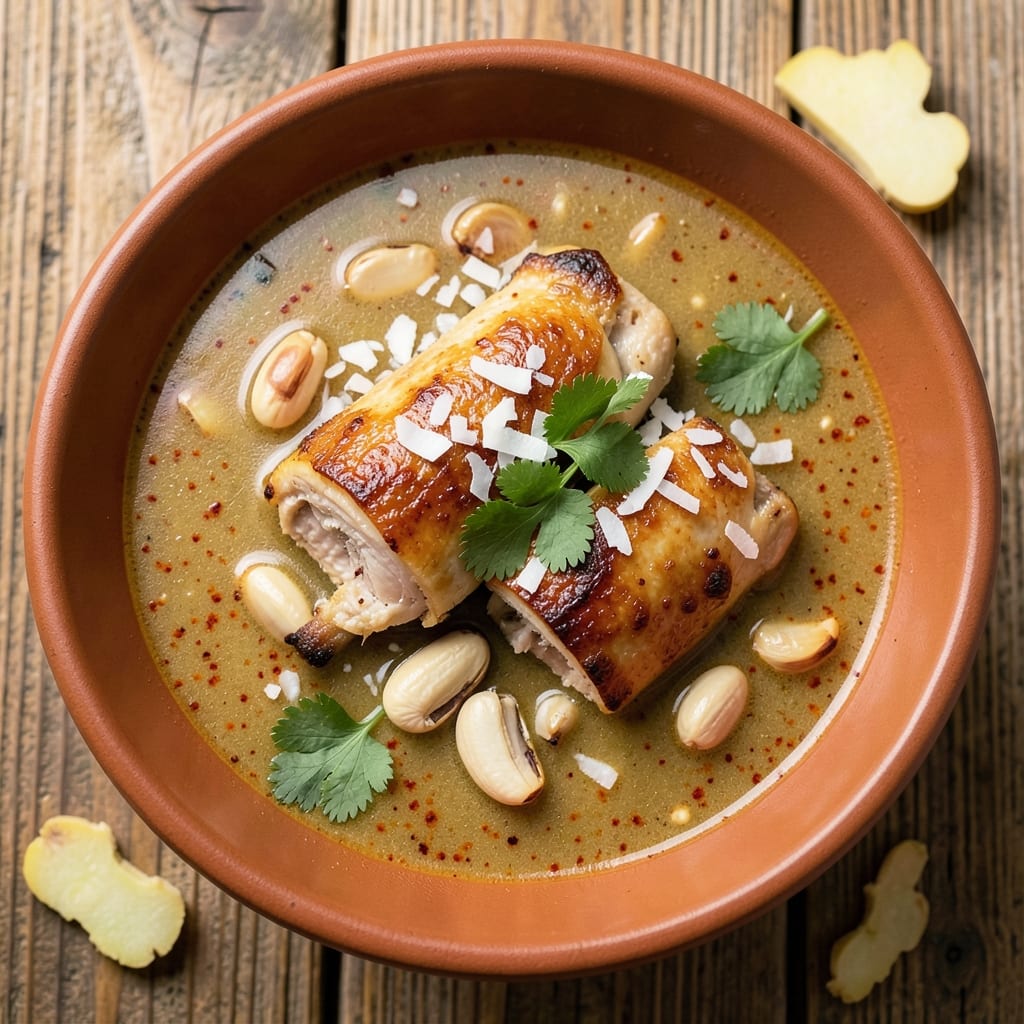
This African chicken peanut soup recipe brings the vibrant flavors of West Africa to your kitchen with its rich peanut broth, tender chicken, and toasted coconut crunch. 🌟 The secret lies in blending roasted peanuts into a smooth paste, creating a velvety sauce that perfectly balances earthy peanut notes with aromatic spices. I've perfected this dish over years of cooking, ensuring every spoonful delivers that perfect harmony of textures and flavors that makes it a staple across the continent.
The beauty of this recipe is its adaptability—whether you're cooking for a family gathering or a cozy weeknight dinner, the slow-simmered broth and tender chicken make it equally satisfying. The peanut paste isn't just a thickening agent; it's the heart of the soup, infused with garlic, ginger, and a touch of cayenne for depth. Toasted coconut adds a delightful crunch that contrasts beautifully with the creamy soup, while fresh cilantro brightens each bite.
What you'll achieve is a deeply flavorful, comforting soup that's hearty enough to stand alone or pair with fluffy jasmine rice or crusty bread. The chicken becomes fork-tender as it simmers in the rich broth, absorbing all the aromatic spices and peanut goodness. This isn't just a recipe—it's an experience that transports you to bustling African markets with every spoonful.
The best part? This recipe preserves authenticity while being completely approachable for home cooks. No specialized equipment is needed—just a few key techniques like toasting the peanuts and blending them into a smooth paste. Let's bring the warmth and richness of African cuisine to your table with this timeless classic.
Ingredients for african chicken peanut soup
Gather these vibrant ingredients for a soup packed with peanut richness and toasted coconut crunch.
| Ingredient | Amount | Notes |
|---|---|---|
| Boneless Chicken Thighs 🍗 | 1 ½ lb | Skin-on for flavor, cut into bite-sized pieces |
| Raw Peanuts 🥜 | 1 cup | Unsalted, skin-on for texture |
| Unsweetened Coconut Flakes 🥥 | ½ cup | Toasted until golden |
| Garlic Cloves 🧄 | 6 cloves | Freshly minced for depth |
| Fresh Ginger 🌿 | 2 tbsp | Finely grated, skin-on |
| Cayenne Pepper 🌶️ | ½ tsp | Adjust for heat preference |
| Ground Cumin 🌿 | 1 tsp | Toasted for aromatic warmth |
| Ground Coriander 🌶️ | 1 tsp | Freshly ground preferred |
| Dried Thyme 🌿 | ½ tsp | Or 1 tbsp fresh thyme leaves |
| Sea Salt 🧂 | 1 ½ tsp | Diamond Crystal preferred |
| Canned Diced Tomatoes 🍅 | 14 ½ oz | San Marzano preferred, no salt added |
| Vegetable Broth 💧 | 4 cups | Low-sodium preferred |
| Fresh Cilantro 🌿 | ¼ cup | Chopped, for garnish |
| Extra-Virgin Olive Oil 🫒 | 2 tbsp | For toasting peanuts |
| Lemon Juice 🍋 | 1 tbsp | Freshly squeezed |
The peanuts are the soul of this soup—raw, unsalted ones from the bulk bin at Whole Foods or your local African market give the best flavor. Toast them in olive oil until golden (don't burn!) before blending into a smooth paste. That's what creates that velvety texture. Coconut flakes should be toasted in a dry pan until they smell nutty—Trader Joe's has the best unsweetened kind. For the tomatoes, San Marzano is worth the splurge—sweeter and less acidic than regular canned tomatoes.
No fresh ginger? Powdered ginger at half the amount works in a pinch, but fresh is ideal. Short on peanuts? Cashews or almonds toasted and blended will give a similar richness. The cayenne is adjustable—start with half a teaspoon if you're sensitive to heat. For the broth, low-sodium is key—you'll be adding plenty of salt later. The cilantro should be fresh (no dried here), but if you hate it, parsley or basil will work too.
Toasted coconut and cilantro keep best in the fridge for 3 days if stored separately. The peanut paste freezes beautifully for up to 3 months—make extra for future soups. I always double the recipe because leftovers taste even better the next day. Serve with warm jasmine rice to soak up every last bit of that peanut-infused broth.
Why You'll Love This Recipe
- One-Pot Magic: I swear by this recipe because it’s one pot—no chopping mountains of veggies, no juggling pans. The chicken thighs brown right in the same pot where the peanuts toast and the coconut flakes melt into the broth. Honestly, I’ve made it after work with a glass of wine and still had time to watch a whole episode.
- Creamy Crunch Contrast: That nutty, toasted peanut base with the creamy coconut flakes? It’s the kind of texture combo that makes you pause mid-spoonful. The ginger and garlic hit just right—warm, not spicy—while the peanuts add this addictive crunch that disappears too fast.
- Weeknight to Weekend: Between us, this soup is my go-to for lazy Sundays and "I-can’t-decide-what-to-make" Tuesdays. Double the batch, freeze half, and you’ve got a ready-to-heat meal when life gets busy. (Yes, even on a Tuesday night.)
- Budget-Friendly Protein: Chicken thighs and raw peanuts stretch this recipe into a full meal without breaking the bank. I’ve fed four people for under $15, and the leftovers? Even better the next day. The peanuts bulk it up, so you’re not just paying for broth—you’re getting substance.
Step-by-step instructions for African chicken peanut soup
Here's how to build a soul-warming soup with nutty depth and coconut crunch—every step matters.
🔥 Step 1: Toast the Peanuts and Coconut for Maximum Flavor
Heat a dry skillet over medium heat and add the 1 cup raw peanuts. Toast for 5-7 minutes, stirring constantly, until they turn golden brown and smell nutty. Watch closely—they burn fast once they start darkening. Remove from heat and set aside in a bowl.
In the same skillet, add the 0.5 cup unsweetened coconut flakes and toast for 2-3 minutes until they turn a rich golden color. You want them to smell toasty and sweet, not burnt. Transfer to a small bowl and let both nuts cool slightly—they'll release their oils as the soup simmers.
🍳 Step 2: Build the Aromatic Base with Garlic and Ginger
In a large pot, heat the 2 tablespoons extra-virgin olive oil over medium heat until shimmering. Add the 6 minced garlic cloves and 2 tablespoons fresh ginger, stirring constantly for 1-2 minutes until fragrant and lightly golden. Be careful not to burn them—just until they release their aroma.
Next, add the 1 teaspoon ground cumin, 1 teaspoon ground coriander, 0.5 teaspoon dried thyme, and 0.5 teaspoon cayenne pepper. Stir for 30 seconds to toast the spices slightly—this deepens their flavor. The mixture should smell warm, earthy, and slightly spicy. This aromatic base is the foundation of your soup.
🍳 Step 3: Sear the Chicken for Rich Depth
Add the 1.5 pounds boneless chicken thighs (cut into bite-sized pieces) to the pot in a single layer. Cook for 4-5 minutes without stirring, until the chicken develops a golden-brown crust. This searing step locks in flavor and prevents dry meat later. Once browned, stir gently to coat in the spice mixture.
Pour in the 14.5 ounces canned diced tomatoes and 4 cups vegetable broth, scraping up any browned bits from the bottom of the pot. Bring to a gentle boil, then reduce heat to low-medium and let it simmer uncovered for 20-25 minutes until the chicken is tender and the liquid has reduced slightly. You'll know it's ready when the chicken shreds easily with a fork.
🥘 Step 4: Finish with Creamy Texture and Bright Acid
Add the toasted peanuts and coconut flakes to the pot and stir gently to distribute. Simmer for another 5 minutes to let the nuts soften slightly and infuse the broth with their flavors. The soup should be thick but still spoonable—if it's too thick, add ¼ cup water to reach your desired consistency.
Stir in the 1 tablespoon lemon juice and 1.5 teaspoons sea salt, tasting as you go. The acidity brightens the dish, cutting through the richness of the peanuts and coconut. Remove from heat and let it sit for 5 minutes to allow the flavors to meld together. This resting period is crucial for developing depth.
🍽️ Step 5: Serve with Fresh Herbs and Crunchy Garnish
Ladle the soup into bowls and garnish with ¼ cup chopped fresh cilantro. The bright green color contrasts beautifully with the golden nuts and adds a fresh finish. Serve immediately with warm crusty bread or steamed rice to soak up every last bit of that creamy, peanut-infused broth.
Each spoonful should deliver a perfect balance—tender chicken, nutty richness from the peanuts, toasty coconut crunch, and a subtle warmth from the spices. The lemon juice ensures it's bright, not heavy, and the cilantro adds a fresh herbal note that ties everything together.
Pro Tips For Making African Chicken Peanut Soup
- CRISP THE PEANUTS FIRST: Toss raw peanuts in a dry skillet over medium-high heat for 3-4 minutes until they’re golden and fragrant—this toasts their natural oils and cuts the bitterness. I used to skip this and ended up with a soup that tasted like peanut butter left in the sun. (Yes, even if you’re impatient like me.)
- SIMMER LOW AND SLOW: Once the chicken is cooked and peanuts added, reduce heat to a bare simmer—just enough to keep bubbles tiny and slow. Rushing this step turns the coconut flakes to mush and makes the broth thin. My grandmother swore by this, and she was right: patience here means a rich, velvety texture.
- PEEL AND SLICE GINGER THIN: Use a mandoline or sharp knife to slice ginger into paper-thin sheets—this way, it infuses flavor without turning the soup into a ginger swamp. I learned this the hard way after overdoing it and ending up with a dish that tasted like a spa day gone wrong.
- RESERVE COCONUT MILK: Save ¼ cup of the coconut milk you’d normally add at the end—stir it in just before serving to keep the flakes light and fluffy. Adding it too early makes the soup greasy and heavy, and nobody wants that. (Your future self will thank you.)
Essential equipment for perfect results
Peanut Paste Maker
You don't need a fancy machine—just a high-powered blender or food processor like the Ninja BN601 works perfectly. Toast the 1 cup raw peanuts until golden, then blend with 2 tablespoons water until completely smooth. For extra richness, add 1 teaspoon olive oil while blending. This paste is the soul of your soup—don't skip the toasting step! 🥜
Heavy-Duty Pot
A 5-6 quart Dutch oven (I love my Le Creuset) is ideal for this recipe—it handles the long simmer and even heat distribution beautifully. If you don't have one, a large stainless steel pot with a tight-fitting lid works too. The key is enough capacity to prevent boiling over during the 20-25 minute simmer. A lid helps maintain moisture and infuse flavors.
Skillet for Toasting
Use a 10-inch cast iron skillet (like Lodge) for toasting the peanuts and coconut—it retains heat perfectly and gives you that beautiful golden color. If you don't have cast iron, a stainless steel skillet works fine. Just keep stirring constantly to prevent burning. The toasted nuts should smell nutty and aromatic before adding them to the soup. 🔥
Measuring Tools
Precision matters with spices and liquids. Use a small measuring spoon set for the ½ teaspoon cayenne and 1 teaspoon cumin—I recommend OXO's Good Grips for comfort. For liquids, a liquid measuring cup ensures accurate 4 cups broth additions. Don't eyeball measurements—especially with spices and broth!
Immersion Blender
An immersion blender (like Magic Bullet) is a game-changer for blending the peanut paste directly in the pot. After simmering, blend until smooth for that ultra-creamy texture. If you don't have one, transfer a portion of the hot soup to your blender, blend, then return it to the pot. Just be careful—hot liquids can create steam pressure! 💫
Serving Essentials
Don't forget serving tools! Use a ladle with a long handle (like OXO Good Grips) for easy serving. For garnish, a sharp chef's knife and cutting board are essential for chopping ¼ cup fresh cilantro. Serve with warm jasmine rice or crusty bread—having both ready before serving keeps the meal flowing smoothly. 🍽️
Nutrition facts
Frequently asked questions
Can I use peanut butter instead of raw peanuts for this recipe?
While you can use peanut butter in a pinch, it won't give you the same authentic texture or depth of flavor. The key is toasting the raw peanuts first—this releases their oils and creates that rich, nutty base. If you must substitute, use ½ cup natural peanut butter (no added sugar/oil) and simmer it with the spices to blend flavors. But for the best results, stick with raw peanuts!
How can I make this soup spicier without cayenne?
For a deeper heat, try adding ½ teaspoon smoked paprika with the spices or a pinch of ground scotch bonnet pepper (start with ¼ teaspoon—it's much hotter!). You can also stir in 1-2 tablespoons of hot sauce at the end, or serve extra on the side. Fresh chili peppers (like habanero) can be finely minced and added during the simmer.
What's the best way to store leftovers?
Store leftovers in an airtight container in the fridge for up to 4 days. The flavors actually improve overnight as the peanuts soften further. For longer storage, freeze portions for up to 3 months. Reheat gently on the stove with a splash of water or broth to restore creaminess—never microwave directly from frozen.
Can I make this soup vegetarian?
Replace the chicken with 1.5 pounds of firm tofu or chickpeas (for protein). For extra richness, add ½ cup cashew paste along with the peanut paste. The coconut and peanuts already provide plenty of hearty texture. Simmer the tofu/chickpeas for 15-20 minutes longer to ensure tenderness. Serve with extra herbs for freshness.
Why does my peanut soup taste bitter?
Bitterness usually comes from over-toasting the peanuts or using stale nuts. Always toast peanuts until golden but not dark brown. Fresh, raw peanuts are key—check for off smells or weevils. Another fix: balance bitterness with more acid (add ½ tablespoon lemon juice) or a pinch of sugar. If using store-bought peanut butter, choose unsweetened varieties without hydrogenated oils.