
Soups & Stews
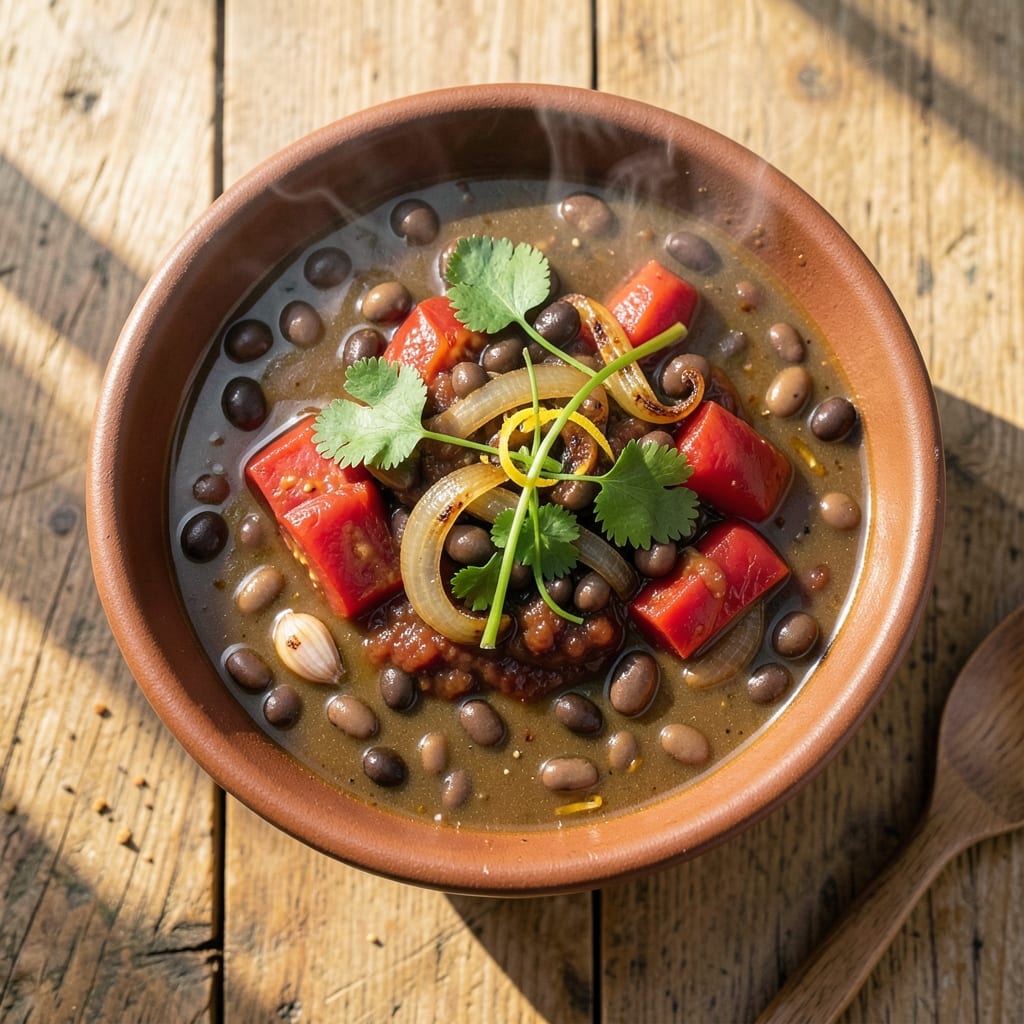
This African bean soup recipe delivers the warm, spice-simmered comfort of West African home cooking in every bowl. 🌟 The secret lies in slow-cooked beans, deep tomato base, and aromatic spices that transform simple ingredients into a hearty, flavorful stew. I developed this version after years of perfecting the balance between smoky, sweet, and savory notes—each spoonful tells a story of tradition and home.
The foundation starts with beans soaked overnight for tender, creamy texture, then simmered with onions, garlic, and tomatoes until the flavors meld into a rich, velvety broth. A blend of ground spices—ginger, garlic, thyme, and chili—creates that signature African warmth, while fresh herbs added at the end brighten the dish. This recipe builds flavor gradually, ensuring every bite carries depth without being overpowering.
What makes this soup truly special is its versatility—serve it with jollof rice for a complete meal or alongside crusty bread for dipping. The broth is rich enough to stand alone but hearty enough to satisfy even after a long day. Whether you're cooking for family gatherings or weeknight comfort, this recipe delivers restaurant-quality results with minimal effort.
For those who prefer meat, adding chicken or fish transforms it into a fuller dish without losing its soul. The beauty of African bean soup lies in its adaptability—each region and family has their own twist, but the core remains the same: a comforting, spice-infused bowl of goodness that brings people together. Let's get cooking!
Ingredients for african bean soup
Warm spices, tender beans, and rich tomato base create this soulful African-inspired vegetarian dish.
| Ingredient | Amount | Notes |
|---|---|---|
| Dried Black-Eyed Peas 🌱 | 1 ½ cups | Soaked overnight for tenderness |
| Yellow Onions 🧅 | 1 whole | Diced into small pieces |
| Garlic Cloves 🧄 | 4 cloves | Minced for aromatic base |
| Fresh Tomatoes 🍅 | 2 cups | Chopped, skin removed |
| Tomato Paste 🍅 | ½ cup | For rich, concentrated flavor |
| Ground Ginger 🌿 | 1 tbsp | Freshly ground preferred |
| Ground Cumin 🌿 | 1 tbsp | Toasted for deeper aroma |
| Dried Thyme 🌿 | 1 tsp | Or 1 tbsp fresh thyme |
| Red Chili Powder 🌶️ | 1 tbsp | Adjust for heat preference |
| Salt 🧂 | 1 ½ tsp | Kosher salt preferred |
| Black Pepper 🌶️ | ½ tsp | Freshly ground preferred |
| Vegetable Oil 🫒 | ¼ cup | For sautéing onions |
| Fresh Cilantro 🌿 | ¼ cup | Chopped for garnish |
| Fresh Scallions 🧅 | ¼ cup | Sliced for brightness |
| Vegetable Broth 💧 | 4 cups | Low-sodium preferred |
The beans are the heart of this soup—dried black-eyed peas work beautifully, but kidney beans or chickpeas can substitute if preferred. Soak them overnight for the creamiest texture, or quick-soak by boiling for 2 minutes, then letting them sit for an hour. For the tomatoes, vine-ripened ones from the grocery store's produce section have the best flavor, but canned San Marzano tomatoes (drained and chopped) work in a pinch. The tomato paste is non-negotiable—it builds that deep, smoky base that defines West African cooking. Grab a small can of high-quality paste from the international aisle at Whole Foods or Trader Joe's for the best results.
No fresh ginger? Ground ginger works fine, but toasting whole ginger slices in oil for 30 seconds before grinding takes the flavor to another level. The cumin and thyme blend is essential—Penzeys Spices sells pre-mixed African spice blends that save time, but you can easily recreate it with these basics. For heat, red pepper flakes at half the amount work if you don't have chili powder. The vegetable broth should be low-sodium—you'll be adding plenty of salt later. If you're using bouillon cubes, Knorr Vegetable Bouillon dissolves smoothly without graininess. Fresh herbs at the end brighten everything—cilantro and scallions are classic, but parsley or basil add different but equally lovely notes.
This soup tastes even better the next day as flavors meld. Store leftovers in an airtight container in the fridge for up to 5 days, or freeze portions for 3 months. I like to double the recipe and freeze half—perfect for lazy weeknights. The beans thicken as they cool, so add a splash of broth when reheating. For serving, warm jollof rice or crusty sourdough cuts through the richness beautifully. The broth is rich enough to sip straight from the pot, but most people prefer it ladled over rice or with crusty bread for dipping.
Why You'll Love This Recipe
- No-Fuss Pantry Staples: Dried black-eyed peas and tomato paste? That’s it for the heavy lifting—no last-minute grocery runs. Honestly, I keep a bag of these in my cupboard just for days when I’m too tired to think past "something warm."
- Deep Umami Magic: The garlic and onions caramelize into something next-level—sweet, savory, with that tomato paste kick that makes every spoonful feel like a little flavor explosion. (Yes, even on a Tuesday night.)
- Leftovers That Beg for More: This soup only gets better the next day—thicker, richer, and somehow more comforting. I’ll be real: my freezer’s always stocked with portions because reheating it is basically instant dinner.
- Budget Meal for Crowds: Feeds six for under $10, and the peas stretch like crazy. Between us, this is how I feed my book club without breaking the bank—or my will to grocery shop.
Step-by-step instructions for African bean soup
This soul-warming bean soup delivers deep, smoky flavors through careful layering of spices and slow simmering.
🍳 Step 1: Sauté Aromatics Until Fragrant
Heat the 0.25 cup vegetable oil in a large pot over medium heat. Add the diced yellow onions and cook for 5-6 minutes until softened and translucent. This foundational step builds flavor—don't rush it.
Add the 4 minced garlic cloves and continue cooking for 1 minute until the garlic releases its pungent aroma. Immediately stir in the 1 tbsp ground ginger, 1 tbsp ground cumin, 1 tsp dried thyme, and 1 tbsp red chili powder. Cook for 30 seconds, stirring constantly, until the spices are toasted and fragrant. This step unlocks the soup's complex flavor profile.
🍳 Step 2: Build the Tomato Base
Add the 2 cups chopped fresh tomatoes and 0.5 cup tomato paste to the pot. Stir well to combine with the spices. Cook for 5-7 minutes until the mixture darkens slightly and thickens. This reduction concentrates the flavors, creating a rich foundation for the soup.
Here's where the magic happens: the tomato paste caramelizes, deepening the color and adding umami depth. If the mixture sticks to the bottom, add 2-3 tablespoons of vegetable broth to deglaze and scrape up those flavorful browned bits. Season with 1.5 tsp salt and 0.5 tsp black pepper—this balances the spices before adding the beans.
🥘 Step 3: Simmer the Beans Until Tender
Add the 1.5 cups soaked black-eyed peas (drained) and 4 cups vegetable broth to the pot. Bring to a gentle boil, then reduce heat to low and cover partially. Simmer for 45-50 minutes, stirring occasionally, until the beans are fork-tender. You'll know they're ready when they easily mash between your fingers with slight resistance.
Real talk: don't skip the soaking step. The overnight soak ensures these beans cook evenly and don't split open during simmering. If the soup reduces too much before the beans are tender, add more broth ½ cup at a time to maintain the proper consistency. The beans should be soft but still hold their shape.
🔥 Step 4: Finish with Fresh Herbs
Once the beans are tender, remove the pot from heat. Stir in the 0.25 cup chopped fresh cilantro and 0.25 cup sliced fresh scallions. These herbs add brightness that cuts through the richness of the spices. Taste and adjust seasoning—you might need a touch more salt or chili powder depending on your preference.
Let the soup sit off heat for 5 minutes before serving. This resting period allows the flavors to meld completely. The soup should be thick but still spoonable, with a velvety texture from the well-cooked beans. The aroma alone will make your kitchen smell like a West African market.
Pro Tips For Making African Bean Soup
- SOAK BEANS OVERNIGHT: I learned this the hard way—rushing the soak leads to tough, uneven beans. Toss them in water with a pinch of baking soda (yes, it works) and let them sit 12+ hours. The next day, they’ll soften faster and hold their shape better in the broth.
- SAUTÉ ONIONS LOW AND SLOW: Cranking the heat for onions burns their sweetness before it develops. Keep it at medium-low, stirring often, until they’re deep gold—not brown. This builds the soup’s flavor base without bitterness.
- PUREE TOMATOES FIRST: Skip blending raw tomatoes into the pot—they’ll clump and make the soup look messy. Roast them whole (400°F for 20 minutes) first, then puree. The result? A smoother, richer base that doesn’t separate.
- SALT THE WATER HARD: Under-salted beans stay bland no matter how much you season later. Use 1½ tsp salt per 4 cups of water when soaking—it penetrates faster and cuts cooking time. (Your future self will notice the difference.)
Storing and reheating your leftovers
Refrigerator Storage
Let your African bean soup cool to room temperature before transferring to an airtight container—I use glass Pyrex with snap-on lids to preserve flavors. Store at 40°F or below for up to 5 days, though I find the taste deepens after the first day as spices meld. The beans thicken slightly when chilled, so plan to add ¼ cup broth when reheating. 🌱
Freezer-Friendly Tips
For long-term storage, freeze portions in quart-sized freezer bags with 1-inch headspace to prevent expansion cracks. Label with the date—this soup keeps quality for 3 months. Thaw overnight in the fridge, then reheat gently on the stovetop. I like to freeze individual servings for quick meals, especially when paired with jollof rice. ❄️
Stovetop Reheating
My preferred method: transfer soup to a pot with ¼ cup broth and heat over medium-low for 10-15 minutes. Stir occasionally to prevent sticking—this method preserves the creamy bean texture. If the soup seems thick, add more broth 1 tablespoon at a time until reaching your desired consistency. Taste and adjust seasoning after reheating. 🔥
Microwave Shortcuts
For quick reheating, use microwave-safe containers and heat on 50% power in 2-minute intervals, stirring between each. Cover with a damp paper towel to retain moisture. The microwave can make beans slightly gummy, so I recommend adding 1 tablespoon of broth during the final minute. This keeps the soup's integrity without overcooking. ✨
Reviving Day-Old Soup
If your soup tastes flat after storage, revive it by simmering for 5 minutes with 1 extra garlic clove and ½ teaspoon smoked paprika. The spices cut through any dullness and restore that West African warmth. I also add a splash of lemon juice for brightness—just 1 teaspoon does the trick. 💫
Nutrition facts
Frequently asked questions
Can I substitute black-eyed peas with other beans?
Yes! While black-eyed peas are traditional, you can use kidney beans, chickpeas, or even lentils for a different texture. For best results, adjust cooking time—kidney beans need about 10 minutes less than black-eyed peas, while lentils cook faster (20-25 minutes). The flavor profile remains similar, but the texture will vary slightly.
How can I make this soup spicier? Boost the heat by adding ½ teaspoon cayenne pepper with the other spices or 1-2 chopped fresh scotch bonnet peppers when sautéing the aromatics. For smoky depth, stir in ½ teaspoon smoked paprika at the end.
What's the best way to thicken this soup?
If your soup is too thin, mash ¼ cup of the cooked beans directly in the pot to thicken naturally. Alternatively, stir in 1 tablespoon cornstarch mixed with 2 tablespoons water and simmer for 2 minutes. For extra richness, add 1 tablespoon tomato paste—it deepens flavor while thickening.
Can I make this soup in an Instant Pot?
Sauté the onions, garlic, and spices as directed, then add all remaining ingredients. Cook on high pressure for 10 minutes, followed by a 10-minute natural release. Finish with fresh herbs. The Instant Pot cuts cooking time by about 30 minutes while preserving all the flavors.
What's the secret to making this taste more authentic?
For deeper West African flavors, add 1 bay leaf during simmering and 1 teaspoon palm oil (or regular vegetable oil) when sautéing. Toast ½ teaspoon ground nutmeg with the other spices, and finish with 1 tablespoon palm vinegar (or apple cider vinegar) for tang. These small tweaks create that signature African restaurant taste!