
Soups & Stews
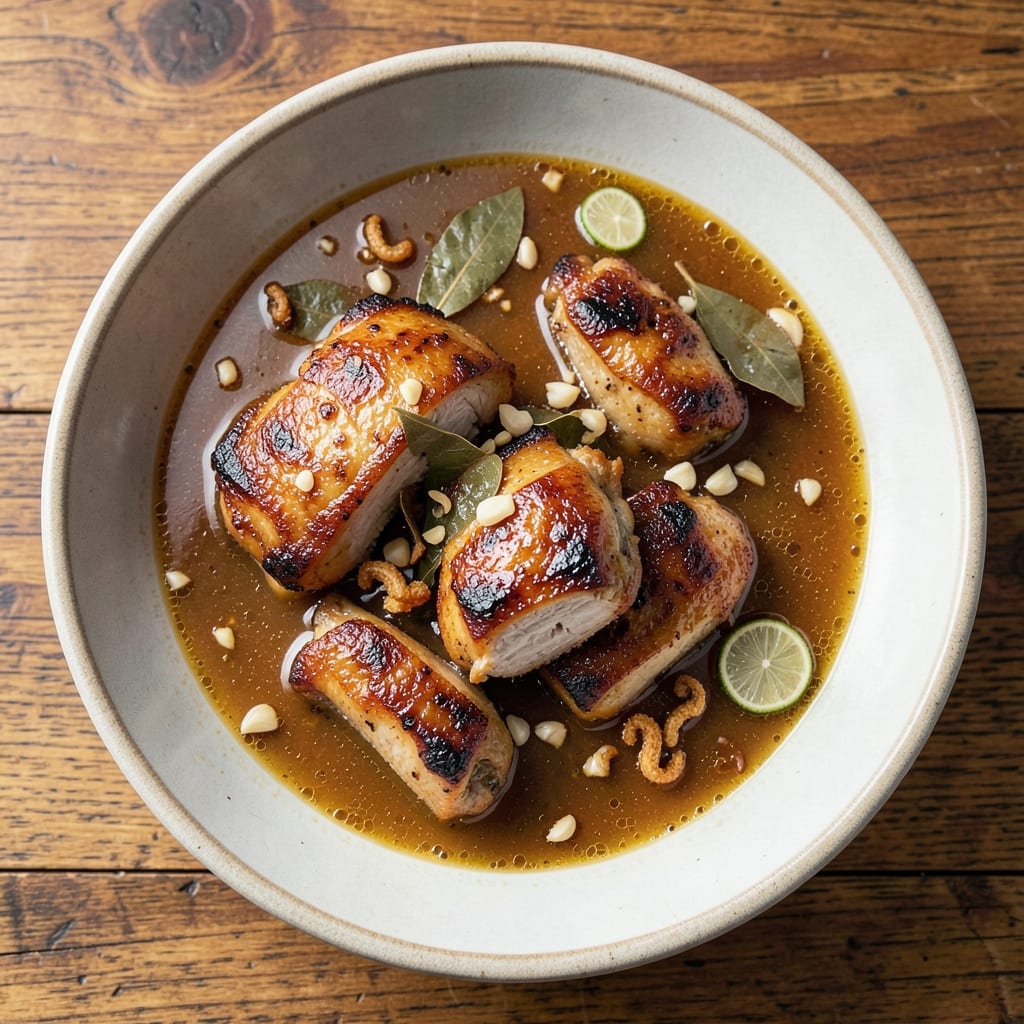
This Filipino adobo soup recipe delivers the perfect balance of tangy, savory, and umami flavors in one comforting bowl. The secret lies in braising chicken in a rich soy-vinegar sauce with garlic, ginger, and bay leaves—transforming simple ingredients into a deeply flavorful dish that tastes like home. What makes this recipe special is how the sauce develops over time, creating a glossy, aromatic broth that clings to every bite of tender chicken and vegetables.
The process is straightforward but rewarding: chicken simmers until fork-tender, while vegetables like potatoes and carrots absorb the sauce's depth. A splash of vinegar brightens the flavors, while soy sauce adds that signature umami richness. The result is a hearty, warming soup that's perfect for chilly evenings or as a comforting meal any time of year. This recipe stays true to Filipino tradition while being approachable for home cooks.
By the end, you'll have a steaming bowl of adobo soup with perfectly tender chicken, flavorful broth, and a harmonious blend of spices. The aroma alone will draw everyone to the table, and the first spoonful delivers that perfect balance of tangy, savory, and umami—just like your favorite Filipino comfort food. Serve it with steamed rice to soak up every last drop of that delicious sauce.
This recipe is designed to be both authentic and adaptable, so feel free to adjust the vegetables or protein based on what you have on hand. The key is letting the flavors meld together, creating a dish that's as comforting as it is delicious. Let's get cooking!
Ingredients for adobo soup
Simple ingredients, bold Filipino flavors—this soup brings comfort to every bowl.
| Ingredient | Amount | Notes |
|---|---|---|
| Boneless Chicken Thighs 🍗 | 1 ½ lb | Skin-on for extra flavor |
| Soy Sauce 🥢 | ½ cup | Light or dark variety |
| White Vinegar 💧 | ¼ cup | White or cane vinegar |
| Garlic Cloves 🧄 | 6 cloves | Minced for sauce |
| Fresh Ginger 🌿 | 2 tbsp | Grated, fresh preferred |
| Bay Leaves 🌿 | 2 whole | Dried or fresh |
| Russet Potatoes 🥔 | 2 medium | Peeled and cubed |
| Carrots 🥕 | 2 medium | Peeled and sliced |
| Yellow Onion 🧅 | 1 whole | Quartered, skin on |
| Olive Oil 🫒 | 2 tbsp | Extra-virgin preferred |
| Salt 🧂 | 1 tsp | Kosher or sea salt |
| Black Peppercorns 🌶️ | ½ tsp | Crushed, not ground |
| Green Bell Pepper 🌶️ | 1 whole | Sliced, optional |
| Fresh Thai Basil 🌿 | ¼ cup | Chopped, for garnish |
| Water 💧 | 4 cups | Or chicken broth |
The chicken makes this dish, so don't skimp. Thighs stay juicier than breasts during long braising. Look for bone-in, skin-on at your local butcher shop—they'll have better flavor than pre-cut grocery store pieces. The soy sauce? Light soy for brightness, dark for depth. I grab mine from Asian markets where they keep it fresh. Fresh ginger and garlic are non-negotiable here—they're the soul of the flavor. Skip the pre-minced stuff from jars, trust me on this.
No fresh ginger? Powdered works at half the amount. Out of soy sauce? Coconut aminos or even a pinch of msg (if you're brave) gets you close. The potatoes and carrots can be swapped for sweet potatoes or daikon radish if you're feeling adventurous. Bell pepper is optional but adds a nice crunch. For extra richness, swap 1 cup of water for chicken broth. The bay leaves? Tear them slightly before adding—they'll release their aroma faster and infuse the broth beautifully.
This soup tastes even better the next day. Store leftovers in the fridge for 4-5 days—the flavors deepen over time. For freezing, portion into single-serving containers so you can thaw just what you need. The broth reduces slightly when reheated, so add a splash of water if it gets too thick. Serve with steamed jasmine rice to soak up every last drop of that glorious sauce. Make a double batch—it disappears fast around here.
Why You'll Love This Recipe
- One-Pot Magic: I swear by this—just toss chicken, garlic, and ginger in a pot, then pour in the soy and vinegar. No chopping mountains of veggies, no fancy techniques. The broth builds itself while you stir.
- Umami Bomb: That tangy-savory punch from the soy and vinegar? It’s ridiculously addictive. The ginger adds a subtle warmth, and the garlic? Oh, it caramelizes into sweet little bites that make you go back for more.
- Leftovers That Don’t Suck: Seriously, this soup only gets better the next day. The flavors meld into this deep, rich broth that’s perfect for reheating with rice or noodles. (Yes, even on a Tuesday night.)
- Budget-Friendly Powerhouse: Chicken thighs are cheap, soy sauce is cheap, and you’re not buying specialty ingredients. A few cloves of garlic and a thumb of ginger stretch this into four servings without breaking the bank. My wallet thanks me.
Step-by-step instructions for Filipino-inspired soy-braised chicken
Here's how to create this deeply savory, comforting soup that balances rich soy notes with tangy vinegar.
Sear the Chicken for Maximum Flavor
Heat a large Dutch oven over medium-high heat and add the 2 tablespoons olive oil. Once shimmering, add the 1.5 lb boneless chicken thighs in a single layer, skin-side down. Let them sear undisturbed for 4-5 minutes until golden brown and crispy in spots.
This initial sear creates a flavorful crust that will infuse the broth. Flip the chicken and sear the other side for another 3-4 minutes. Remove the chicken and set aside—it's okay if it's not fully cooked yet, as it'll finish in the simmering liquid. The skin should be deeply browned and the edges slightly charred.
Build the Aromatic Base
In the same Dutch oven, add the 1 whole yellow onion (quartered), 2 medium carrots (peeled and sliced), and 2 medium russet potatoes (peeled and cubed). Cook for 5 minutes, stirring occasionally, until the vegetables begin to soften slightly.
Add the 6 cloves garlic cloves (minced) and 2 tablespoons fresh ginger (grated), stirring for 30 seconds until fragrant. The kitchen should fill with that unmistakable aroma of garlic and ginger—this is your signal they're ready. Add the 2 whole bay leaves and 1 whole green bell pepper (sliced), stirring to combine.
Create the Signature Soy-Vinegar Broth
Pour in the 4 cups water and bring to a boil. Once boiling, reduce heat to medium-low and add the 0.5 cup soy sauce and 0.25 cup white vinegar. Stir well to distribute the flavors evenly throughout the liquid.
Return the chicken to the pot, along with the 1 teaspoon salt and 0.5 teaspoon black peppercorns (crushed). The broth should be a rich amber color with visible bubbles. This is where the magic happens—the soy and vinegar will work together to create a complex, umami-packed flavor that defines this dish.
Simmer Until Chicken is Tender
Cover the pot and let it simmer gently for 45-50 minutes, stirring occasionally. The chicken is done when it easily pulls apart with a fork and the vegetables are fork-tender. You'll notice the broth reduces slightly and becomes more concentrated in flavor.
Taste the broth and adjust seasoning if needed—you might want to add a bit more soy sauce for depth or a splash of vinegar for tang. The vegetables should be soft but still hold their shape, and the chicken should be juicy and falling off the bone. This is your reward for patience—the perfect balance of textures and flavors.
Finish and Serve with Fresh Herbs
Remove the chicken from the pot and let it rest for 5 minutes before shredding or slicing it. Return the chicken to the pot and stir in the 0.25 cup fresh Thai basil (chopped) just before serving. The basil adds a bright, aromatic finish that cuts through the richness of the soy-braised chicken.
Ladle the soup into bowls, making sure each serving gets plenty of vegetables and tender chicken. The broth should be rich and flavorful, with the perfect balance of salty, tangy, and umami notes. Serve immediately with steamed rice to soak up every last drop of that comforting broth—this is true Filipino comfort food at its finest.
Pro Tips For Making Adobo Soup
- Sear the Chicken First: Don’t skip browning those thighs—high heat for 4-5 minutes until deep golden. I learned this the hard way: skipping the sear means a pale, watery soup instead of rich, caramelized flavor that clings to every bite.
- Peel and Mince Ginger Roughly: No need for perfect slices—just peel, chop into ½-inch chunks, and smash them with the flat side of your knife. This releases more oils and flavor into the vinegar-soy mix without turning your soup into ginger pulp.
- Simmer, Don’t Boil: Once everything’s in the pot, keep the heat at a gentle simmer (tiny bubbles, occasional swirls). I used to crank it up, and the vinegar would evaporate too fast, leaving the chicken dry and the broth sharp instead of balanced.
- Add Vinegar Last: Stir in the white vinegar only after the chicken’s cooked and the aromatics are fragrant. This prevents the acid from breaking down the chicken too early, ensuring tender meat that absorbs the adobo flavors instead of turning rubbery.
Perfect pairings for this recipe
Steamed Jasmine Rice
No adobo soup is complete without a steaming bowl of jasmine rice to soak up every last drop of that flavorful broth. I use a 1:1.5 rice-to-water ratio—for 4 servings, that's 2 cups uncooked jasmine rice and 3 cups water. Rinse the rice thoroughly before cooking to remove excess starch, which prevents gummy rice. Cook in a bamboo steamer or electric rice cooker for perfect, fluffy grains every time. The aroma alone will make your kitchen smell like a Filipino restaurant! 🌾
Crispy Garlic Fried Rice
For a heartier side, try garlic fried rice using leftover jasmine rice. Heat 1 tbsp olive oil in a wok over high heat, then add 4 minced garlic cloves and 2 tbsp minced ginger. Toss in 4 cups cold, cooked rice, breaking up any clumps. Stir-fry for 3-4 minutes until golden, then add 2 tbsp soy sauce and 1 tbsp sesame oil. Finish with 2 green onions and a sprinkle of sesame seeds for crunch. This adds a satisfying texture contrast to the soft soup. 🍚
Quick Pickled Vegetables
Brighten the meal with quick-pickled vegetables—slice 1 small cucumber, 1 carrot, and ½ red onion into thin rounds. Toss with ¼ cup rice vinegar, 1 tbsp sugar, ½ tsp salt, and 1 tsp sesame seeds. Let sit for 20 minutes before serving. The tangy crunch cuts through the richness of the adobo, balancing the flavors beautifully. Store leftovers in the fridge for up to 5 days. 🥒
Filipino Pandesal
If you're serving this for a special occasion, pandesal—Filipino sweet bread—makes an unforgettable addition. Look for it at Asian grocery stores or make your own with a simple dough of flour, sugar, milk, and yeast. Warm the rolls slightly before serving to enhance their buttery aroma. The soft, pillowy texture pairs perfectly with the hearty soup. 🥖
Spicy Chili Oil Drizzle
For heat lovers, drizzle the soup with homemade chili oil just before serving. Heat ½ cup neutral oil (like vegetable or peanut) with 2 tbsp dried chili flakes and 1 tsp Sichuan peppercorns over low heat for 10 minutes. Strain and let cool. The oil’s smoky heat complements the adobo’s tangy-savory profile without overpowering it. Store in an airtight container for up to 2 weeks. 🌶️
Fresh Fruit Platter
Balance the meal with a refreshing fruit platter of mango slices, pineapple chunks, and lychees. The natural sweetness cleanses the palate after the savory soup. Arrange fruits on a platter with mint leaves for a vibrant finish. This is especially nice for summer meals or when serving to guests. 🍍
Nutrition facts
Frequently asked questions
Can I use chicken breast instead of thighs for this adobo soup?
While you can use chicken breast, thighs are ideal because they stay juicier during the long simmering process. If using breasts, reduce the simmering time to 30-35 minutes to prevent drying out. For extra moisture, add 1 cup water or broth halfway through cooking.
What makes the broth in this recipe different from regular adobo?
This recipe creates a soup-style adobo by using more liquid (water or broth) and including vegetables like potatoes and carrots. Traditional adobo is typically a dry braise, but this version keeps the sauce rich and brothy while maintaining that signature soy-vinegar flavor profile. The simmering process develops deeper umami notes.
Can I make this recipe with pork instead of chicken?
Swap the chicken thighs for 1.5 lb pork shoulder or pork belly—both add incredible richness to the broth. Increase simmering time to 60-75 minutes until the pork is fork-tender. Pork belly will render fat that enhances the sauce's depth, while pork shoulder stays leaner but equally flavorful.
How do I fix the broth if it's too salty?
If the broth tastes too salty, add 1 cup water or broth and simmer for 10 minutes to dilute the flavor. For a more dramatic fix, stir in 1 small potato or carrot and simmer another 15 minutes—the vegetable will absorb excess salt. Avoid adding water too early, as it can dilute the sauce's intensity.
Can I prepare this soup ahead of time?
This soup tastes even better the next day! Store leftovers in an airtight container in the fridge for 4-5 days. The flavors deepen as the sauce reduces. Reheat gently on the stove over medium-low heat, adding a splash of water if the broth thickens too much. For freezing, portion into single servings for easy reheating.