
Soups & Stews
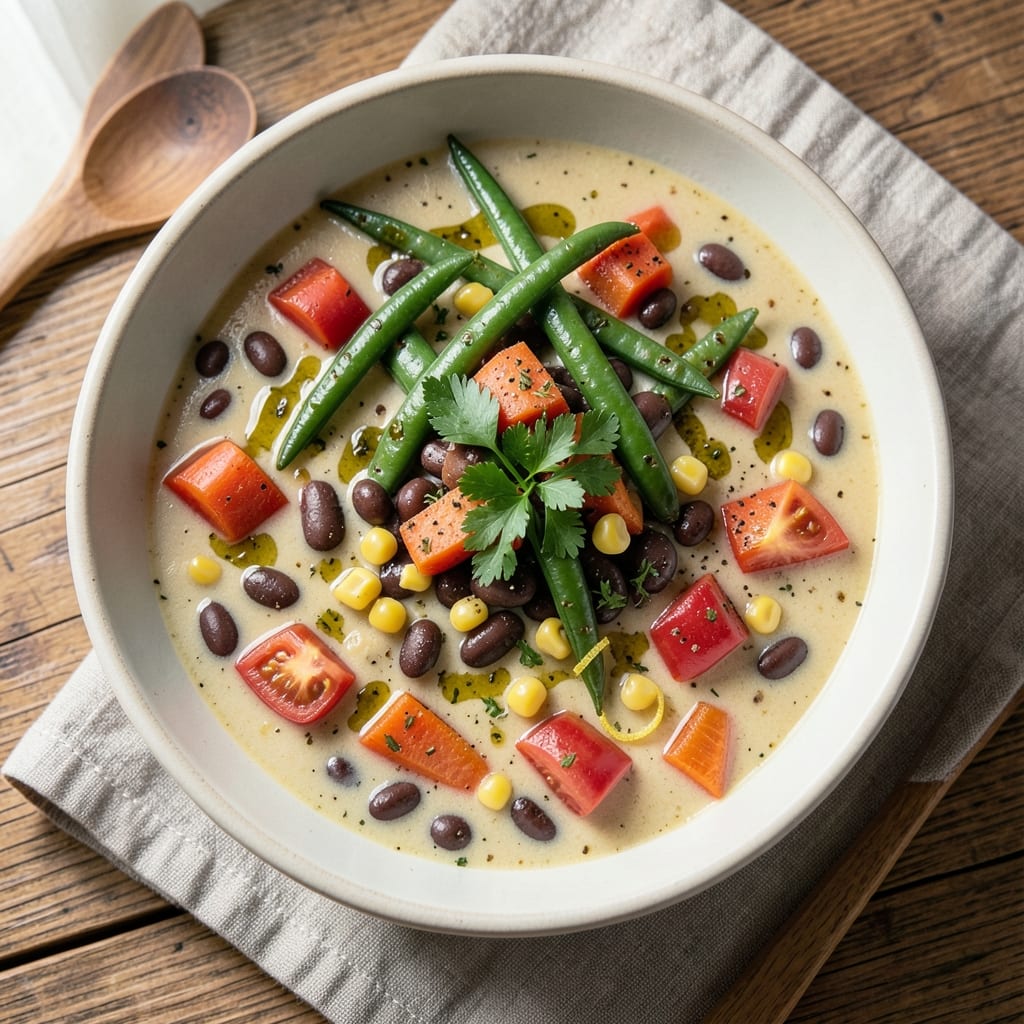
This 8-can vegetable soup recipe transforms pantry staples into a deeply satisfying meal with minimal effort. The beauty lies in its simplicity—no fresh produce required, just eight cans of vegetables that come together to create a hearty, flavorful broth packed with texture and nutrients. It’s the perfect solution for busy weeknights when you want nourishing comfort without the grocery run.
The magic happens in the simmering. By combining canned beans, corn, tomatoes, carrots, and more, you’re not just making soup—you’re building layers of flavor that develop as the vegetables meld together. A touch of garlic, onion powder, and dried herbs elevates the canned ingredients, turning them into something restaurant-worthy. The result? A chunky, broth-based soup that’s rich in taste and easy on the wallet.
What makes this recipe shine is its versatility. Use it as a standalone meal or pair it with crusty bread for dipping. The soup keeps well in the fridge for up to five days, making it ideal for meal prep. Whether you’re feeding a family or just yourself, this foolproof method ensures a warm, comforting bowl every time—no waste, no fuss.
Ready in under an hour, it’s the kind of recipe that proves good food doesn’t require fresh ingredients or complicated techniques. Let’s get cooking!
Ingredients for 8 can vegetable soup
Eight pantry staples combine to create a deeply satisfying, restaurant-worthy vegetable soup with minimal effort.
| Ingredient | Amount | Notes |
|---|---|---|
| Diced Tomatoes (No Salt Added) 🍅 | 29 oz | Two 14.5 oz cans, drained |
| Black Beans (No Salt Added) 🫘 | 15 oz | One 15 oz can, drained |
| Corn Kernels (No Salt Added) 🌽 | 15 oz | One 15 oz can, drained |
| Carrots (No Salt Added) 🥕 | 15 oz | One 15 oz can, drained |
| Green Beans (No Salt Added) 🧅 | 15 oz | One 15 oz can, drained |
| Peas (No Salt Added) 🌱 | 15 oz | One 15 oz can, drained |
| Chicken or Vegetable Broth 💧 | 4 cups | Low-sodium preferred |
| Onion Powder 🧅 | 1 tbsp | Freshly ground preferred |
| Garlic Powder 🧄 | 1 tbsp | Not garlic salt |
| Dried Thyme 🌿 | 1 tsp | Or 1 tbsp fresh |
| Bay Leaves 🌿 | 2 whole | Removed before serving |
| Salt 🧂 | 1 tsp | Adjust to taste |
| Black Pepper 🌶️ | ½ tsp | Freshly ground preferred |
| Olive Oil 🫒 | 1 tbsp | For finishing |
The foundation of this soup lies in quality canned vegetables. Look for no-salt-added varieties—brands like Del Monte or Green Giant are reliable for consistent texture and flavor. Freshness matters less with canned goods, but check expiration dates; older cans can develop a metallic taste. The broth is non-negotiable—low-sodium vegetable or chicken broth ensures the soup isn’t overwhelmed by salt. For an extra layer of depth, toast your spices (onion powder and garlic powder) in a dry pan for 30 seconds before adding to the pot. This simple step intensifies their flavor without altering the recipe’s straightforward nature.
No no-salt-added beans? Rinse regular canned beans thoroughly to remove excess sodium. Short on thyme? Dried oregano at half the amount works in a pinch, though fresh thyme adds a brighter note. The olive oil finishing touch isn’t just for flavor—it adds a silky texture that elevates the dish. If you’re using homemade broth, simmer it with a carrot top or celery leaf to enhance its depth. For a creamier texture without dairy, blend one cup of the finished soup and stir it back in—this technique works beautifully with the vegetable base.
This soup reheats exceptionally well, with flavors deepening over time. Store in an airtight container in the fridge for up to 5 days or freeze portions for 3 months. For meal prep, double the recipe and freeze half—perfect for lazy weeknights. The bay leaves can be removed early if you’re sensitive to their flavor, but leaving them in during cooking ensures robust seasoning. Garnish with a drizzle of extra-virgin olive oil and a sprinkle of fresh herbs if you have them, but the soup stands strong on its own.
Why You'll Love This Recipe
- I’ll be real: my grocery budget stretches farther when I use this recipe. Eight cans for one pot means I’m not buying fresh veggies that’ll wilt in two days. Plus, leftovers? Freeze half for when you’re too lazy to cook. Zero waste, maximum flavor.
- Cans-Only Convenience: I swear by this recipe when I’m too tired to chop. Just open, dump, and simmer—no knife skills required. The black beans and corn practically cook themselves in the broth, while the carrots and green beans soften just enough to melt in your mouth.
- Unexpected Depth: Honestly, I didn’t expect it to taste this rich. The no-salt-added diced tomatoes bring a tangy sweetness, and the black beans add this earthy, umami backbone that makes it way more satisfying than your average canned soup. A pinch of cumin or smoked paprika at the end? Chef’s kiss.
- Lunchbox Hero: Between us, this is my go-to for meal prep. The flavors actually improve the next day—yes, really. Pack it in thermoses for work, or serve it cold as a picnic soup. Kids? They’ll eat it straight from the jar (no judgment here).
Step-by-step instructions for hearty pantry vegetable soup
Transforming eight simple cans into a rich, flavorful soup requires just a few key techniques.
Sauté the Aromatics for Flavor Foundation
Heat the 1 tablespoon olive oil in a large pot over medium heat. Add the 1 tablespoon onion powder and 1 tablespoon garlic powder, stirring constantly for 1 minute until fragrant. This step develops the base flavor—don't rush it. The spices should smell warm and inviting, not burnt.
Add the 2 whole bay leaves and 1 teaspoon dried thyme, stirring for another 30 seconds to toast the herbs lightly. This enhances their natural oils and deepens the soup's complexity. The mixture should look dry but smell rich and earthy, signaling it's ready for the next phase.
Combine Vegetables and Broth for Simmering
Pour in the 4 cups chicken or vegetable broth and bring the mixture to a gentle boil over medium-high heat. Once boiling, add the 29 oz diced tomatoes (no salt added), 15 oz black beans (no salt added), 15 oz corn kernels (no salt added), 15 oz carrots (no salt added), 15 oz green beans (no salt added), and 15 oz peas (no salt added).
Reduce heat to medium-low and let the soup simmer for 20 minutes, uncovered. Stir occasionally to prevent sticking, but avoid vigorous stirring—this helps maintain the vegetables' texture. You'll notice the colors deepen and the flavors meld together, creating a cohesive broth.
Season and Adjust for Perfect Balance
After simmering, add the 1 teaspoon salt and 0.5 teaspoon black pepper, stirring well. Taste the soup and adjust seasoning if needed—this is where you fine-tune the flavor. The soup should be well-seasoned but not overly salty, especially since you're using no-salt-added ingredients.
Continue simmering for an additional 10 minutes to allow the flavors to fully integrate. The vegetables should be tender but still retain their shape—this ensures each bite delivers texture and nutrition. The soup should smell aromatic and inviting, signaling it's ready to serve.
Finish and Serve with Freshness
Remove the 2 whole bay leaves before serving, as they can be tough to chew. Ladle the soup into bowls and, if desired, drizzle with a little extra olive oil for richness. The soup should be vibrant in color, with a balance of sweetness from the carrots and peas, earthiness from the beans, and brightness from the tomatoes.
Serve immediately while hot, accompanied by crusty bread or a sprinkle of fresh herbs for added freshness. The leftovers keep well in the refrigerator for up to 4 days, making this an excellent make-ahead meal for busy weeks.
Pro Tips For Making 8 Can Vegetable Soup
- SOFTEN CARROTS FIRST: Toss diced carrots in cold water for 10 minutes before adding them to the pot—this jumpstarts their softening and keeps them from turning mushy later. I used to skip this, and my soup always had a few stubborn, crunchy bits that ruined the texture.
- DRAIN BEANS WELL: Open those black bean cans and give them a quick rinse under cold water, then drain thoroughly. The extra liquid adds water to your soup, thinning it out and making it taste bland. I learned this after making a watery soup that needed a whole extra can of tomatoes to salvage it.
- ADD CORN LAST: Stir in the corn kernels only in the final 5 minutes of cooking—otherwise, they’ll turn to mush and lose their sweetness. I was skeptical at first, but now I swear by it; the contrast of tender but still-firm corn makes the soup feel fresher.
- SIMMER, DON’T BOIL: Keep the heat at a gentle simmer (tiny bubbles, not rolling) once everything’s combined—boiling can turn the green beans rubbery and the tomatoes mealy. After burning my soup twice, I finally cracked the lid and saw the difference: low and slow wins every time.
Health benefits of these flavors
Fiber-Rich Powerhouse
This soup delivers a fiber feast with 12-15 grams of fiber per serving—thanks to the black beans, peas, and carrots. Fiber supports digestive health, keeps you full longer, and helps regulate blood sugar. The combination of soluble and insoluble fiber makes this soup especially satisfying for weight management. 💪
Plant-Based Protein
With 10-12 grams of protein per bowl, this vegetarian soup is a complete meal. The black beans provide all nine essential amino acids, while peas and corn contribute additional plant-based protein. It’s perfect for vegetarians or anyone looking to reduce meat consumption without sacrificing protein intake.
Low-Calorie Comfort
At just around 200-250 calories per serving, this soup is a guilt-free comfort food. The low-sodium broth and no-salt-added cans keep calories in check while delivering maximum flavor. It’s ideal for heart-healthy diets or when you want a light but filling meal.
Vitamin and Mineral Boost
You’ll get a nutrient powerhouse with vitamins A (from carrots), C (from tomatoes and peas), and K (from green beans). The peas add folate, while carrots provide beta-carotene for eye health. This soup is essentially a one-bowl multivitamin—no supplements needed! 🥕
Hydration Helper
The broth base ensures you stay hydrated while enjoying a warm, comforting meal. The vegetables release their natural juices during simmering, creating a flavorful liquid that’s easier on the stomach than plain water. Perfect for cold days or when you need a quick electrolyte boost.
Budget-Friendly Nutrition
Using pantry staples makes this soup ultra-affordable while still being nutrient-dense. Canned vegetables retain most of their vitamins during processing, and the low-cost ingredients deliver big health benefits. It’s a smart way to stretch your grocery budget without sacrificing nutrition. 💰
Nutrition facts
Frequently asked questions
Can I substitute fresh vegetables for the canned ones?
You can absolutely use fresh vegetables, but you'll need to adjust the cooking time. Chop them into similar sizes (about ½-inch pieces) and simmer for 15-20 minutes longer to ensure they're tender. Fresh veggies will also release more moisture, so you might need to add ½ cup extra broth to maintain the right consistency. The flavor will be brighter, but the canned version offers unbeatable convenience.
How can I make this soup creamier without dairy?
Blend 1 cup of the finished soup (without beans) until smooth, then stir it back into the pot. This creates a velvety texture using the vegetables' natural starches. For extra richness, add 1 tablespoon nutritional yeast or a splash of coconut milk. The result is a luscious, plant-based creaminess that pairs perfectly with the hearty vegetables.
Is this soup freezer-friendly? How should I store it?
Yes! This soup freezes beautifully for up to 3 months. Let it cool completely, then transfer to airtight containers or heavy-duty freezer bags. Leave 1-inch headspace for expansion. Thaw overnight in the fridge before reheating on the stovetop over medium-low heat. Stir occasionally and add a splash of broth if it seems too thick after thawing.
What if I don't have all 8 cans of vegetables?
No problem! Use what you have—just adjust the broth quantity. For example, if you're missing 2 cans, reduce the broth to 3 cups instead. The flavor will still develop beautifully. You can also swap similar vegetables (like lentils for beans or zucchini for green beans) while keeping the total volume close to 8 cans for balanced texture.
Can I make this soup in an Instant Pot or pressure cooker?
Sauté the spices as directed, then add all ingredients and cook on high pressure for 5 minutes. Quick-release the pressure, then let it sit for 2 minutes before opening. The soup will be ready in about 20 minutes total. For best results, reduce the broth to 3 cups since pressure cooking concentrates flavors quickly.