
Soups & Stews
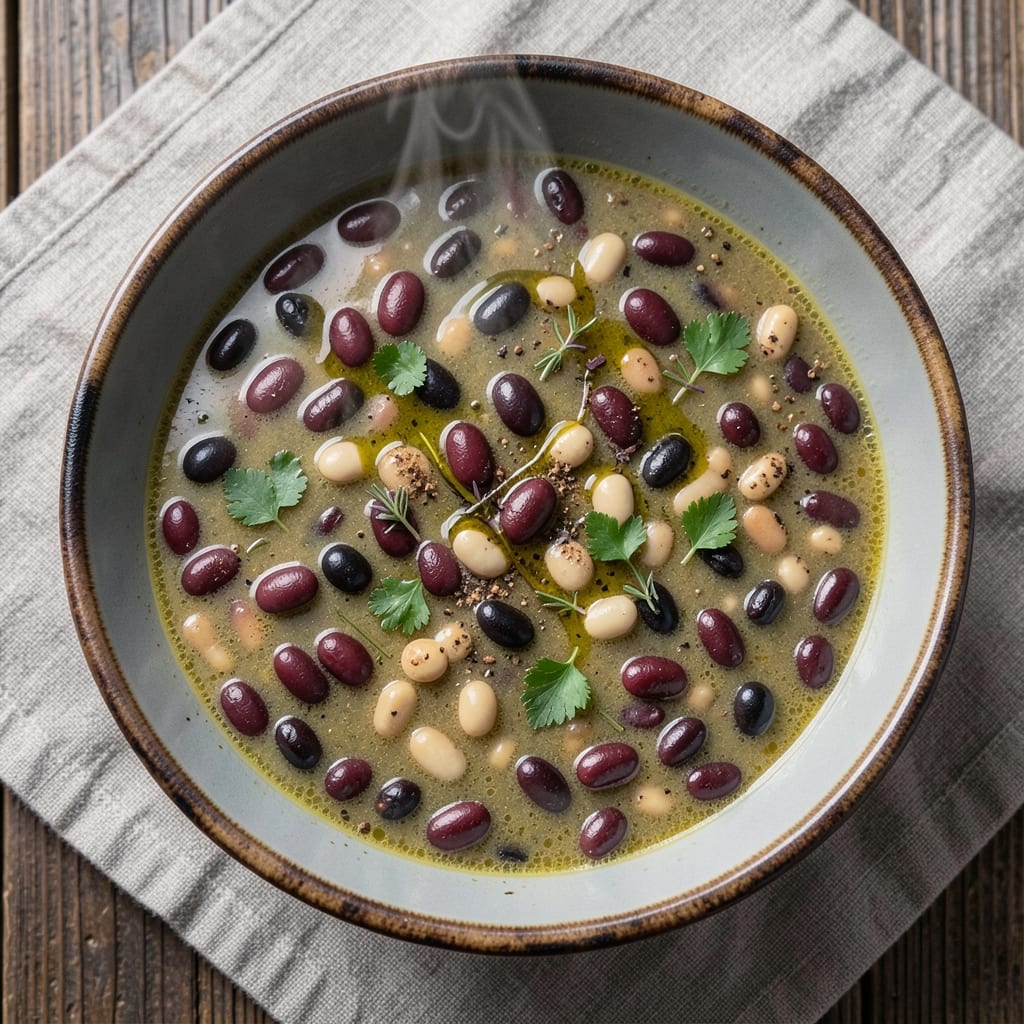
This 7 bean soup recipe from scratch transforms humble pantry staples into a hearty, rustic masterpiece that tastes like home. The secret lies in slow-simmered beans—navy, kidney, pinto, black, and more—absorbing rich broth until they're tender and flavorful. I developed this version to deliver restaurant-quality depth using just a few key techniques, like toasting spices and building layers of umami through slow cooking.
What makes this recipe special is its balance of simplicity and sophistication. You'll start with dried beans (no shortcuts here), soaking them overnight for maximum tenderness. The broth develops deep, savory notes from garlic, onions, and herbs, while smoked paprika and bay leaves add complexity. The result is a soup that's hearty enough for a main course but flexible enough to stretch into multiple meals.
By the time it simmers for 6-8 hours, you'll have a pot of velvety, protein-packed goodness with perfectly tender beans and a broth so flavorful it deserves a second helping. The texture is where this soup truly shines—creamy from the beans themselves, with just enough bite from the vegetables. It's the kind of dish that gets better with time, rewarding patience with every spoonful.
Serve this soup with crusty bread for dipping or a sprinkle of fresh parsley for brightness. The beauty of this recipe is its versatility—add smoked sausage for meat lovers or keep it vegetarian for a satisfying plant-based meal. Let's get started on creating this pantry-to-table masterpiece.
Ingredients for 7 bean soup recipe from scratch
Transform pantry staples into rustic richness with these carefully chosen ingredients.
| Ingredient | Amount | Notes |
|---|---|---|
| Navy Beans (Dried) 🌾 | 1 cup | Soaked overnight, drained |
| Kidney Beans (Dried) 🌾 | ½ cup | Soaked overnight, drained |
| Pinto Beans (Dried) 🌾 | ½ cup | Soaked overnight, drained |
| Black Beans (Dried) 🌾 | ½ cup | Soaked overnight, drained |
| Great Northern Beans (Dried) 🌾 | ½ cup | Soaked overnight, drained |
| Cranberry Beans (Dried) 🌾 | ½ cup | Soaked overnight, drained |
| Chickpeas (Dried) 🌾 | ¼ cup | Soaked overnight, drained |
| Yellow Onions 🧅 | 1 ½ lb | Chopped into half-moons |
| Carrots 🥕 | 1 ½ lb | Peeled, cut into chunks |
| Garlic Cloves 🧄 | 8 cloves | Minced for depth of flavor |
| Celery Stalks 🥬 | 4 whole | Chopped into 1-inch pieces |
| Smoked Paprika 🌶️ | 2 tbsp | Toasted in dry pan first |
| Ground Cumin 🌿 | 1 tbsp | Toasted for aromatic warmth |
| Bay Leaves 🍃 | 4 whole | Fresh or dried preferred |
| Vegetable Broth 💧 | 8 cups | Homemade or low-sodium store-bought |
| Tomato Paste 🍅 | ½ cup | Concentrated for umami depth |
| Fresh Thyme 🌿 | ¼ cup | Leaves only, chopped finely |
| Fresh Parsley 🌿 | ¼ cup | Chopped for garnish |
| Olive Oil 🫒 | ½ cup | Extra-virgin for richness |
| Salt 🧂 | 1 ½ tsp | Diamond Crystal preferred |
| Black Peppercorns 🌶️ | 1 tsp | Freshly cracked for texture |
The dried beans are the foundation, so quality matters. Bob's Red Mill or store-brand dried beans work perfectly—just avoid pre-cooked canned beans here. Soak them overnight in plenty of water (at least 8 cups total) to ensure maximum tenderness. For the vegetables, Whole Foods or local farmers markets offer the freshest carrots and celery, but regular grocery store produce works fine. The onions should have a vibrant color, not wilted or bruised. Toast your spices in a dry pan for 30 seconds before adding to the pot—this deepens their flavor significantly. The smoked paprika should be labeled as 'smoked' not 'hot' for that authentic rustic taste.
No smoked paprika? Regular paprika plus a pinch of liquid smoke gets you close. Fresh thyme unavailable? Dried thyme at one-third the amount works, but fresh is ideal. The tomato paste can be substituted with crushed tomatoes (1 cup) plus an extra pinch of salt, though it won't be as concentrated. For the broth, Pacific Foods or Imagine brand vegetable broths are consistently flavorful. If you're using canned beans as a shortcut, drain and rinse them thoroughly to remove excess sodium. The carrots can be baby carrots if that's what's available—just adjust the quantity to maintain the 1.5 lb total weight.
This soup develops incredible depth over time—6-8 hours of simmering is ideal. Store leftovers in airtight containers in the fridge for 5-6 days or freeze for up to 3 months. The flavors actually improve after the first day as everything melds together. For meal prep, portion into individual containers before freezing—this makes reheating a breeze. The beans will soften further when reheated, so slightly undercook them if you're concerned about texture. Always add a splash of water or broth when reheating to maintain consistency.
Why You'll Love This Recipe
- Earthy Depth Magic: Honestly, the bean combo here is chef’s kiss. Navy beans add that creamy texture, kidney beans bring the smoky bite, and pinto beans? They’re the unsung heroes holding it all together. Add a splash of apple cider vinegar at the end, and suddenly, you’ve got a soup that tastes like a hug from your grandma’s kitchen.
- Leftovers That Don’t Lie: Between us, this soup only gets better the next day. The beans soften just enough to absorb all the flavors, and the broth reduces to a rich, velvety consistency. I make a double batch on Sundays—some for dinner, some for lunches all week—and no one ever complains. (Yes, even my picky teenager.)
- Pantry Staple Power: No last-minute grocery runs, no fancy ingredients—just dried beans you probably already have. A handful of spices (cumin, bay leaves, a pinch of sugar to balance the acidity), a few veggies, and you’re golden. It’s my go-to when I’m broke, when I’m lazy, or when I just don’t feel like thinking too hard. And it always delivers.
Step-by-step instructions for rustic 7 bean soup
Transform pantry staples into hearty, flavor-packed soup with this methodical approach.
👨🍳 Step 1: Prepare and Toast the Spices
In a dry skillet over medium heat, toast the 2 tablespoons smoked paprika and 1 tablespoon ground cumin for 1-2 minutes until fragrant and slightly darkened. This step develops their aromatic oils, which form the flavor foundation. Stir constantly to prevent burning—you're looking for a warm, earthy aroma, not smoke.
Remove the spices from heat and set aside. In the same skillet, warm the 0.5 cup olive oil over medium-low heat for 30 seconds until shimmering. This prepares the oil to gently cook the vegetables without burning them. Keep the oil at a steady temperature—too hot and you'll scorch the onions before they soften properly.
🍳 Step 2: Sauté the Vegetable Base
Add the 1.5 pounds chopped yellow onions, 1.5 pounds peeled carrots, and 4 whole celery stalks chopped into 1-inch pieces to the warm oil. Cook for 8-10 minutes over medium heat until the onions are translucent and the carrots begin to soften. Stir occasionally to distribute the oil evenly and prevent sticking.
Add the 8 cloves minced garlic and cook for another 30 seconds until fragrant. This is where the flavors meld—you should smell sweet onions, earthy celery, and sharp garlic. If the vegetables start to brown too quickly, reduce heat to medium-low to maintain gentle cooking. The goal is tender, flavorful vegetables that provide texture to the soup.
🥘 Step 3: Build the Flavor Foundation
Stir in the toasted spices, 0.5 cup tomato paste, 1.5 teaspoons salt, and 1 teaspoon cracked black peppercorns. Cook for 2 minutes until the tomato paste darkens slightly and coats the vegetables. This creates a rich, concentrated base that will carry through the entire soup.
Add the 8 cups vegetable broth and bring to a gentle boil. Reduce heat to medium-low and stir in the 4 whole bay leaves and 0.25 cup chopped fresh thyme. The broth should simmer steadily—you want small bubbles breaking the surface, not a vigorous rolling boil that could cause the beans to toughen later. Let this mixture simmer uncovered for 15 minutes to allow the flavors to meld completely.
🥘 Step 4: Add the Beans and Simmer
Add all the soaked and drained beans: 1 cup navy beans, 0.5 cup kidney beans, 0.5 cup pinto beans, 0.5 cup black beans, 0.5 cup great northern beans, 0.5 cup cranberry beans, and 0.25 cup chickpeas. Stir gently to distribute them evenly throughout the broth. The beans should be fully submerged—if not, add ½ cup water to ensure complete coverage.
Return to a gentle simmer and cook uncovered for 45-60 minutes, stirring occasionally. You'll notice the beans begin to soften and release starches into the broth, creating a naturally thickened soup. The soup should reduce slightly but maintain a generous amount of liquid—this ensures each spoonful has both bean texture and flavorful broth. Taste occasionally and adjust seasoning if needed, adding salt or pepper as required.
⏰ Step 5: Finish and Rest
Once all beans are tender (they should be fork-tender but still hold their shape), remove the pot from heat. Stir in the 0.25 cup chopped fresh parsley and let the soup rest for 10 minutes. This resting period allows the flavors to fully integrate and the soup to thicken slightly as it cools. Skim off any foam that rises to the surface during this time.
Remove and discard the bay leaves before serving. Ladle the soup into bowls, garnishing each serving with additional parsley if desired. The finished soup should have a rich, complex flavor with distinct notes from each bean variety, balanced by the smoky, earthy spices and sweet vegetables. Serve with crusty bread to soak up every last drop of that hearty broth.
Pro Tips For Making 7 Bean Soup Recipe From Scratch
- SOAK BEANS OVERNIGHT: Dried beans are stubborn—skip the quick-soak shortcut. Toss them in a bowl with cold water, cover, and let them sit 12+ hours. I learned this the hard way: beans that soak overnight cook faster and stay creamier, while rushing them leaves you with uneven texture.
- SORT AND PICK BEANS FIRST: Dried beans hide rocks, twigs, and shriveled bits. Run each type through your hands before measuring—this isn’t just about cleanliness, it’s about avoiding gritty bites. (Yes, even the "good" bags have duds.)
- SIMMER LOW AND SLOW: Once the beans hit the pot, forget about high heat. A gentle simmer—barely bubbling—keeps them tender without turning to mush. I used to crank the stove, and the soup always ended up gluey. Trust the process: low and steady wins.
- ADD SALTY WATER LATER: Hold off on salting the broth until the beans are almost done. Early salt tightens their skins, making them harder to soften. Toss in a generous pinch in the last 30 minutes—your beans will thank you with perfect texture.
Pro cooking tips for this recipe
Spice Toasting Secrets
Toast your smoked paprika and ground cumin in a dry skillet for 1-2 minutes until fragrant—this unlocks their aromatic oils, which are the flavor foundation. I use a 10-inch cast iron skillet for even heat distribution. Stir constantly to prevent burning, and watch for that warm, earthy aroma rather than smoke. This step takes just 2 minutes but makes a world of difference. 🌶️
Vegetable Prep Matters
Chop your yellow onions into ½-inch half-moons and carrots into 1-inch chunks for even cooking. I like to use a sharp chef's knife and cut the onions first—their sweetness develops as they cook. For celery, remove the tough strings and chop into 1-inch pieces to prevent bitterness. The goal is tender, flavorful vegetables that hold their shape without turning mushy. 🥕
Broth Building Basics
Use homemade vegetable broth if possible—it adds depth, but Pacific Foods or Imagine brand low-sodium store-bought works in a pinch. Bring the broth to a gentle simmer (small bubbles) rather than a rolling boil to prevent toughening the beans later. Simmering uncovered for 15 minutes before adding beans lets the spices meld properly. 💧
Bean Soaking Shortcuts
If you forget to soak beans overnight, use the quick-soak method: Cover dried beans with 4 cups water, bring to a boil for 2 minutes, then remove from heat and let sit for 1 hour. Drain before adding to the soup. For extra tenderness, add ½ teaspoon baking soda to the soaking water—it softens the beans faster without affecting flavor. 🌾
Simmering Like a Pro
Maintain a gentle simmer (not a boil) after adding beans to prevent them from toughening. Stir occasionally to distribute heat evenly. The soup should reduce slightly but stay generous—this ensures each spoonful has both bean texture and flavorful broth. Taste after 45 minutes and adjust seasoning if needed. 🔥
Resting for Richness
Let the soup rest for 10 minutes after cooking to allow flavors to meld and thicken naturally. Skim off any foam that rises to the surface during this time. This resting period is crucial—it's when the soup transforms from good to exceptional. Don't skip it! ✨
Nutrition facts
Frequently asked questions
Can I use canned beans instead of dried for this recipe?
You can substitute canned beans for convenience, but dried beans create the best texture and flavor. If using canned, drain and rinse thoroughly to remove excess sodium, then add them during the final 30 minutes of simmering. For a true "from scratch" experience, dried beans are worth the extra time—they develop deeper flavor and a satisfyingly hearty consistency.
How do I adjust this recipe for a slow cooker?
For a slow cooker, combine all ingredients (except fresh parsley) in your pot and cook on low for 8-10 hours or high for 5-6 hours. The longer cook time works perfectly with dried beans. Add the parsley just before serving. The slow cooker method actually enhances the flavors, creating an even more tender soup.
What's the best way to store and reheat leftovers?
Store leftovers in airtight containers in the fridge for 5-6 days or freeze for up to 3 months. When reheating, add a splash of water or broth to maintain consistency. For best results, reheat on the stovetop over medium-low heat until steaming hot. The flavors actually improve after the first day as everything melds together!
Can I make this soup meatless but still hearty?
This recipe is already vegetarian, but you can boost protein and richness with optional additions like smoked sausage or crumbled bacon cooked separately and stirred in at the end. For a vegan version, add 1 cup cooked quinoa or ½ cup nutritional yeast for depth. The bean variety already provides plenty of satisfying texture.
Why do my beans turn out mushy?
Mushy beans usually result from overcooking or insufficient soaking. Ensure you soak dried beans for 8+ hours (or use the quick-soak method), then simmer gently—not at a boil—after adding them. The soup should reduce slightly but maintain generous liquid. If beans are still tough, continue simmering uncovered for 15-30 more minutes.