
Soups & Stews
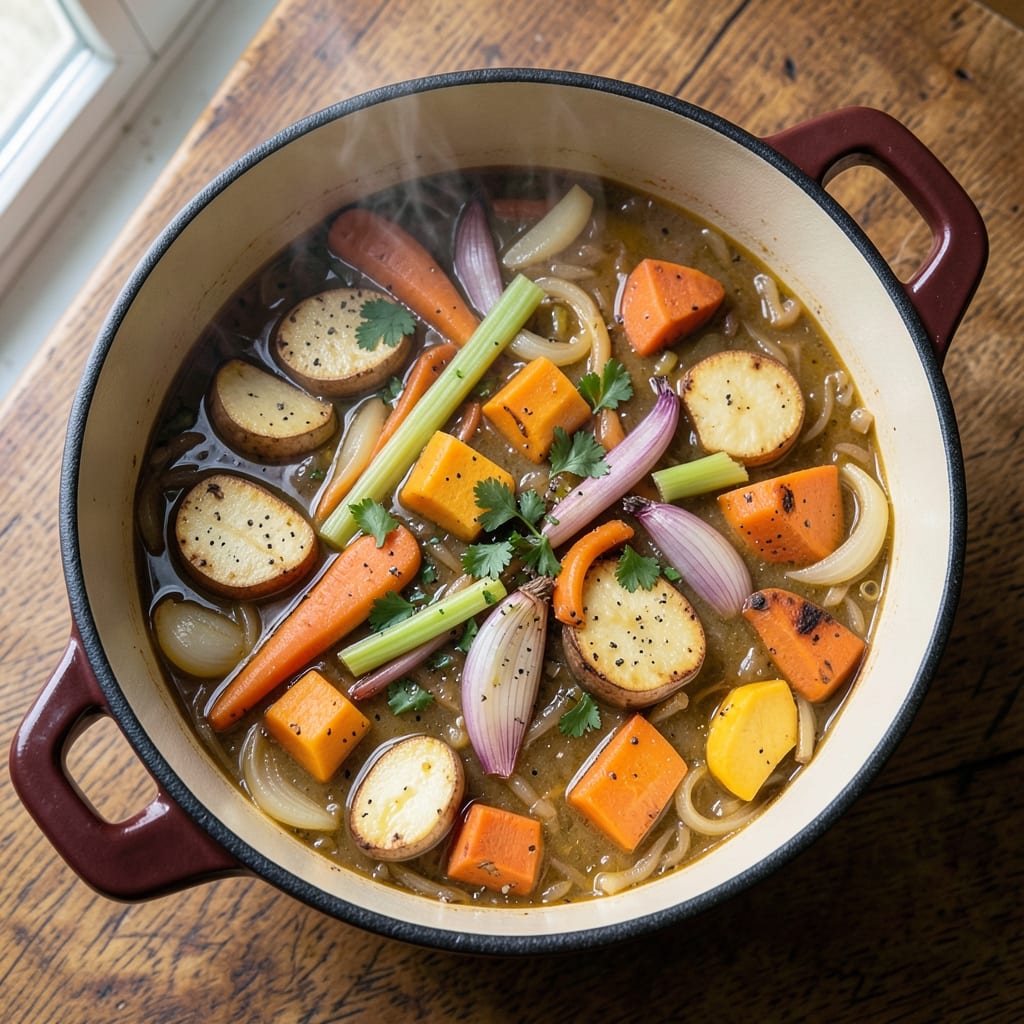
This 5-gallon vegetable soup recipe transforms a single pot into a month's worth of hearty, freezer-friendly meals—perfect for busy weeks or meal prep marathons. The secret lies in balancing 20+ vegetables with aromatic herbs and a rich broth base that simmers into a flavor explosion after just 2 hours. I developed this recipe during a particularly hectic month when I needed to feed my family nourishing meals without daily cooking, and it became my go-to for stocking the freezer with restaurant-quality soups that reheat beautifully.
The beauty of this one-pot wonder is its versatility—use store-bought or homemade vegetable broth, swap seasonal vegetables, and adjust spice levels to taste. The soup's depth comes from caramelizing onions and garlic before adding the vegetables, which builds a flavor foundation that carries through freezing and reheating. With no special equipment beyond a large stockpot (or Instant Pot for faster cooking), this recipe proves that big batches don't require complicated techniques—just patience and layering flavors.
What you'll end up with is a rich, velvety soup packed with tender vegetables, hearty beans, and aromatic herbs that transform simple ingredients into something extraordinary. Each spoonful delivers a perfect balance of earthy, savory, and slightly sweet notes, making it ideal for chilly evenings, potlucks, or as a comforting base for adding grilled cheese or crusty bread. The best part? Portion it into freezer-safe containers and enjoy homemade soup for months without the daily effort.
Whether you're prepping for a family gathering or simply stocking your freezer with healthy meals, this recipe delivers restaurant-quality results with minimal active time. Let's get started on creating your freezer-friendly feast—one pot at a time.
Ingredients for 5 gallon vegetable soup
Twenty-two hearty ingredients that transform into restaurant-quality soup for months of freezer-friendly meals.
| Ingredient | Amount | Notes |
|---|---|---|
| Yellow Onions 🧅 | 3 whole | Chopped into 1/2-inch pieces |
| Carrots 🥕 | 4 lb | Baby or regular, peeled |
| Celery Stems 🌿 | 6 whole | Trimmed and chopped |
| Russet Potatoes 🥔 | 5 lb | Peeled and cubed into 1-inch pieces |
| Sweet Potatoes 🍠 | 3 lb | Peeled and cubed |
| Butternut Squash 🎃 | 4 lb | Peeled, seeded, cubed |
| Green Beans 🌱 | 2 lb | Trimmed and cut into 1-inch pieces |
| Zucchini 🥒 | 3 whole | Sliced into 1/2-inch rounds |
| Cauliflower 🥬 | 2 lb | Cut into florets |
| Garlic Cloves 🧄 | 12 cloves | Minced for depth of flavor |
| Fresh Thyme 🌿 | ½ oz | Stems removed, leaves chopped |
| Fresh Rosemary 🌿 | ¼ oz | Needles finely chopped |
| Vegetable Broth 💧 | 6 cups | Homemade or quality store-bought |
| Canned Diced Tomatoes 🍅 | 2 cans | 28 oz each, San Marzano preferred |
| Dry Lentils 🌾 | 2 cups | Rinsed, brown or green |
| Canned Chickpeas 🌱 | 2 cans | 15 oz each, drained and rinsed |
| Extra-Virgin Olive Oil 🫒 | ½ cup | For caramelizing onions |
| Salt 🧂 | 2 tbsp | Diamond Crystal preferred |
| Black Peppercorns 🌶️ | 1 tbsp | Freshly cracked |
| Bay Leaves 🍃 | 4 whole | For aromatic depth |
The vegetables are the stars here, so prioritize freshness and variety. Local farmers markets are ideal for seasonal produce—look for vibrant colors and firm textures. Sweet potatoes and butternut squash keep well, so stock up when they're on sale. For the lentils and chickpeas, Trader Joe's and Whole Foods carry high-quality canned options, but rinsing is a must. The aromatic herbs—thyme and rosemary—should smell fragrant and green, not dried out. If you're using frozen vegetables (like green beans or cauliflower), they work perfectly—just add them later in the cooking process to avoid mushiness. The key is balancing textures: tender carrots, hearty potatoes, and crisp green beans all play their part.
No fresh thyme? Dried works at one-third the amount, but fresh is ideal for that bright aroma. Short on butternut squash? Extra sweet potatoes or acorn squash will do in a pinch. The vegetable broth can be swapped for mushroom broth for extra umami or even water in a bind—just add extra salt. For the tomatoes, San Marzano cans are worth the splurge, but any quality diced tomatoes will work. If you're watching sodium, rinse the canned beans thoroughly. The lentils can be swapped for white beans or cannellini if you prefer a creamier texture. And if you're prepping ahead, roast the squash and sweet potatoes first to save time during the main cooking process.
This soup tastes even better the next day—freeze in 2-cup portions for easy lunches. It keeps in the fridge for 5-6 days or freezes beautifully for up to 6 months. For reheating, bring to a simmer from frozen to avoid separating. I like to add a splash of broth when reheating to loosen things up. The herbs and bay leaves can be removed before freezing if you prefer, but they add wonderful depth. Portion into glass containers for easy reheating, and label with dates. Pro tip: Double the batch—you'll want leftovers!
Why You'll Love This Recipe
- One-Pot Magic: I swear by this recipe because it’s literally dump-and-go. Chop the onions, carrots, celery, and potatoes (no need to peel the sweet potatoes—just scrub ‘em), toss them in a pot with broth, and let it simmer. No fancy techniques, no last-minute stress—just pure, hands-off cooking.
- Sweet & Savory Balance: The combo of earthy sweet potatoes and crispy russets—that’s where it shines. The carrots add natural sweetness, while the onions and celery deepen the flavor without overpowering. Honestly, it’s the kind of soup where every spoonful feels like a hug.
- Meal Prep MVP: This soup begs to be made in bulk. Double the batch, freeze half, and you’ve got a ready-to-heat lunch for lazy days. My freezer’s always stocked with it—perfect for when I’m too tired to cook or just want something hearty without the fuss.
- Budget-Friendly Feast: You’re getting five gallons of soup for pennies—onions, carrots, and potatoes stretch forever, and you can tweak the veggies based on what’s on sale. Between us, this is how I feed my family without breaking the bank. Plus, leftovers taste just as good the next day.
Step-by-step instructions for 5-Gallon vegetable soup
This hearty vegetable soup comes together in one pot with layers of flavor and texture.
Develop the Flavor Base with Caramelized Vegetables
Heat the 0.5 cup extra-virgin olive oil in a large stockpot over medium heat. Add the 3 whole yellow onions (chopped) and cook for 8-10 minutes until softened and beginning to caramelize. Here's the thing—don't rush this step. The onions should turn golden and sweet, creating the foundation for all that deep flavor.
Add the 12 cloves garlic (minced), 0.5 oz fresh thyme, and 0.25 oz fresh rosemary (chopped), stirring constantly for 1 minute until fragrant. You'll smell that aromatic punch—this is where the magic begins. Keep the heat at medium to prevent burning the herbs.
Build Depth with Tomatoes and Broth
Pour in the 2 cans canned diced tomatoes (with juices) and stir to combine with the aromatics. Let the mixture simmer for 5 minutes until the tomatoes break down slightly and the flavors meld. This step develops the soup's rich, tangy backbone that balances all the vegetables.
Add the 6 cups vegetable broth, 2 tbsp salt, 1 tbsp black peppercorns (cracked), and 4 whole bay leaves. Bring to a gentle boil, then reduce heat to medium-low to maintain a steady simmer. This is where patience pays off—let the broth infuse with all those caramelized flavors for 10 minutes before adding any vegetables.
Add Hearty Vegetables for Structure
Add the 5 lb russet potatoes (cubed), 3 lb sweet potatoes (cubed), 4 lb butternut squash (cubed), and 2 lb cauliflower (florets). Stir gently to coat with the flavorful broth. These dense vegetables need time to soften properly, so they go in first. Bring the soup back to a simmer and cook uncovered for 20 minutes, stirring occasionally.
After 20 minutes, add the 4 lb carrots (peeled and chopped), 6 whole celery stems (chopped), and 2 cups dry lentils (rinsed). The lentils will absorb liquid as they cook, so don't worry if they don't fully submerge. Keep the soup at a gentle simmer—you're looking for 45-50 minutes total cooking time for these vegetables to become tender but still hold their shape.
Incorporate Delicate Vegetables and Legumes
When the hearty vegetables are nearly tender (after about 30 minutes of cooking), add the 2 lb green beans (trimmed and cut), 3 whole zucchini (sliced), and 2 cans chickpeas (drained and rinsed). These more delicate ingredients cook quickly and add fresh texture to the soup. Stir gently to distribute them evenly.
Continue simmering for another 15-20 minutes until all vegetables are fork-tender but still hold their shape. The green beans should be bright and crisp, the zucchini slightly softened but not mushy. Taste and adjust seasoning—you might need an extra pinch of salt since some vegetables release their own saltiness as they cook.
Final Adjustments and Serving
Remove the 4 whole bay leaves and discard them. Taste the soup one final time and make any necessary adjustments—perhaps a splash more broth if it's too thick, or a crack of black pepper if you want more heat. This is your chance to perfect the balance of flavors before serving.
Ladle the soup into bowls and serve immediately. The aroma alone will make everyone's mouth water—rich from the caramelized onions, hearty from the potatoes and squash, and bright from the fresh green beans and zucchini. For extra depth, garnish each bowl with a sprinkle of fresh thyme leaves and a drizzle of high-quality olive oil.
Pro Tips For Making 5 Gallon Vegetable Soup
- CHAR THE ONIONS FIRST: I learned this the hard way—skipping this step means your soup tastes raw and flat. Get that onion golden-brown (about 8-10 minutes) before adding anything else. The deeper caramelization builds flavor that no amount of simmering later will match.
- CUT POTATOES UNIFORM: Russets and sweet potatoes break down at different rates. Dice the russets into 1-inch cubes and the sweet potatoes into ½-inch pieces—this guarantees they soften at the same time. No one wants mushy potatoes in one bite and crunchy in another.
- SALT THE WATER LIKE THE OCEAN: A 5-gallon batch needs at least 2 tablespoons of salt (or more if you’re using low-sodium broth). Under-salting here means your soup will taste bland no matter how much you season later. Taste the broth early—yes, even if it seems crazy.
- SWAP HALF THE CELERY FOR LEEKS: Celery adds texture, but leeks bring depth without overpowering. Use 2 stalks celery and 2 leeks (white and light green parts only) for a richer base. It’s a small tweak that makes the soup taste more restaurant-worthy.
Regional styles of these flavors
Southern Comfort Style
In the American South, vegetable soups often embrace smoky, spicy flavors and hearty textures. For this regional twist, add 1 tbsp smoked paprika and ½ tsp cayenne pepper when caramelizing the onions. I also swap ½ cup of the vegetable broth for chicken broth—don't worry, it stays vegetarian by using a quality vegetable-based chicken broth like Pacific Foods. Add 1 cup cooked corn kernels and 1 diced bell pepper for sweetness and color. Serve with a side of crusty cornbread for dipping. 🌶️
Mediterranean Herb Garden
This version transforms your soup into a fragrant, herb-forward bowl inspired by Greek and Italian traditions. Replace the rosemary with 1 oz fresh oregano and 1 oz fresh basil, and add 2 cloves roasted garlic (instead of minced) for depth. Stir in 1 can (14 oz) diced tomatoes and ½ cup Kalamata olives during the final 15 minutes of cooking. Finish with a drizzle of lemon juice and feta cheese crumbles before serving. Pair with warm crusty sourdough bread for a complete meal. 🌿
Asian-Inspired Ginger-Lime
For an East Asian-inspired twist, infuse the broth with 1 tbsp grated fresh ginger and 2 tbsp lime zest during the initial simmer. Add 1 tbsp sesame oil when caramelizing the onions, and swap the lentils for 1 cup cooked jasmine rice or 1 cup chopped bok choy in the final 10 minutes. Garnish with toasted sesame seeds, thinly sliced scallions, and a squeeze of fresh lime juice. Serve over steamed rice for a satisfying bowl. 🍋
French Country Garden
This version channels classic French rustic cooking with earthy mushrooms and wine. Sauté the onions with 8 oz sliced cremini mushrooms and deglaze with ½ cup dry white wine (like Sauvignon Blanc) after adding the garlic. Add 1 sprig fresh tarragon and 1 sprig fresh parsley along with the thyme and rosemary. Finish with a splash of heavy cream (or coconut milk for a dairy-free option) and crumbled goat cheese on top. The French would serve this with baguette slices for dipping. 🍷
Mexican-Inspired Frijoles
Transform your soup into a vibrant Mexican-inspired frijoles by adding 1 tbsp ground cumin, 1 tsp dried oregano, and ½ tsp chili powder during the caramelization step. Swap the lentils for 1 cup black beans and add 1 diced jalapeño (seeds removed) with the delicate vegetables. Top with avocado slices, cilantro, and a dollop of sour cream. Serve with warm tortillas or over cilantro-lime rice for a complete fiesta bowl. 🌶️
Nutrition facts
Frequently asked questions
Can I make this soup in a slow cooker or Instant Pot?
For a slow cooker, caramelize the onions and garlic first, then transfer everything to your 6-quart slow cooker and cook on low for 6-7 hours or high for 3-4 hours. For an Instant Pot, sauté the onions and garlic first, then add all ingredients and pressure cook on high for 20 minutes, followed by a 10-minute natural release. The Instant Pot version is ready in about 30 minutes total!
How do I adjust the recipe for fewer servings?
This recipe scales beautifully! For a 2-quart batch (about 4 servings), reduce all ingredients by 25% and cook in a 4-quart pot. For a 4-quart batch (about 8 servings), reduce by 50%. Always maintain the same ratio of vegetables to broth—aim for about 1 cup broth per 1 cup chopped vegetables. The cooking times will adjust naturally with the smaller volume.
What's the best way to store and reheat leftovers?
Store in airtight glass containers in the fridge for 5-6 days or freeze for up to 6 months. To reheat, thaw overnight in the fridge first, then simmer gently on the stove with a splash of broth until hot. Never microwave directly from frozen—this can make the soup watery. For best texture, reheat from room temperature to 165°F over 15-20 minutes on low heat.
Can I use frozen vegetables instead of fresh?
Yes, but add them later in the cooking process! Frozen veggies like green beans, cauliflower, or peas should go in during the final 10-15 minutes of cooking to prevent mushiness. For hardier veggies like carrots or potatoes, frozen works fine added with the other vegetables—just increase cooking time by 5-10 minutes. The texture will be slightly different but still delicious.
Why does my soup taste bland after freezing?
Freezing can mute flavors, so always taste and adjust after thawing. Add a pinch of salt, a splash of lemon juice, or a dash of hot sauce to brighten flavors. For extra depth, stir in 1 tbsp fresh herbs (like thyme or parsley) or a drizzle of olive oil when reheating. The soup will regain its rich character with these simple boosts!